When Title Deeds Lag: Insurance & Buyer Protections in Cyprus
Practical protections for Cyprus buyers: secure title checks, rebuild‑value insurance, and contractual safeguards that preserve the island lifestyle and limit risk.

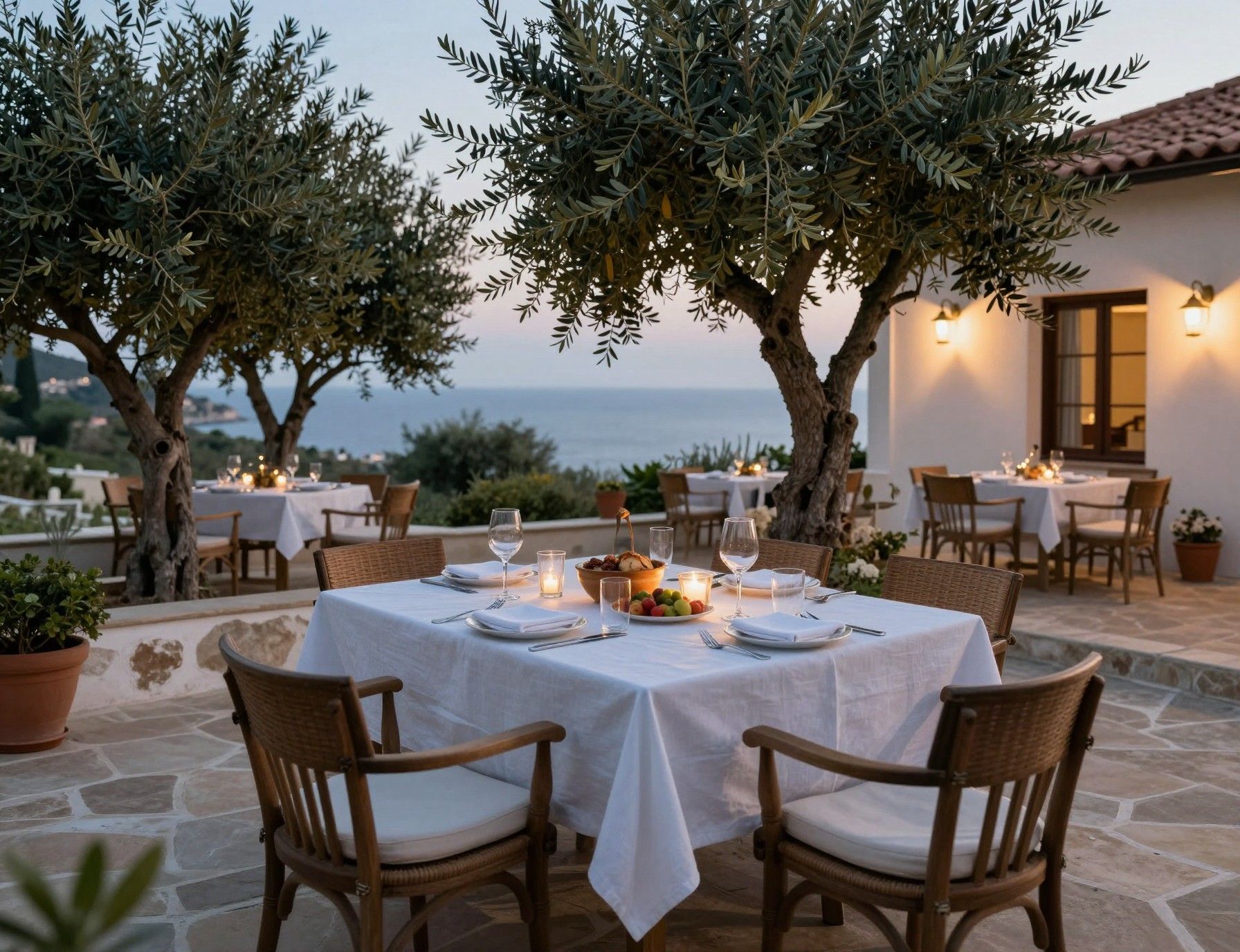
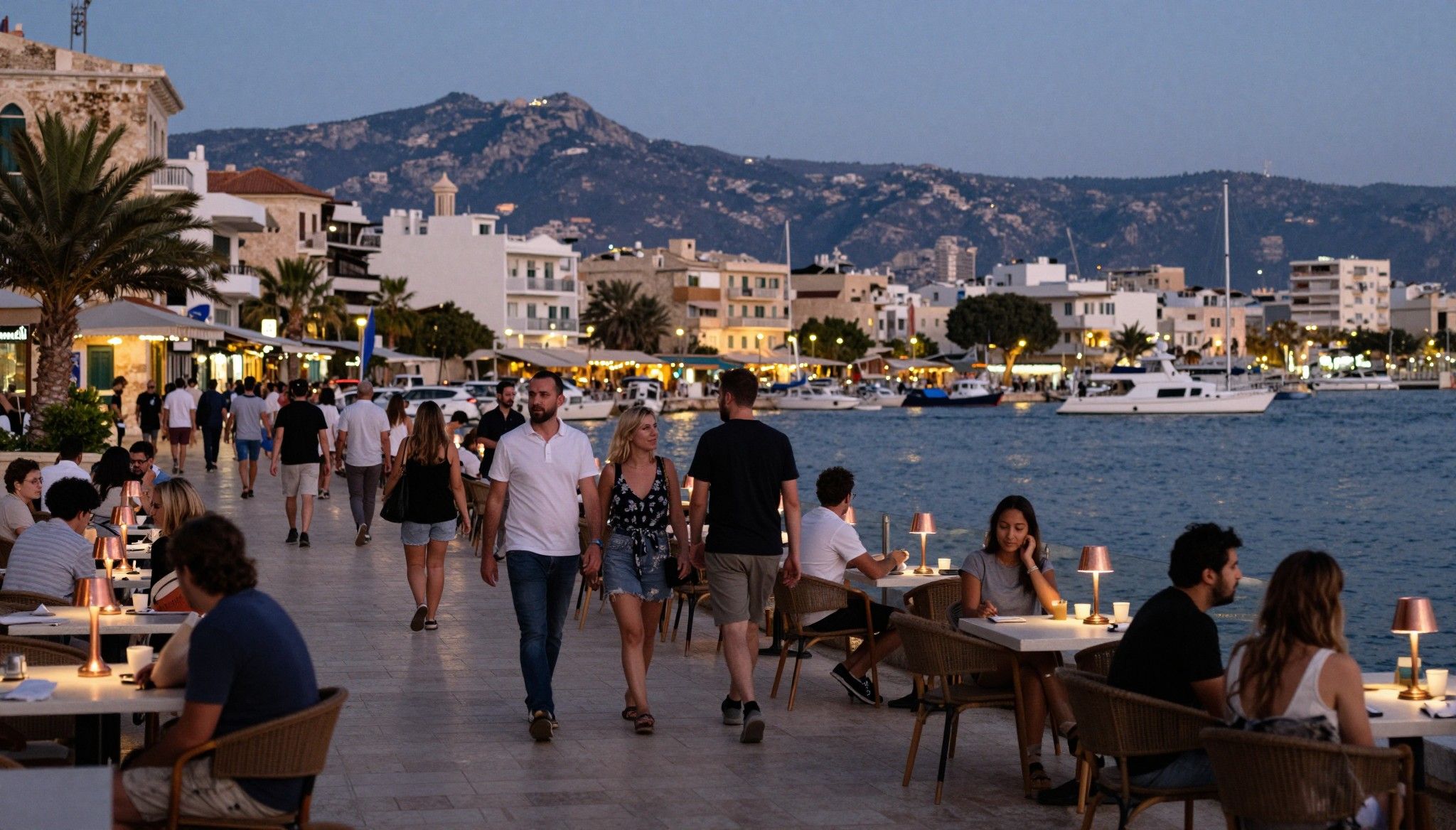
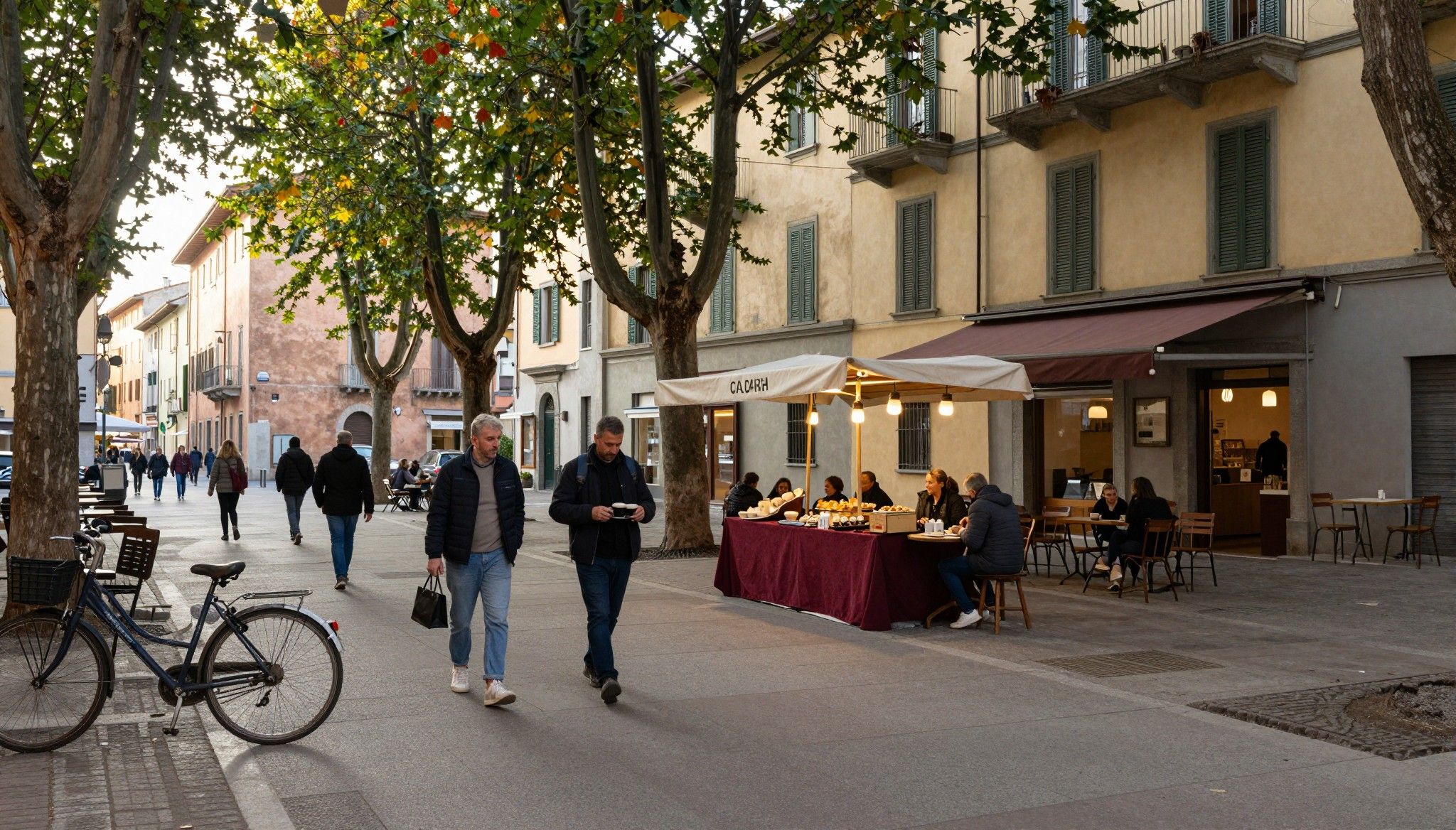
Imagine a late‑afternoon espresso at Eleftheria Square, the sea breeze moving laundry on a Palechori balcony and a narrow lane of shops in Limassol filling with conversation. Cyprus feels intimate and lived‑in: a place where Mediterranean light softens limestone facades and community rhythms determine the day. For many international buyers that charm arrives hand‑in‑hand with legal and insurance realities — notably lingering title‑deed delays and nuanced insurance needs — which shape how safely you can claim that life.
Living the Cyprus lifestyle
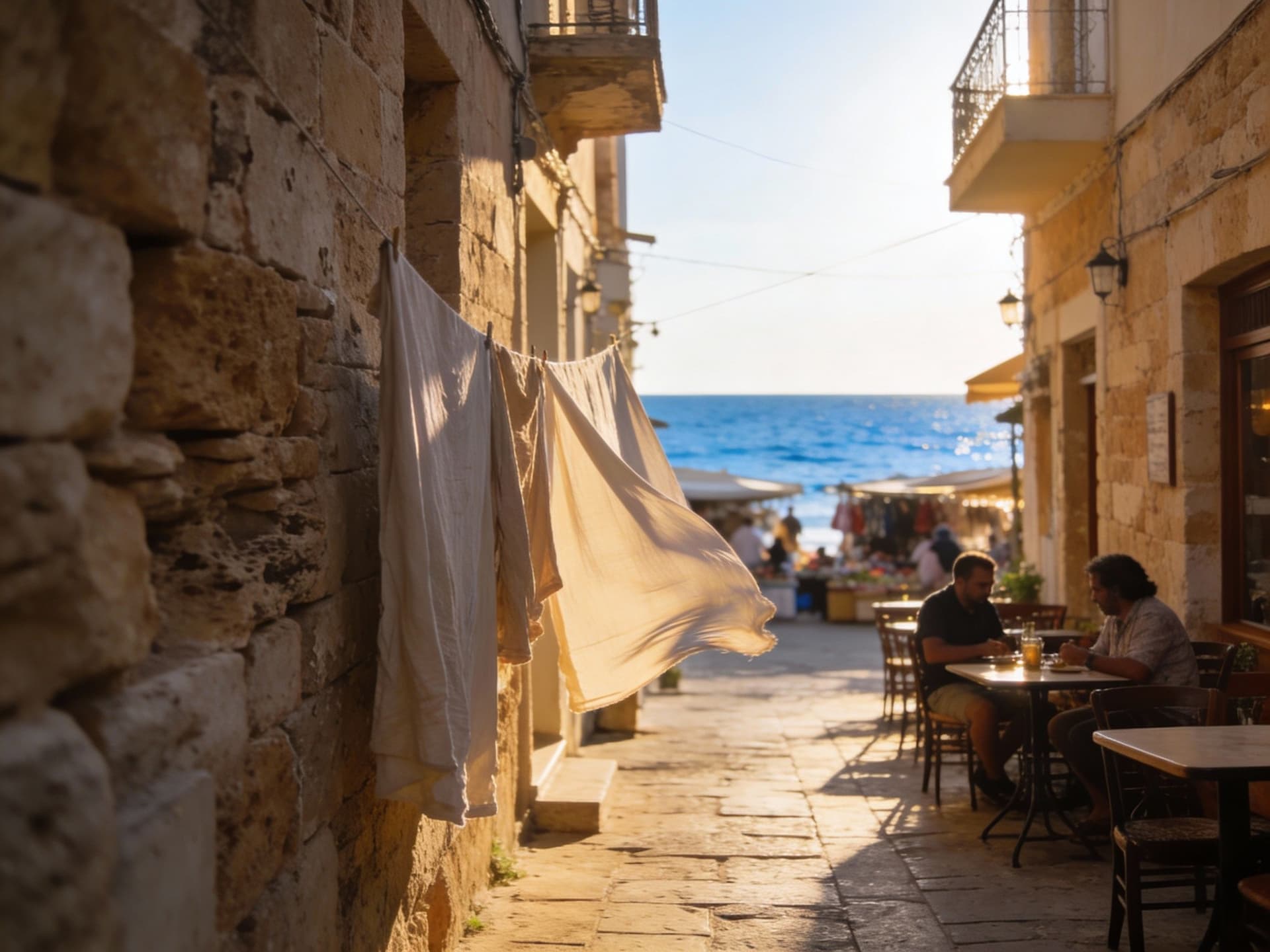
Cyprus offers a range of daily scenes: Nicosia’s shaded cafes and bookshops for autumn afternoons, Limassol’s marina promenades in spring, Paphos’s quiet coastal gardens and mountain villages in Troodos where winter brings chestnut markets. The island’s smaller scale means a weekend market or taverna becomes your social calendar; neighbours know your name and local festivals mark the year. Those rhythms matter to buyers because they influence where you want to live — a harbour apartment for conviviality, a walled village house for seasonal solitude — and therefore which protections and policies you prioritise.
Neighbourhood notes: Limassol, Paphos, Nicosia
Limassol’s Molos and the old port attract owners who value dining culture and contemporary architecture; insurance needs here often include flood and pool cover for seafront plots. Paphos, from Kato Paphos to Peyia, trades on quiet charm and archaeological texture; properties near the coast require careful assessment of erosion and storm risk. Nicosia’s central districts are built for year‑round living; older stone buildings may demand higher rebuild‑cost coverage and specialist restoration clauses in policies.
Food, season and social life — how seasons shape choice
Seasonality is subtle but real: the island fills between April and October with short‑stay visitors, which affects neighbourhood noise, short‑term rental demand and wear on properties. Autumn and winter are ideal for inspecting roofs, plumbing and the kinds of issues insurers care about. If you plan to let a property during summer months, insurers will expect clear declarations and often require additional cover such as loss‑of‑rent and enhanced liability for holiday lets.
- Lifestyle highlights to consider when choosing cover
- Molos promenade dining (Limassol) — consider public liability for terraces
- Troodos villages — prioritise subsidence and roof damage clauses for rural stone houses
- Coastal plots in Paphos and Larnaca — flood, erosion and storm cover matter
Making the move: practical considerations

A durable love of Cyprus begins with secure legal title. The Department of Lands and Surveys (DLS) issues and records title deeds; in recent years the DLS has accelerated e‑services and statistics that show the number of issued title deeds in new developments. Still, it is common to encounter properties marketed “without title deeds” — an acceptable purchase in specific circumstances, but one that requires layered protection from insurance, contract safeguards and escrow arrangements.
Property styles and how they change insurance needs
From neo‑Mediterranean villas to restored stone homes and modern apartments, each typology demands different cover and valuation logic. The Central Bank’s RPPI shows regional price trends that help set realistic rebuild‑cost estimates — essential because insurers base premiums on reconstruction cost rather than market price. Underinsuring the rebuild value is a frequent mistake; accurate surveyor estimates avoid unpleasant shortfalls after a claim.
Working with local experts who protect the lifestyle
An experienced Cypriot lawyer and a reputable insurer form the practical backbone of a peaceful life here. Lawyers verify title, check outstanding encumbrances and ensure contracts include deposit escrow, conditional completion tied to issuing of deeds, and warranties about planning permissions. Insurers and local brokers translate those legal findings into specific policy terms — rebuilding sums, liability limits for short‑term letting, and riders for art, wine or antique collections often found in family homes.
- Steps to protect a Cyprus purchase when title deeds are delayed
- 1. Insist on a full Title Search and Search Certificate lodged with the DLS and cited in the contract.
- 2. Use an escrow arrangement or deposit in the Land Registry to limit vendor risk until deeds issue.
- 3. Require contractual warranties from the developer or seller about planning consents and final inspections.
- 4. Buy comprehensive buildings cover and loss‑of‑rent policy if you intend to let seasonally.
Insider knowledge: what expats wish they'd known
Expats who live here describe two recurring surprises: the administrative patience required for property transfer and the importance of insuring for lived reality rather than listing price. Many discover that communal management committees and the insurance choices they make have immediate consequences — an underinsured common roof can leave unit owners exposed to large special levies after storm damage. Understanding these communal dynamics before purchase is a quiet form of stewardship.
Cultural integration and local conventions
Cypriots value face‑to‑face negotiations and clear, signed assurances. You will speed processes by cultivating local relationships: a trusted lawyer, the management committee chair in jointly‑owned blocks and a broker who can explain subtle exclusions in policy wordings. Language is rarely a barrier — English is widely used in property transactions — but the nuance of municipal practice and local custom is best navigated with on‑the‑ground advice.
Long‑term stewardship: how your insurance and contracts age with the property
A policy that suits year one may be inadequate five years on if you convert to regular holiday lets, add a pool, or acquire significant art. Periodic reviews with your insurer — particularly after renovations or change of use — ensure cover remains aligned with how you actually live. For properties in jointly‑owned buildings, monitor legislative changes that affect mandatory cover for communal areas; recent proposals broaden required perils and public liability obligations for management committees.
- Key red flags to notice before you sign
- Developer resists depositing the contract at the Land Registry — insist on deposit or walk away.
- Building management refuses to provide policy documentation for communal insurance — request certified copies.
- Quotations based on market value rather than rebuild cost — commission an independent rebuild estimate.
Conclusion: The life you buy in Cyprus is mostly about place — the market, the tavernas, the seasons — but prudent legal and insurance arrangements preserve that life. Start with a title search and legally robust contract, place the appropriate insurance for rebuild, contents and liability, and revisit cover whenever the use of the property changes. Work with a local lawyer and broker who understand both the island’s light and its paperwork: they will keep the everyday poetry intact while you enjoy it.
Having moved from Stockholm to Marbella in 2018, I help Scandinavian buyers navigate Spanish property law, restoration quality, and value through authentic provenance.