Protecting Your Croatian Home: Insurance & Safeguards
Practical, lifestyle‑led protection strategies for buying and insuring property in Croatia, with title checks, tailored insurance and seasonal considerations.
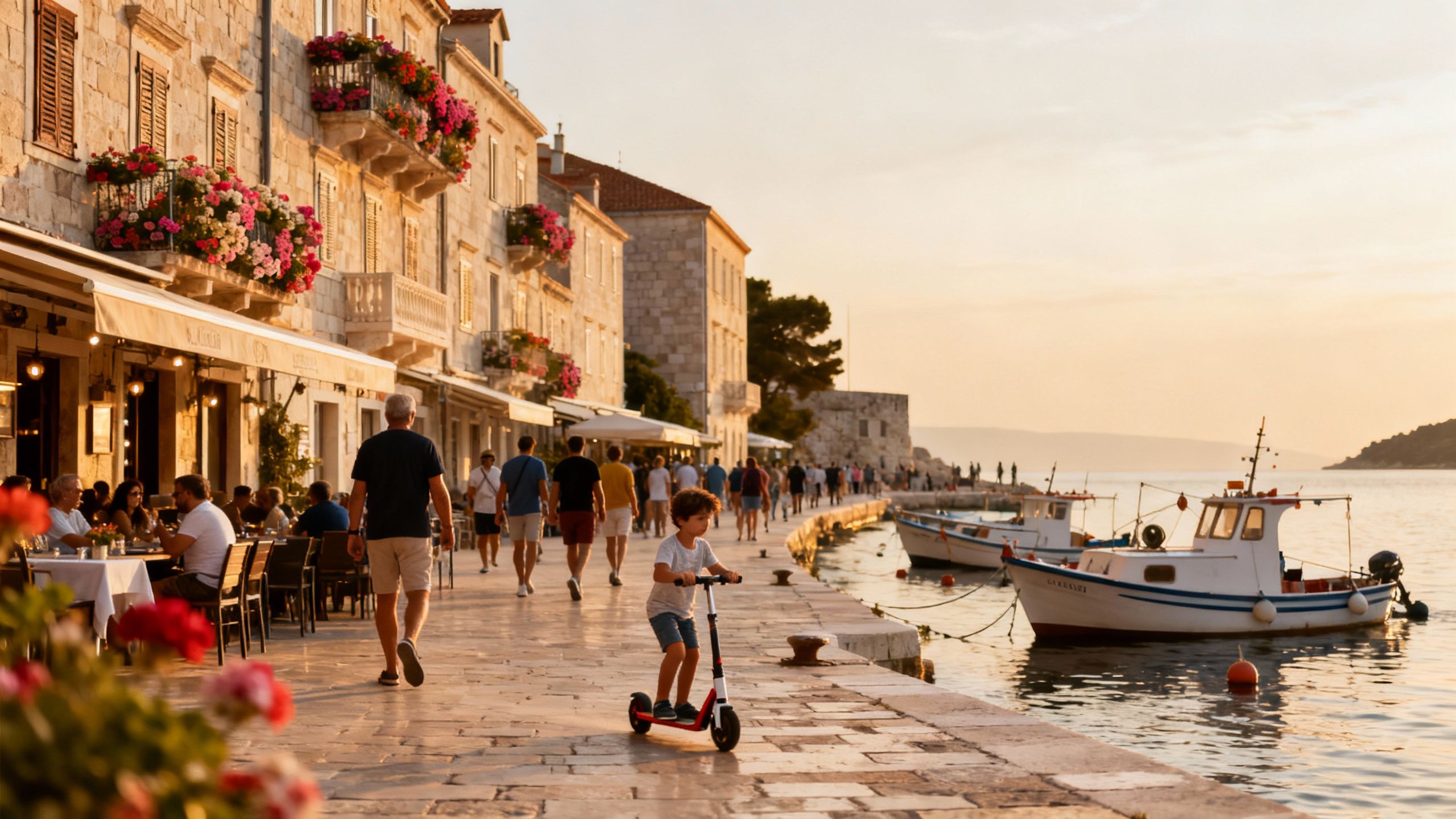
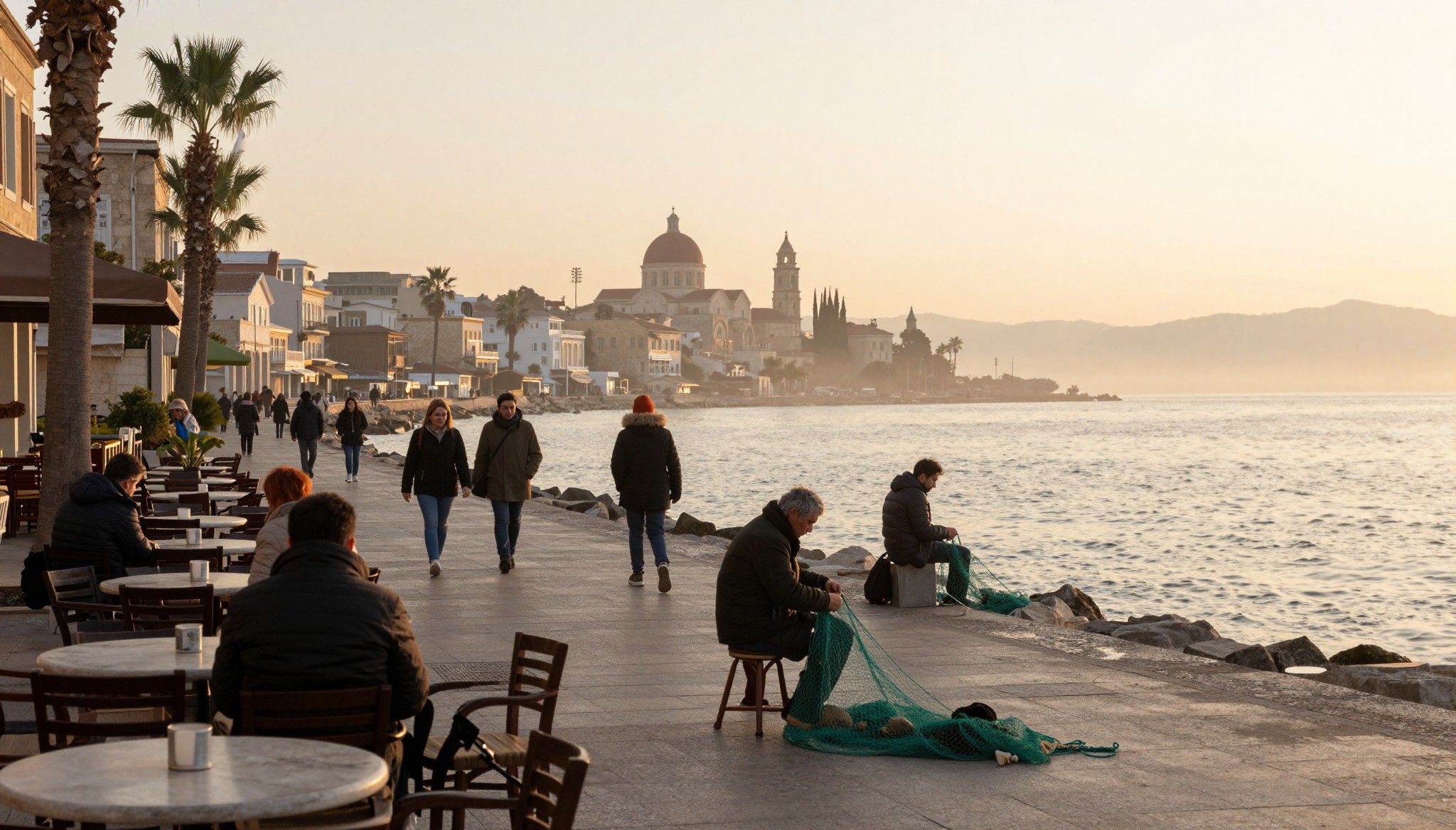
Imagine an early morning in Split: espresso steam rising outside a marble‑faced kafana on Poljička, fishermen hauling boxes at the Riva, and a quiet elegance in stone houses where shuttered windows catch the Adriatic light. That feeling — sun, sea, craft — is why many of us cross borders for a Croatian life. Yet the same clarity that makes a Dalmatian terrace so desirable also demands preparation: in Croatia, natural risks, title practices and evolving fiscal rules mean protection is part of the lifestyle.
Living the Croatian Life
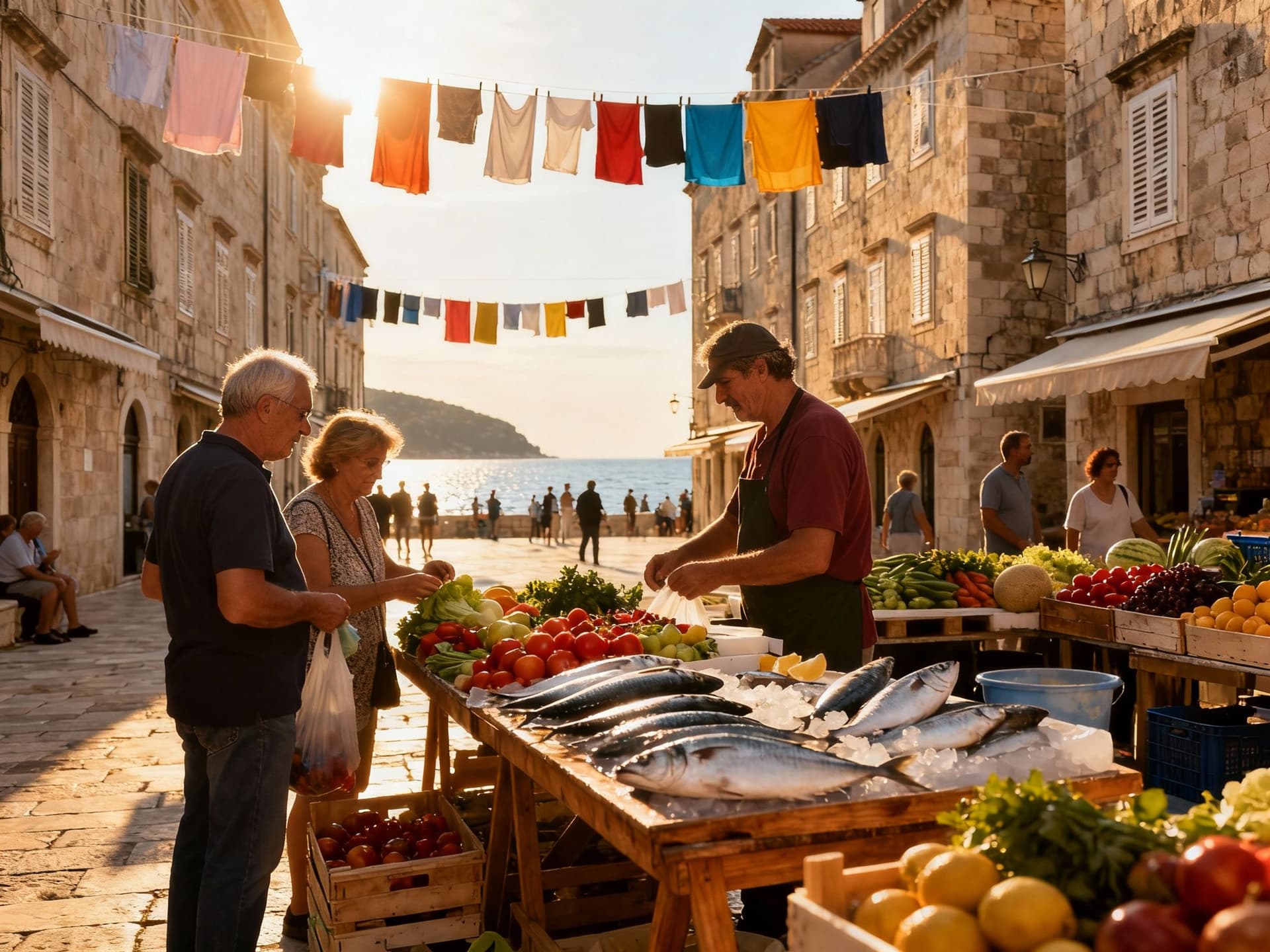
Croatia’s rhythm is coastal mornings and market afternoons. In Zagreb, lanes around Tkalčićeva hum with cafés; in Hvar, lavender and limestone define small gardens; in Istria, truffle season transforms weekends into culinary pilgrimage. For buyers this matters: the way you intend to live — daily walks to a market, seasonal rental, winter residency — should shape the insurance and protection strategy you choose.
Neighborhoods that matter
A maisonette in Split’s Veli Varoš behaves differently from a restored stone farmhouse near Motovun. Coastal properties face salt, storm and higher tourism exposure; inland villas trade those risks for different maintenance concerns. Name the street and you name the policy risk: Riva promenades imply public liability exposure; smaller island lanes raise questions about access and emergency response times.
Food, festivals and seasonal life
Seasonality affects both lifestyle and policy: summer rental income can be substantial but brings regulatory scrutiny and tax shifts — recent reforms aim to disincentivise speculation and favour long‑term rentals. That interplay of culture and regulation means protection planning should include tax‑aware insurance, appropriate liability cover for guests and clarity on permitted use.
- Lifestyle highlights: markets, cafés and hidden corners
- Počitelj and Korčula’s old towns — daily ritual, stone courtyards and community ties
- Hvar and Brač terraces — sea views, wind exposure and higher maintenance needs
Making the Move: Practical Considerations
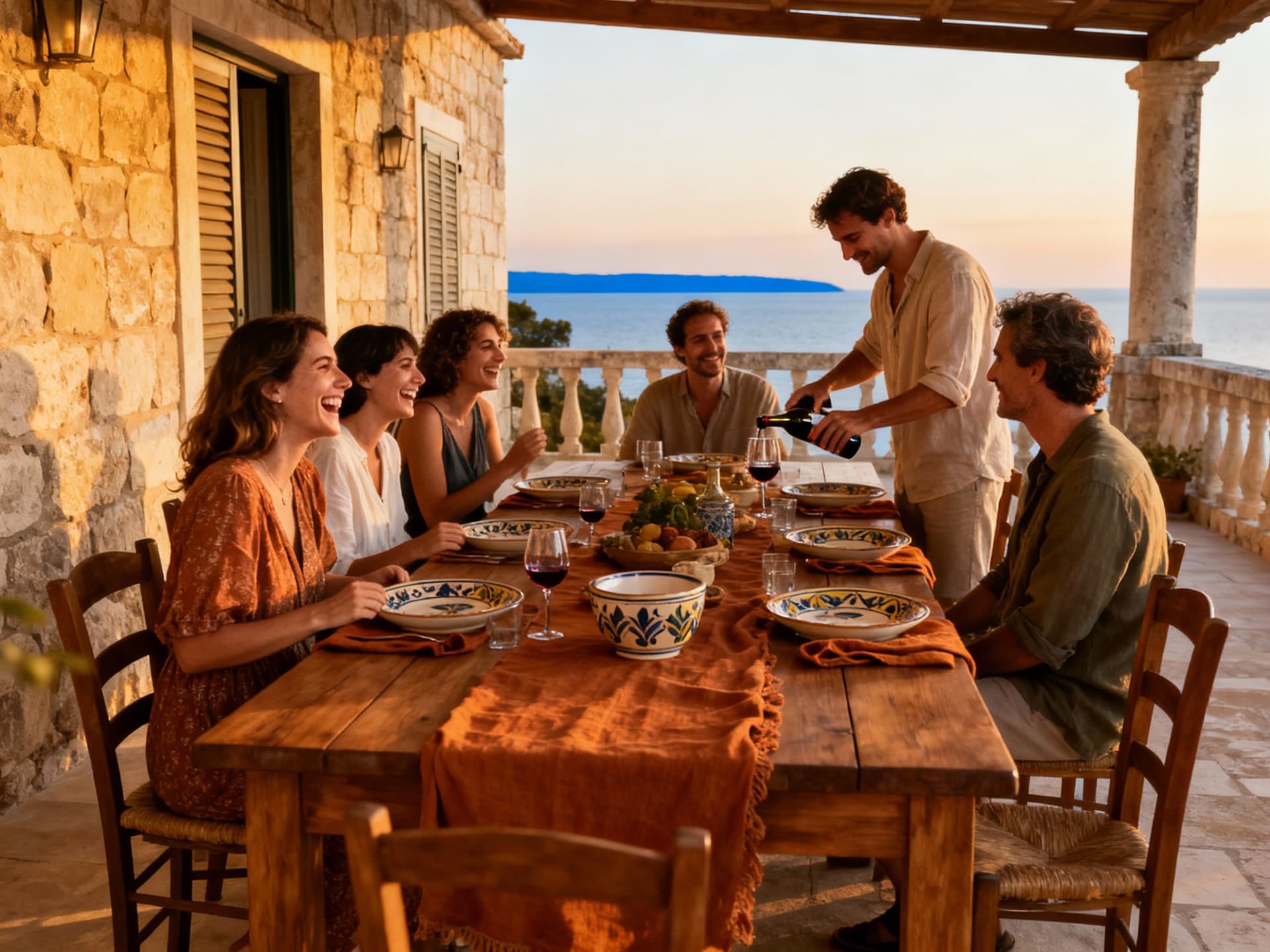
The dream meets the ledger: Croatia’s house price index rose noticeably in recent quarters, with coastal and Zagreb markets particularly active. With prices elevated, protecting capital and managing ongoing exposure is no longer optional. Consider property insurance, title clarity, and buyer protections as part of the acquisition budget rather than an add‑on.
Property types and the cover they require
Stone restorations, new builds and coastal apartments each invite different policies. Older stone houses need structural cover for roof and masonry; coastal flats require salt corrosion and storm surge considerations; new developments often rely on builder guarantees and different liability exposures. Insist on property‑specific schedules rather than generic ‘home’ products.
Work with an agent and lawyer who will examine the land register (Zemljišna knjiga) and the cadastre for encumbrances. The State Geodetic Administration (Državna geodetska uprava) holds cadastral maps; a clear title search avoids surprises. For purchased plots, check permitted use and coastal protection zones — these affect insurability and future alterations.
- Steps to protect the purchase:
- Order a certified title and cadastre extract; confirm no liens or easements
- Obtain a structural and services survey (roofing, electricity, septic/sewage connection)
- Secure a tailored insurance policy covering fire, storm, flooding, earthquake and third‑party liability
Insider Knowledge: Risks and Protections Expats Often Miss
Expats tell a common story: they fall for a view, sign contracts hurriedly and later discover a small but costly oversight — an incomplete title, unclear coastal setback rules or insufficient cover for seismic risk. The smartest buyers treat insurance as an instrument of stewardship: protecting heritage fabric, rental guests and capital appreciation.
Cultural and administrative realities
Croatia’s procedures rely on local registers and notarial practice. Notaries play a central role in transfers and can confirm formalities; many documents remain in Croatian, so certified translation is essential. Local customs — such as reliance on neighbourly permissions for construction — influence both legal exposure and the ease of resolving disputes.
Longer‑term stewardship
Think beyond purchase: boat moorings, seasonal rentals and heritage restoration require ongoing insurance adjustments and periodic reappraisals. A policy that suited a vacant derelict house will not protect a fully furnished holiday rental. Reassess cover every season and after any renovation.
- Practical buyer protections to prioritise:
- Comprehensive title search and notarial completion
- Property‑specific insurance: earthquake, storm, flood and salt corrosion
- Public liability for guest rentals and events
- Builder and contractor warranties for recent works
- Periodic condition surveys and indexed sums insured to match rising replacement costs
A small investment in clarity pays outsized returns: an indexed rebuild sum prevents under‑insurance; guest liability keeps a single accident from eroding rental yield; and explicit coastal planning checks prevent late‑stage refusals that derail renovations. Speak early with an insurer and a local notary — and ask your agent for references to advisers who specialise in heritage fabric and coastal exposures.
- Checklist: before you sign
- Confirm property zoning and any coastal protection encumbrances with the cadastre
- Obtain an independent building survey and an insurer’s pre‑acceptance inspection
- Check tax implications for seasonal rentals and register expected use with your accountant
- Agree contractual remedies for hidden defects and secure a deposit escrow via notary
Conclusion — The Steward’s Approach
Buying in Croatia is an acquisition of place as much as a property: terraces, market mornings and island evenings demand stewardship. Treat insurance and buyer protection not as paperwork but as a means to safeguard the life you imagine. Start with title clarity, pair a tailored insurance schedule with periodic surveys, and work with advisers who understand stone, sea and the local registers. When done deliberately, protection becomes the quiet architecture that lets the Croatian life flourish.
Relocating from London to Mallorca in 2014, I guide UK buyers through cross-border investment and tax considerations. I specialise in provenance, design integrity, and long-term value.