Protecting the Life You Buy in Cyprus: Insurance & Risk
How recent Cyprus title‑deed reforms change the insurance and buyer‑protection playbook — practical steps to insure the lifestyle you intend to live.

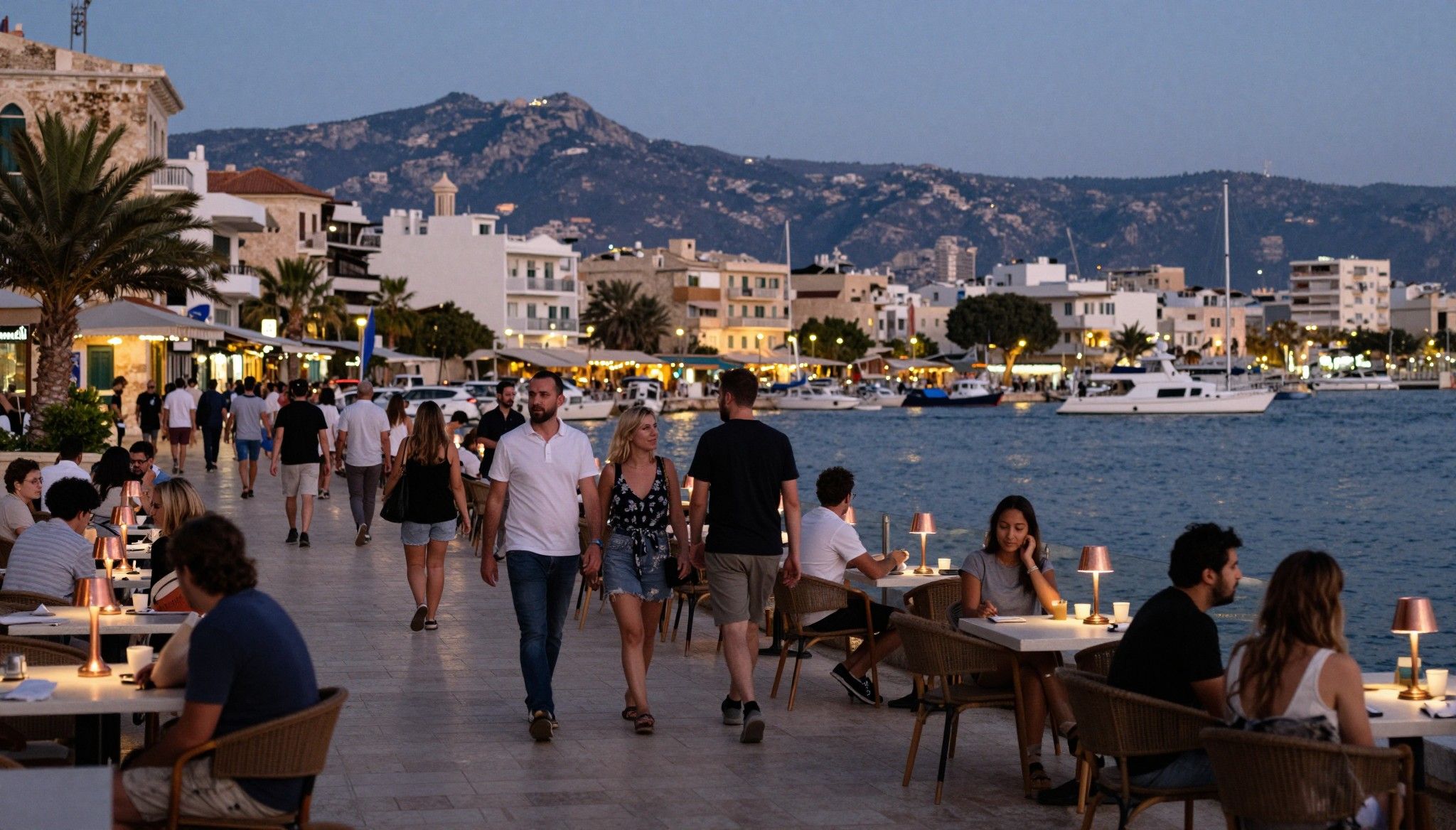
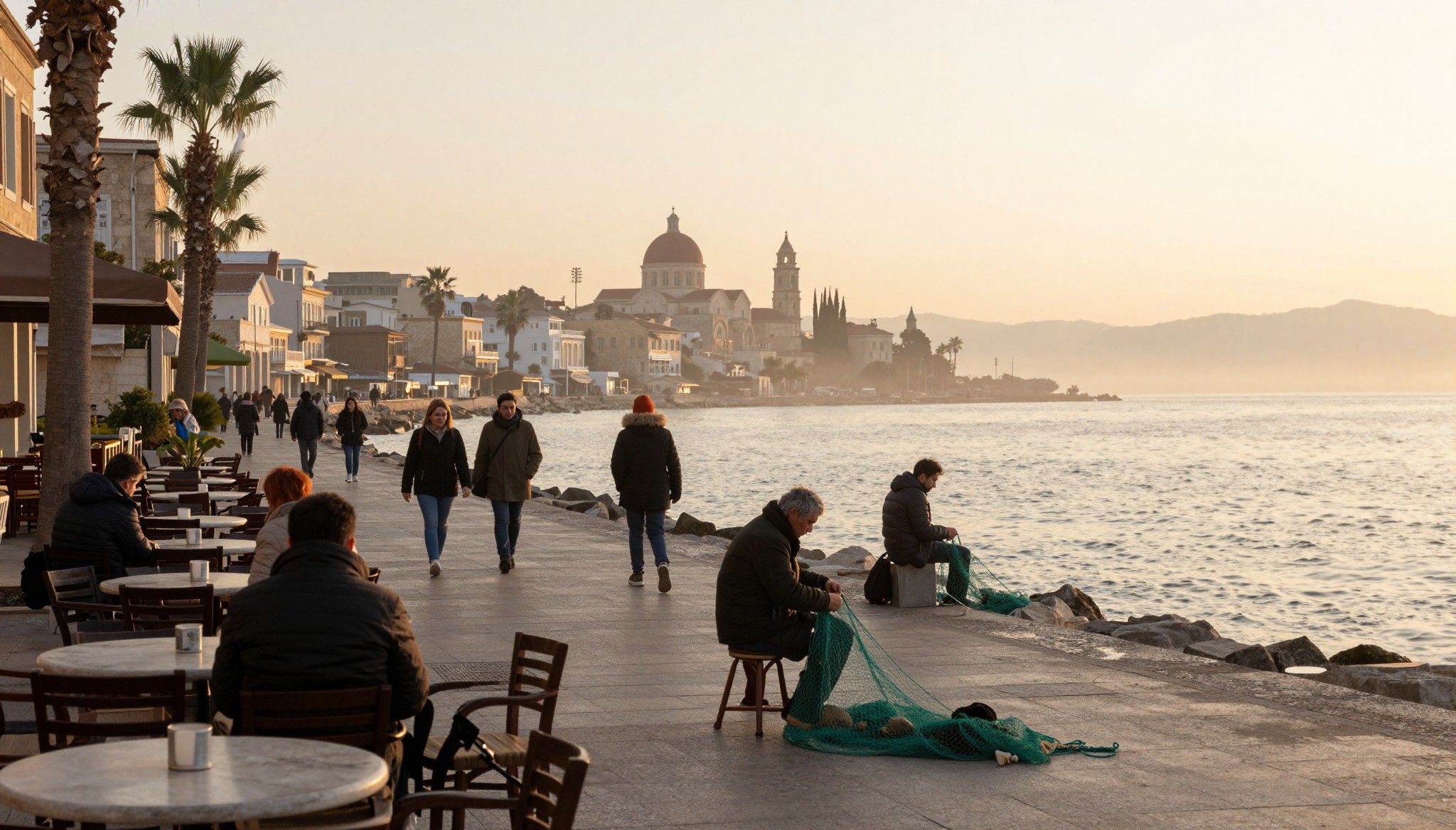
Imagine an early morning in Limassol: a tutor hurries past the café on Anexartisias, a fisherman sorts his nets by the old harbour and a terrace at Kato Paphos catches the first warm light. In Cyprus, daily life is tactile — citrus trees scent the lanes, church bells mark market hours and late‑afternoon coffee is an appointment. Yet beneath that ease is a practical seam every international buyer meets: title deeds, encumbrances and the insurance choices that protect not only a building but the life you intend to live. Recent legal reform has shifted the balance — and with it, how one insures and protects a purchase.
Living the Cyprus life
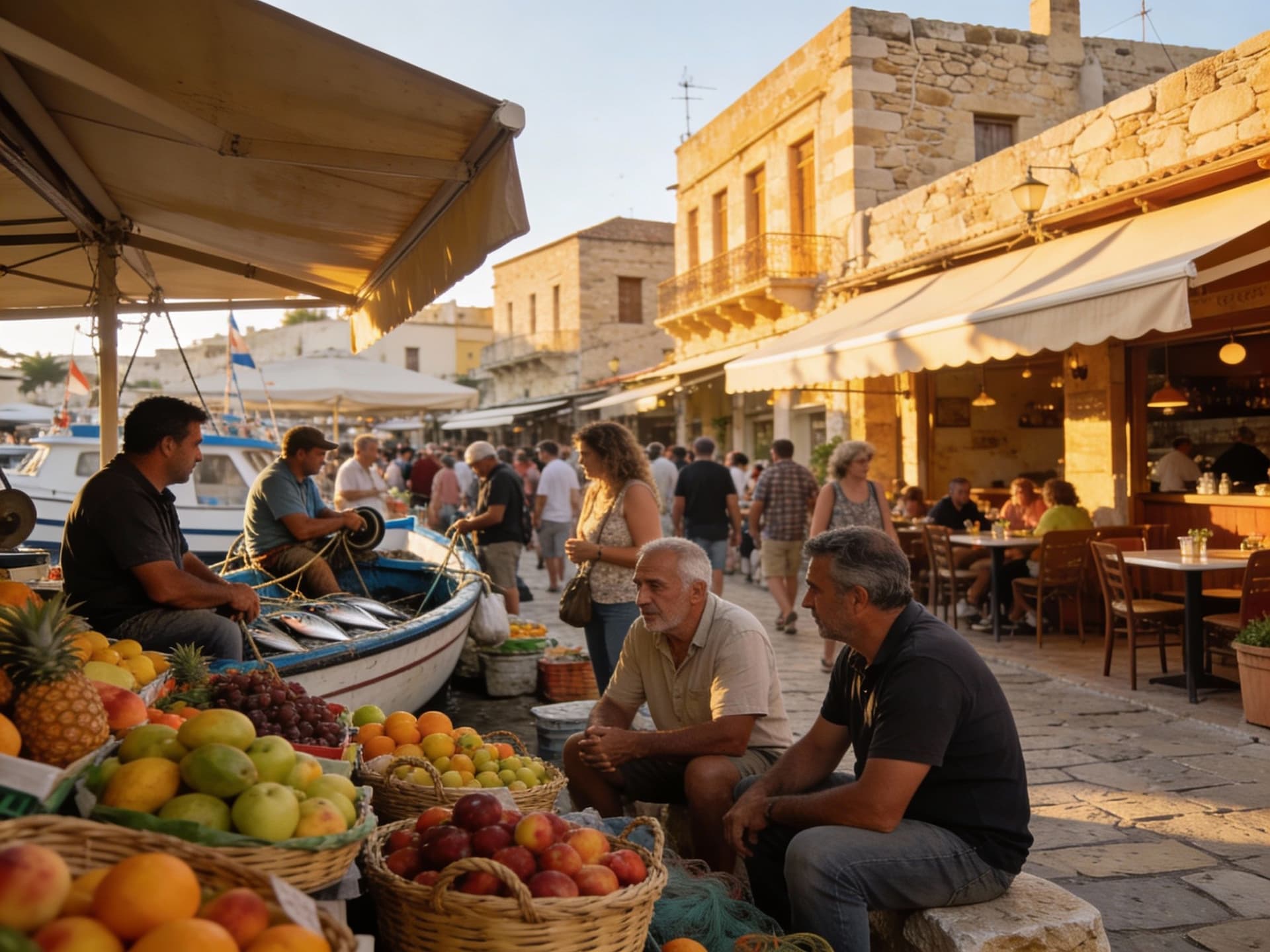
Cyprus is at once Mediterranean ease and close‑knit community. Weekends unfurl at municipal markets in Larnaca’s Finikoudes, while evenings in Nicosia can concentrate around a narrow courtyard taverna. For buyers, the allure is less about headline beaches and more about streets you will come to know: artisanal bakers on Stasikratous, quiet promenades in Agios Tychonas, and villages such as Omodos where stonework and vine terraces set a slower pace. These textures should determine both where you buy and the protections you buy into.
Neighborhoods that reveal a lifestyle
If you seek mornings with a sea breeze, Paphos’ Coral Bay and Limassol’s Germasogeia offer coastal cafés and active outdoor life. For architecture and quieter provenance, consider old Nicosia’s stone facades and the neoclassical villas around Kaimakli. Each quarter prescribes a way of living — proximity to a market changes weekly food habits; a short walk to the harbour changes how often you dine out. Those choices influence insurance needs: holiday‑rental exposure differs from full‑time occupancy; salt‑air affects external fabric and appliance warranties.
Food, markets, and small rituals
Picture buying cherries at the Paphos market in June, or bringing home halloumi and a bottle of local commandaria after a Sunday in Omodos. These quotidian habits shape practical requirements: climate‑resilient storage, reliable water systems and local contractors who understand traditional masonry. When we talk about protection, we mean policies and local arrangements that recognise how you will actually use the property — whether as a lock‑up‑and‑leave bolthole or a year‑round family house.
- Daily‑life highlights to test before you buy: Limassol promenade cafés, Paphos market stalls (Kennedy Square), Nicosia’s old town lanes (Ledra Street area), the vineyards of Troodos (Omodos), and Agios Tychonas beach for sunset walks.
Making the move: practical considerations

The pleasure of neighbourhood life meets a legal framework that matters. Cyprus permits foreign acquisitions under defined conditions and requires an application where relevant; sensible buyers reconcile the romance of place with the document trail. Start from the life you want, then confirm whether the property’s legal standing and the local services support it — particularly where older developments have unresolved title issues or where the property has been part of phased or off‑plan schemes.
Property types and the protection they need
A restored neoclassical villa in Limassol requires different cover from a modern seafront apartment. Stone‑built houses need specialist builders and policies that acknowledge heritage materials; seaside apartments need salt‑air corrosion cover and clear responsibility splits between building (common parts) and owner (contents, fixtures). Factor in planned use: short‑let income requires landlord insurance and clear tax‑compliant records, while permanent residency benefits from broader liability and home‑care arrangements.
Working with local experts
- Practical steps with a local advisor: 1) Commission a Land Registry search and check for encumbrances; 2) Confirm planning consents and partition permits; 3) Obtain written consent from mortgagees where encumbrances exist; 4) Insist on staged payments tied to clear milestones and professional inspections; 5) Secure a policy for title indemnity if any risk remains; 6) Arrange a local manager for maintenance and checks.
Insider knowledge: the protections that matter now
Cyprus’ recent legislative changes—culminating in Amendment Law 110(I)/2025—address long‑standing ‘trapped buyer’ problems that left purchasers without title despite full payment. The reform creates avenues to clear encumbrances and authorise transfers where reasonable objections were previously a legal deadlock. That improves market certainty; it does not remove the need for careful protective measures. Insurance and contractual nuance still secure what matters: your possession, income stream and long‑term stewardship.
Insurance considerations specific to Cyprus
- Key policy types to discuss with a broker familiar with Cyprus: buildings insurance (including salt‑air and storm cover), contents and valuables cover, landlord/short‑let insurance with terrorism and liability add‑ons, professional indemnity for local managers, title indemnity insurance for residual transfer risk, and legal expenses cover for property disputes.
Three contrarian moves that often pay off
- 1) Buy immediately outside a fashionable strip — quieter streets often have clearer title histories; 2) Prioritise documented maintenance records over glossy staging — continuity of care beats a new kitchen for long‑term value; 3) Take a modest title‑indemnity policy rather than overpay for a perceived “perfect” deed — it insures the real risk at a fraction of replacement cost.
Local processes still matter. Register searches, the status of planning consents and whether a purchase has been lodged with the District Land Registry are facts you should confirm before exchange. Use a Cyprus‑registered lawyer and insist on written confirmations of encumbrance status; where title is delayed, ask about court‑based routes now permitted under the recent law.
What expats wish they'd known
Many buyers remember three lessons: buy where you will live, not where you imagine you will invest; hire a lawyer familiar with both local practice and international buyer needs; and buy insurance that reflects use and climate. An English‑speaking notary or lawyer is common in Cyprus, but ask for references — the best professionals are comfortable translating cultural practice into contractual certainty.
- A simple step‑by‑step to protect a purchase: 1) Agree an exclusive reservation and commission searches; 2) Contract with conditional completion tied to title‑clearance milestones; 3) Take out a tailored title indemnity if any encumbrance remains; 4) Insure buildings and contents from exchange date; 5) Appoint a local manager and schedule an annual professional inspection.
If the life you imagine in Cyprus begins with a seaside espresso or a late harvest dinner in a mountain square, structure your legal and insurance protections to keep that life intact. Recent reforms have improved the island’s legal scaffolding — but prudence, local counsel and bespoke insurance remain the instruments that turn a dream into a safeguarded home. When you are ready, work with advisers who know the streets as well as the statutes; they will protect more than a house, they will protect the life you buy.
Norwegian with years in Florence guiding clients across borders. I bridge Oslo and Tuscany, focusing on legal navigation, cultural context, and enduring craftsmanship.