Protecting Croatian Provenance: Insurance & Legal Steps
How to protect a Croatian property and the life it enables: legal steps, insurance match‑ups and local practices that preserve provenance and seaside living.
Imagine opening your shutters to the Adriatic light, the scent of grilled fish from a neighbour’s terrace and the measured cadence of a Croatian morning. That sensory ease is what draws many of us here — yet the same coast that promises a timeless life also conceals legal and insurance details that can steady or unsettle a purchase. This guide blends lived experience — streets like Split’s Varoš and Dubrovnik’s Ploče — with the legal and protection strategies an international buyer needs to keep that quiet life intact.
Living Croatia: light, market towns and everyday rituals
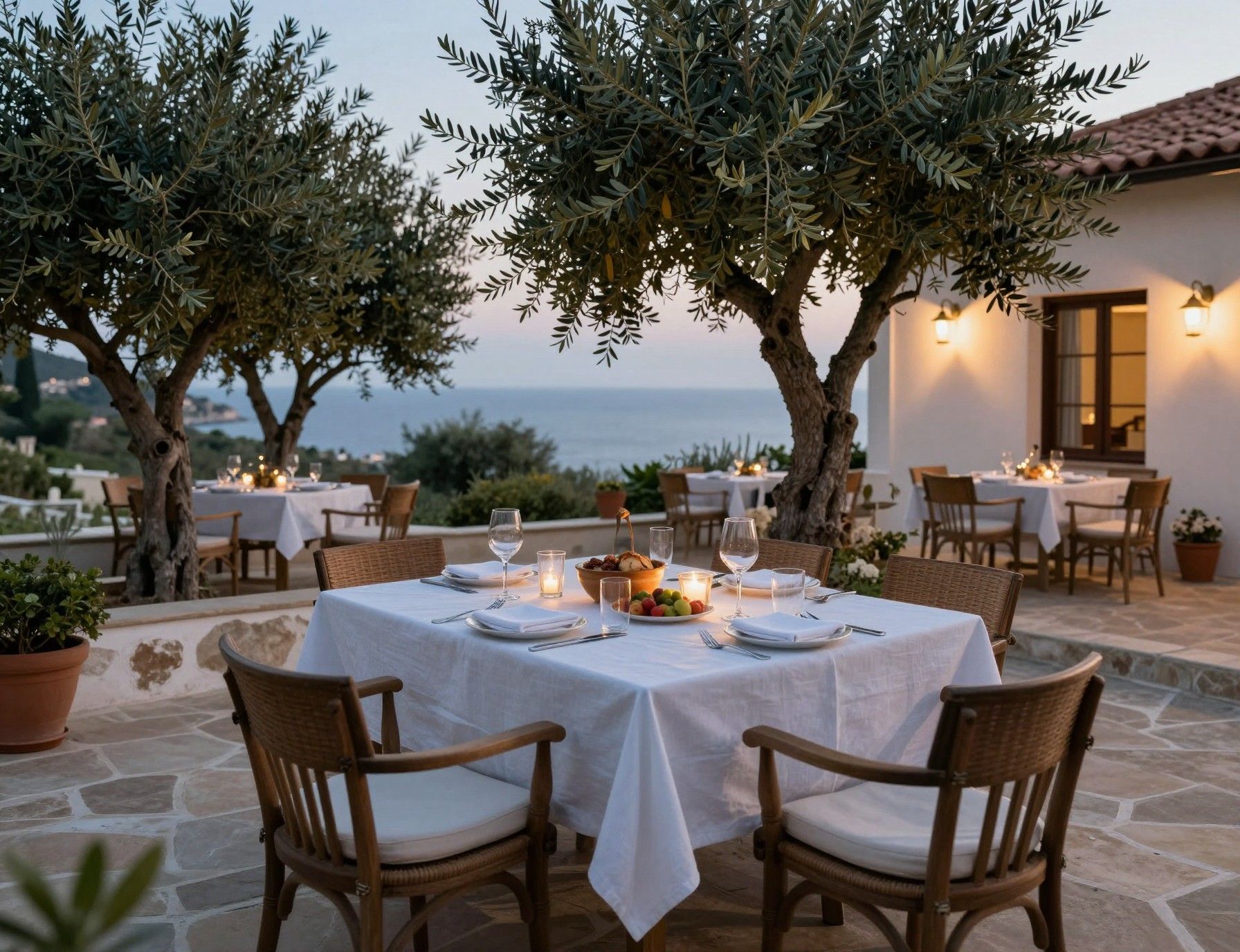
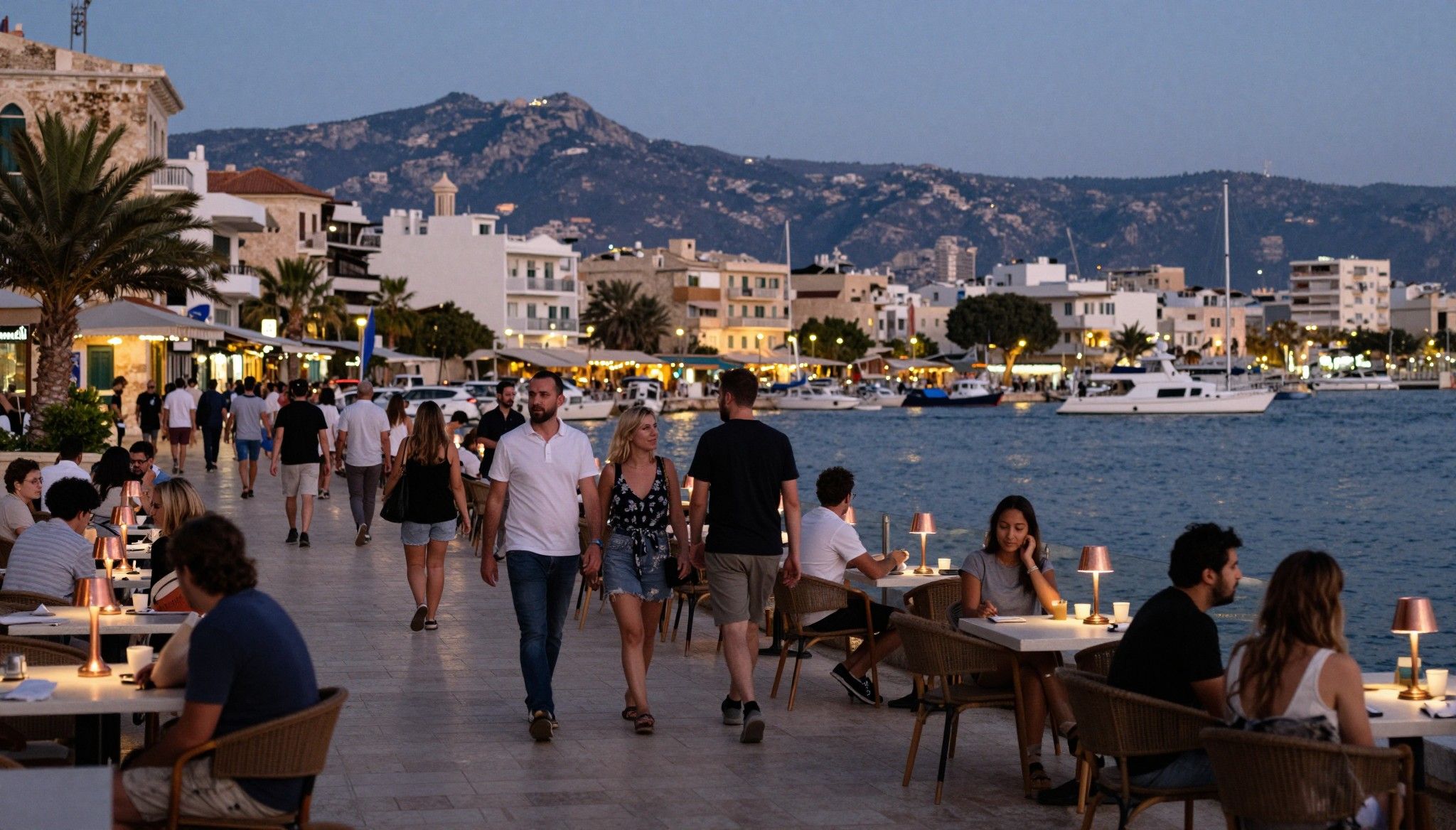
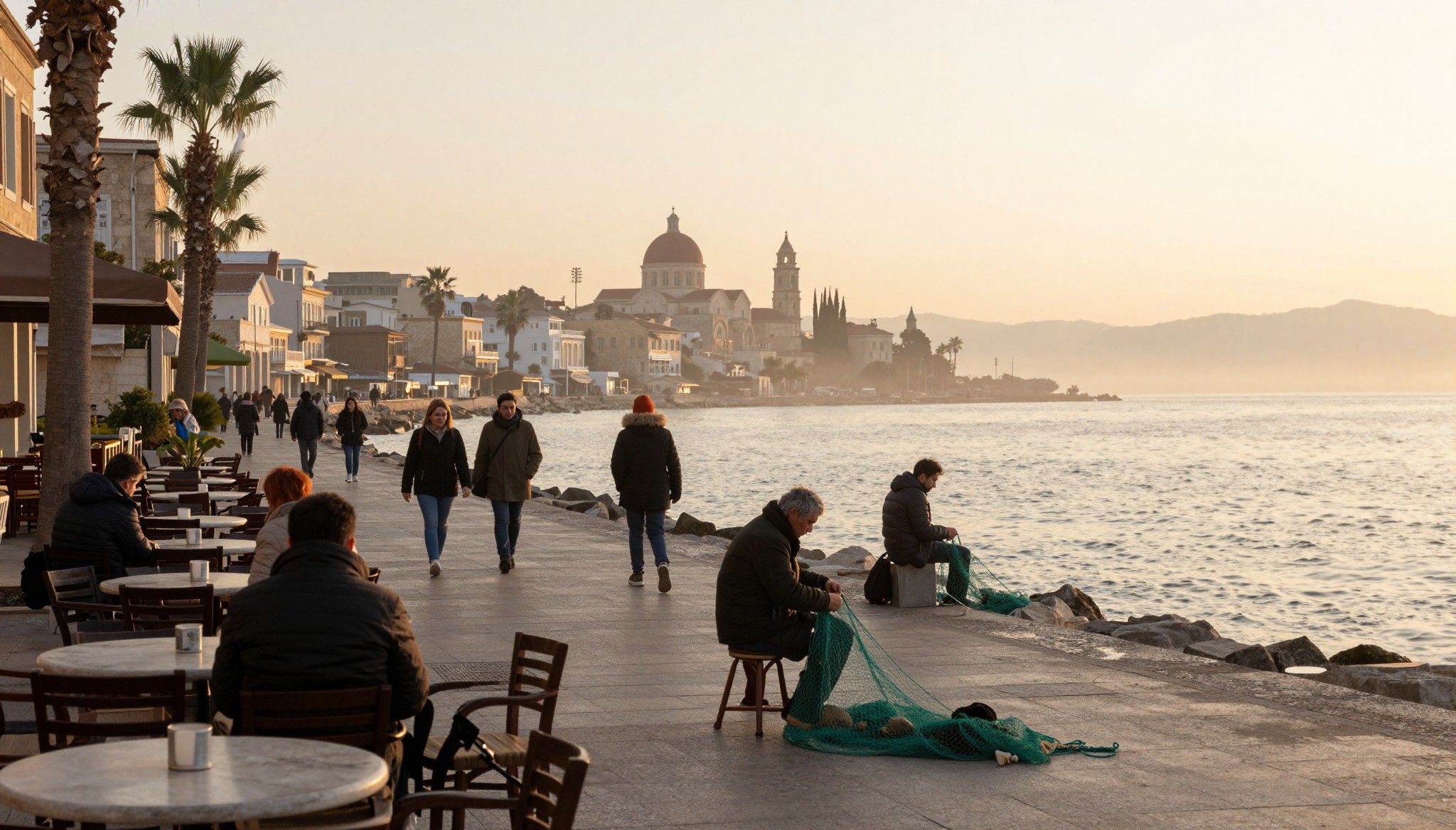
Croatia’s rhythm is coastal mornings and cooled stone alleys. In Istria, espresso is taken standing at caffès on Ulica Sergijevaca; in Split, the Riva is a promenade of late afternoons and small conversations; in Zagreb, neighbourhood life centres on bakeries and markets rather than grand boulevards. These patterns shape what people want from homes: shaded terraces, shutters that breathe with the sea breeze, and modest courtyards for evening conversation.
Neighborhood portrait: Rovinj’s narrow streets and provenance
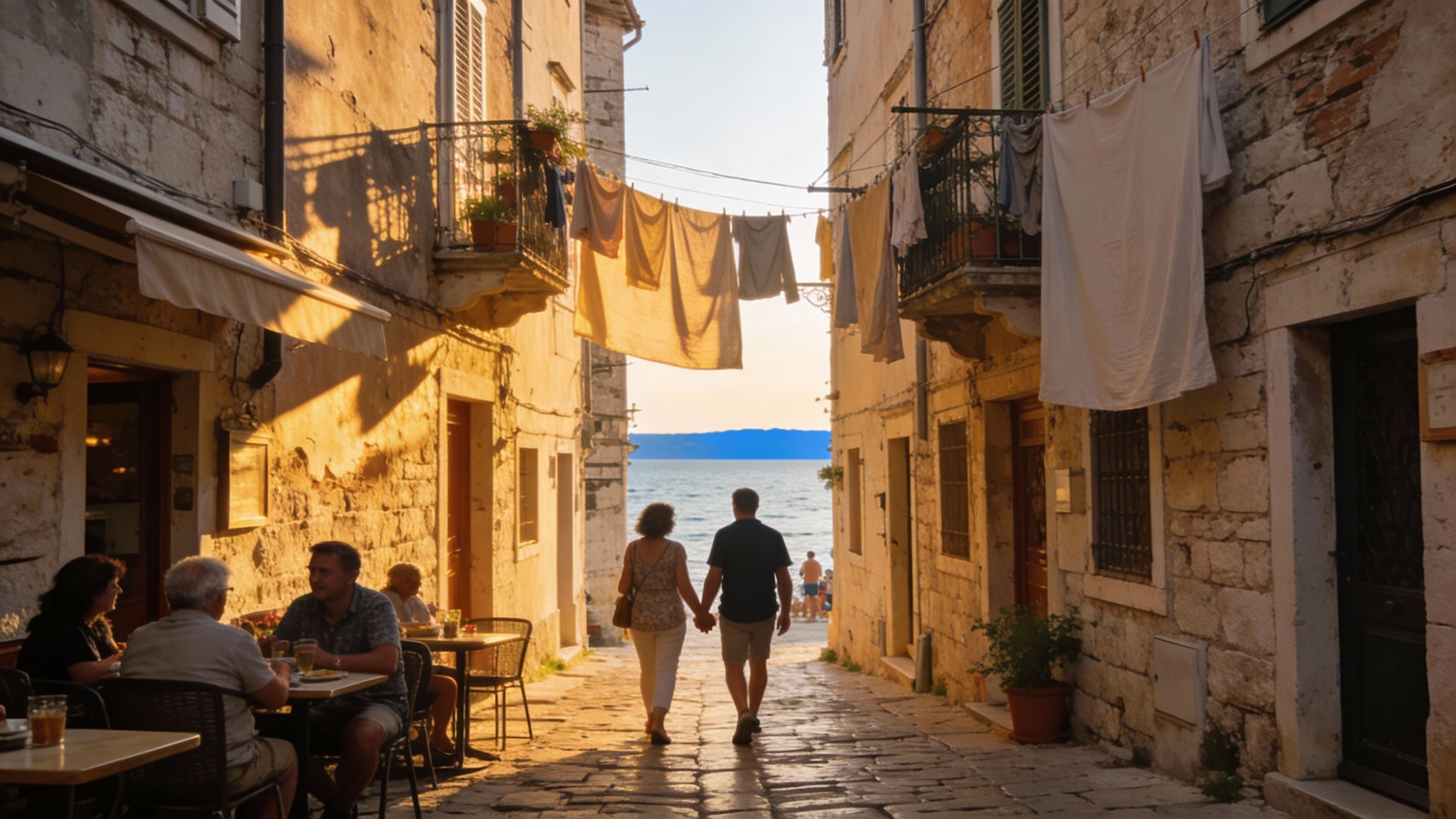
Rovinj’s old town is an exercise in provenance — stone facades, narrow lanes and vistas framed by bell towers. Residents prize continuity: small, artisan-run shops, family-run konobas and restored stone houses where restoration quality matters as much as square metres. For buyers this means an insistence on craftsmanship in contracts and a readiness to insure both structure and the specialist work that a sensitive restoration requires.
Food, markets and seasonality: how life shapes property choices
A Saturday at Dolac market in Zagreb or the fish stalls of Zadar demonstrates how daily habits determine practical choices: storage, kitchen layout, proximity to suppliers and access off-season. Many buyers choose central apartments in historic centres to be within walking distance of markets; others prefer villas with room for long-term food preservation and entertaining. These lifestyle decisions affect insurance needs — contents cover for artisan goods, business interruption for short-term let owners, and flood or storm clauses for coastal properties.
Making the move: legal reality meets lifestyle
To live the life you imagine in Croatia you must first respect legal ground rules. EU/EEA citizens enjoy near parity with Croatians; non‑EU buyers face reciprocity and may need prior consent from the Ministry of Justice. That process can take weeks to months and is well documented by Croatia’s authorities and local legal advisers, so planning and patience are part of the purchase rhythm.
Property types and how they shape protection needs
Whether you’re buying a Dalmatian stone house, a contemporary apartment on the Zagreb embankment, or an Istrian villa with vineyards, the insurance and protection strategy changes. Historic stone homes require structural and heritage-sensitive cover; modern apartments need robust building insurance and shared‑expenses clarity; coastal villas necessitate wind, flood and salt-corrosion considerations. Match the policy to the materiality and use of the home rather than to a generic property class.
How to build protection into the purchase process
1. Commission a local notary or lawyer to conduct a land‑registry (ZK) and cadastre check before signing. 2. Require clear seller warranties about encumbrances, renovations and boundary definitions in the pre‑contract. 3. Insist on an indexed escrow or notary custody to release funds only once ownership is registered. 4. Buy structural and contents insurance effective from the contract date, and add peril coverage for storms, flooding and coastal corrosion where relevant.
Insider knowledge: market shifts, taxes and what expats wish they’d known
Recent data show a coastal concentration of transactions and a notable share of foreign buyers, but policy shifts — including property tax reforms aimed at curbing short-term rental speculation — can alter holding costs and rental strategies. Buyers who treat the purchase as a lifestyle commitment rather than purely as a short-term investment tend to avoid churn and secure better long-term protection for their homes.
Cultural cautions and practical habits expats often overlook
Language, informal neighbourhood rules and the cadence of local maintenance matter. A neighbour’s right of way, customary maintenance of shared roofs in stone towns, or seasonal municipal works can affect use and insurance claims. Engage an agency or lawyer who understands these customs so contracts reflect local practice and your insurance covers customary liabilities.
Practical protection checklist for Croatian properties
Verify ZK entry and encumbrances with the land registry. Confirm Ministry of Justice consent if you are a non‑EU/EEA buyer. Buy structural, contents and liability insurance from contract date. Add storm, flood and salt‑corrosion endorsements for coastal houses. Use escrow or notary custody for deposits and final payments. Ask for a professional condition survey and include repair warranties in the contract.
Anecdotally, buyers who arrive in spring and spend a month living locally — renting in the neighbourhood they intend to buy — avoid the most common regrets. They discover which alleys collect summer noise, where the morning light falls in winter, and whether a sea view carries traffic or quiet. These observations inform both the insurance choices you make and the contractual protections you insist upon.
Working with agencies: what to ask for when protection matters
Request agency assistance for: 1) trusted local legal partners for land‑registry and Ministry consent work; 2) introductions to reputable surveyors and specialist restorers; 3) advice on insurance brokers who understand coastal risks; 4) a written risk register for the property that becomes part of the purchase documentation.
As you settle into Croatia, the property transforms from an asset into a place of ritual: morning markets, late dinners, neighbours who remember names. Protecting that life means combining careful legal steps with a bespoke insurance programme and local expertise. If you value provenance and continuity, treat protection as an act of stewardship rather than a cost.
If you would like, we can connect you with vetted Croatian legal and insurance partners who specialise in coastal properties and historical restorations — a practical next step that preserves the life you imagine while ensuring the legal and financial architecture behind it is sound.
Dutch former researcher who moved to Lisbon, specialising in investment strategy, heritage preservation, and cross-border portfolio stewardship.