Insure the Life You’ll Live in Cyprus
Think of insurance as lifestyle protection in Cyprus: match rebuild values, short‑let liability and local risks to preserve both value and the everyday pleasures of island life.

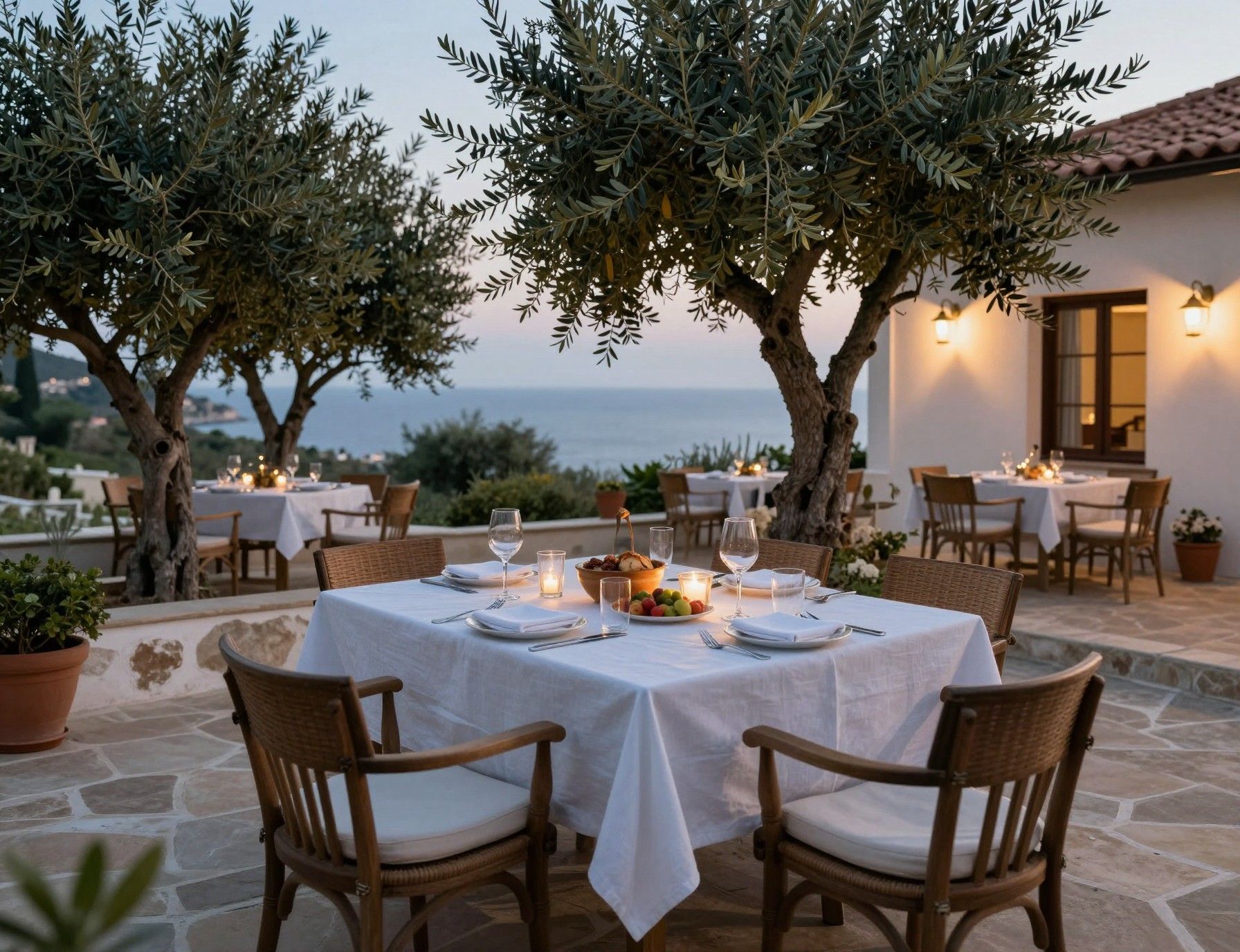
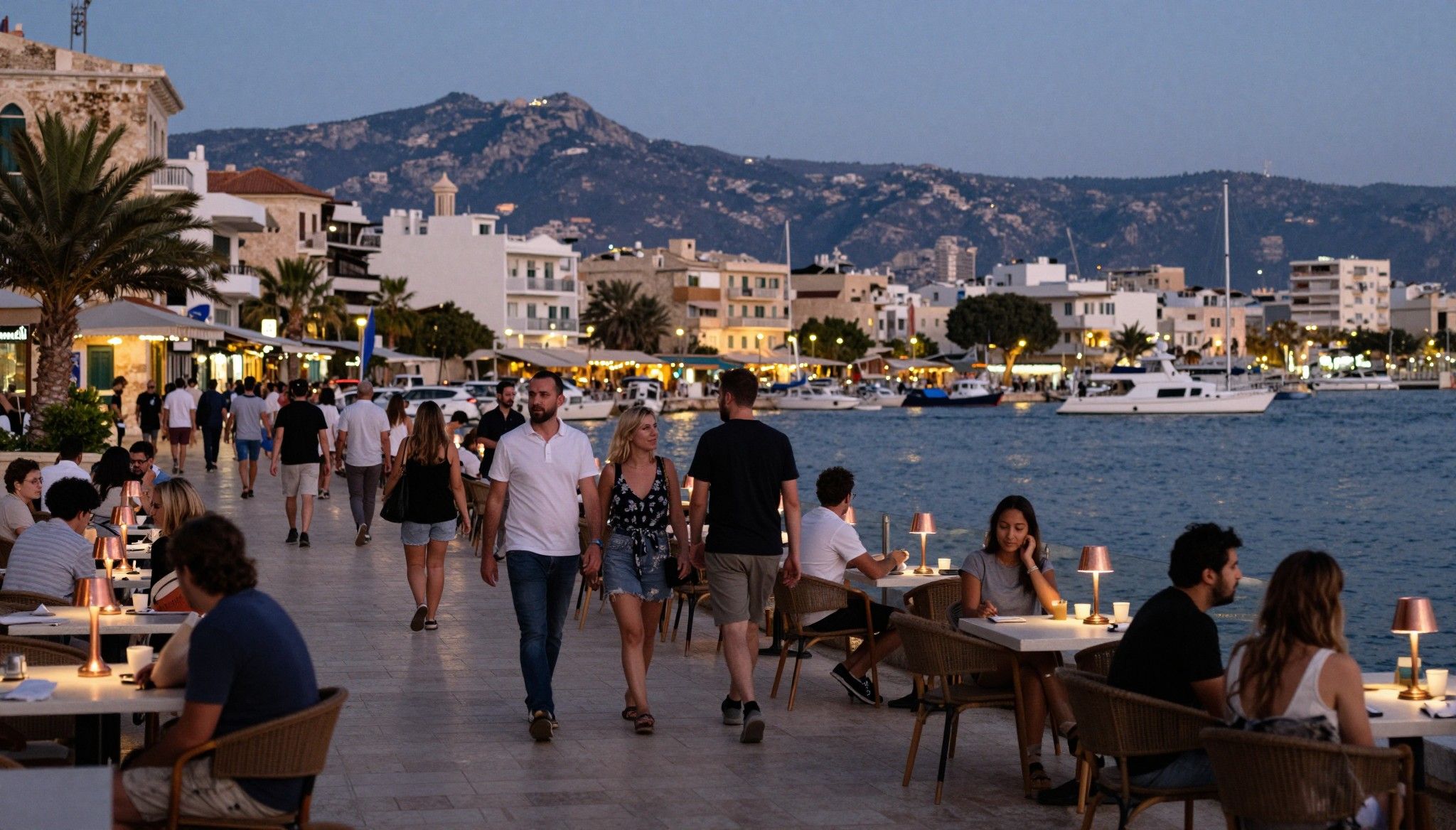
Imagine an evening on Limassol's Molos promenade: a sea breeze, children chasing pigeons past a café terrace, and a low, reassuring hum of conversation in Greek and English. That ease — living where neighbourhood rhythms are local and winter storms are occasional rather than existential — is exactly what insurance and buyer protection should preserve. Yet many international buyers treat insurance as a formality: a box checked to placate a bank. In Cyprus, where prices have remained resilient and weather-related risks (including seismic exposure) are real, thinking of insurance as lifestyle protection rather than paperwork changes both outcomes and costs.
Living Cyprus: the everyday that insurance must protect
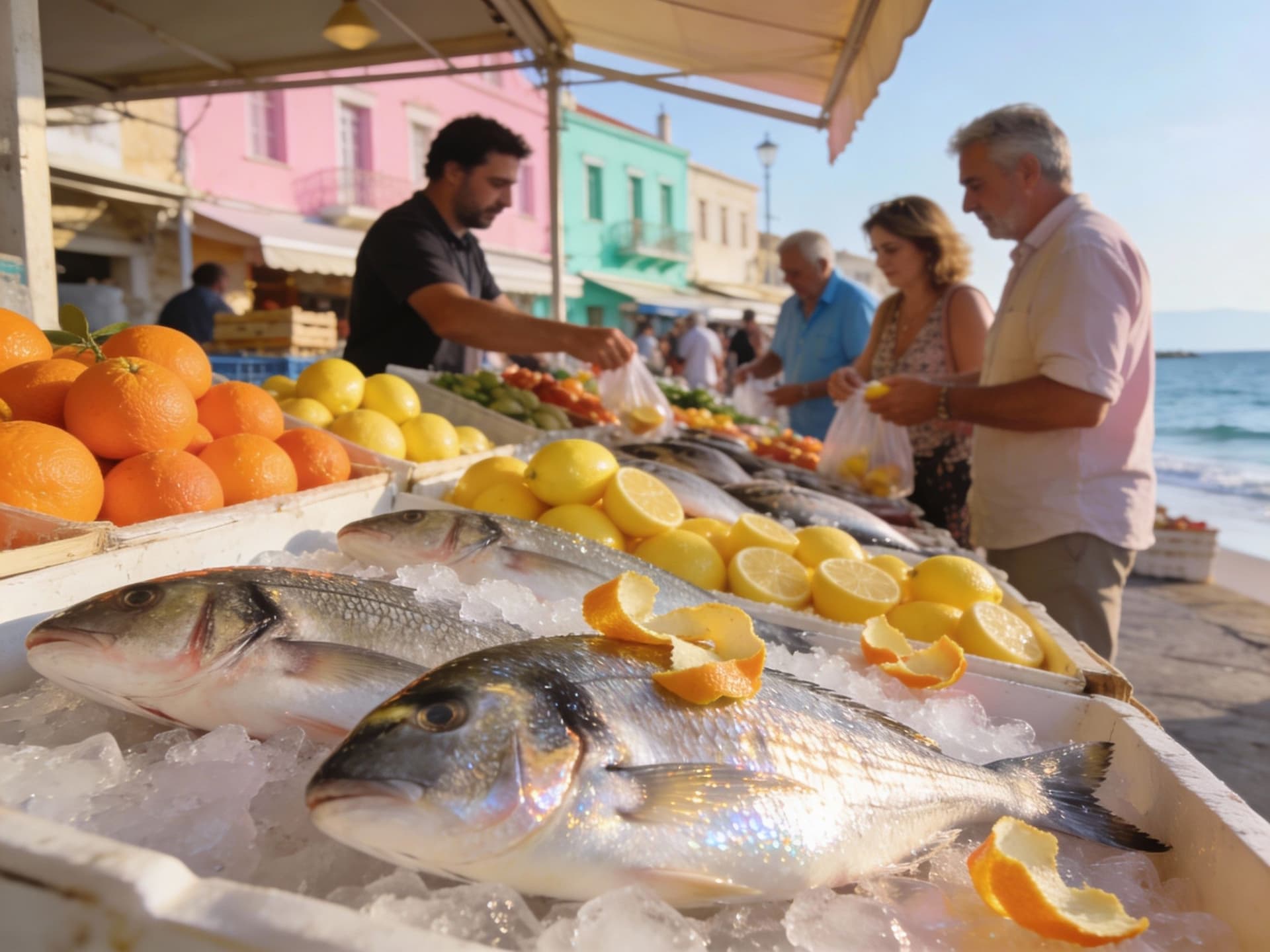
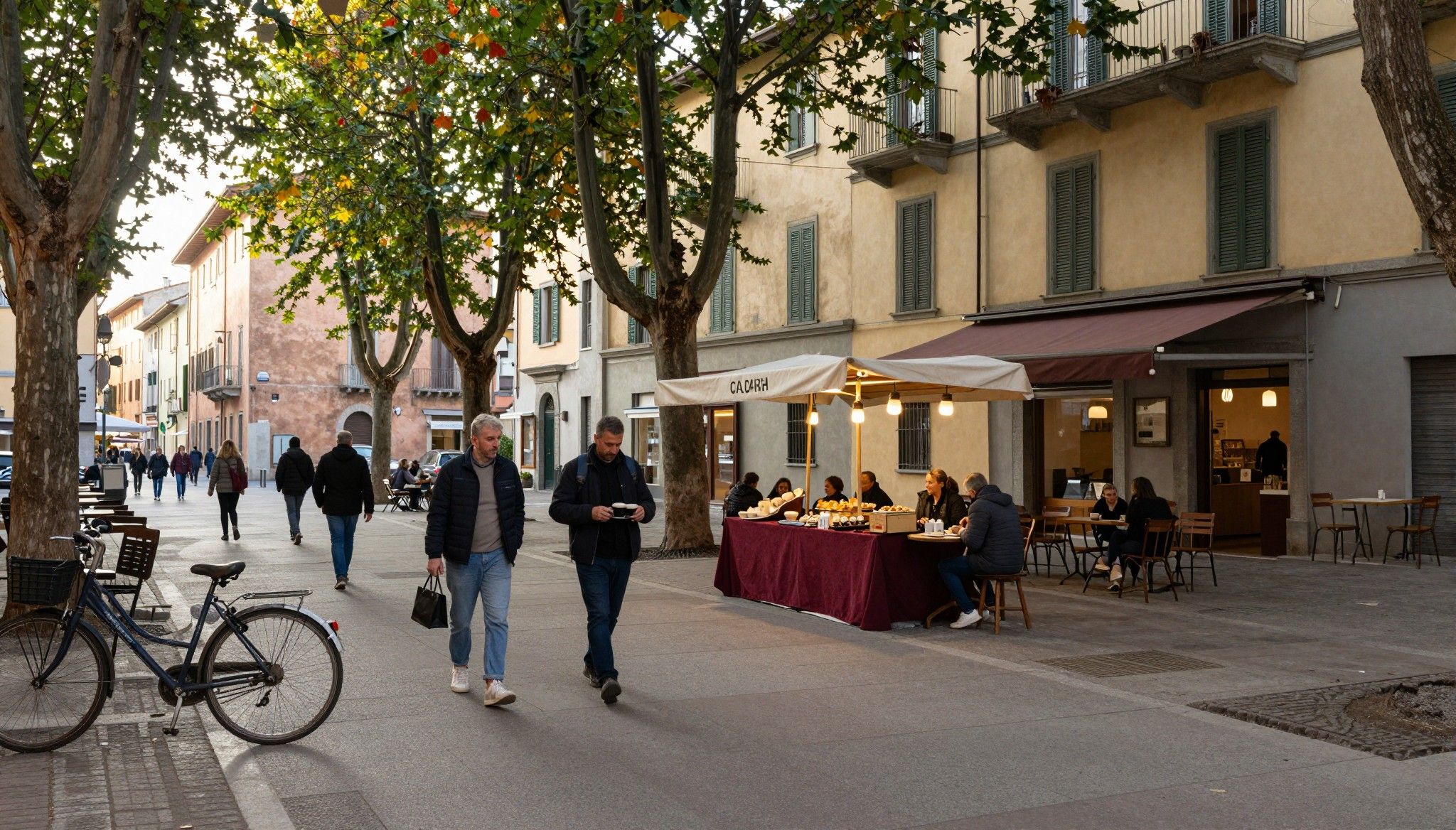
Cyprus rewards the small rituals: early espresso at Nicosia’s Ledra Street, Saturday fish markets at Larnaca Marina, barbecues among carob trees in the Troodos foothills. These are the scenes that become vulnerable when a roof is damaged, a pool pump fails, or a short‑let guest slips on a wet terrace. For buyers arriving from northern Europe or North America, the island’s mix of Mediterranean calm and occasional natural shocks means insurance should be bespoke, tied not only to rebuild cost but to how you intend to use the house — primary home, holiday refuge, or income property.
Neighbourhood character: where lifestyle and risk meet
Limassol’s seafront villas demand cover for salt exposure and terrace wear; Paphos’s hillside homes require attention to drainage and subsidence; traditional stone houses in Lefkara call for specialist reinstatement terms to honour heritage materials. Choosing a policy that understands these local nuances protects both value and experience. Insurers and brokers who work across districts can point to past claims patterns and advise which optional covers are genuinely useful versus cosmetic add‑ons.
Food, weather and seasons: small details that matter in cover
Picture a summer rental on Fig Tree Bay: morning market trips, evening al fresco suppers, months of tenant turnover. These rhythms create distinct exposures — higher liability risk, accelerated wear, and longer vacant periods between bookings. Policies for holiday lets must therefore include public liability and loss-of-rent cover; for full‑time residences, accidental damage and cover for outbuildings and pools become more important. Seasonal living alters not just the premium, but the clauses you should read closely.
- Lifestyle highlights worth insuring for: • Molos (Limassol) promenade terraces — salt and terrace wear cover • Larnaca Marina apartments — flood and communal area liabilities • Paphos hillside villas — subsidence and drainage endorsements • Troodos mountain houses — freeze, snow-load and heritage materials cover • Short‑let properties — public liability, loss of rent and guest injury cover
Making the move: practical insurance and protection steps

The Cyprus housing market has shown steady price growth in recent quarters, increasing the stakes for underinsurance. The Central Bank’s Residential Property Price Index noted annual rises across districts, which means that rebuild costs and replacement values can change more quickly than you expect. Translating lifestyle into sums insured — that is, calculating a rebuild value that reflects local labour and material costs — is a first practical step every buyer should take before signing a mortgage.
Property types and their insurance implications
A stone‑built farmhouse requires specialist reinstatement cover and material costs distinct from a new concrete villa with a pool. Apartments typically share communal cover for building envelope risks, but contents and personal liability remain individual responsibilities. Industry guides note typical annual premiums and recommend basing sums insured on rebuild value, not market price — a practical distinction that protects against being underinsured after a claim.
Working with local experts who understand both life and law
- Steps to align insurance with the life you plan: 1. Commission a local rebuild-cost valuation and record specialist fixtures (tiles, lime plaster, artisan woodwork). 2. Insist on building cover that names natural perils relevant to Cyprus (earthquake, storm, flood) and confirms pool/solar panel inclusion. 3. Add public liability and short‑let endorsements if you plan to rent; request loss‑of‑rent cover for holiday seasons. 4. Compare bank‑arranged policies with independent broker quotations; banks often offer minimal cover tied to the loan rather than reinstatement cost. 5. Review exclusions carefully — some policies exclude wear, subsidence caused by poor drainage, or certain restoration materials.
Insider knowledge: what expats often miss until it matters
Expats repeatedly tell the same story: a small claim reveals a surprising exclusion, or a holiday‑let guest prompts a liability issue that the policy did not clearly cover. Learning to read the policy with a local adviser — and to translate clauses into everyday scenarios — is how you avoid those moments. The island’s long heritage buildings also require an appreciation of conservation practices: replacing a traditional roof with modern materials might reduce insurance validity for heritage claims.
Cultural and legal nuances that shape protection choices
Cyprus’ bilingual administration and English‑friendly insurers make procedures accessible, but legal practice around title deeds, joint ownership and co‑ops can be unfamiliar. For example, ensuring the Land Registry entry and 'title deed' status is clear before insuring reduces disputes should a claim hinge on ownership. Local solicitors and agencies are indispensable in translating registry status into insurable interest.
- Common expat red flags and quick remedies: • Bank policy tied only to outstanding loan — get a separate reinstatement policy. • Underestimated rebuild sums — commission a local valuer and update yearly. • Short‑let without liability cover — add public liability and guest injury clauses. • Heritage materials excluded — find a specialist insurer for restoration work. • Vague vacancy definitions — clarify how long a property can be empty before cover lapses.
Before you sign the contract: treat insurance as a negotiation point, not an afterthought. Ask your lawyer to check mortgage terms for insurance obligations, request sample policy wordings from prospective banks, and require any seller disclosures about past claims or subsidence. An insurer’s local claims service quality — how fast they mobilise contractors and agree replacements — matters more than a small premium difference.
Conclusion: buy the life, insure the life. Cyprus offers a particular quality of living — coastal rituals, village markets, quiet afternoons beneath bougainvillea — and those everyday pleasures are what good insurance preserves. Start with a rebuild valuation, match policy wording to your use (resident, holiday, let), and work with a local broker and solicitor who understand both the island’s rhythms and its regulations. When protection reflects the life you intend to live, you gain not only a policy but the confidence to savour the place you chose.
Norwegian with years in Florence guiding clients across borders. I bridge Oslo and Tuscany, focusing on legal navigation, cultural context, and enduring craftsmanship.