Insure the Life: Protection Strategies for Cyprus Buyers
Live Cyprus fully — then protect it. Practical insurance, title clarity and local expertise keep your seaside mornings intact while market data guides prudent buyers.

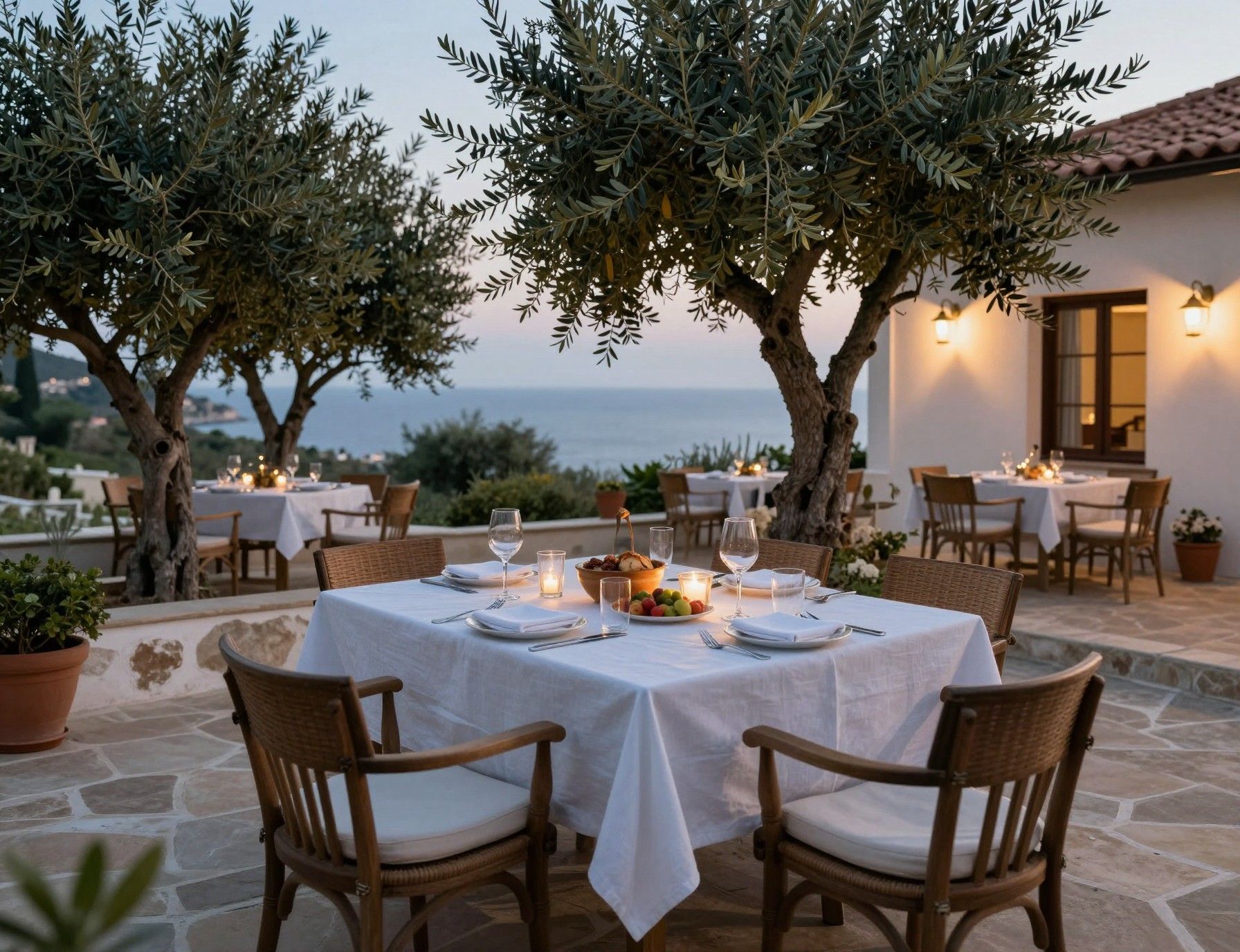
Imagine waking on a soft, bright morning in Limassol: the coffee steam rising beside a shaded courtyard of bougainvillea, the harbor’s reed‑throated gulls in the distance and a neighbour heading to the bakery on Anexartisias Street. That light, the cadence of daily markets in Larnaca and the slow rituals of mountain villages near Troodos are the reasons people come to Cyprus. Yet beneath the sunlit brochure lies a question every discerning buyer asks: how do I protect this particular life — my house, my income, my peace of mind — once I sign the papers?
Living the Cyprus life: textures, rhythms and where to look
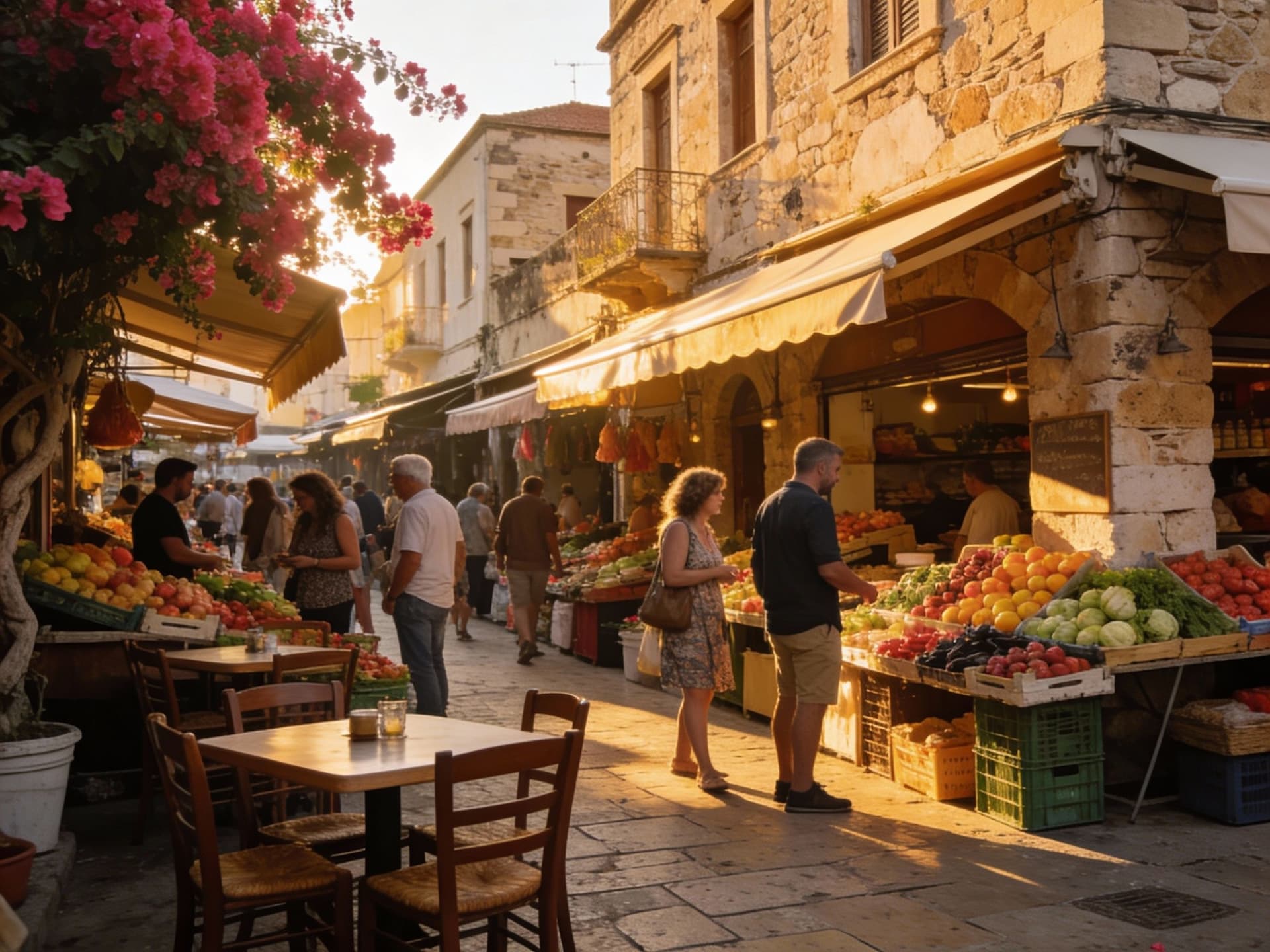
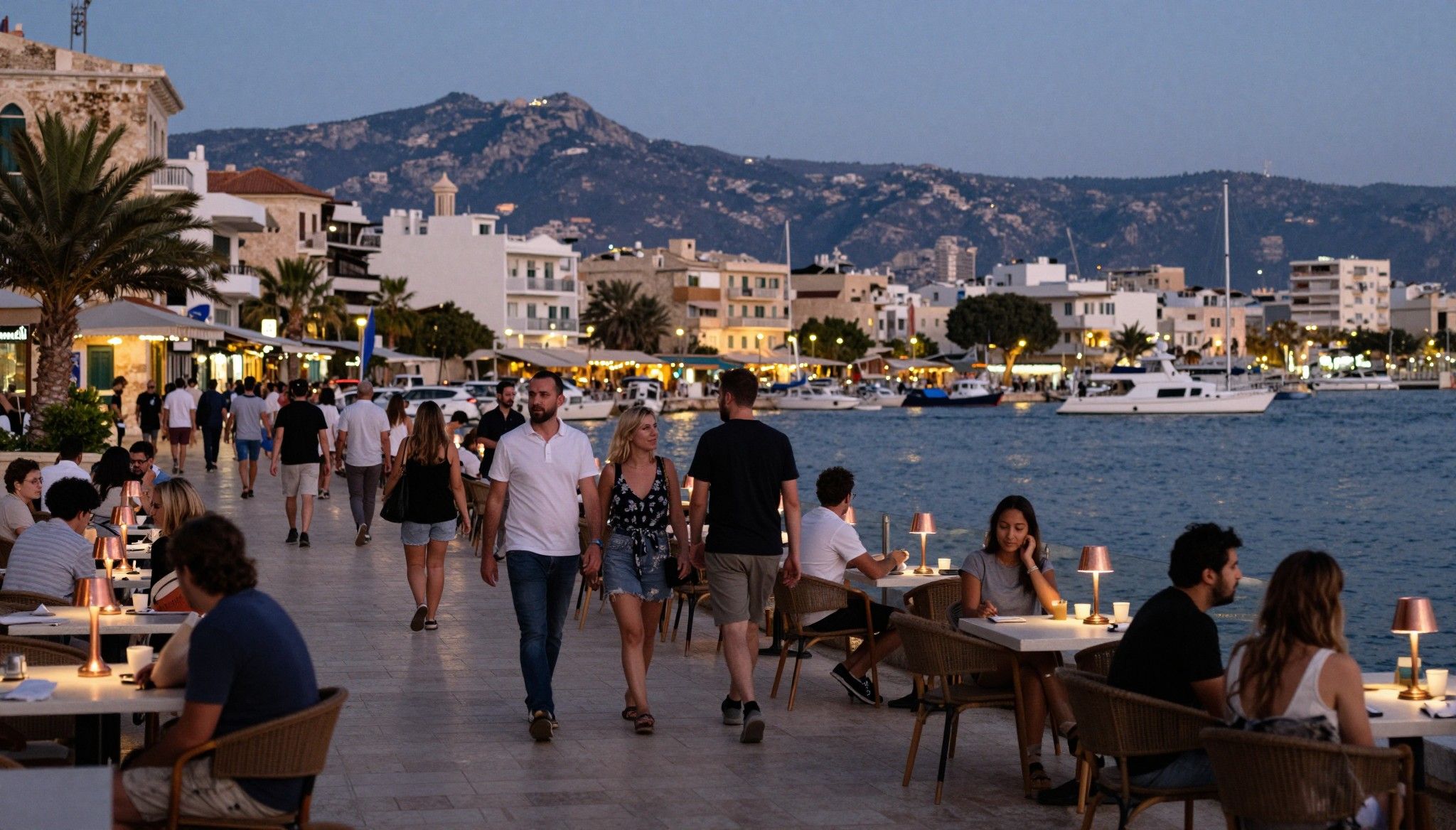
Cyprus lives in contrasts. Limassol is maritime confidence — promenades, contemporary apartments with private lifts and the occasional restored colonial townhouse. Nicosia holds quieter afternoons between sandstone façades and private courtyards. Paphos rewards those who prefer coastal calm and village markets, while the interior villages around Troodos offer timber beams, stone floors and a slower calendar measured in church festivals and olive harvests. For buyers, each setting implies a different protection strategy: coastal salt, cliff erosion, or mountain snow all change what insurance covers and what an estate lawyer insists on.
Limassol: harbour life and modern build considerations
Picture a terrace apartment on the Molos promenade: glass doors that open to sea breezes, engineered oak floors and a concierge key. These properties are desirable, but proximity to the sea raises practical vulnerabilities — accelerated corrosion, higher wind exposure and, in some low pockets, rising ground water. For such addresses, buyers should favour policies that specify cover for salt corrosion, storm damage and loss of rental income if short‑term lets are interrupted.
Troodos and Paphos: stone cottages and seasonal rhythms
In mountain villages the virtues are quiet nights and thick walls, but roofs take snow and timber needs regular attention. In Paphos coastal villas, winter storms and spring swell are the calendar items that matter. When you choose a traditional stone house, prioritise insurers who understand restoration costs for historic materials rather than just the replacement value of contemporary finishes.
- Lifestyle highlights that shape insurance needs: Limassol promenade cafés; Anexartisias shopping; Pissouri bay sailing; Troodos mountain festivals; Larnaca salt lake birdwatching; Paphos archaeological walks.
Making the move: practical protection woven into the dream

The market is steady rather than breathless: official indices show modest annual rises around the low single digits in recent quarters, reflecting regional variation between Limassol, Paphos and Nicosia. These conditions favour careful buyers who prioritise preservation — not speculation. Before exchange of contracts, make insurance and buyer protection a condition of purchase. That means documented surveys, agreed cover levels and a contingency for delayed title deed transfer.
Property types and what insurance must cover
New developments often include structural warranties and building‑insurance frameworks; older homes require policies that recognise heritage materials and sometimes higher reinstatement costs. For apartments, check the building’s master policy and the syndicate’s solvency — you need clarity whether the block’s policy covers common areas, façade repairs and liability for neighbouring flats.
How local experts protect the life you expect
- 1. Instruct a Cyprus‑registered lawyer to include an insurance and survey clause in the reservation agreement. 2. Commission a structural and asbestos report where relevant (older properties often conceal legacy materials). 3. Require proof of the vendor’s title deed chain and a written timetable for deed transfer; tie penalty clauses to long delays. 4. Secure a buildings and contents policy that covers natural perils relevant to the micro‑location (coastal, hillside, mountain). 5. Add a loss‑of‑rent clause if you plan short lets; ensure the policy covers professional management and tenant damage. 6. Consider a legal expenses policy to cover contract disputes, boundary issues and inheritance claims.
Insider knowledge: expat lessons and legal realities
Long‑term residents often tell the same story: buy for neighbourhood life rather than headline square‑metre figures. Expats who treated insurance and title clarity as an afterthought learned costly lessons when storms exposed roofing defects or when title deeds remained untransferred for months. Market data confirms modest but consistent price movement — a reason to insure well rather than rush.
Cultural and procedural quirks that change how you insure
Cyprus retains procedural particularities: the pace of public registry work, the role of the notary‑lawyer and sometimes protracted title deed transfers. These affect risk exposure between contract and registration. It is common to require the seller to maintain full insurance until title passes; equally common is for buyers to begin a contents policy on exchange. Discuss expectations plainly and document them.
- Red flags experienced buyers watch for: absent recent structural surveys; unclear syndicate insurance in apartment blocks; sea‑facing properties without salt or storm cover; vendors unable to produce a complete deed chain; excessively low replacement sums in quotes.
Practical tip: always ask for a policy wording excerpt, not only a summary. Wording reveals exclusions — for example, subsidence, coastal erosion, or damage from unauthorised works. If the property is in a conservation area, verify that the insurer understands the cost of reinstating artisan stonework or traditional roof tiles.
Longer view: tax, residency and protecting income
Residence choices — and whether you use Cyprus’s non‑dom provisions — affect how you structure rental income, transfer pricing and estate planning. Practical protection includes insuring rental income, structuring tenancy agreements that require tenant's liability cover, and discussing inheritance implications with a Cyprus lawyer. Non‑dom status can affect net yield calculations; fold that into your risk modelling before purchase.
- 1. Obtain an independent replacement‑cost valuation rather than relying on market valuation alone. 2. Require the vendor to provide proof of any warranties for new works and a schedule of maintenance for older properties. 3. Ensure your insurer recognises loss‑of‑rent claims for short‑term lettings if you intend Airbnb or seasonal rental use. 4. Add legal expenses cover to the policy package to guard against boundary disputes or succession claims. 5. Review policy renewal terms annually, timed to local seasons (post‑storm season) to ensure sums insured keep pace with repair costs.
Conclusion: Cyprus rewards those who come for the way of life and stay for the details. The market’s steady trajectory — supported by official indices — means buyers need not rush, but they should be methodical. Treat protection as part of the purchase: clear title, bespoke insurances, and clauses that keep the vendor responsible until registration will preserve both the light of those mornings and the investment that bought them.
Norwegian with years in Florence guiding clients across borders. I bridge Oslo and Tuscany, focusing on legal navigation, cultural context, and enduring craftsmanship.