Protecting the Life You Buy in Croatia
A lifestyle-led guide to insuring Croatian homes: match cover to stonework, seasonality and rental use; commission local valuations and bilingual policies.
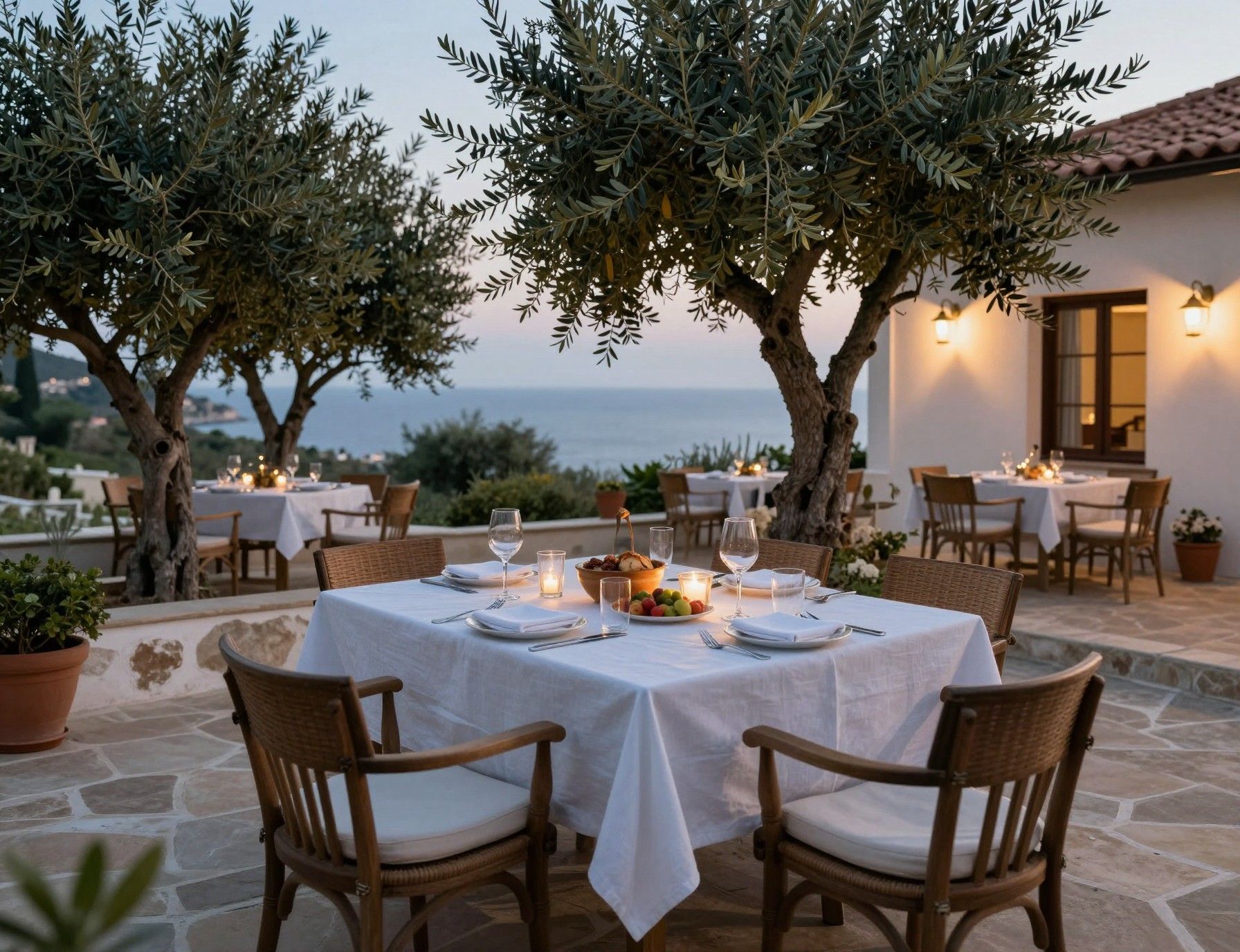
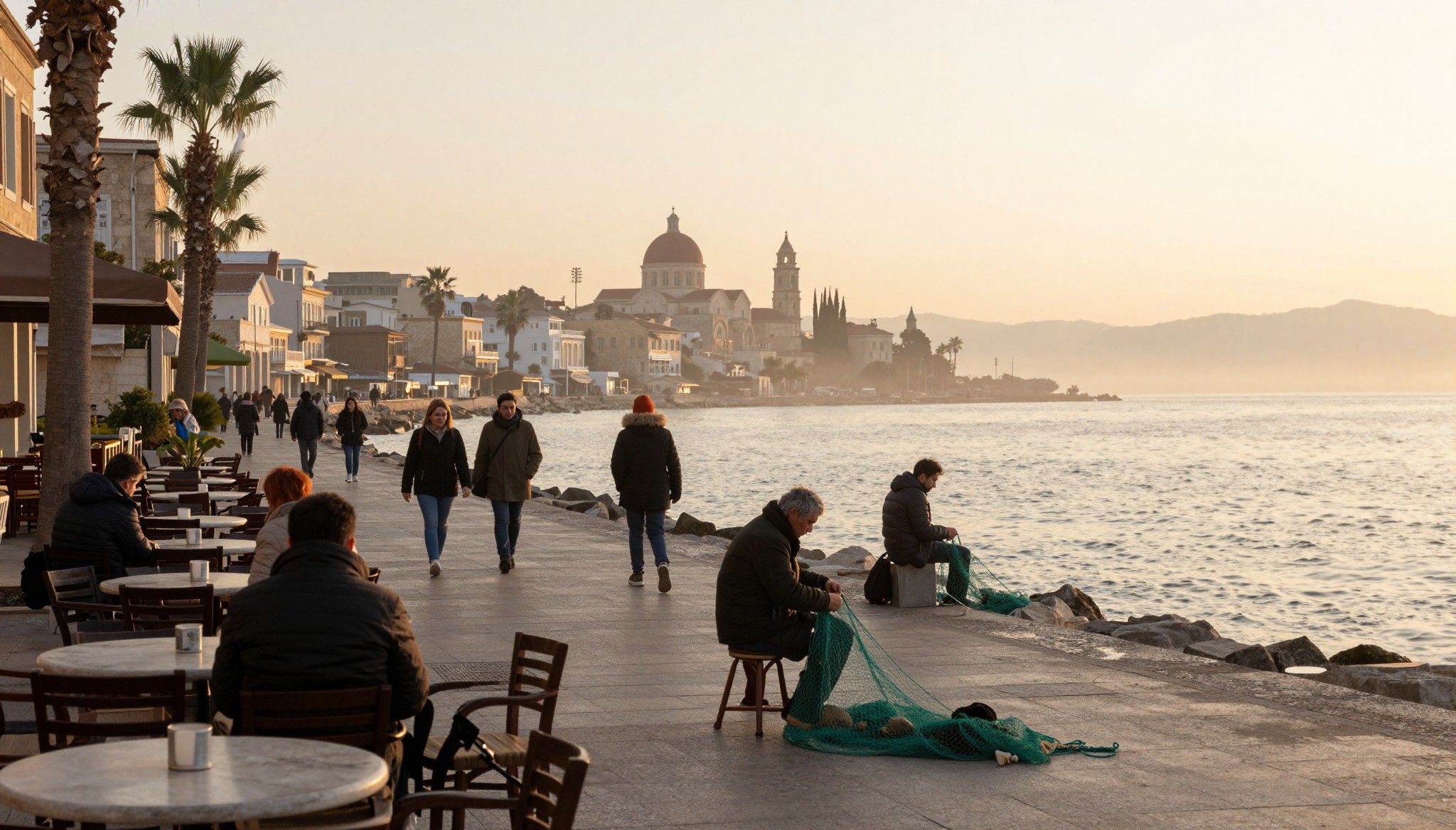
Imagine a late-spring morning in Hvar: espresso pulled at 8 a.m., fishermen’s nets drying in the square, cicadas warming the stone walls. You can picture a terrace with pergola-shaded grapevines and a narrow lane that opens, unexpectedly, onto a quiet crescent of Adriatic sea. For many international buyers that scene is the promise of Croatia—but between the poetry of place and the purchase contract lies a narrower, less romantic necessity: protection. This guide pairs that lived-in palette—neighbourhood rituals, market cafés, and seasonal tides—with the practical insurance and buyer-protection steps you need to keep the life you imagine intact.
Living the Croatia life
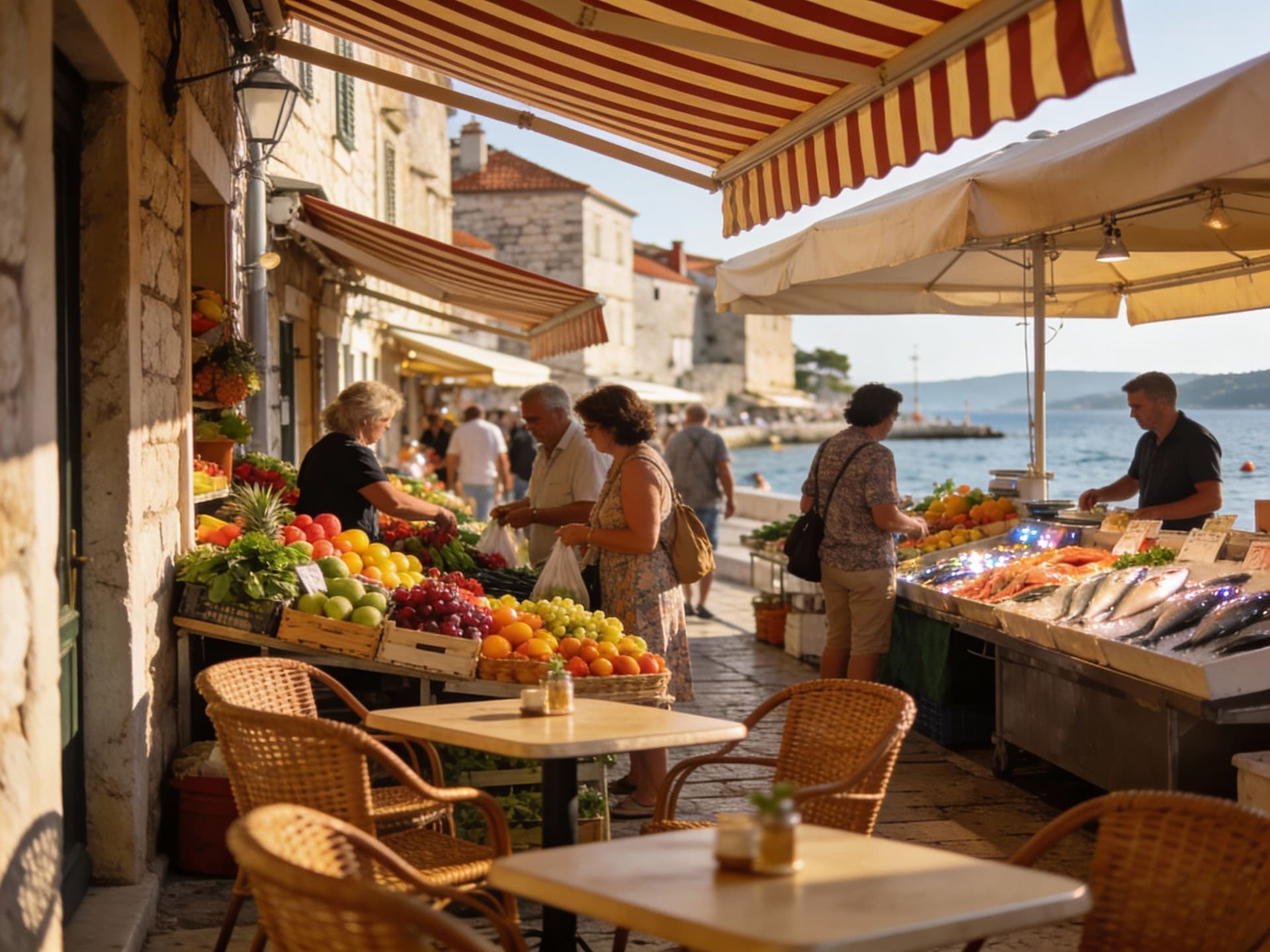
Croatia’s appeal is tactile: sun-washed limestone in Split’s Diocletian quarter, the slow coffee culture of Zagreb’s Tkalčićeva, and a coastline where each island retains a village rhythm. Daily life alternates between market runs and seaside afternoons; neighbourhoods are defined by piazzas and family-run konobas rather than anonymous retail. That rhythm determines what protection you’ll need — a stone townhouse on Korčula requires different cover than a modern apartment in Zagreb’s Donji Grad. Think in terms of use: permanent home, seasonal retreat, or a property that will sit in a short‑let market for part of the year.
Neighborhoods that shape the day
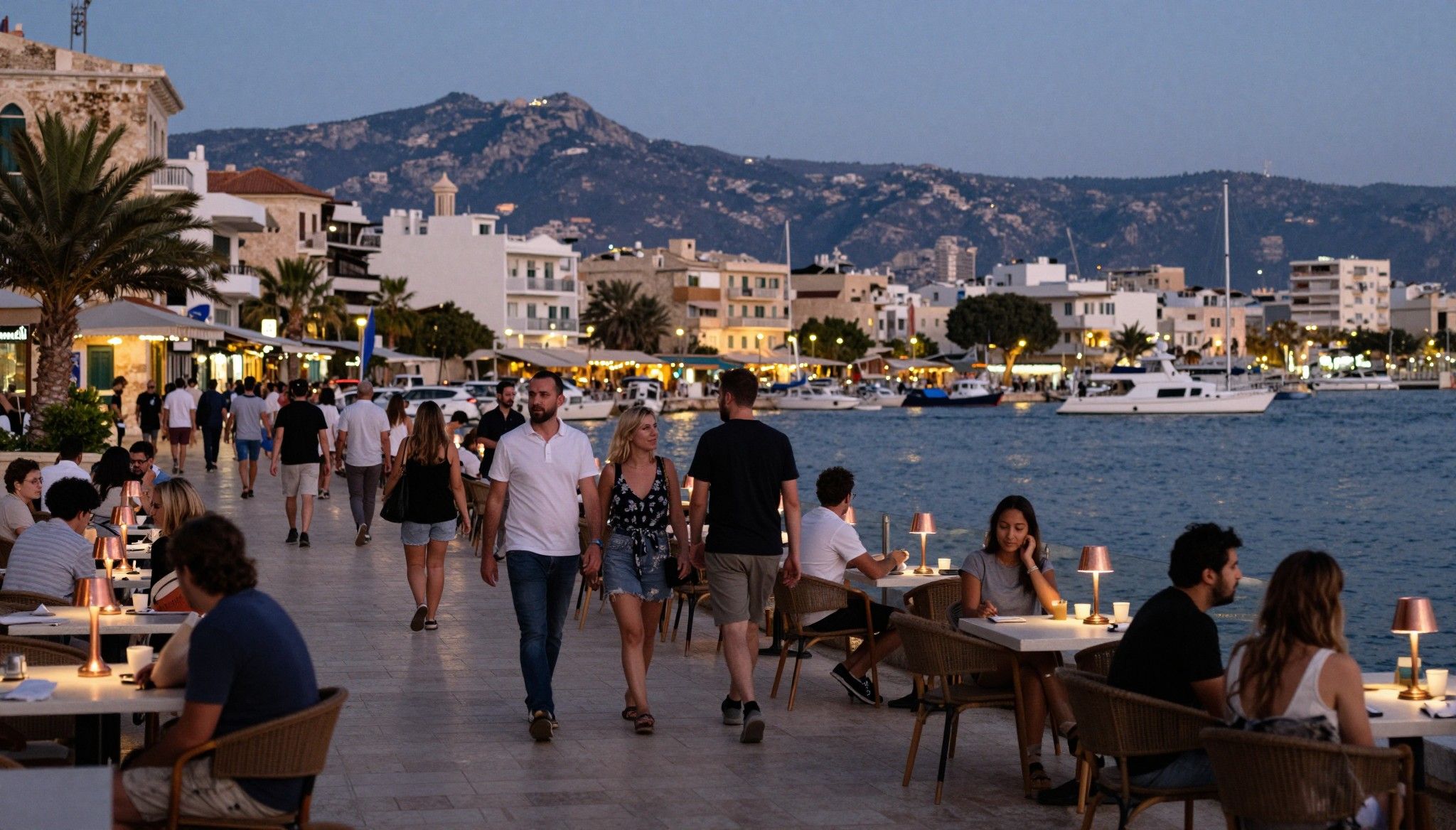
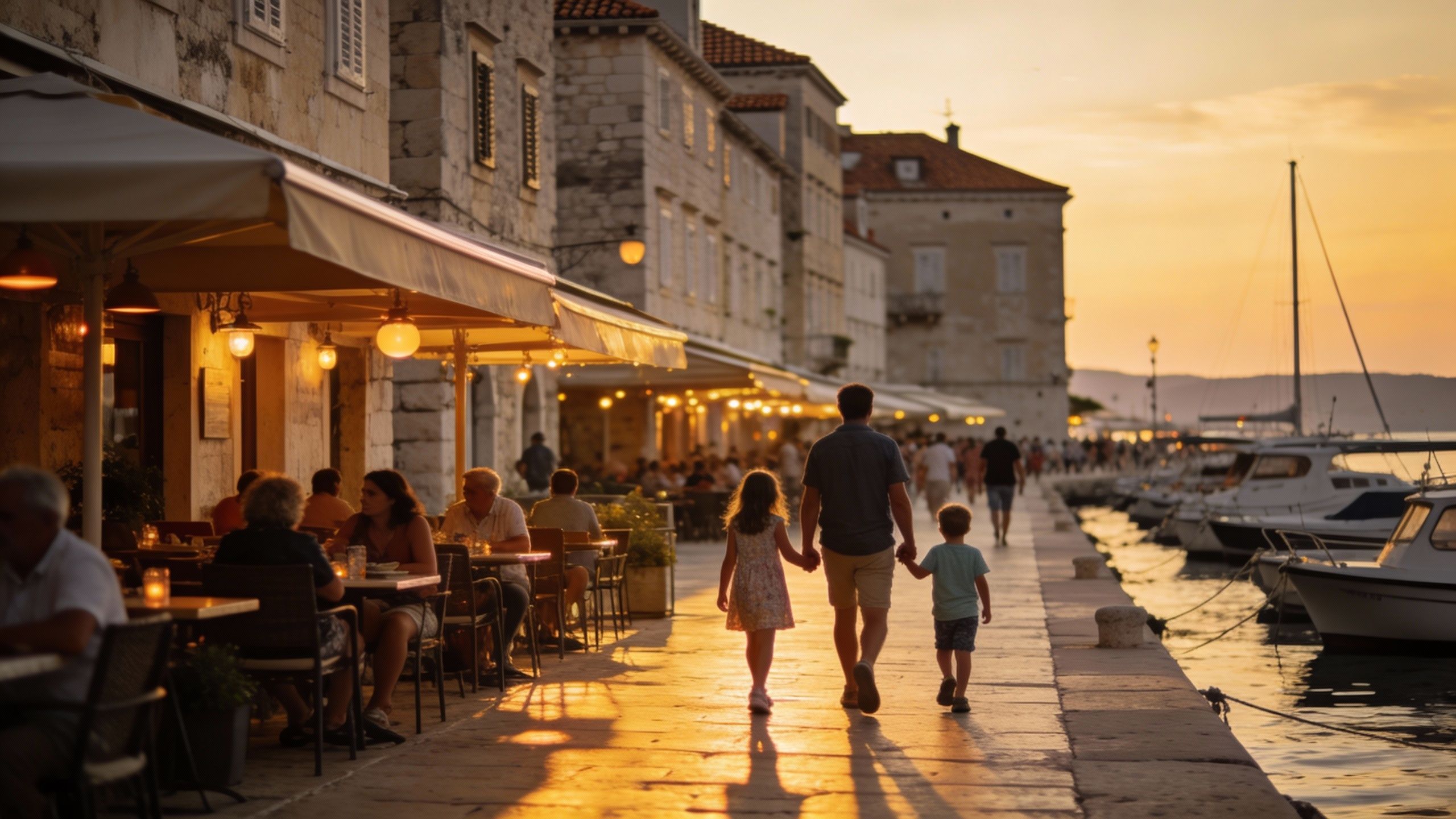
If you stroll from Zagreb’s Ban Jelačić Square toward the leafy lanes of Gornji Grad you feel the city’s measured temperament; in Split, Riva promenades and hidden courtyards host evening rituals that define apartment demand; Istria’s hill towns like Motovun attract buyers who prize truffle-season sociability and stonework provenance. Each of these micro-cultures implies distinct insurance priorities—historic façades need heritage-sensitive restoration cover, coastal villas require storm and salt-damage clauses, and rental-focused city apartments benefit from liability and contents protection tailored to short-term guests.
Food, markets and the calendar that matters
Weekends in Croatia are anchored by markets and tavernas: Dolac in Zagreb for produce, Split’s fish market at the Riva at dawn, and Šibenik’s seafood stalls after a morning swim. These patterns alter occupancy and wear: seasonal properties face months of vacancy that change risk profiles, while houses near markets see heavier footfall and different security needs. Recognising the seasonal pulse—truffle season in Istria, summer tourism along Dalmatia—lets you design insurance and management arrangements that reflect real use, not idealised occupancy.
- Lifestyle highlights to guide protection choices: • Morning espresso on Tkalčićeva — consider theft and contents cover for urban flats • Afternoon swim at Zlatni Rat (Brač) — check nautical exposure and coastal erosion clauses • Truffle foraging in Istria — agricultural and outbuilding cover if you own vineyards or truffle groves • Summer short-lets in Dubrovnik — specialised landlord and guest-liability insurance • Stone farmhouse restorations in Slavonia — heritage and renovation-risk policies
Making the move: practical considerations
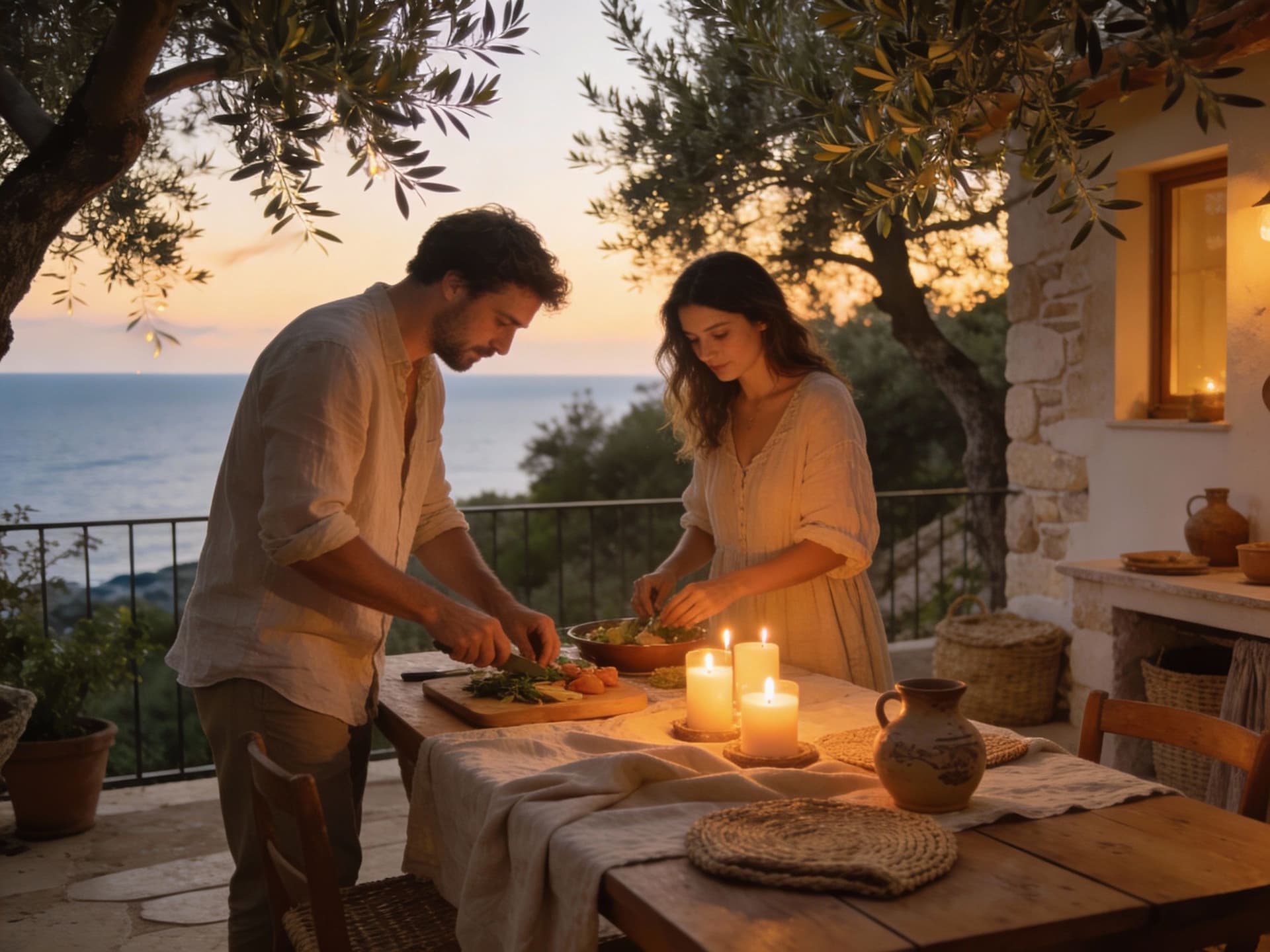
The practical moment comes when you move from imagery to figures. Croatian house prices have been rising briskly in recent years, especially on the coast and in Zagreb, which makes careful protection an investment as much as a precaution. New tax and regulatory shifts in the past two years also affect how you insure and operate a property—some reforms change the incentive to let long‑term versus short‑term, and insurers price coastal exposure differently after notable storm seasons. Use current market data to inform cover levels rather than relying on habit or assumption.
Property styles and their insurance profiles
A Venetian‑style stone villa on the Dalmatian coast brings concerns of salt corrosion, rising damp and narrow access for emergency services; a modern concrete apartment in Zagreb faces different threats: elevator dependence, plumbing across stacked units and urban burglary. Match policy language to materiality and access. For heritage properties, seek insurers who understand listed-building works and will underwrite restoration costs rather than offering token sums that fall short of artisanal repairs.
Working with local experts who know how Croatia lives
- Steps to align lifestyle intent with protection: 1. Define intended use—permanent residence, seasonal retreat or rental—and set occupancy schedules with your insurer. 2. Commission a local surveyor experienced with Croatian masonry and Adriatic weather impacts. 3. Obtain a policy that explicitly names restoration‑grade materials if you plan artisan repairs. 4. Add landlord and short‑let liability if you anticipate guest stays; check for exclusions tied to tourist seasons. 5. Reassess annually after the high season and after any major weather event to adjust sums insured.
Insider knowledge: what expats wish they'd known
Expats commonly recall one surprise: the way season and local customs change costs. A house left empty through winter accumulates different risks; neighbours may expect involvement in village life that affects security; local craftsmen are indispensable for correct restorations. Many buyers undervalue the role of a local property manager and the specific clauses in Croatian insurance contracts that relate to vacancy, maintenance and third‑party events. Buying protection is as much about relationships—with an insurer, a notary, and a mason—as it is about premiums.
Cultural integration and everyday practicalities
Learning a few phrases, befriending local contractors, and registering with the municipality change outcomes. In coastal villages, a neighbour’s watchful eye is often the best theft deterrent; in the city, documented alarm systems and registered caretakers matter more to insurers. Insurers will ask about local maintenance routines—do you clear gutters before winter, is heating oil stored onsite, who checks the property monthly? Demonstrating conscientious stewardship can lower premiums and prevent unpleasant claim disputes.
- Red flags and practical tips from buyers who stayed calm: • A policy that excludes storm surge or salt corrosion—negotiate or supplement it. • Generic valuation estimates—commission local replacement‑cost valuations for restorations. • Vacancy exclusions that void cover after a short period—arrange caretaker declarations or graded vacancy cover. • Reliance on English translations alone—insist on bilingual policy documents and a Croatian‑speaking broker.
Before you sign: ask for bilingual policy wording, a written list of exclusions, and examples of recent, similar claims handled by the insurer in Croatia. Cross‑reference premiums with recent market data—the Croatian Bureau of Statistics and contemporary market reports show rapid price movement; ensure sums insured track replacement cost rather than last‑sale value. Finally, build a relationship with a local lawyer or notary who will review clauses that interact with Croatian law, such as obligations tied to rental registrations or municipal requirements.
- Concluding steps to protect the life you buy: 1. Commission a local condition survey and replacement‑cost estimate. 2. Choose an insurer with Croatian claims experience and insist on bilingual documents. 3. Match policy to use—vacant, seasonal or rental—and add appropriate liability and restoration cover. 4. Contract a local property manager and set a documented maintenance routine. 5. Review annually and after any season that affects your region (storm season, winter freeze, or tourist surge).
Croatia offers a life written in stone, sea and market light. Protecting that life requires a small shift in attention: translate the rhythms of place into clauses, schedules and local relationships. When done well, insurance becomes a partner in stewardship—ensuring the terrace, tiled roof and small garden you fell in love with remain yours, season after season. When you are ready, seek an adviser who can marry local expertise with international standards and treat provenance with the care it deserves.
Dutch former researcher who moved to Lisbon, specialising in investment strategy, heritage preservation, and cross-border portfolio stewardship.