Insurance Loopholes and Seasonal Risks in Greece
How insurance, cadastre entry and recent tax shifts intersect in Greece — practical checks to protect lifestyle and asset value when buying.
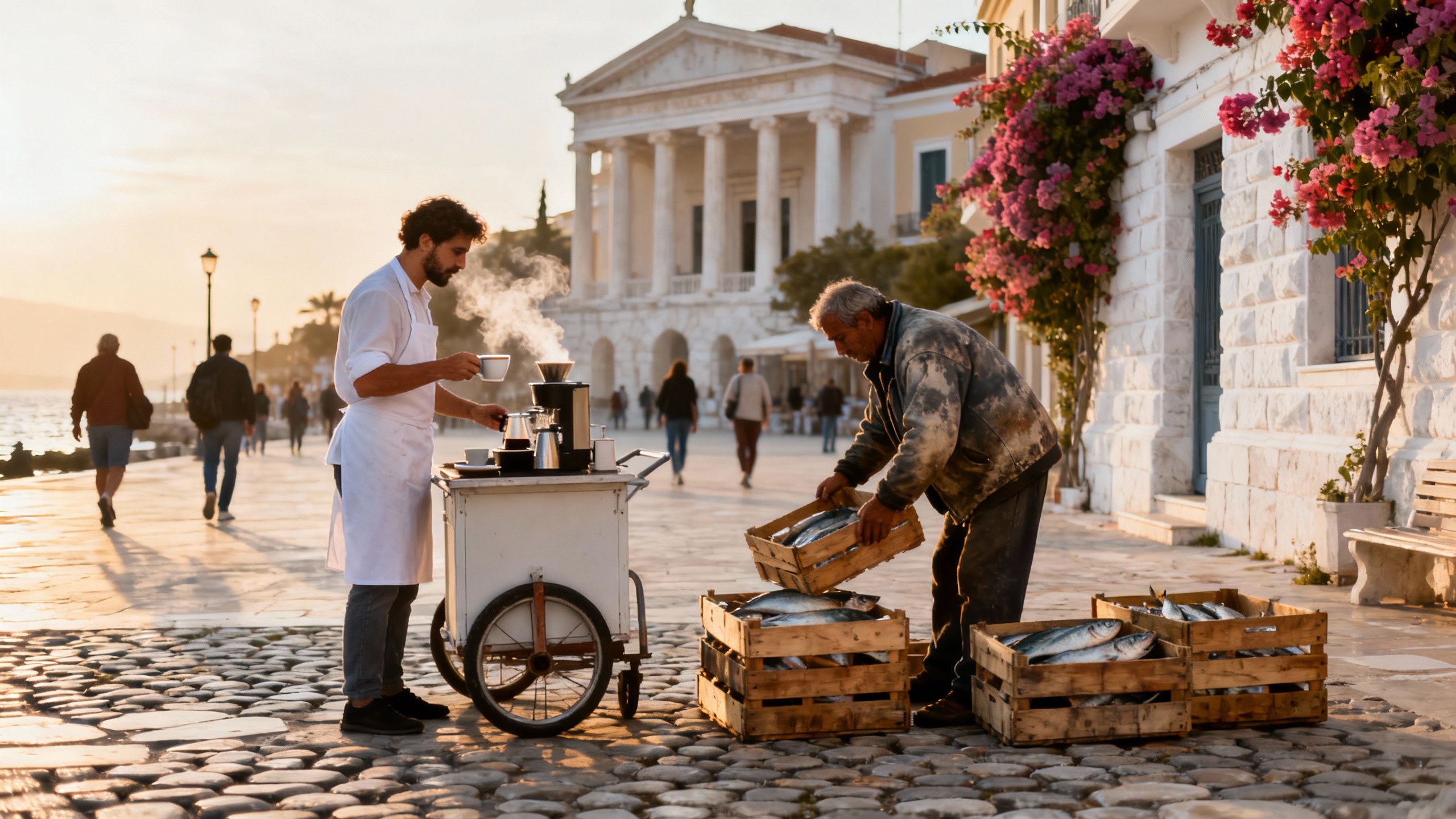
Imagine arriving in a small square in Plaka at dawn — the light on limestone, a barista tamping a shot, the slow conversation of neighbours — and deciding, in that hushed hour, to buy a home here. Greece rewards patience: a life measured by seasons, by markets that open at seven and close at midday, by afternoons on the terrace. Yet the act of converting that image into a legally secure, insured property requires more than affection. Recent policy shifts tie insurance, tax relief and registration practice together in ways buyers often overlook. (See recent PwC analysis on tax and property links.)
Living the Greece life — sensory first, legal second
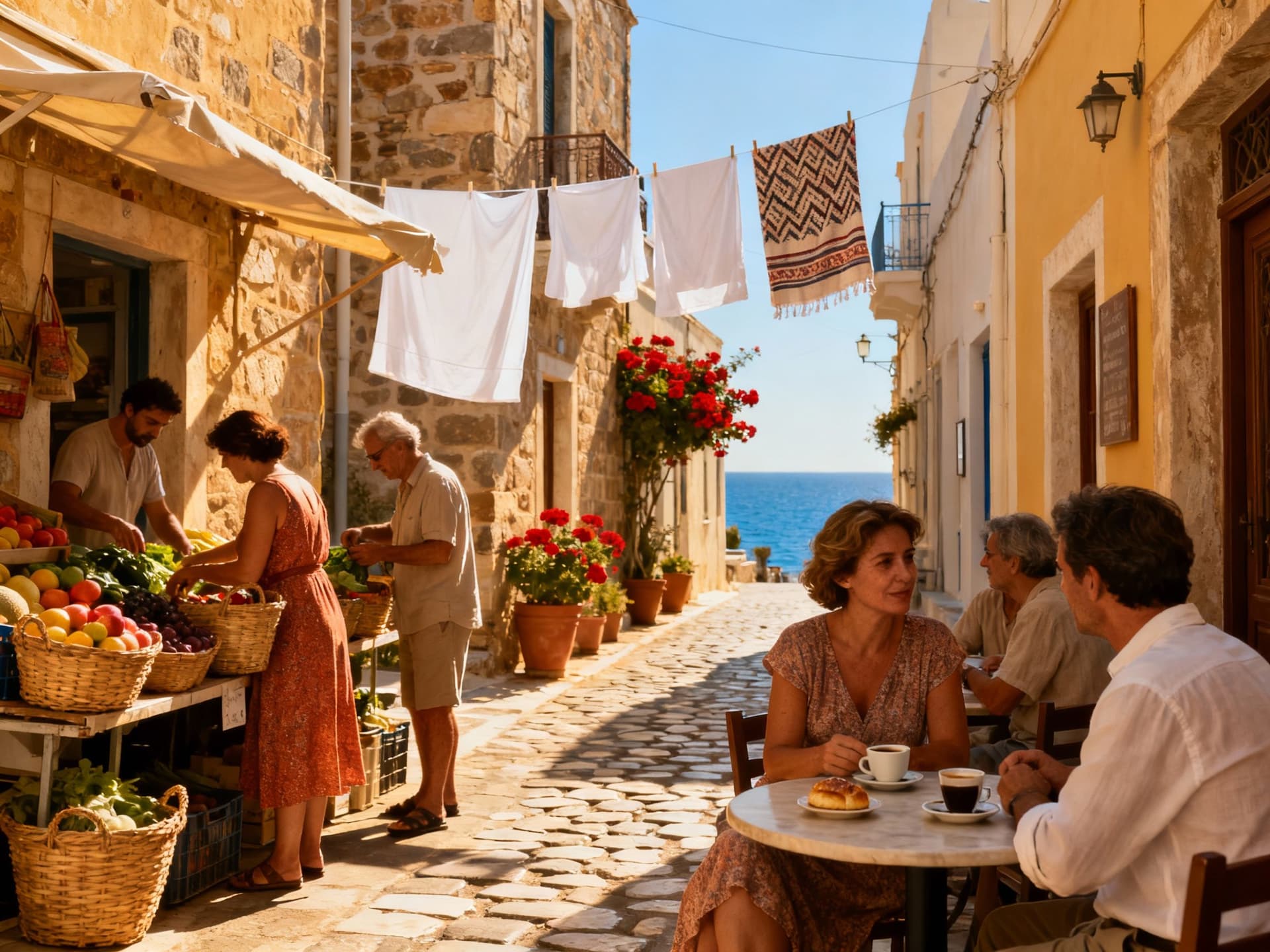
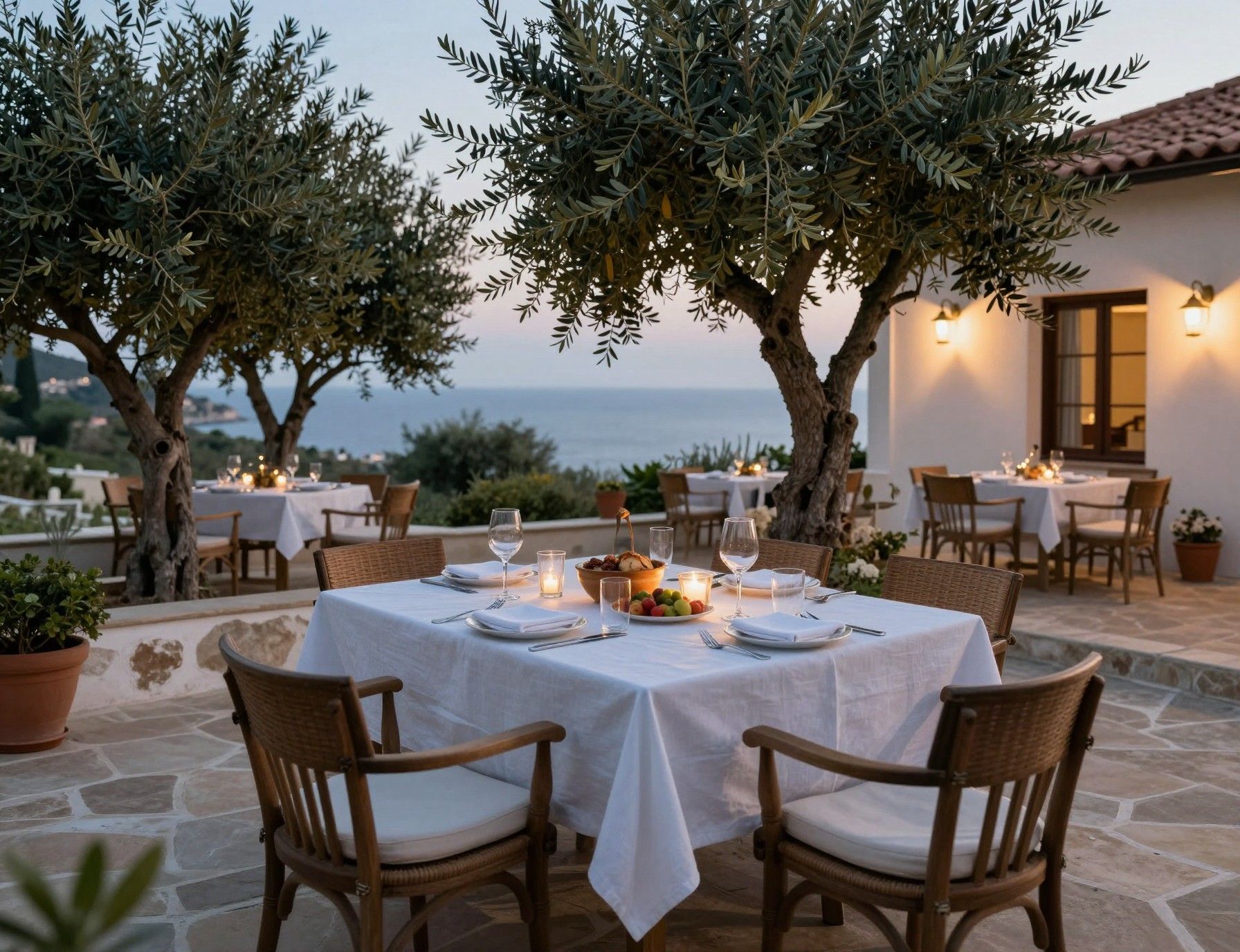
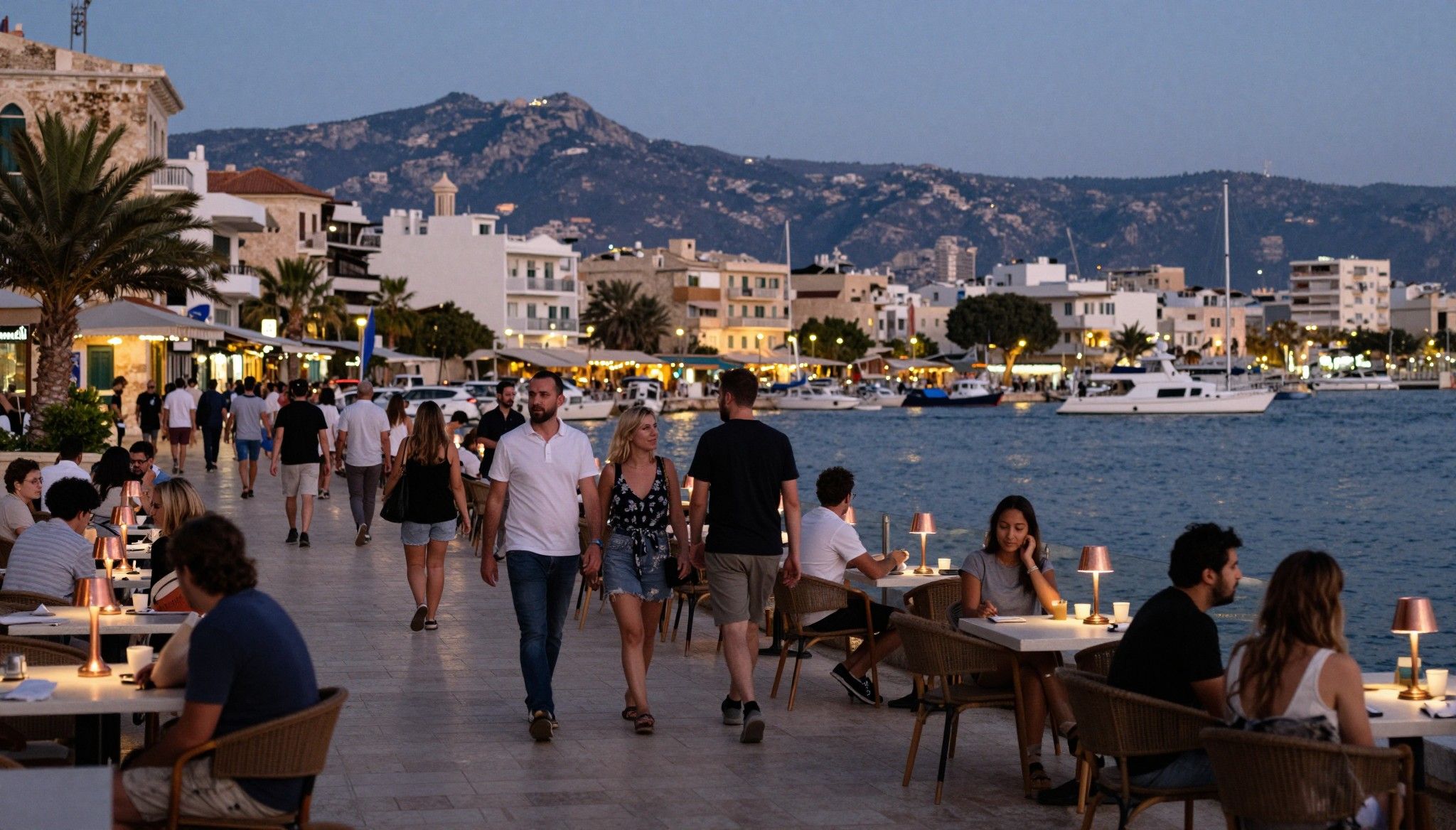
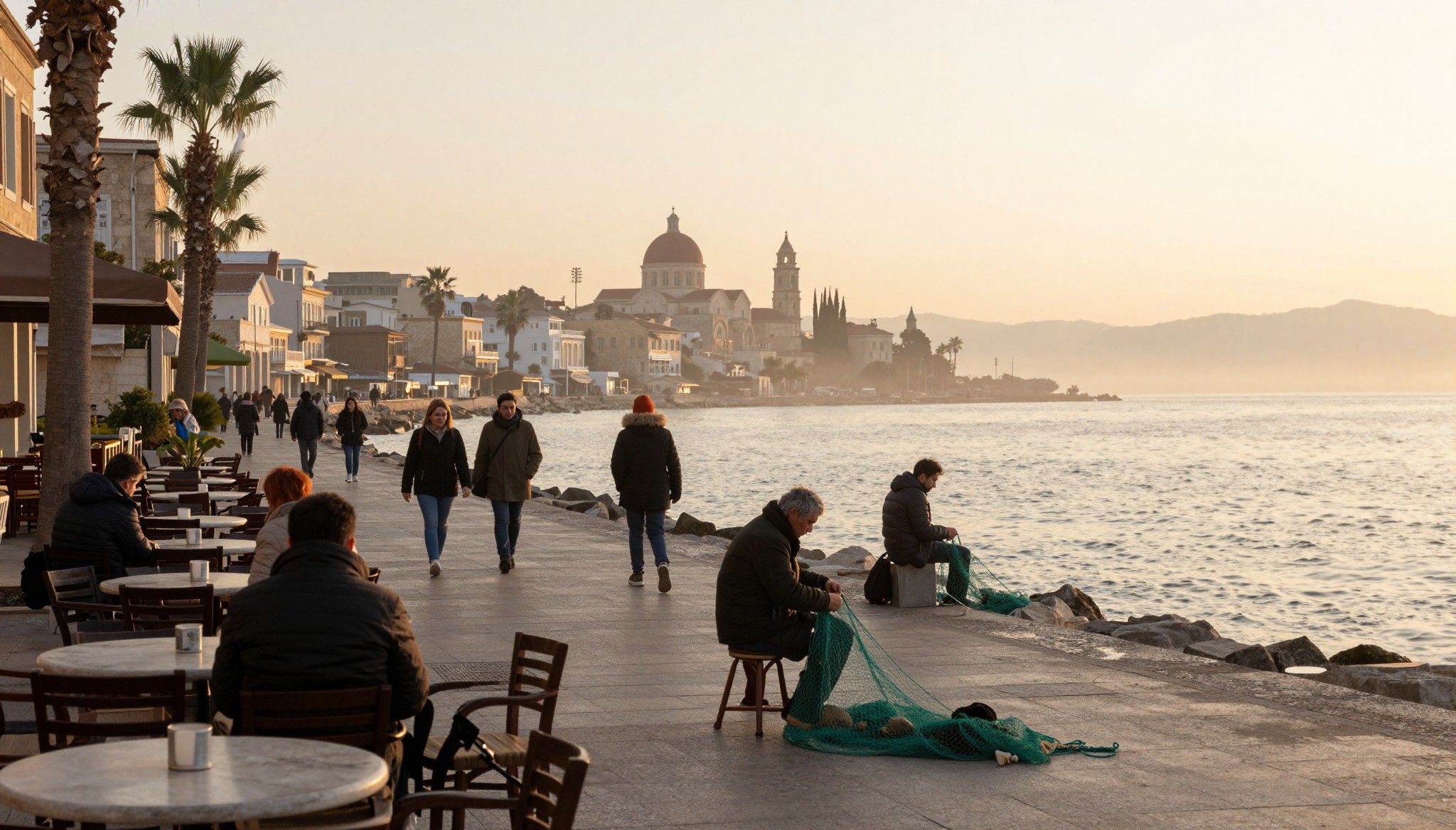
Greece is a country of immediate pleasures and slow institutions. In Athens one moves from the bright geometry of neoclassical façades on Adrianou Street to the evening clatter of Syntagma cafés; on the islands, compact stone streets in Chora open to terraces smelling of salt and oregano. What makes a place livable here is not only the view but the rhythms: weekly markets (Monastiraki, Kallikratis), late dinners, and neighbourhood ties that convert neighbours into custodians of a building’s history. Those rhythms shape the property decisions you will make — which home you can inhabit year-round, which requires seasonal maintenance, and which needs a detailed insurance and registration strategy.
Athenian corners and island courtyards — where to feel at home
If you love walking to a café for morning single-origin espresso, consider Kolonaki or Pangrati for their treed avenues and discreet salons. For a quieter, authentic island life, look at Parikia’s backstreets on Paros or the older quarter of Chania, where Venetian masonry meets local cafés on Halidon Street. Each micro-neighbourhood carries practical implications: proximity to the mayor’s office, access to cadastral services, and a differing profile of seasonal insurance risk — factors your insurer and conveyancer must account for when structuring cover and conditions.
Food, markets and the calendar — lifestyle that matters to insurers
Picture buying for a life of morning fish at Varvakios Market, afternoon swims at Agia Anna, and dinners lit by oil lamps. That life also means salt air on joinery, seasonal rental turnover, and sometimes months when a property is unoccupied. Insurers price for occupancy, location (coastal exposure increases corrosion and mould risk), and construction type (stone masonry versus reinforced concrete). Tell your insurer about intended use — full-time residence, seasonal let, or long‑term rental — before you sign. Misstated occupation is a common reason a claim is reduced or refused.
Making the move: practical considerations that protect life and asset

Turning lifestyle into secure ownership requires three converging actions: (1) confirm title and cadastre entry, (2) structure insurance to match occupation and hazards, and (3) budget for taxes and levies that now depend on whether a purchase is VAT- or transfer-taxed. Recent reforms — including the new digital transaction duty and changes to ENFIA relief tied to insurance — mean your insurance choice can affect tax bills. Work simultaneously with a notary, a Greek‑licensed insurer and a conveyancer who reads cadastral records fluently.
Property types and their insurance profiles
Stone-built island houses and neoclassical Athens apartments both have pedigree but different vulnerabilities. Stone and timber demand cover for moisture and subsidence on slopes; post‑war reinforced concrete blocks need attention for structural defects and roof waterproofing. Buildings listed as heritage or within a conservation zone often require specialist reinstatement cover for period materials. Before exchange, commission a survey that describes materials, hidden repairs and a recommended insurance specification: sum insured, reinstatement cost, and agreed value for antique fittings.
How local experts translate lifestyle into legal certainty
A conveyancer rooted in the local municipality will check: (1) that the property is entered in the Ktimatologio (cadastre) or has a longstanding registry record; (2) whether there are outstanding building permits or fines; and (3) any coastal-setback encumbrances that affect insurance and future planning permission. An insurer or broker will translate that finding into specific endorsements, such as corrosion cover for coastal properties or vacancy clauses for seasonally unoccupied homes.
Insider knowledge: the mistakes expats make and how to avoid them
The clearest regret I hear from buyers is underestimating the interaction between seasonality and protection. Buying in high summer feels right — light, beaches, open houses — but it often coincides with skeleton municipal offices, delayed searches and hurried purchase contracts. Equally damaging is treating insurance as a commodity; a low quote that excludes flood, seismic or vacancy cover can leave you exposed. Finally, many forget that tax windows (VAT suspension, transfer tax rules) evolve; rely on up‑to‑date counsel rather than past assumptions.
Cultural and seasonal realities that affect insurance and upkeep
Greek summers bring intense sun and salt-laden winds; winters bring rain in the Peloponnese and snow inland. Local maintenance cycles — lime-washing façades, checking roof gullies in October, shuttering terraces in December — matter for insurers. List these as agreed maintenance responsibilities in contracts to avoid post‑claim disputes.
A practical checklist before exchange
1. Confirm cadastre entry or reliable historical title and obtain a current topographical plan. 2. Obtain a structural and moisture survey; include a reinstatement cost estimate for insurance. 3. Request insurer endorsements for seismic and coastal exposure where relevant. 4. Budget for transfer tax or VAT and ask how insurance ties to ENFIA relief. 5. Include vacancy clauses and agreed inspection schedules in policy wording if you will be absent for months.
Because Greece ties aspects of tax relief and property registration to insurance and legal status, a coordinated team matters. A conveyancer who knows municipal practice, an insurer who writes coastal and seismic risk, and an agent adept at timing viewings outside the tourist rush will save both time and money. Think of them as custodians of your life’s new setting rather than mere transaction facilitators.
Begin with a view and end with a plan: imagine living in a lane in Hydra, a flat in Kolonaki or a stone house on Naxos. Then ask: who will keep it weather-tight, legally sound and insured should the unexpected arrive? That question — answered with surveys, endorsed policies and up-to-date tax counsel — is the smallest price for buying well. When you are ready, assemble the local team before you make an offer; they will translate the romance of place into a secure, livable asset.
Norwegian with years in Florence guiding clients across borders. I bridge Oslo and Tuscany, focusing on legal navigation, cultural context, and enduring craftsmanship.