Cyprus Stewardship: Insurance, Title and the Life You Buy
Fall for Cyprus without the surprises: combine neighborhood insight with conveyancing, tailored insurance and a five‑year stewardship plan to protect value and lifestyle.

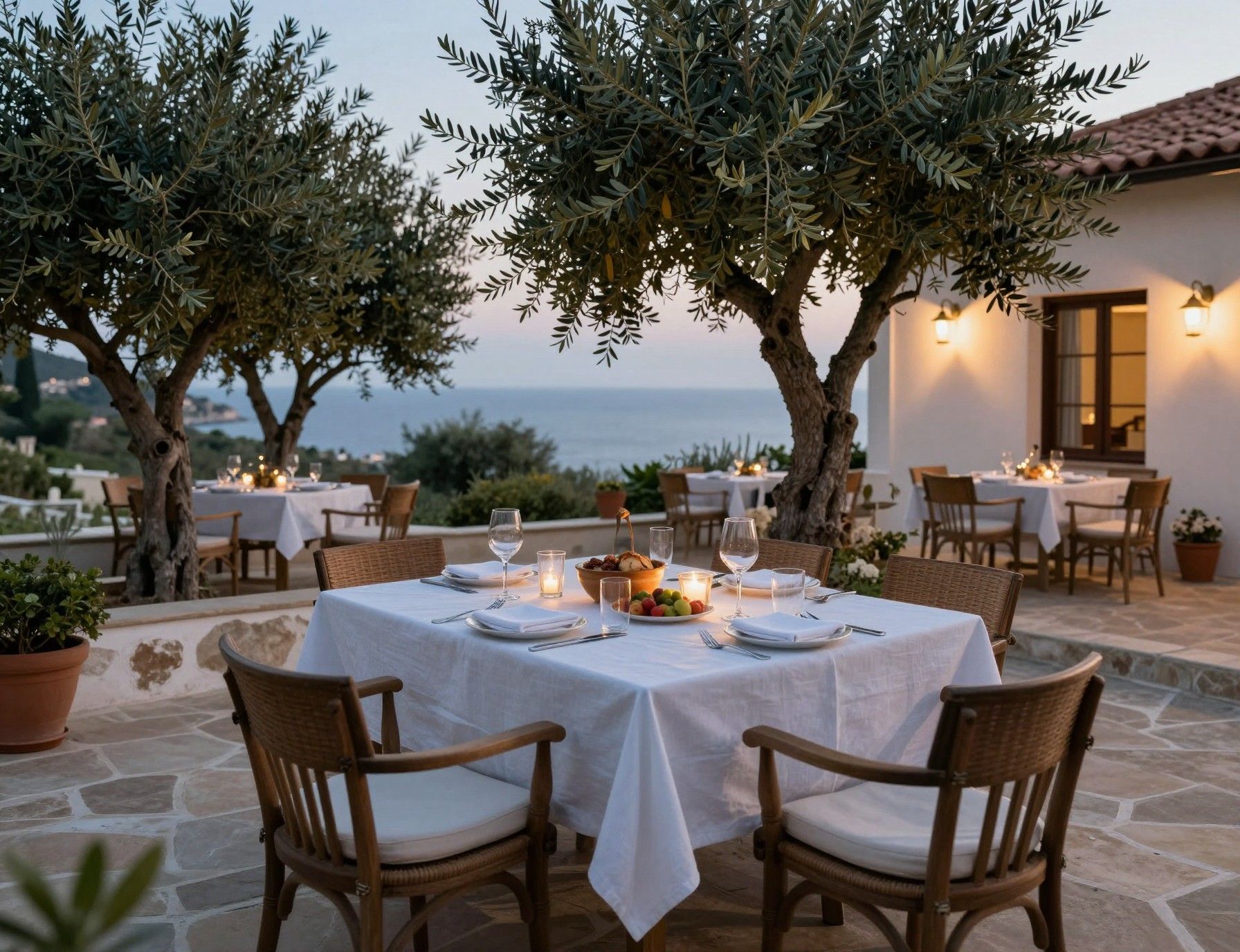
Imagine morning light on a limestone terrace in Limassol, the scent of roasted coffee from a corner kafeneio and, a few streets away, a developer’s site where cranes converse with the sea. Cyprus offers the kind of daily life that is architectural and convivial at once: stone churches, narrow lanes in old Paphos, and modern seafront promenades where Mediterranean living is practised rather than displayed. For an international buyer this idyll comes with technicalities — insurance, title checks and climate risks — that shape both which streets you fall for and how you protect what you buy.
Living Cyprus: rhythm, place and architecture
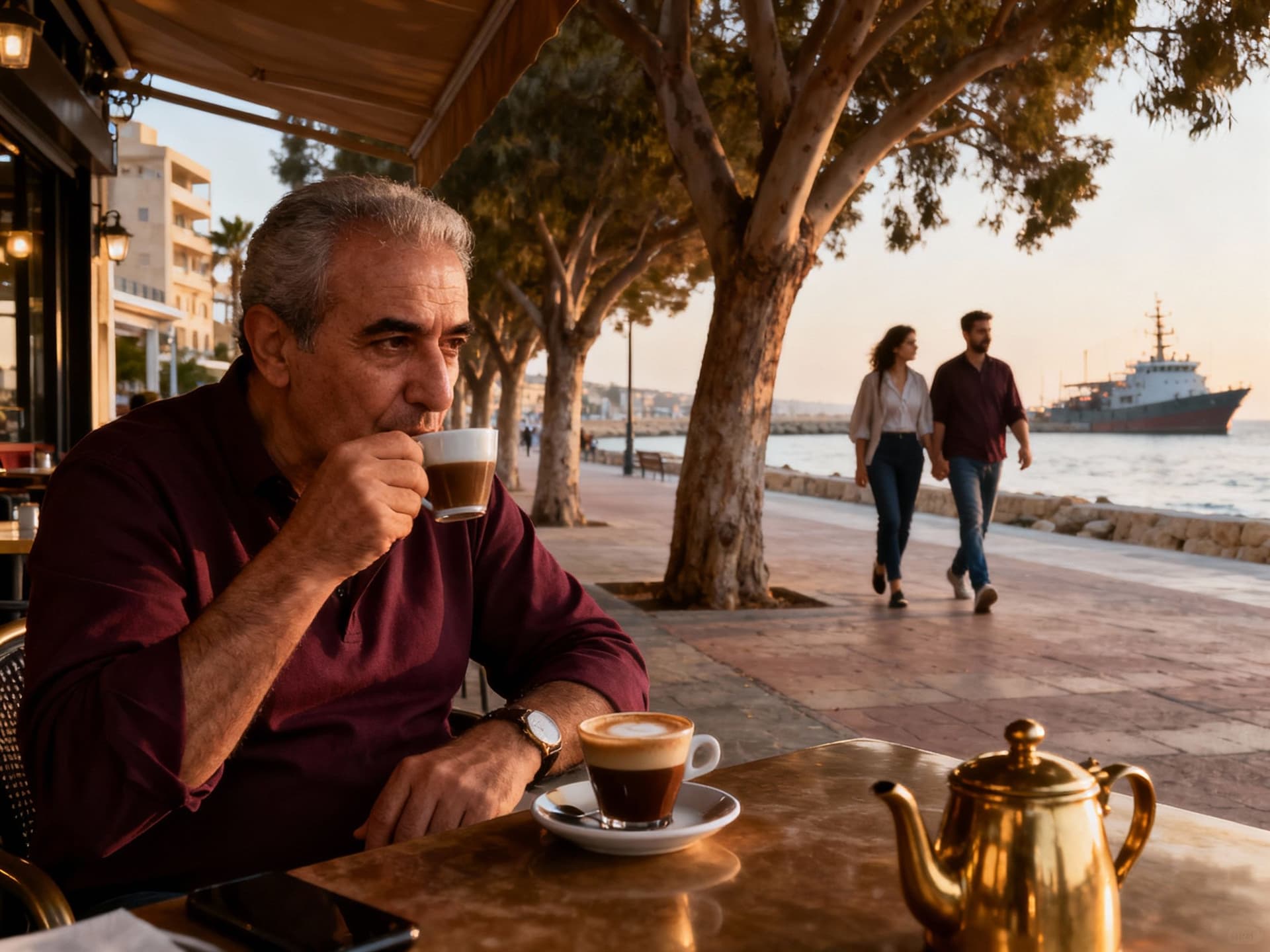
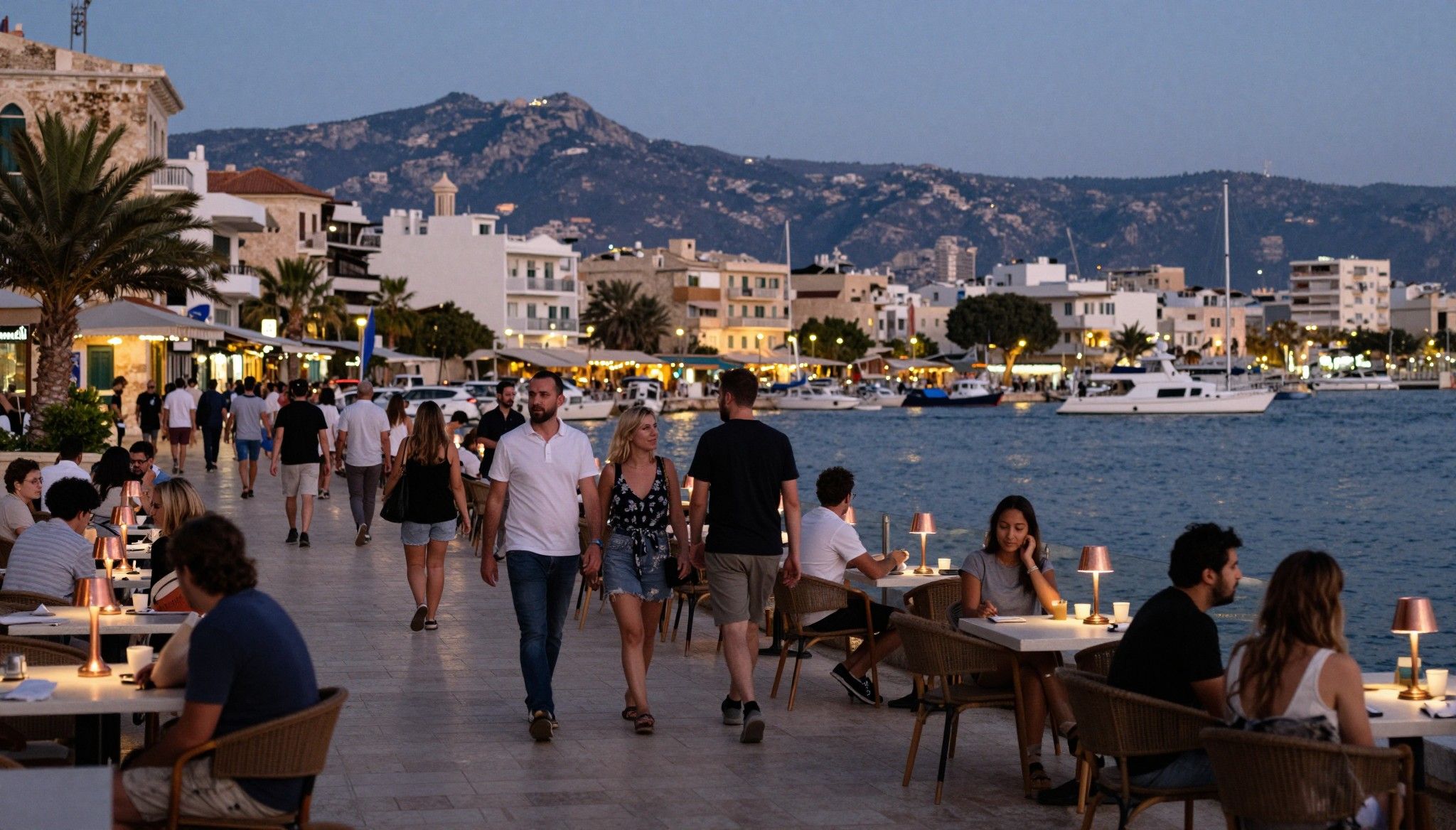
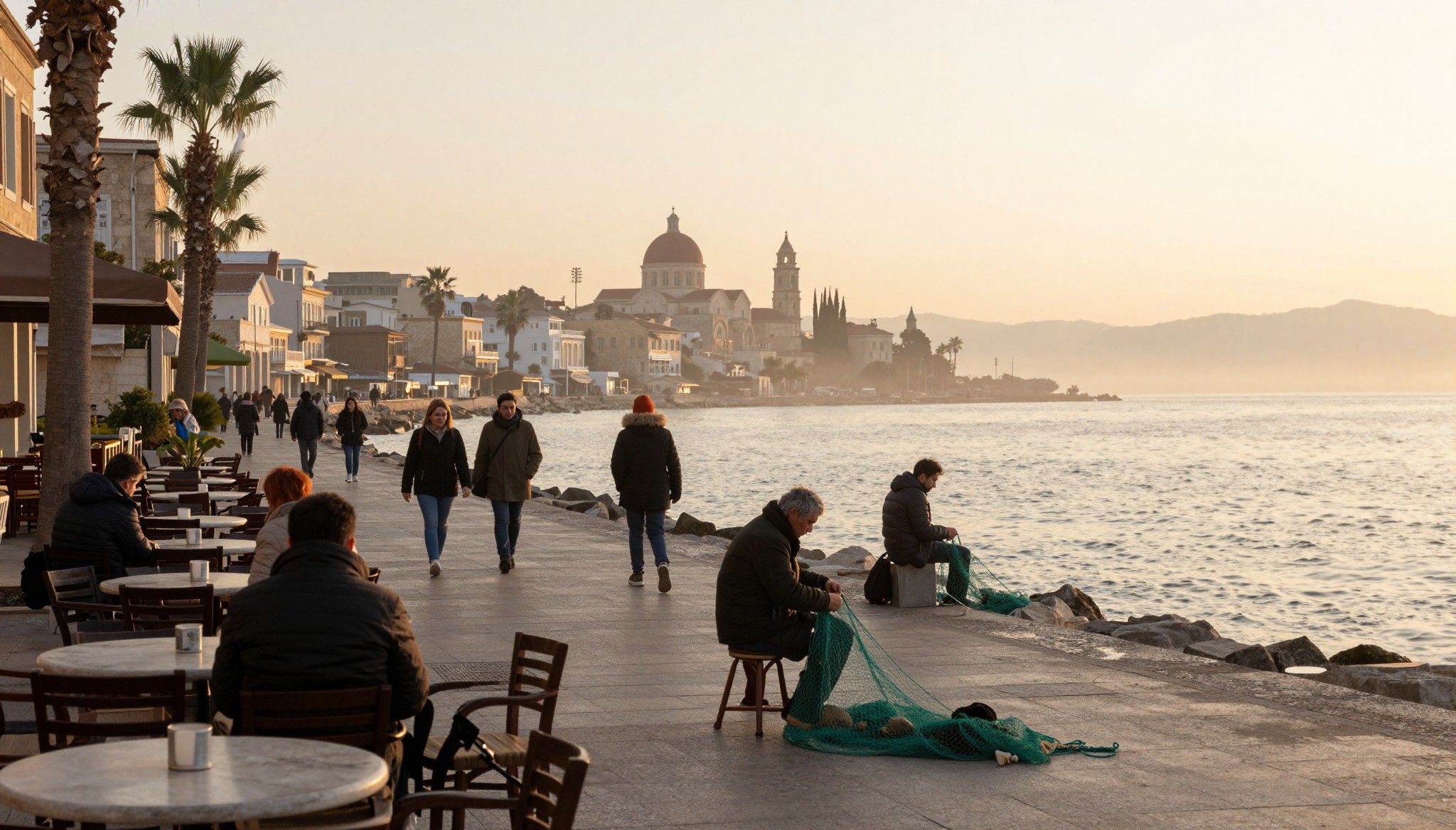
Cyprus’s daily rhythm is shaped by small rituals: espresso at 09:00, extended siesta cafés in July, passeggiata after sunset along the Molos in Limassol. The island’s architectural vernacular — vernacular stone villas, mid‑century apartment blocks, and recent minimalist developments — frames those rituals. Recent price indices show measured growth rather than runaway inflation, which matters when you weigh lifestyle against long‑term stewardship and insurance exposure. Good property choices marry the sensory pleasures of place to a clear-eyed assessment of maintenance, climate exposure and legal title.
Neighbourhoods that teach you to live well
Walk the old town of Paphos and you feel history beneath your feet: Byzantine mosaics, coffee houses on Nikou Pattichi and a compact scale that rewards walking. Limassol’s Molos and Amathus districts combine contemporary marinas with Georgian‑style villas set behind plane trees; the Old Port’s quieter lanes offer discreet townhouses. Nicosia’s north‑south divide produces intimate quarters — from Ledra Street’s gallery life to residential suburbs where craftsmanship endures. Each area demands different insurance and maintenance plans: coastal salt and humidity affect metalwork, while mountain villages demand attention to insulation and roof maintenance.
Food, markets and seasonality as a buying lens
A weekend in Larnaca proves useful as market research: the municipal market at the edge of the old town, family restaurants on Zenonos Street and a quiet marina for sunset walks. Seasonality matters beyond tourism: winter rains test roof integrity and drainage, while strong summer sun accelerates façade weathering. When you imagine living in Cyprus, include these rhythms — where you will shop, whom you will meet, and how the seasons will alter a home’s upkeep and insurance profile.
Making the move: practical protections that preserve the lifestyle
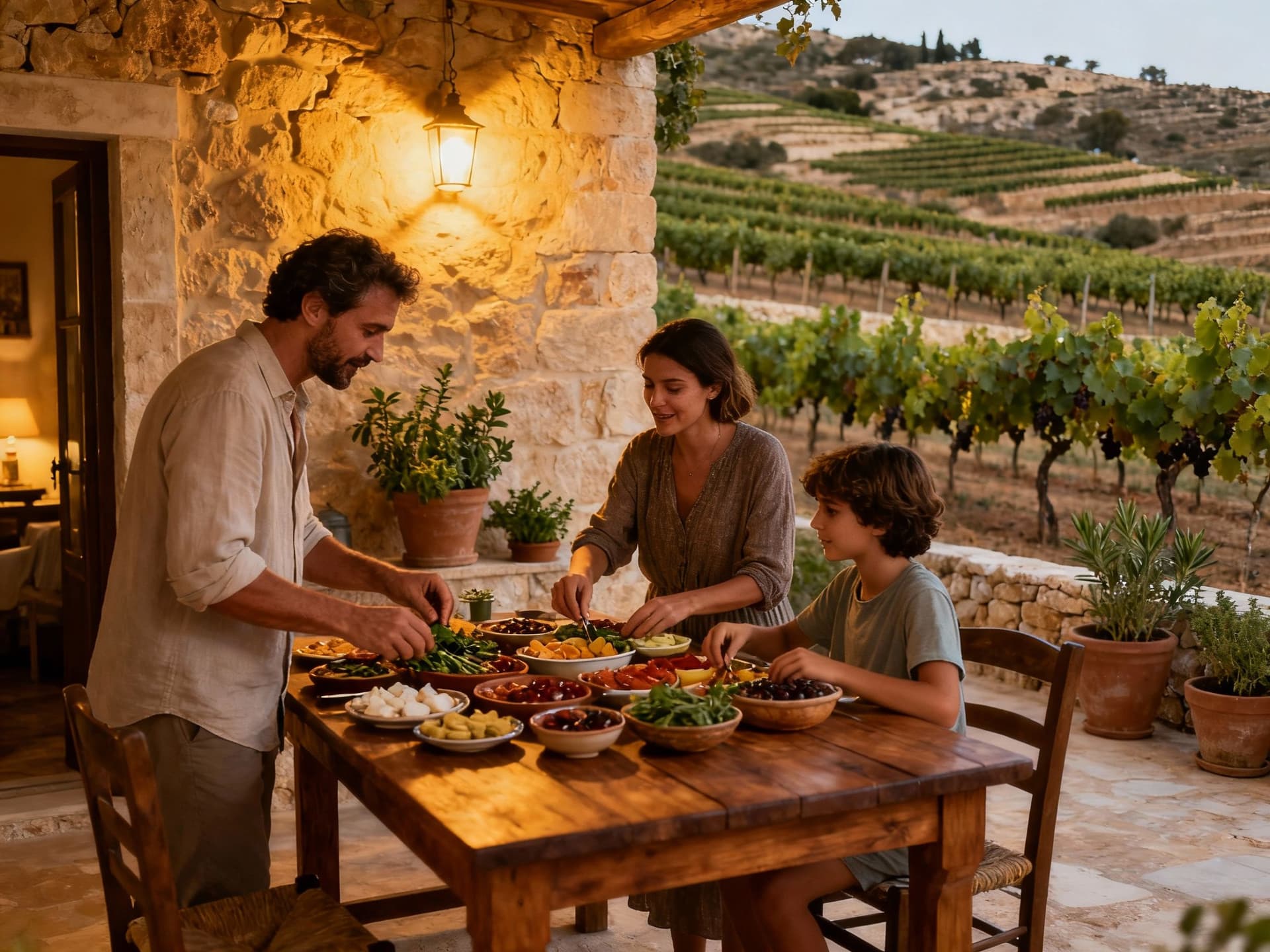
Turning an affection for place into a secure purchase requires three concurrent protections: legal certainty of title, an insurance programme matched to local hazards, and practical reserves for maintenance. Market data from the Central Bank indicates steady, district‑specific price movements; that stability favours careful buyers who plan for stewardship rather than speculative flipping. Engaging a conveyancing lawyer early — and insisting the sale contract be lodged with the Land Registry — reduces the risk of post‑purchase disputes and clarifies what standard insurance must cover.
Property types and their insurance implications
Traditional stone maisonettes, modern concrete apartments and new villas each present distinct insurance needs. Older stone homes need cover for structural defects, subsidence and roof repair; apartments require block insurance arrangements that clearly define common‑area responsibility; coastal villas demand salt‑air corrosion and flood coverage. Lenders commonly require building insurance; for valuable provenance properties you should extend cover to include restoration costs and artisan repair, not simply replacement of fixtures.
How local experts protect lifestyle value
A skilled local agency and solicitor do more than locate a villa; they translate the neighbourhood’s character into contract terms. Expect them to confirm whether the title deed is freehold, whether the property is registered at the Department of Lands and Surveys, and whether there are outstanding building debts or encumbrances. They will also advise on appropriate insurance packages — combining building, contents and liability cover — and ensure requirements of lenders and trustees are met so the life you imagined is not undermined by administrative surprise.
Insider knowledge: common expat missteps and how to avoid them
The mistakes I see most often are cultural rather than clerical: falling in love with a façade without testing how a property behaves through a full year; assuming block insurance covers communal maintenance; and under‑reserving for artisan repairs on older homes. Expats often underestimate the local seasonality of trades — a specialist stonemason or roofer is harder to book in June — which affects both cost and timing. Address these by asking for recent service histories, getting independent surveys, and building a schedule of likely maintenance for the first five years.
- Practical red flags to watch for
• Unregistered alterations: extensions or terraces not on the title deed increase risk and often invalidate insurance. • Vague block policies: if the insurer’s responsibility for communal elements is unclear, you may face large special levies. • Missing maintenance records: absence of recent roof, damp or electrical reports suggests deferred costs. • Lender‑required exclusions: some policies exclude coastal erosion or subsidence — confirm exclusions before signing.
- Step-by-step protection plan before exchange
1. Instruct a Cyprus conveyancer to obtain a Land Registry search and confirm deed status. 2. Commission an independent structural and services survey timed for the season relevant to your concerns (winter for damp, summer for roof/thermal testing). 3. Request the seller’s insurance and maintenance records and ask for a recent sinking fund statement if the property is in a block. 4. Obtain insurer quotations that list exclusions; add specialist cover for artisan restoration if the property has heritage elements. 5. Ensure the purchase contract requires deposit protection (escrow/bank guarantee) and that the contract is lodged with the Land Registry within the statutory period.
Long view: stewardship, community and the value of good protection
Buying in Cyprus is rarely a short affair; it is an invitation to stewardship. A well‑insured house in a cared‑for neighbourhood will preserve its character and value, allowing you to enjoy its kitchens, courtyards and views for decades. Consider insurance and legal protection not as costs but as the fee for preserving a way of life: the morning market visits, the neighbour’s kindness, the roof terrace that gathers friends at dusk. Good protection is how a property becomes a family artefact rather than a liability.
A brief checklist to start today
• Ask your agent for recent title deed confirmation and the Land Registry reference. • Commission an independent survey covering structure, services and seasonal risks. • Seek insurer quotes that explicitly cover coastal exposure or artisan restoration where relevant. • Arrange for a conveyancer to lodge the contract and check for encumbrances before release of funds. • Build a five‑year maintenance reserve in your budget equivalent to 2–4% of the property value annually for older homes.
Conclusion: Cyprus rewards care. If you fall in love with a narrow street in Paphos or a sunlit terrace in Limassol, protect that affection with precise legal checks and bespoke insurance. Begin with a local lawyer, an independent surveyor and insurer quotes that list exclusions; treat stewardship as central to your purchase. When the paperwork is in order, the markets are steady and your protections are clear, you can simply live the life Cyprus affords — coffee, sea, and a house that feels like it has always belonged to you.
Dutch former researcher who moved to Lisbon, specialising in investment strategy, heritage preservation, and cross-border portfolio stewardship.