Protecting the Life You Buy in Cyprus
How to protect a Cyprus home you’ll actually live in: lifestyle-first insurance choices, local red flags and data-backed steps to avoid underinsurance.
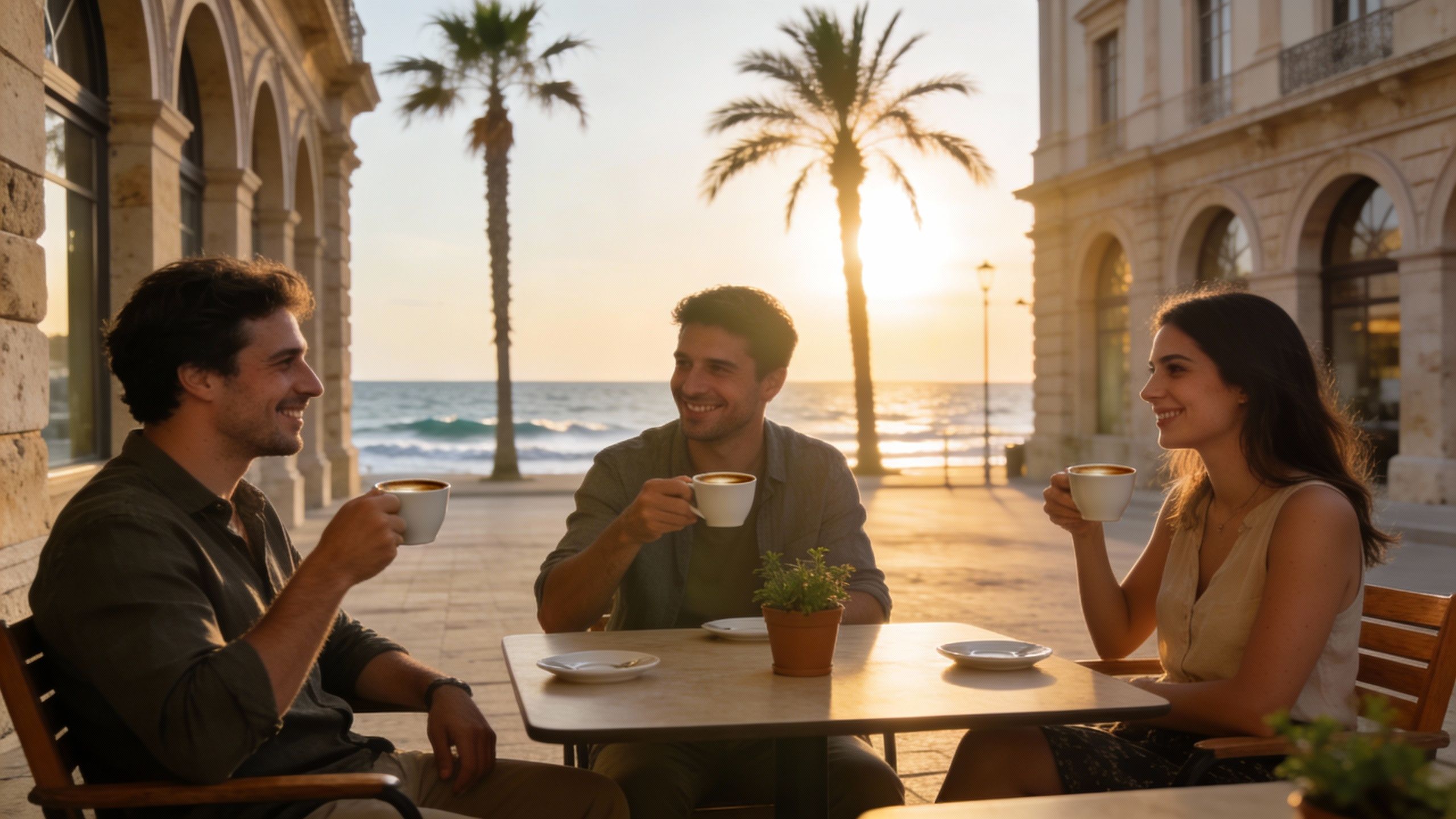
Imagine a late-spring morning in Limassol: small tables spill onto the pavement outside Kafeneio Kipos, the air carries citrus and sea salt, and a neighbour returns from the fish market with the day’s catch. The island’s rhythms are measured by light and seasons — carnival in February, harvest festivals in the Troodos villages, long summer evenings on Fig Tree Bay — and they shape how homes are used, treasured and insured. For an international buyer, Cyprus offers sunlit patios and stone-walled villages but also a set of legal and insurance choices that will determine whether that imagined life remains effortless or becomes a catalogue of surprises. Here I’ll show how to protect the life you fall in love with, with practical steps rooted in local data and on-the-ground experience.
Living Cyprus: light, neighbourhoods and the practicalities of care
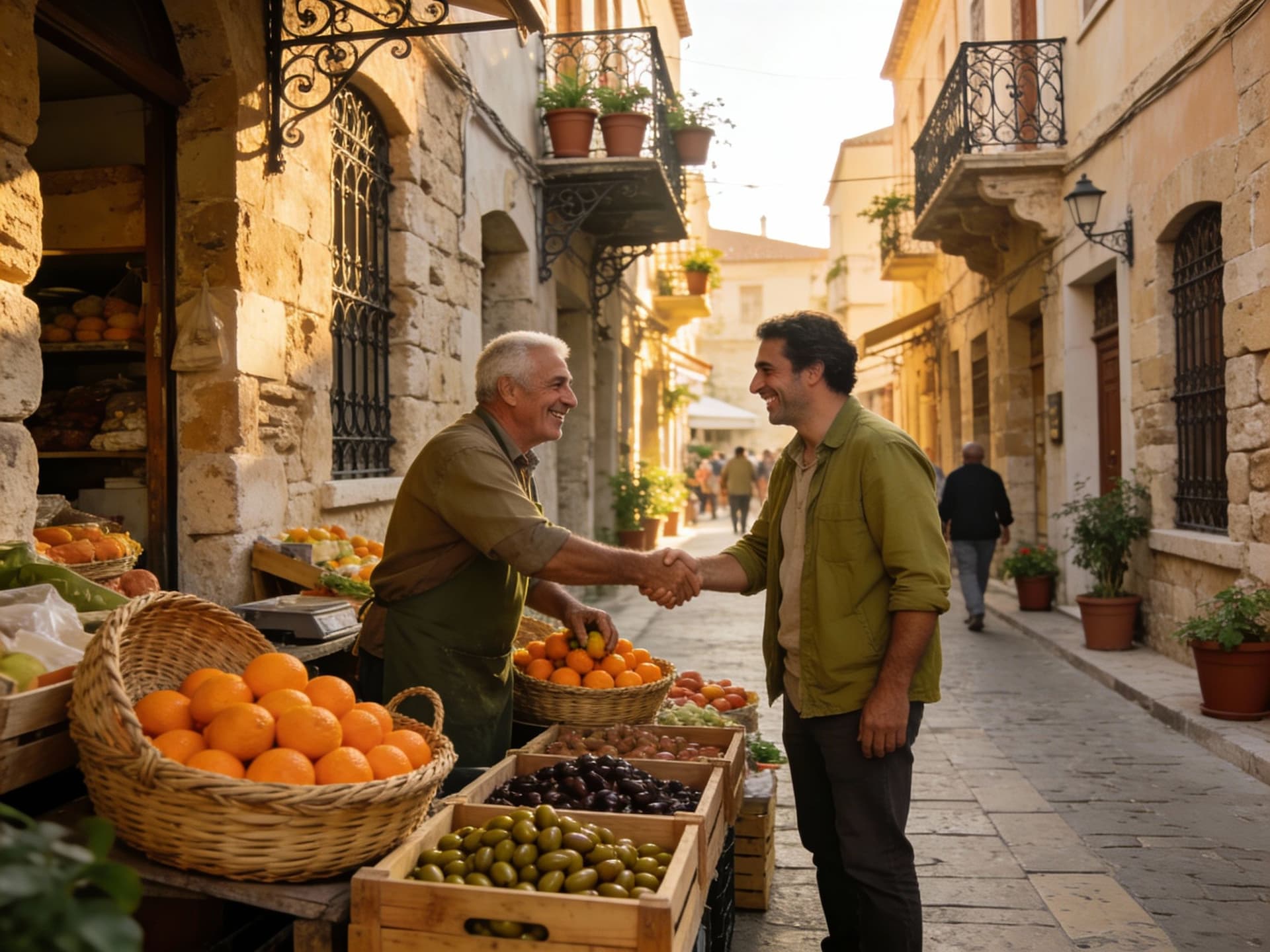
Cyprus life is quietly provincial and unexpectedly cosmopolitan. In Nicosia you will find neoclassical facades and serious cafés for working mornings; in Larnaca the corniche is a commuter’s promenade and the Old Town has tavernas that close late. Property statistics confirm strong domestic demand and a resilience in values — numbers from the island’s land registry and recent market reports show record transaction values even as transactions shift between districts. Understanding where locals actually live — and where they insure and maintain their homes — matters as much as price per square metre when you plan ownership.
A neighbourhood lens: Limassol’s seafront, Paphos’ old town and Troodos villages
Limassol’s Molos and Agios Tychonas offer modern seafront apartments with communal maintenance and concierge-style services; insurance there often needs to reflect shared-risk structures and higher replacement values. Paphos’ Kato Paphos and the older neighbourhoods around Kennedy Street favour stone townhouses with tiled roofs and private wells, where policies must consider heritage materials and potential subsidence. Higher-altitude homes in Troodos villages, with timber beams and slate roofs, require cover for winter storms and, occasionally, snow-related damage. Each micro-location nudges you toward different insurance choices — and different expectations of local contractors and surveyors.
Food, ritual and seasons: how lifestyle defines risk
If you buy a seaside apartment to host long summers, your principal concerns will be corrosion, salt-air degradation of metalwork, and storm-driven water ingress. A farmhouse purchased for olive-pressing will require policies that recognise agricultural equipment and detached outbuildings. Festivals — from Easter processions to village panayiria — bring crowds and ephemeral strain on services; for second-home owners the risk is often absence-related: unattended properties are more vulnerable to burst pipes in winter and to vandalism outside high season. Match the lifestyle you imagine with how the property will actually be used through the year; this alignment should drive your insurance brief.
Making the move: practical considerations that protect value

The first practical step is a clear risk audit before exchange. That means a qualified structural survey, a check for planning and title anomalies at the Land Registry, and an insurance pre-check to confirm the property is insurable on acceptable terms. Local market intelligence — such as where transaction values are concentrated and where foreign demand is rising or falling — helps you calibrate replacement costs and the scope of cover you will need. Insurers price not just by brick and mortar but by foreseeable use, proximity to sea and access to local trades, so an informed brief keeps premium surprises to a minimum.
Property styles and the policies they need
New-build coastal apartments typically require comprehensive building cover (often agreed-sum for blocks) and separate contents and liability policies for owners. Period village houses demand specialist cover for traditional materials: lime plaster, timber roof structures and artisan tile; some insurers will endorse policies to allow for authentic repairs rather than modern replacements. For investments that will be rented short-term, policies must include commercial letting cover and loss-of-rent provisions. Select a policy whose indemnity basis matches the property’s architectural character rather than one-size-fits-all wording.
Why a local broker matters more than a global brand
A Cyprus-based broker understands local underwriting practices, which underwriters specialise in coastal corrosion or mountain freeze claims, and which restoration contractors are trusted by insurers after a loss. They will advise on optional endorsements — subsidence, flood-excess reduction, or named-peril extensions — and can negotiate deposit requirements and policy wordings in Greek and English. For international buyers, that local advocacy translates into faster claims handling and clearer obligations when you are not resident. Treat the broker as your local steward for continuity.
- Actionable steps before you sign:
- 1. Commission a full structural and pest survey and ensure the report is accepted by insurers.
- 2. Ask your lawyer to obtain an official status of the title and any outstanding liabilities at the Land Registry.
- 3. Obtain indicative insurance quotes using the survey’s replacement-cost figures and include any seasonal letting exposure.
Insider knowledge: myths, red flags and expat wisdom
One persistent myth is that Cyprus is uniformly low-risk because of its Mediterranean climate. In truth, the island’s microclimates create concentrated hazards: winter storms in the mountains, coastal salt corrosion, and periodic flash-flooding in east-coast ravines. Expats I’ve met often wish they had insisted on business‑use or short‑let endorsements before renting their properties; others regret failing to check whether the insurer accepts local artisan repairs after a claim. The red flag is always a policy whose definitions are vague — ambiguity costs time and money when you need restoration done properly.
Common mistakes owners make
- 1. Buying an older stone house without specifying materials and reinstatement methods in the policy; 2. Assuming landlord cover extends to short-term holiday lets; 3. Settling for cheapest excess without checking repair-network availability.
How market data should influence protection choices
Use the recent market intelligence — record transaction values and district-by-district shifts — to test your replacement-cost assumptions and to anticipate demand for rentals that affects loss-of-rent cover. When coastal districts show concentration of high-value transactions, insurers may apply higher indices for rebuilding costs; conversely, mountain properties might require niche insurers familiar with snow-load risk. Cross-check the property’s declared value with independent rebuild-cost calculators and with recent local sale prices to avoid underinsurance or irregular premium adjustments.
- Checklist for contract stage (practical, immediate):
- Obtain a insurers’ cover-note linked to exchange; require seller warranties about the absence of historical claims; include an obligation for the seller to disclose works without permits.
- Insist on a condition-report photographed and timestamped at handover so post-exchange claims can be easily evidenced.
When to buy extra cover — thoughtful triggers
- 1. You plan to short‑let for more than 60 nights per year — add commercial let cover. 2. The property is within 200 metres of open sea — add corrosion and storm extension. 3. The house is listed or in a conservation zone — endorse for authentic reinstatement.
Longer term, stewarding a Cyprus home is a practice in regular, small maintenance and knowing who will answer a midnight call when a burst pipe occurs. Build relationships now: a reliable local plumber, a surveyor who will attend annually, and a broker willing to inspect after major storms. These practical habits reduce claims frequency and keep premiums steadier over time.
Conclusion: the life you buy deserves protection that fits its character
Picture yourself on an October evening in Larnaca, walking from the market with a sack of almonds and a bottle of commandaria; that tranquillity is what your insurance and buyer-protection choices must preserve. Start with a survey, pair it with local market intelligence and a Cyprus-based broker, and write specific endorsements into the contract. If you would like, we can connect you with vetted local brokers and surveyors who specialise in the districts you love — because the difference between a property as an idea and a property as a life is the quality of protection you arrange before you need it.
Relocating from London to Mallorca in 2014, I guide UK buyers through cross-border investment and tax considerations. I specialise in provenance, design integrity, and long-term value.