Protecting the Life You Buy in Cyprus
Live the island’s light, not paperwork: secure rebuild‑value insurance, confirm communal policies and add vacancy or short‑let cover to protect life and investment in Cyprus.
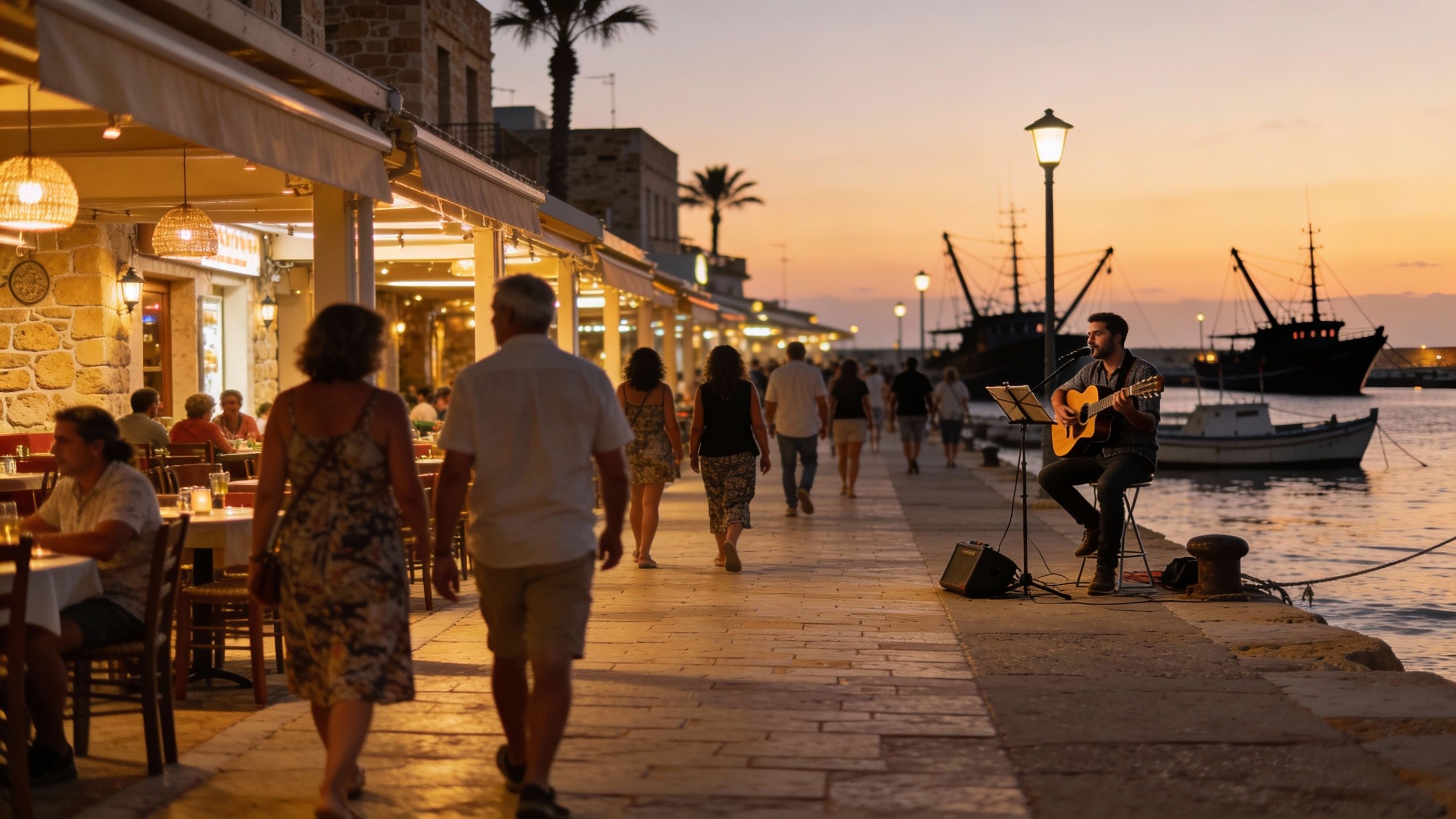
Imagine an early morning in Limassol: a pastry from To Elliniko on Anexartisias, the sea glinting beyond the palm line, tradespeople opening their shutters and a quiet conversation about market turns. Cyprus rewards a life organised around light and season — slow sea mornings, energetic afternoons in village squares, and the occasional rain that tests a roof's integrity. For buyers who arrive with a refined eye and a desire for substance over spectacle, the island's charm is inseparable from practicalities: title clarity, rebuild cost estimation and sensible insurance. Recent local indices show steady price growth, and that reality changes how protection must be chosen; the link between lifestyle and insurance is more than paperwork, it is stewardship.
Living Cyprus: light, neighbourhoods and daily rituals
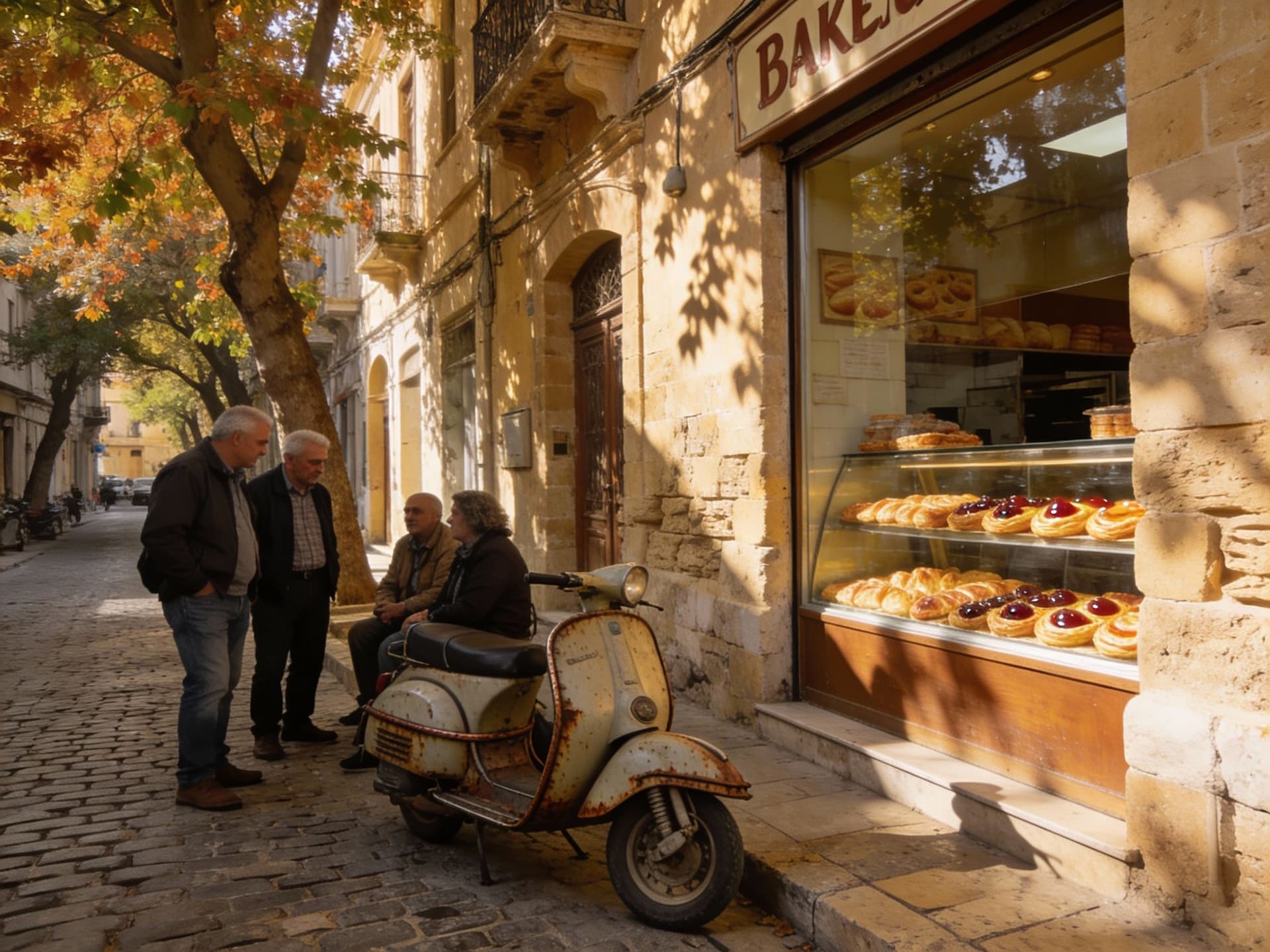
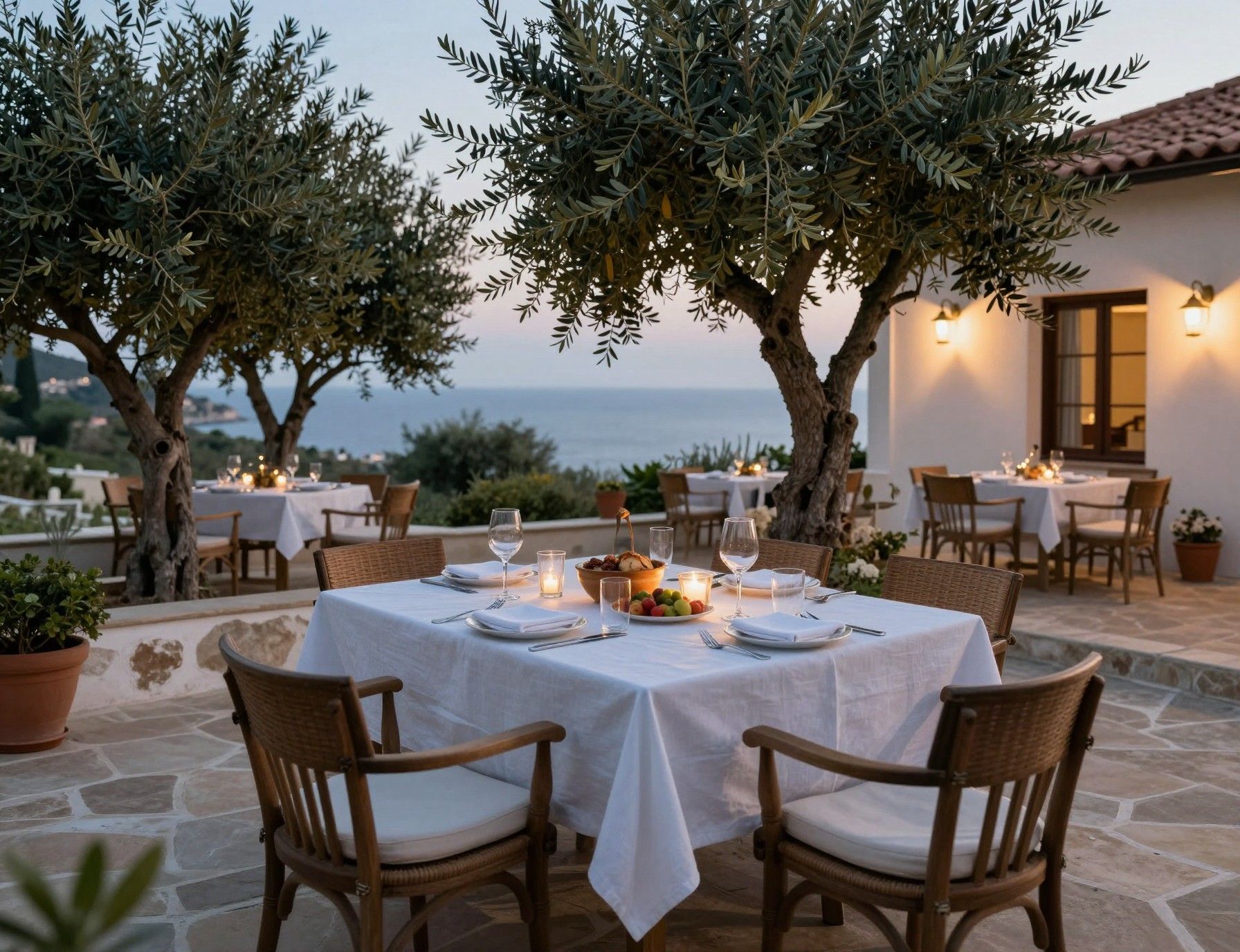
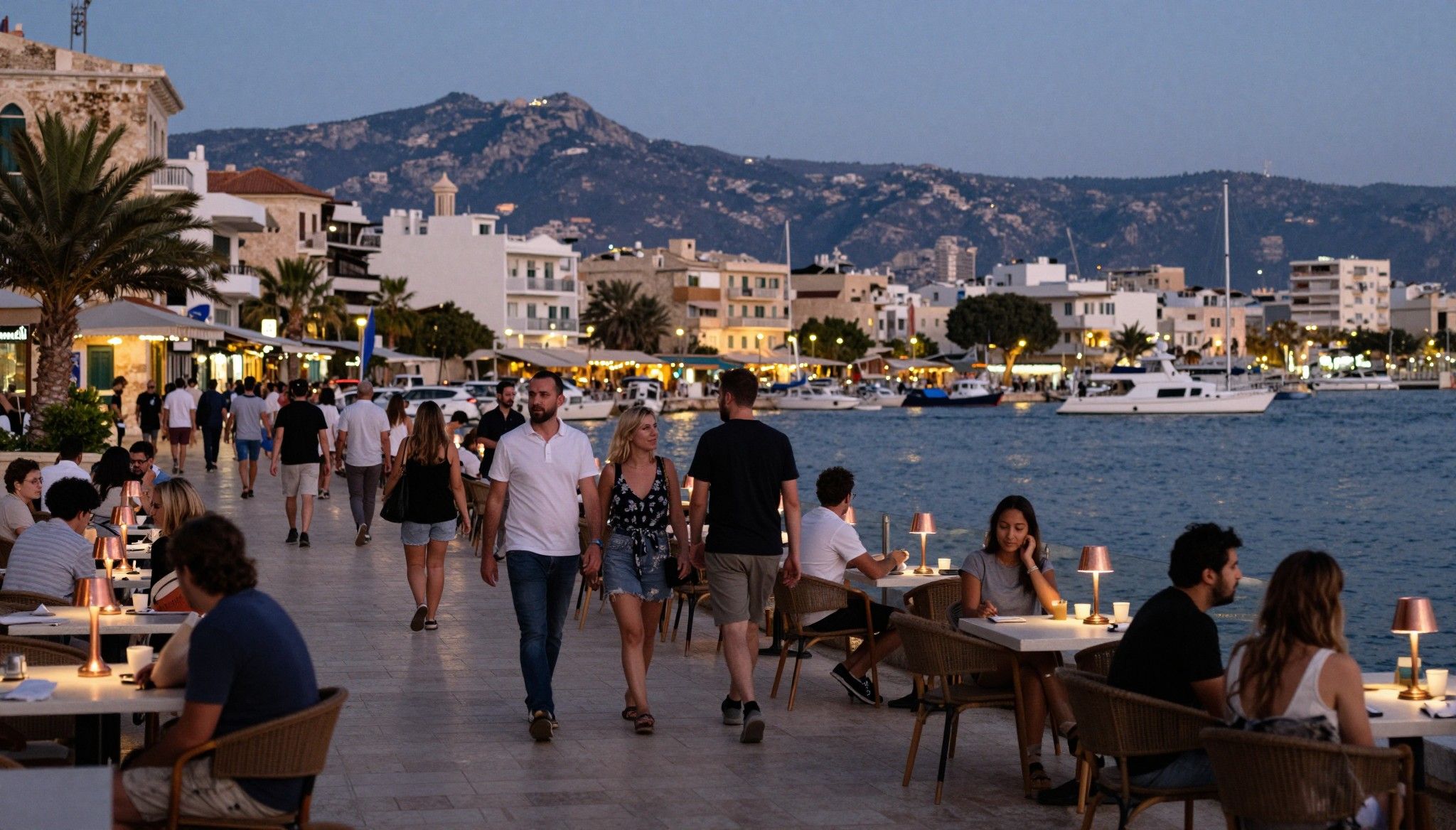
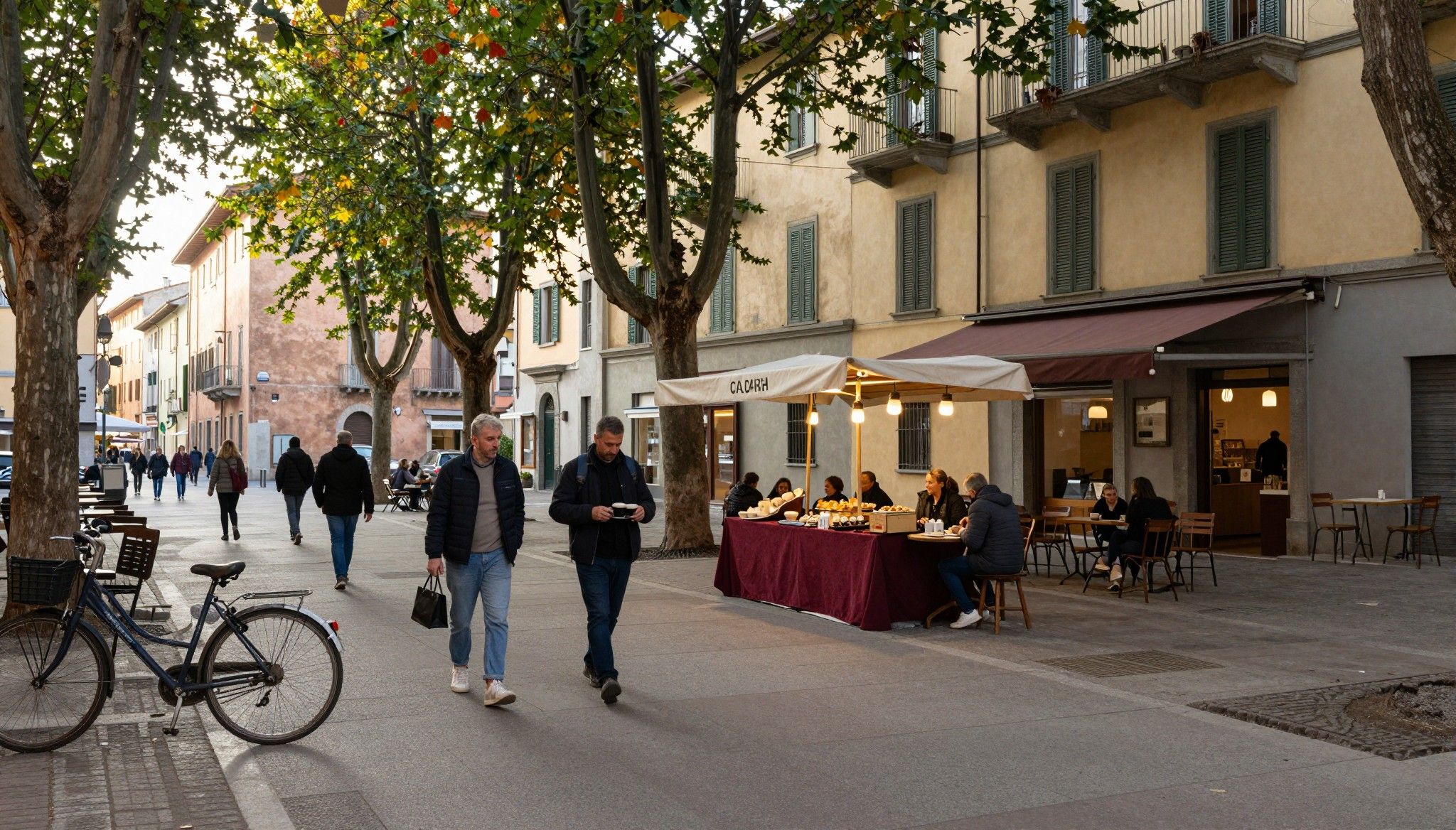
Cyprus is both Mediterranean ease and the particular cadence of small islands: mornings begin in cafés, afternoons favour coastal promenades or olive-scented mountain walks, and evenings gather in tavernas under bougainvillea. Each district suggests a different tempo: Nicosia's colonnaded cafes and townhouse courtyards have a deliberate urban intimacy; Limassol moves between marina modernity and ageing citrus groves; Paphos keeps a gentler coastal tradition where mornings still belong to fishmongers and bakers. For an international buyer, the island’s daily life rewards proximity to community rituals — the fish market on Paphos harbour, an espresso at Stasikratous in Nicosia, or a Sunday table of meze in Tala — and those rituals should guide choice of property as much as price per square metre.
Neighbourhood spotlight: Limassol's old town and Germasogeia
In Limassol's old town, narrow streets frame restored neoclassical facades, small jewellery ateliers and quietly confident restaurants; a short walk delivers you to the castle and a harbour that has acquired a discreet international clientele. Germasogeia, by contrast, places terrace living and family villas near sandy coves and practical schools, making it attractive to established professionals who value both travel connectivity and local rhythm. Choosing between them is not merely choosing a view: it determines the kind of daily life you will protect — a listed townhouse requires different insurance and maintenance planning than a contemporary seafront apartment.
Food, markets and the seasons that shape life
Cyprus’s culinary life moves with harvests: citrus in winter, carob and halloumi through spring, and late-summer figs and tomatoes that perfume village kitchens. Weekend markets in the Troodos foothills, the fish stalls at Larnaca's Old Port and the olive presses in autumn are not tourist curiosities but practical elements of domestic life — they tell you when to expect guests, when terraces are used and when properties sit empty between seasons. Those rhythms matter for insurance: a holiday home used only in summer needs vacancy cover and careful attention to water ingress, while a year-round family house should prioritise comprehensive rebuilding and liability protection.
Making the move: practical considerations that preserve lifestyle

A dream morning must meet a sober afternoon of paperwork. Cyprus’s House Price Index and central bank reports indicate continued, if measured, price growth — a reminder that protection is part of purchase cost, not an optional afterthought. Your agent should introduce an insurer and an independent surveyor early; illustrated rebuilding sums, clear Title Deeds and up-to-date management‑committee insurance certificates are the documents that translate lifestyle into durable ownership. Banks commonly insist on buildings insurance, but their policies are rarely sufficient for a buyer who values design integrity or significant renovation.
Property styles and the protections they require
A Byzantine stone village house in Lefkara will demand cover for structural masonry, slate roofs and potential restoration costs; a modern seafront apartment requires attention to communal liability, lift machinery and salt‑air corrosion. Insure to rebuild, not to market value: rebuilding costs reflect materials and specialist trades, which are currently rising across Europe and can diverge sharply from sale price. If your plan includes short‑let income, insist on specialist landlord or holiday‑let cover that includes loss of rent and guest liability; standard home policies often exclude commercial use.
Steps to secure property and protect your life there
1. Commission an independent structural survey and a written rebuild estimate before exchanging contracts; treat the survey as part of the design brief, not just a formality. 2. Ask your lender for the exact insurance terms they will accept and compare with policies from at least two English‑language insurers or brokers on the island. 3. Insure communal areas correctly: request the management committee's policy schedule and confirm sums insured include full reinstatement of common structure. 4. Add vacancy, flood and subsidence extensions where relevant — coastal and mountain plots present different exposures. 5. Review exclusions carefully and secure specified cover for significant fixtures: solar arrays, pools, stone façades and imported joinery often require declaration.
Insider knowledge: what expats wish they'd known sooner
Many expats discover that Cyprus’s informal assurances — a friendly management committee or a developer’s promise — are not a substitute for contractual certainty. In practice, building insurance uptake is low and many shared‑ownership policies are minimal, exposing owners to sizable repair bills after storms or leaks. Knowing this, experienced buyers insist on documentary proof and, where necessary, insist that minutes of owners' meetings record agreed increases in cover and declared reinstatement values.
Cultural and seasonal realities that affect protection
Cyprus’s climate means exposure to summer storms and the occasional winter flash flood; mountain villages may face snow and rockfall. Social habits matter too: long family absences during August or extended rental seasons require vacancy clauses or specialist short‑let policies. Finally, the island’s intertwined community structures — management committees, local craftsmen, and municipal services — are your daily reality; cultivate relationships, but secure them with clear insurance and service contracts.
Practical protections to prioritise
Comprehensive rebuild cover (based on a recent professional estimate).
Jointly‑owned building policy evidence with full sums insured for common parts.
Vacancy and short‑let extensions where the property will be unoccupied or rented seasonally.
Declared fixtures cover (pools, solar arrays, bespoke joinery) and cover for debris removal and professional fees.
Working with agents and brokers who preserve the lifestyle
An agent who knows Limassol’s coffee shops and the Troodos artisan network will also know which surveyors and brokers understand rebuild estimates and specialist exclusions. Treat your estate agent as curator and your broker as the technical partner: both should speak English comfortably, provide written recommendations and introduce you to insurers who issue policies in English. That practical curation protects not only capital but the very life you intend to live here.
Questions to ask at first meeting
1. What is the insurer's stated rebuild valuation methodology? 2. Does the policy cover communal defects and professional fees? 3. Which exclusions apply to coastal exposure, pools and solar installations? 4. Is vacancy or holiday‑let cover available and what are the exact conditions? 5. Can claims be handled in English and what is the panel of approved repairers?
Conclusion: the life you buy is the risk you must accept — and manage. Cyprus offers a refined balance of coastal light, village ritual and accessible European infrastructure; to live well here is to be both generous with pleasure and precise with paperwork. Insure for reinstatement, insist on documentary proof of communal cover, and work with an agent and broker who treat protection as part of design. Begin with a local rebuild estimate and a copy of the management committee’s policy — small acts now preserve decades of afternoons at the harbour.
Norwegian with years in Florence guiding clients across borders. I bridge Oslo and Tuscany, focusing on legal navigation, cultural context, and enduring craftsmanship.