Why winter house‑hunting in Cyprus improves financing
Winter viewings in Cyprus reveal motivated sellers, clearer mortgage terms and negotiation leverage—use seasonality to improve financing and preserve lifestyle value.

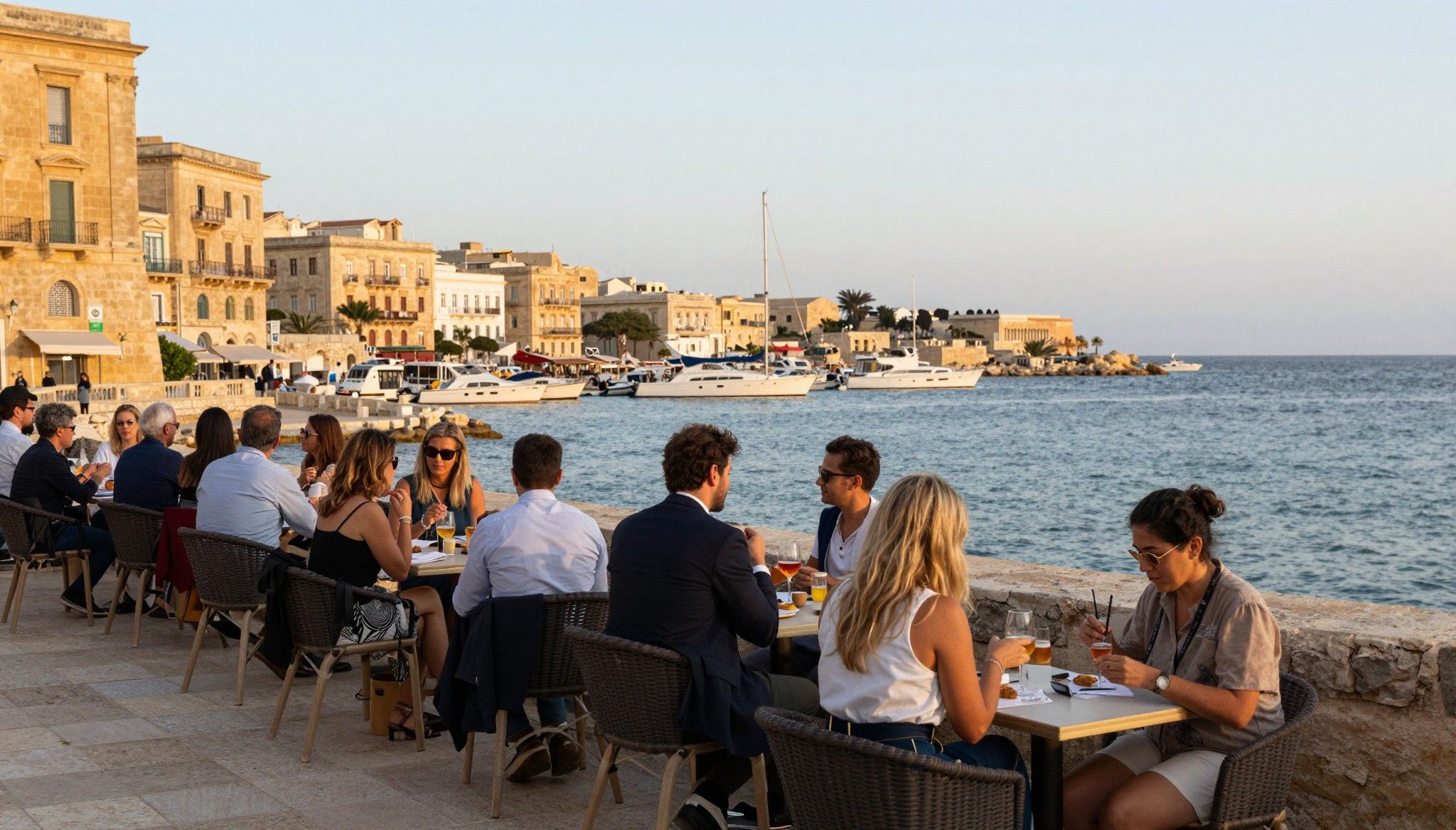
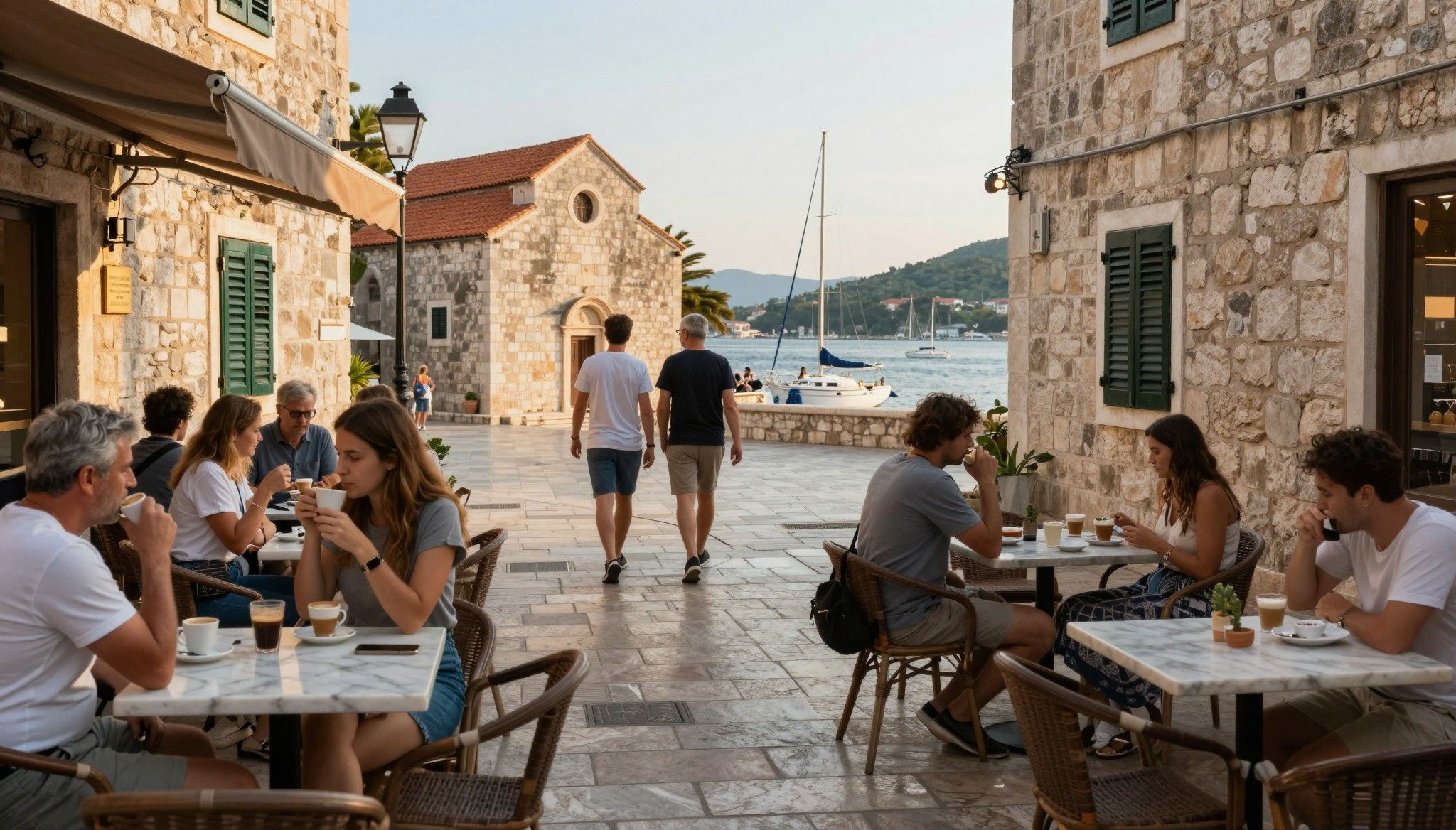
Imagine a late‑winter morning in Limassol: the sea a pewter ribbon, cafés on Georgiou A′ warming with espresso, and a small clutch of view apartments freshly listed after the high‑season hush. For many international buyers that scene is the romance — sun, Mediterranean light and a relaxed tempo — yet winter also reveals a practical rhythm: sellers who reassess price expectations, banks that tidy lending criteria, and agents who prioritise motivated, documented buyers. This piece follows that quieter season to explain how timing, local mortgage practice and a clear financing plan can materially change what you can purchase in Cyprus.
Living the Cyprus Life — weekdays and weekends
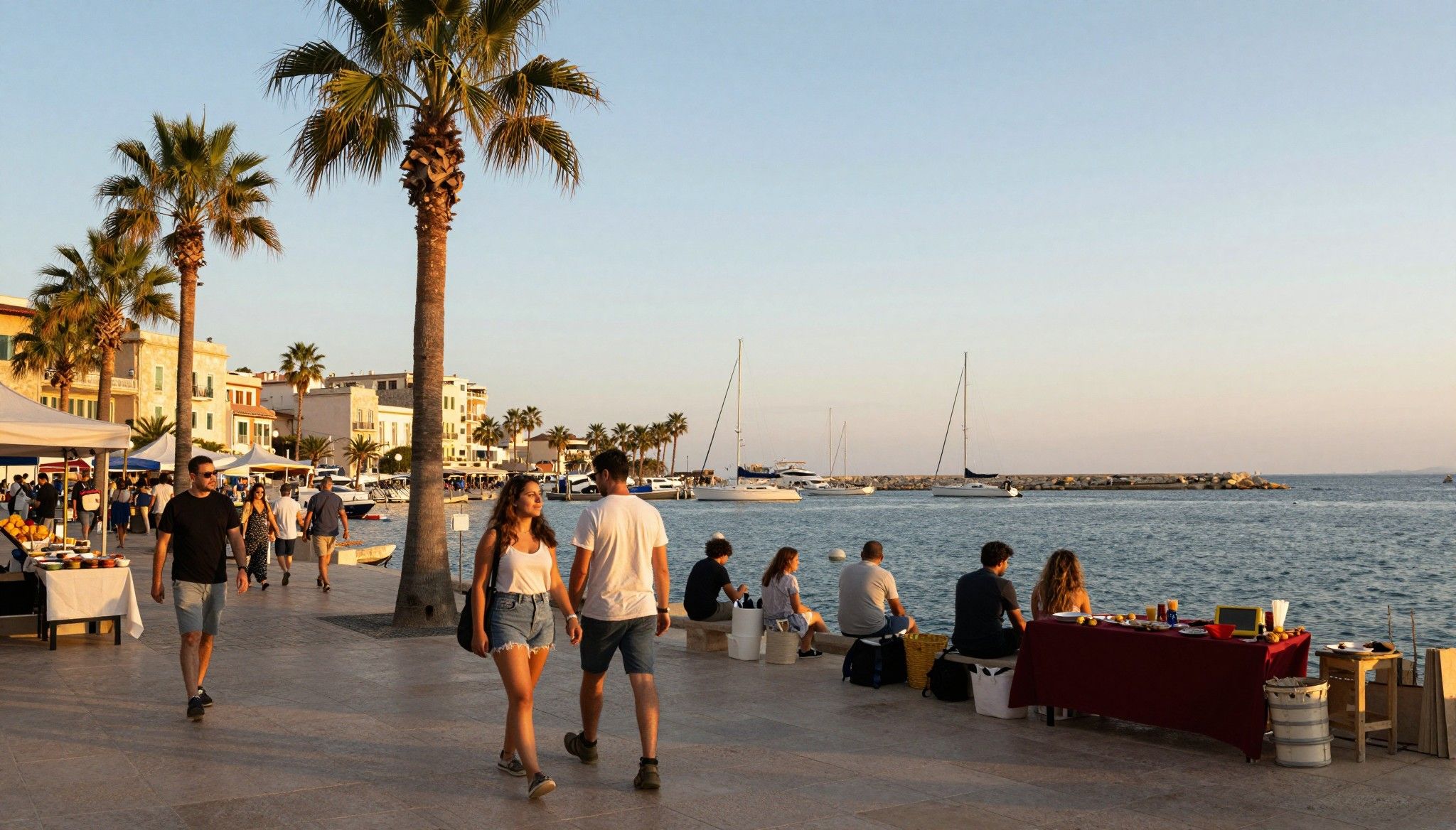
Cyprus is lived outdoors. Weekdays begin with a brisk walk along promenades in Limassol or a slow breakfast in Nicosia’s old town; weekends are olive groves in the Troodos, fish tavernas in Latchi, or an afternoon market in Paphos. The island’s Mediterranean climate gives you long terraces, late dinners and a municipal rhythm that privileges community life over frantic commerce. For an international buyer, these habits reshape what a property must provide: sheltered outdoor rooms, easy storage for seasonal gear, and a kitchen suited to market shopping rather than bulk supermarket runs.
Neighborhood character: Limassol, Nicosia, Paphos and the east coast
Limassol combines maritime elegance and a discreet financial scene; green avenues like Gladstonos and the promenade around Molos are prized for walkability and provenance. Nicosia feels compact and civic — stroll Ledra Street and you understand why townhouses with inner courtyards retain value for families seeking quiet privacy. Paphos rewards those wanting a slower, historic pace: Kato Paphos and the hilltop neighbourhoods around the medieval castle keep a measure of old island life alongside new villas. On the east coast, Ayia Napa and Protaras are summer‑bright but quieter in winter, a feature that savvy buyers exploit to negotiate.
Food, markets and the slow rituals that make a place home
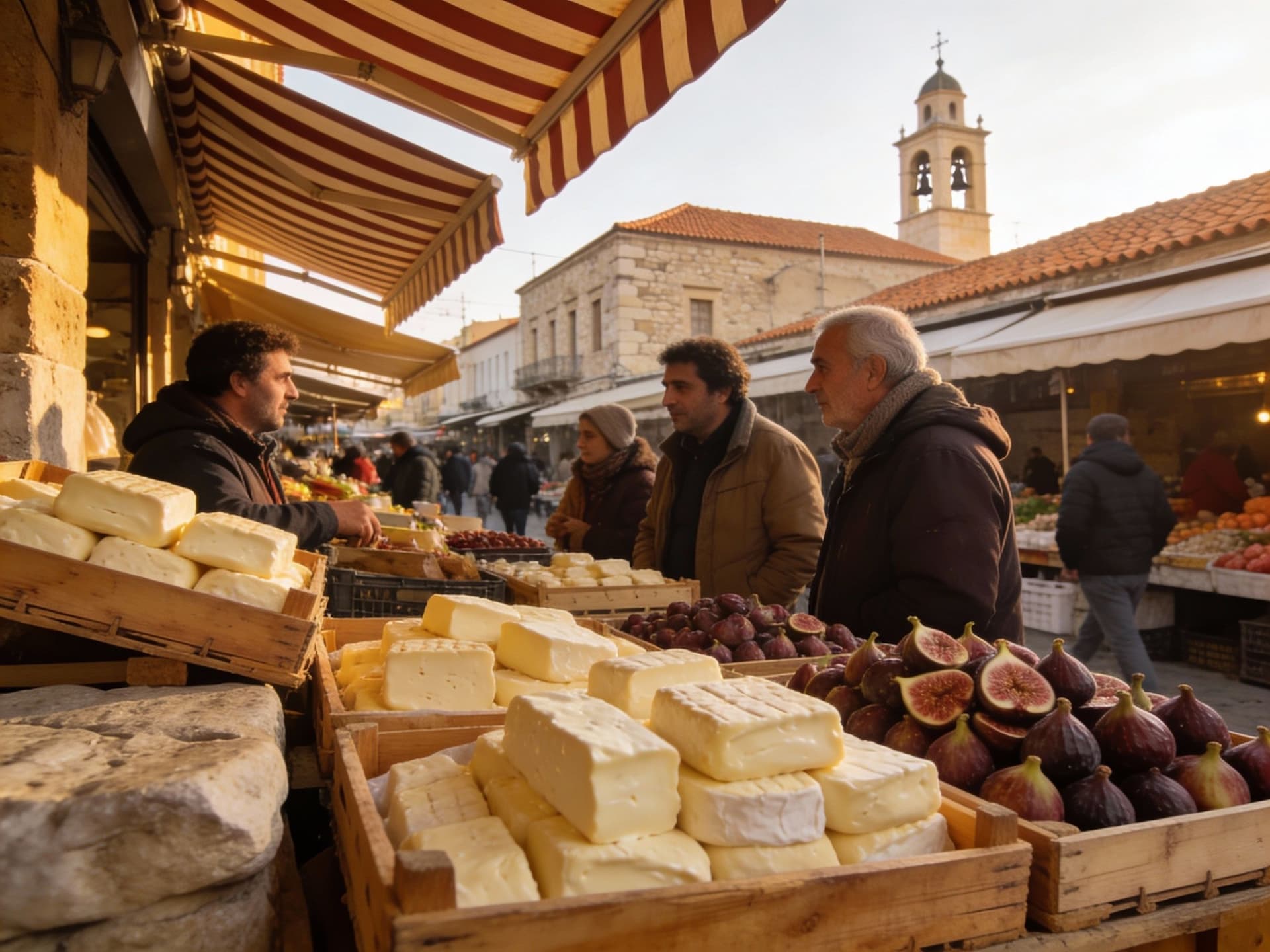
Picture Saturday mornings at the Nicosia municipal market: crates of halloumi, early figs, and vendors who know buyers by name. Even beyond produce, there is a civic craft culture — woodworkers in Troodos, ceramics workshops in Famagusta district — that gives neighborhoods texture. For an owner, these rituals inform the practical: proximity to weekly markets can increase usage of a modest kitchen, while access to local artisans suggests renovation opportunities that preserve local character and add value.
Lifestyle highlights to seek when viewing: a café on the ground floor, a market within walking distance, evening light on a south‑facing terrace, a courtyard with mature planting, a discreet garage or storage for bikes and water sports gear, proximity to a reliable medical centre.
Making the move: winter timing, finance and market reality

Seasonality matters in Cyprus not because prices swing wildly, but because the market’s character shifts. Central Bank of Cyprus statistics show steady, moderate price growth in recent quarters, with houses often appreciating faster than apartments. That steadiness rewards buyers who use slower months to seek leverage: motivated sellers, clearer documentation, and banks more willing to discuss tailored mortgage terms. Understanding local index trends gives you leverage in timing offers and structuring finance.
Property types and how they shape finance
Traditional stone houses in villages present different financing questions than new coastal apartments: lenders consider replacement cost, title clarity and resale potential in tourist seasons. A renovated townhouse with solid titular provenance will attract safer lending than a partly‑regularised coastal villa. If your lifestyle needs a garden and workroom, favour properties where renovation budgets are explicit; lenders in Cyprus often ask for detailed cost estimates before advancing renovation‑inclusive loans.
Working with local experts who understand both life and lending
A local lawyer and an agency fluent in neighbourhood rhythms do more than find a property; they translate the lifestyle into credible financial narratives for banks. Cyprus lending still places weight on thorough documentation and proof of income; an agent who prepares a concise occupancy plan, rental forecasts for seasonal letting, or a conservative renovation schedule materially improves bank confidence. For buyers who need residency‑by‑investment context, be aware that Cyprus’s citizenship‑for‑investment scheme has been discontinued, and residency routes now require different approaches to demonstrate ties and intent.
Practical winter steps that blend lifestyle and finance: 1) Visit shortlisted neighbourhoods in January–March to see everyday life outside peak tourism. 2) Collect documentation early: tax returns, bank statements, and proof of funds to accelerate mortgage decisions. 3) Commission a local valuation and a short renovation estimate to present to lenders. 4) Negotiate conditional offers that allow a 60–90 day due‑diligence period for title checks. 5) Discuss fixed vs variable mortgage components with local banks, factoring seasonality in potential rental income.
Insider knowledge — expat realities and financing red flags
Expat communities are generous and discreet, but there are real, recurring pitfalls that affect financing. Incomplete title deeds, informal extensions to properties, and optimism about short‑term holiday income are common issues that weaken mortgage applications. The island’s earlier citizenship‑for‑investment era left a legacy of complex paper trails in some sales; good counsel will surface these matters early and avoid contingent liabilities for buyers.
Cultural nuances that change how you present a purchase
Cypriot sellers and agents value clarity and relationships. Presenting yourself as a buyer with local ties — even modest ones such as a planned residency period or a clear rental management plan — fosters trust and can ease negotiations. Language gaps are easily bridged by bilingual lawyers; what cannot be replaced is a demonstrable readiness to move quickly during the quiet months when the best transactional clarity is available.
Red flags to reject before financing: • Incomplete or missing title registry documents • Unpermitted extensions or unclear renovation histories • Overly optimistic rental yield forecasts without bookings • Sellers insisting on cash‑only timelines without legal escrow • Discrepancies between advertised and registry floor area
In the long view, Cyprus rewards stewardship. A home bought with attention to provenance, a measured renovation plan and financing that reflects true seasonality becomes part of the community rather than a speculative asset. If you imagine mornings at a quiet Kato Paphos quay or evenings in Limassol’s old port, structure a financing approach that lets you inhabit that life without stress: conservative leverage, transparent budgets and local advisers who know when the market breathes easiest.
If you would like a short checklist tailored to a specific neighbourhood — Limassol’s Molos, Nicosia’s old town, or Paphos’ Kato district — we can map typical financing packages and likely red flags so you arrive prepared. Start by scheduling winter viewings and assembling legal and financial documentation; the quieter months often deliver the clearest path from intention to ownership.
Relocating from London to Mallorca in 2014, I guide UK buyers through cross-border investment and tax considerations. I specialise in provenance, design integrity, and long-term value.