Why Autumn Buying Lowers Mortgage Friction in Greece
Autumn and off‑season buying in Greece can lower borrowing costs and negotiation friction; combine local counsel, Bank of Greece rate trends and residency rule shifts to time your mortgage.
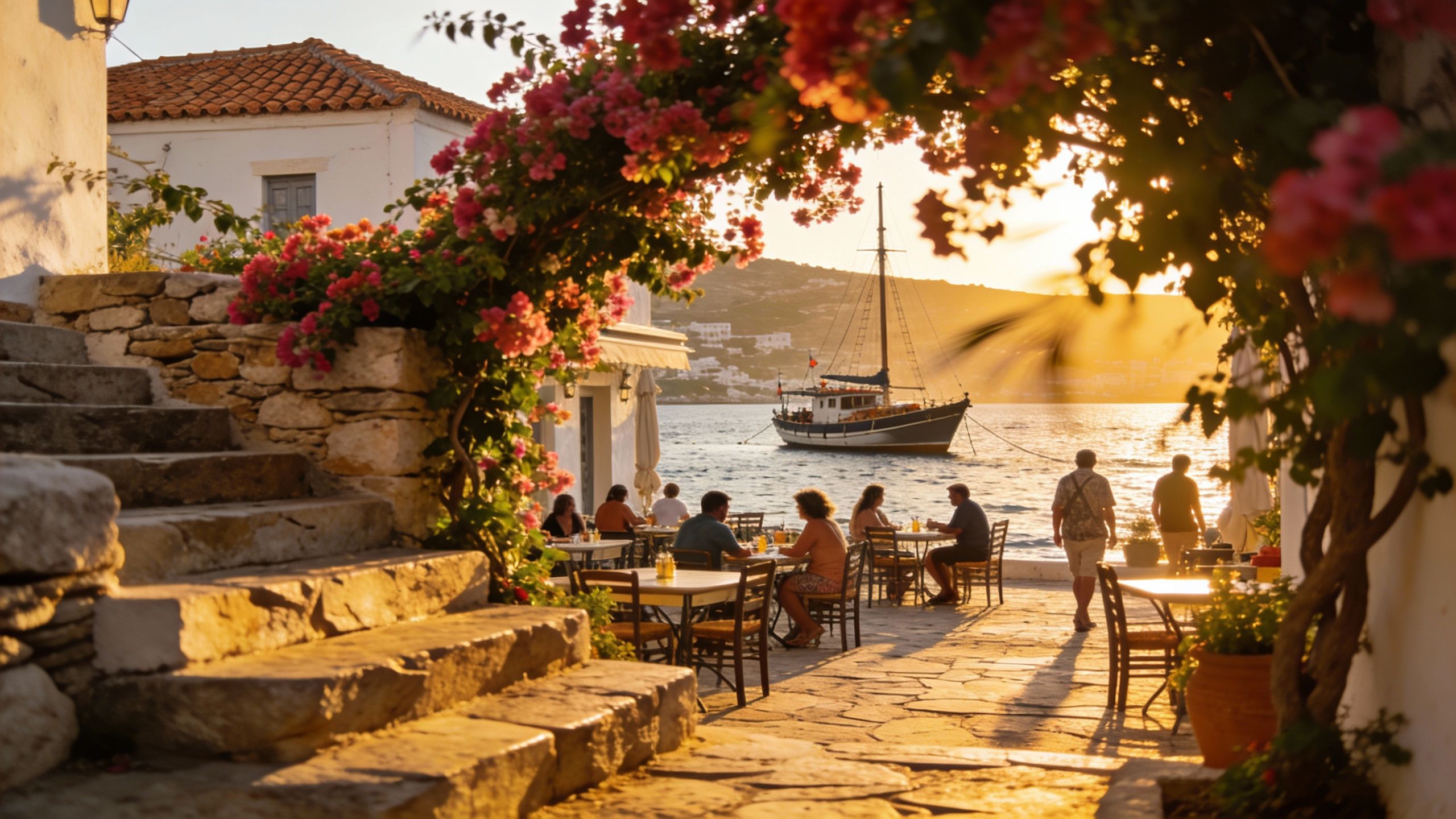
Imagine stepping out of a narrow Athenian street at dawn, the scent of strong espresso from a kafeneio, the light catching on weathered marble and olive trees. In Greece, daily life moves between the piazza and the sea, and for many international buyers the property search is an attempt to make that rhythm permanent. Yet financing a Greek home requires more than affection for light and limestone: timing, local policy and lender practice quietly shape what you can borrow, how much it costs and when it makes sense to sign.
Living Greece: light, streets and seasonal rhythms
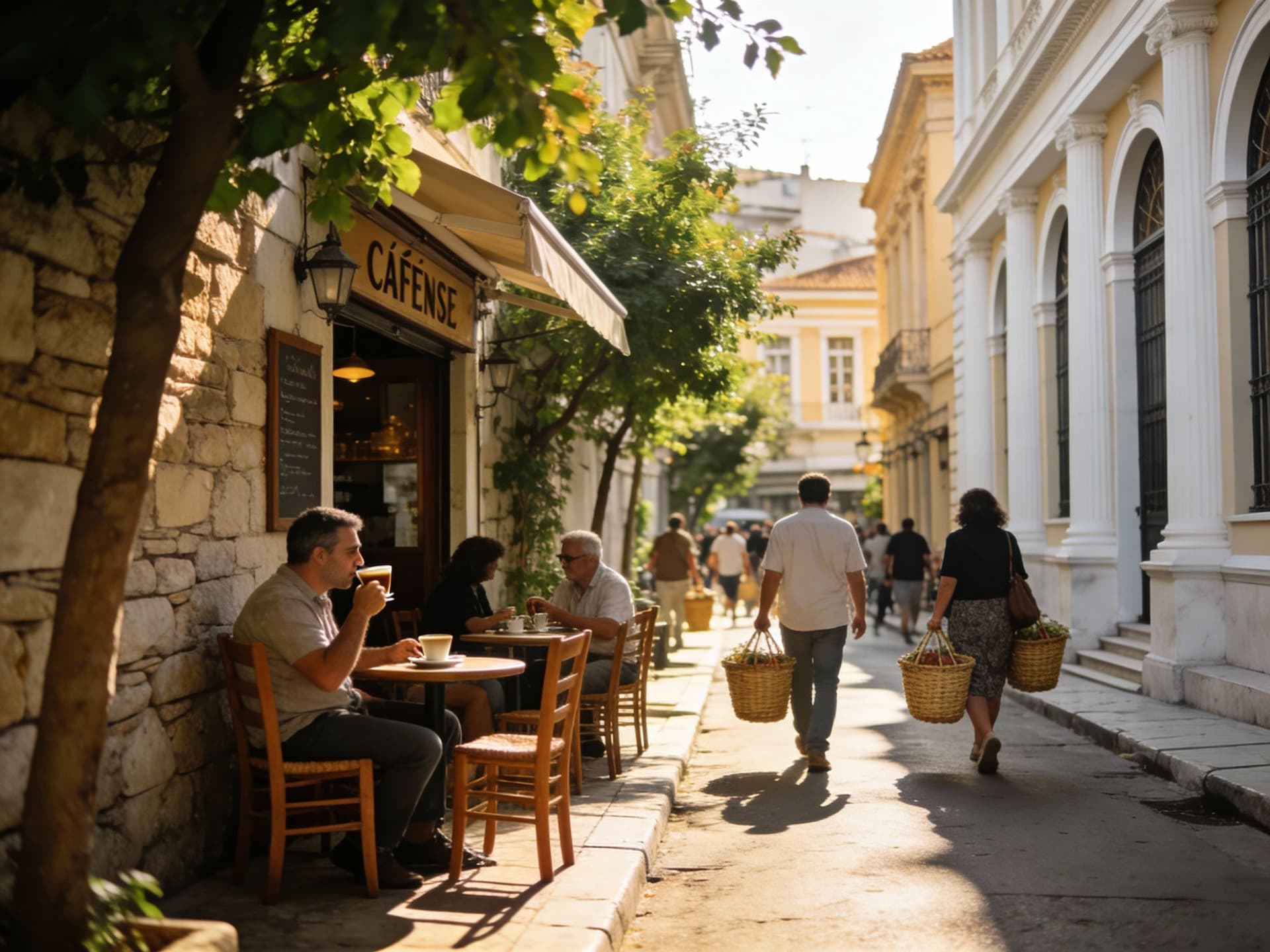
To live in Greece is to live with seasons that rearrange daily life. Summers are for islands — Mykonos, Syros, the quieter bays of Kefalonia — where terraces and late dinners define social life. Winters are urban and intimate: Athens’ Koukaki and Thissio hum with local markets and wood‑fired bakeries. The lifestyle you covet will determine the financing route you choose: a city pied‑à‑terre suits different loan terms than a restored Mani stone house or a seaside villa on Crete.
Athens and the islands — contrasting daily scenes
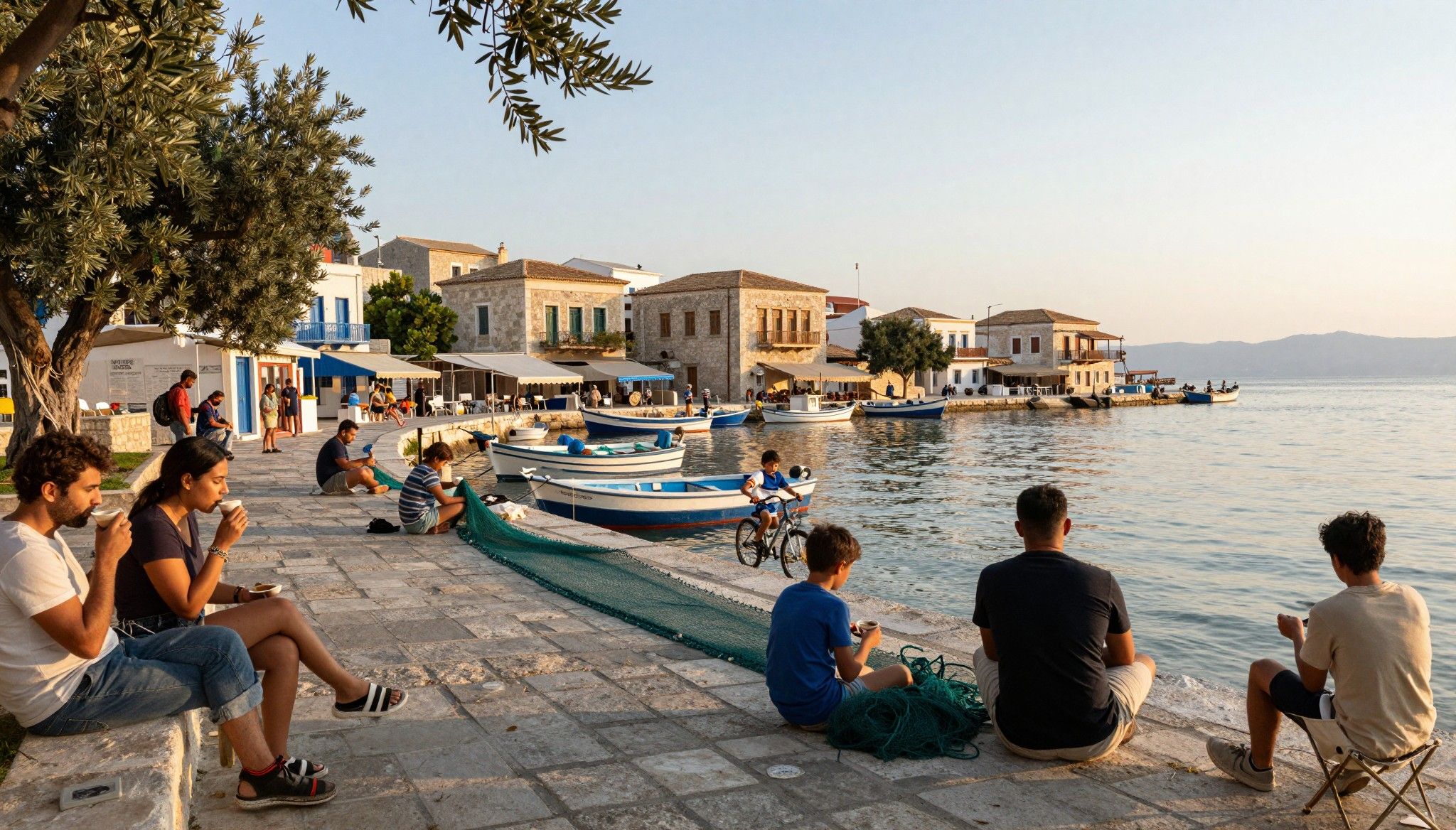
Walk in Kifissia before noon and you’ll find tree‑lined avenues, small ateliers and boulangeries; cross to Plaka and the rhythm slows to tourists, tavernas and marble courtyards. On the islands, Manto Mavrogenous Street in Mykonos or the old port of Chora on Naxos are about waterfront life, small‑scale commerce and a different market dynamic. Each setting alters the practicalities of borrowing — from valuation approaches to rental potential if you plan to let.
Food, markets and the social logic of neighbourhoods
Markets shape social life: Athens’ Varvakios for fish, the Central Market of Chania for Cretan produce, and Piraeus’ morning fish auctions are weekend rituals that anchor communities. For buyers, proximity to markets and year‑round services matters more than sea views when considering long‑term habitability and resale. Lenders and valuers note this too; they look for evidence of steady local life when assessing mortgage risk.
- Lifestyle highlights to watch when choosing location
- A morning espresso at Koukaki’s Little Tree Café; proximity to Varvakios Market in Athens for weekly shopping; a swim at Vlychada beach in Milos before breakfast; Saturday olive‑oil stalls in Rethymno; the Saturday night plateia in Nafplio’s old town.
Making the move: practical considerations and surprising timing advantages

The surprising truth for many buyers is that timing — the season you make your offer — can influence financing terms. Greek mortgage rates have softened from recent peaks; the Bank of Greece reports declines in average housing loan rates in 2024–2025, which can make late‑year offers more favourable. At the same time, policy changes such as the 2024‑25 revisions to residency‑by‑investment thresholds reshape demand in prime islands and parts of Attica, altering lender appetite and valuations. Combining seasonal quiet with a market where average mortgage rates are easing can lower your borrowing cost and improve negotiation leverage.
Property types and the financing they attract
Banks and specialist lenders distinguish between newly built apartments, listed historic houses and island villas. New builds often carry developer warranties and simpler valuation metrics; heritage restorations may require phased lending or refurbishment loans. If you value craftsmanship and provenance, expect a lender to request detailed restoration budgets and extended inspections before releasing full funds.
How local experts shape mortgage outcomes
A Greek lawyer who understands cadastral idiosyncrasies, and an on‑island valuer who knows seasonal rental comparables, are more valuable than a generic mortgage broker. Agencies rooted in neighbourhood life—those who can name the kafeneio and the baker—translate lifestyle into lender‑friendly evidence: occupancy patterns, rental history and credible upkeep records.
- Practical steps to marry lifestyle and finance
- 1) Gather proof of sustainable income and a clear cash deposit (usually 20–30% for non‑residents). 2) Commission a local valuer who knows both holiday and year‑round comparables. 3) Secure a Greek tax number (AFM) early — banks will not proceed without it. 4) Ask lenders about fixed vs indexed rates and early repayment terms. 5) If buying during policy shifts (e.g., Golden Visa changes), consult immigration counsel before contract.
Insider knowledge: what expats wish they'd known
Expats commonly tell the same story: they fell for light and sea, then learned that the small details—cadastre delays, VAT on new builds, and the timing of residency rules—determine whether the purchase feels like a sanctuary or a burden. The 2024–25 tightening of residency thresholds in prime districts pushed demand away from some islands and into secondary markets, creating openings for buyers willing to look beyond headlines.
Cultural and seasonal realities that affect ownership
Many properties are lived in seasonally; neighbours may be absent for long stretches. That affects maintenance costs, insurance and the practicalities of a mortgage if lenders require evidence of year‑round occupancy. Conversely, buying in autumn or winter — when the islands quiet and sellers are more pragmatic — often brings clearer negotiations and sometimes better financing terms.
Long‑term lifestyle and financial considerations
Think beyond purchase price. Transfer tax, notary and registration fees, and the treatment of VAT on new developments can add materially to costs. If your plan includes renovations, lenders will want phased budgets. If you intend to rent, align mortgage amortisation with anticipated seasonal cash flow and consult a local accountant about ENFIA and income tax on rentals.
- Red flags and practical checks before you commit
- Unregistered land or incomplete cadastre entry; developer promises without paid VAT receipts; mortgages on adjacent units that could affect common areas; valuation reports that use high summer rental yields but ignore off‑season reality.
- If you proceed: a concise financing checklist
- 1) Obtain AFM and open a Greek bank account. 2) Request a pre‑approval from at least two lenders, including one local bank and one international bank active in Greece. 3) Commission title and cadastral searches. 4) Agree a staged payment schedule with retention for renovations. 5) Lock a rate if you expect monetary easing to reverse or if a fixed term suits your risk tolerance.
The data: why the market currently favours thoughtful timing
Bank of Greece figures show a decline in average housing loan rates through 2024–25, which reduces monthly service cost for new borrowers; concurrently, policy shifts to residency‑by‑investment thresholds have redirected demand from saturated islands toward secondary markets. Together these forces create windows where buyers willing to act in off‑peak months can secure both better negotiation terms and attractive loan pricing. Always confirm current rates with lenders — the Bank of Greece publishes monthly updates and local banks will quote specific product rates.
Conclusion: live the life, sustain the investment
Greece rewards patience and local knowledge. Start with a lifestyle map — which streets, markets and seasons matter to you — then assemble a team that converts that map into lender‑friendly evidence. With the right timing, rooted local counsel and careful budgeting for taxes and restoration, financing a Greek home becomes an instrument for the life you imagined rather than an obstacle to it. When you’re ready, an agency grounded in neighbourhood life will connect the dream to the deed.
Relocating from London to Mallorca in 2014, I guide UK buyers through cross-border investment and tax considerations. I specialise in provenance, design integrity, and long-term value.