When Limassol Feels Overpriced: Where Cyprus Value Hides
Contrary to the Limassol‑first myth: Cyprus value is shifting to Paphos and Larnaca—practical finance and seasonal lifestyle guide for discerning buyers.
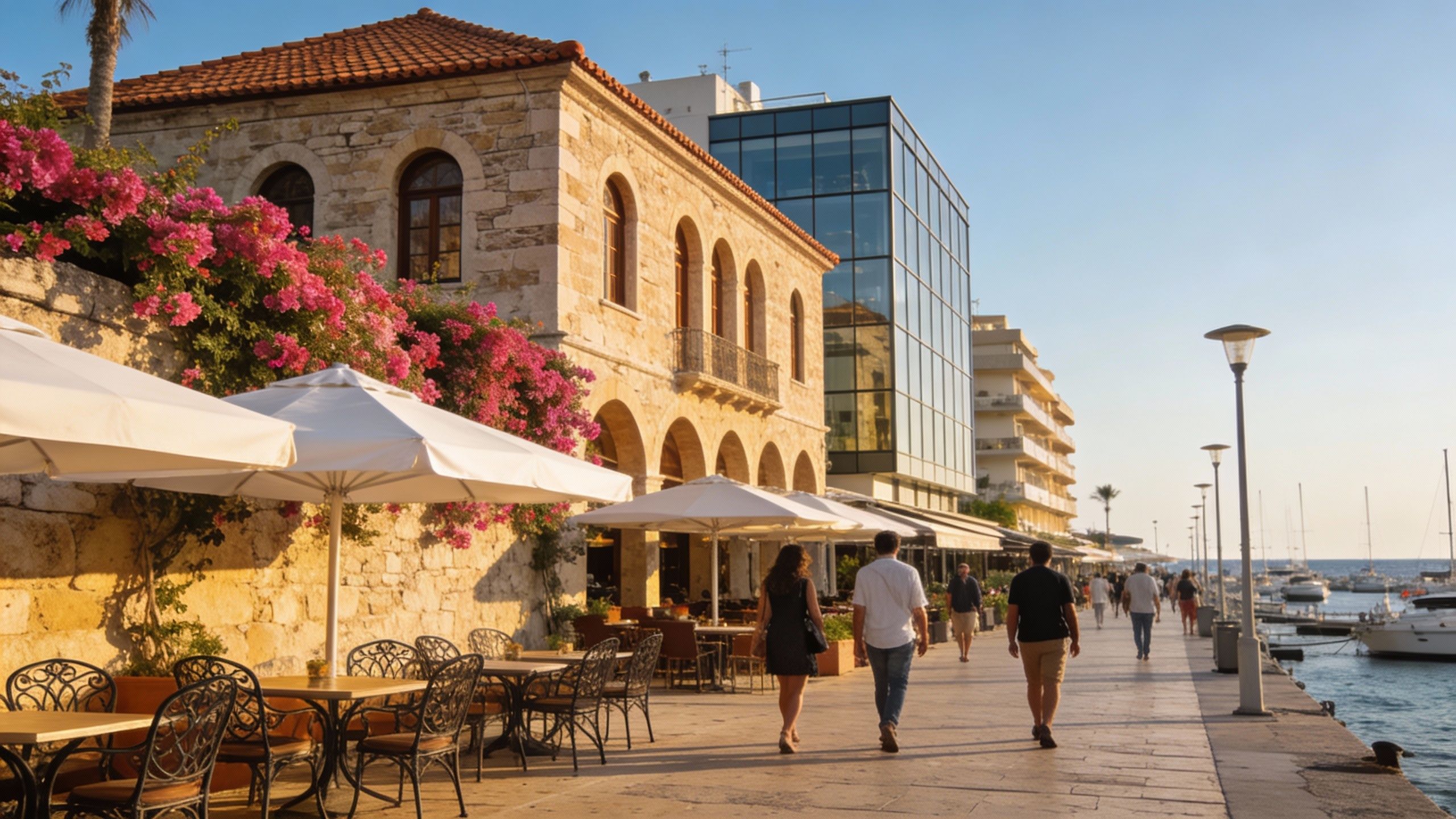
Imagine waking to café chatter on Makarios Avenue, the sea a cool line on the horizon, and a narrow side street in Limassol where a carpenter still oils his hand‑made shutters. Cyprus offers that small‑scale, Mediterranean tempo—sunlit mornings at market stalls, slow lunch conversations under bougainvillea, and autumn weekends in Troodos villages picking chestnuts. Yet many buyers arrive convinced that a Limassol postcode is the only sensible route to value. That assumption, held with conviction, obscures quieter corners of the island where lifestyle and financial sense meet.
Living the Cyprus life: texture before ticker
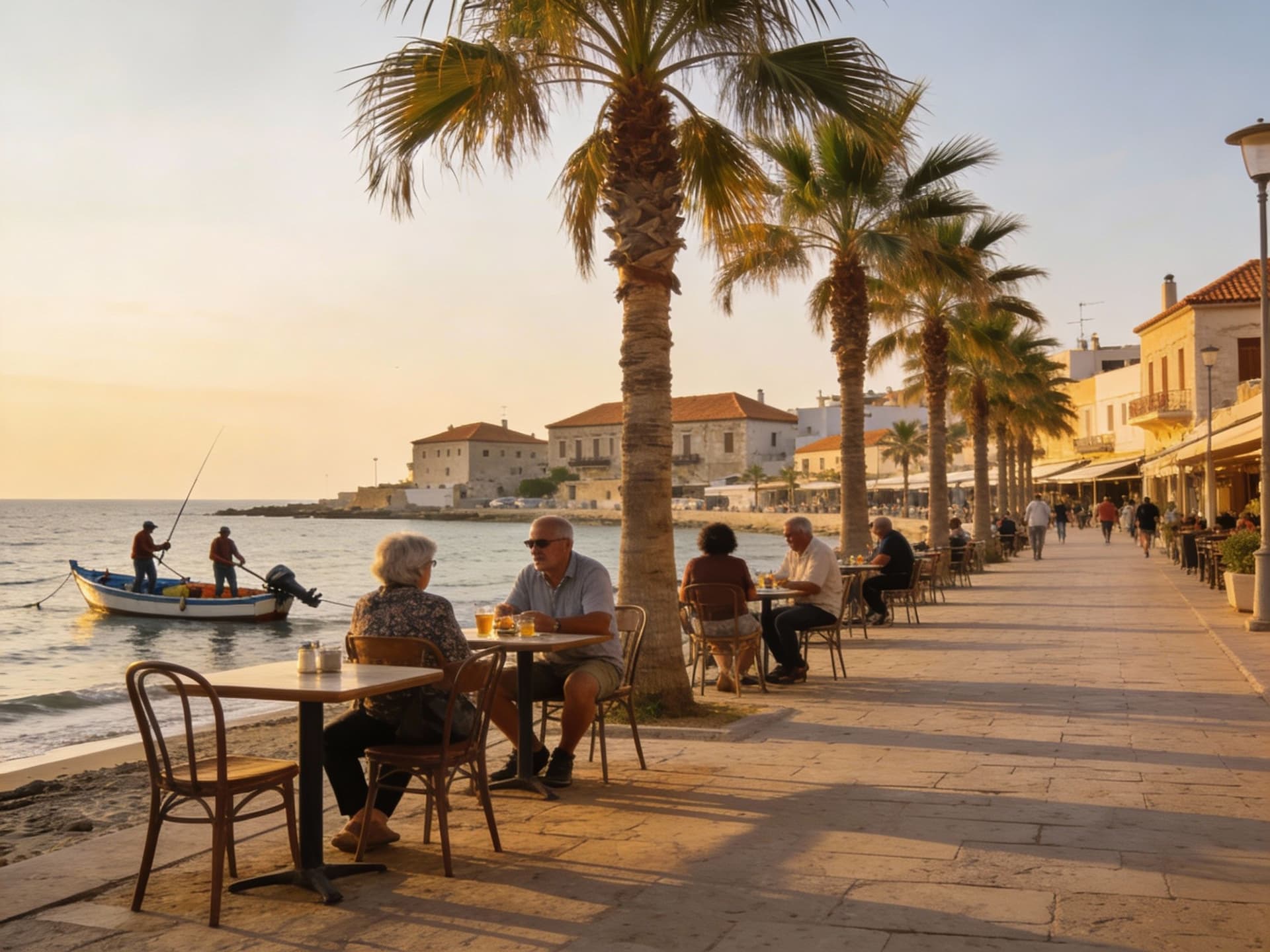
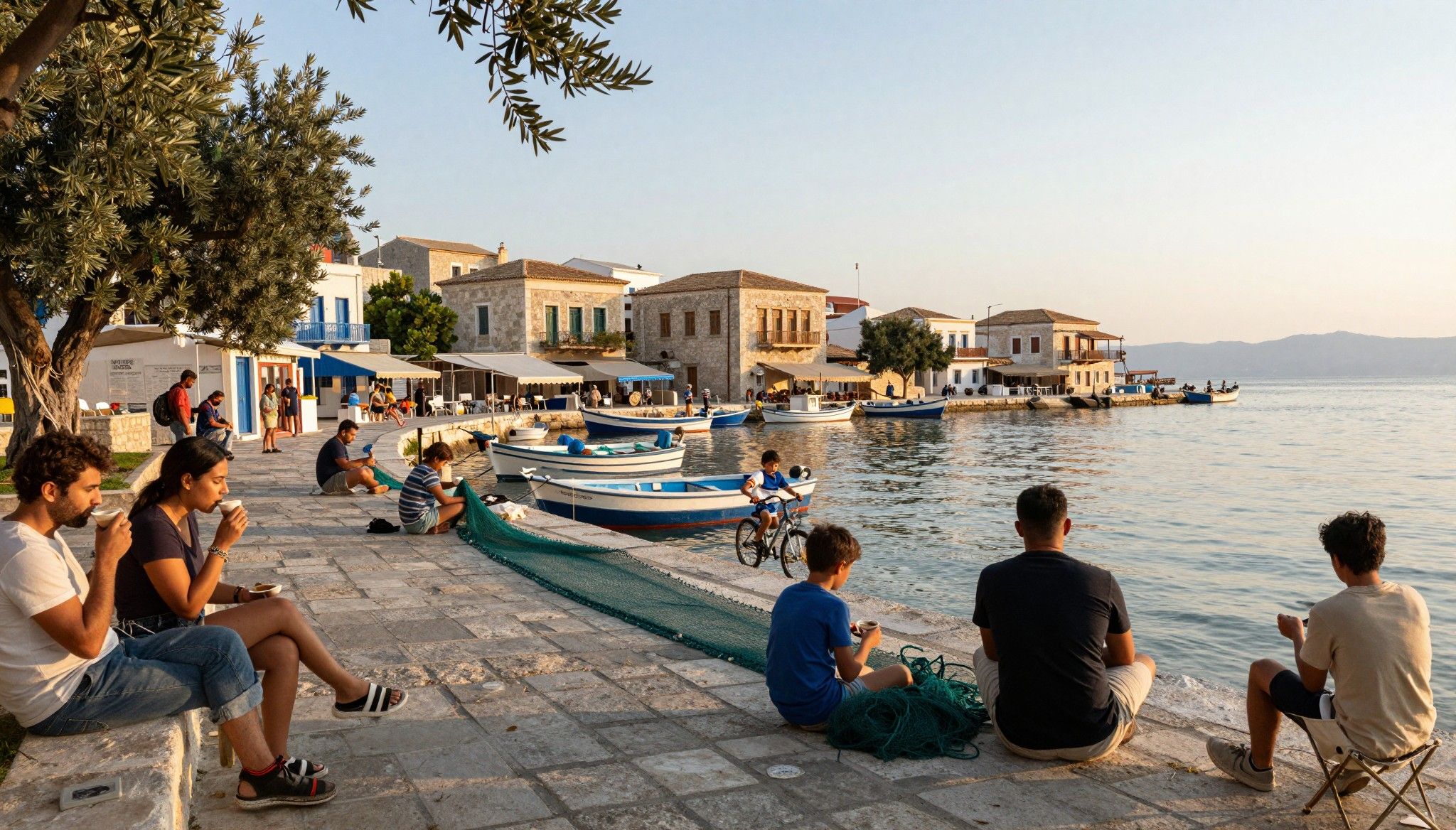
Cyprus is not a single rhythm but a collection of lived patterns. In Limassol you feel commerce and coast in one breath—marina promenades, contemporary galleries and neighbourhood tavernas. Nicosia has the intimacy of an island capital: shaded courtyards, second‑hand bookshops in Ledra, and a measured civic steadiness. Paphos is a slow, classical romance—archaeology woven into everyday life—while Larnaca offers a low‑rise coastal calm with an unexpectedly lively café culture along Finikoudes.
Limassol lanes and the marina: style with a cost
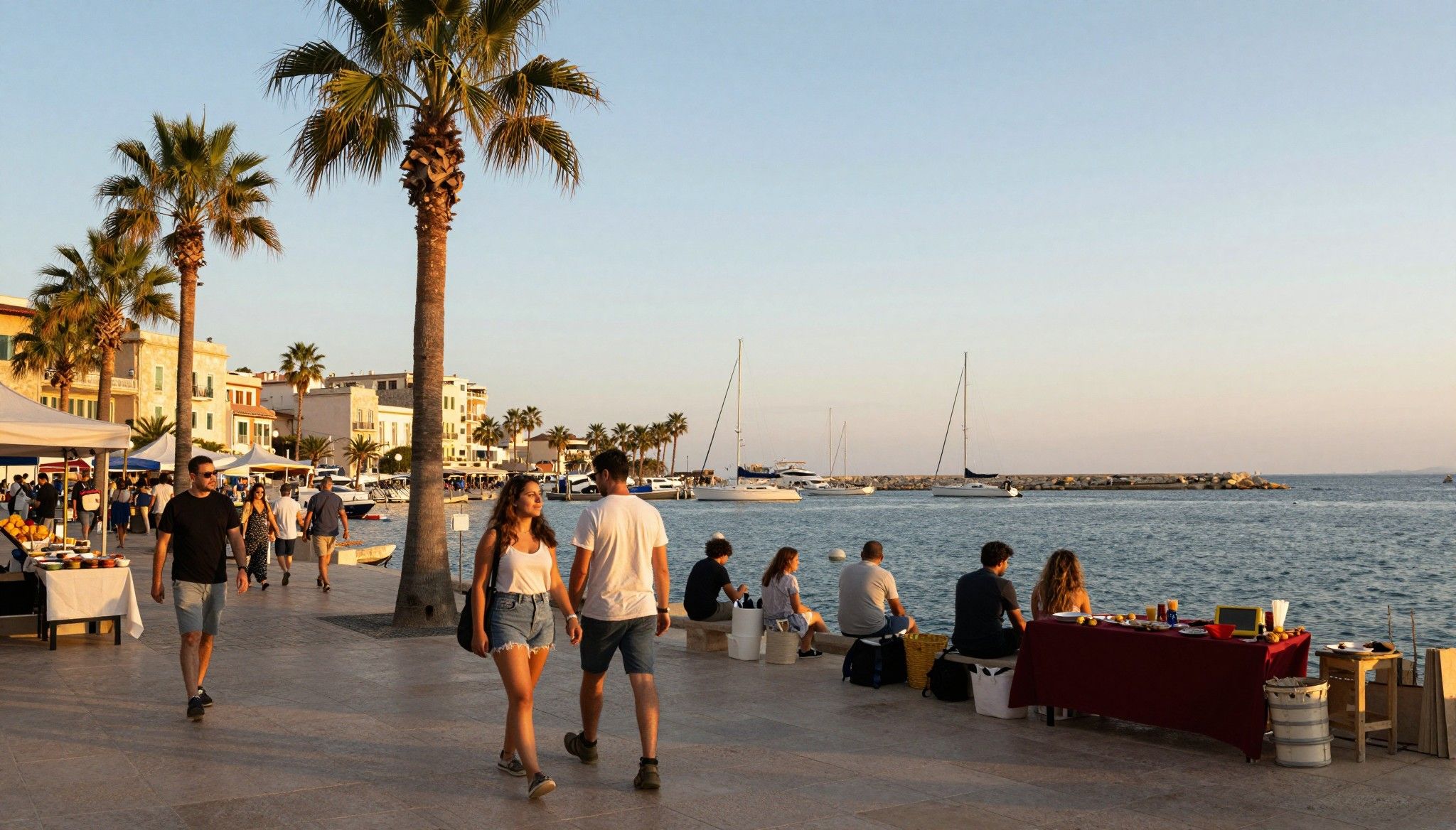
Limassol’s marina and Molos promenade are magnets for international buyers and premium development. That concentration of amenity explains premium pricing—but it also concentrates risk: a narrow market segment, higher running costs and greater sensitivity to currency and interest movements. Recent market reporting shows Limassol still commands a disproportionate share of high‑value transactions. For a buyer seeking architectural provenance rather than headline vistas, other districts often provide better value for stewardship‑minded purchases.
Paphos and Larnaca: quieter value with character
Paphos has seen a notable uptick in apartment transactions and price growth, driven by lifestyle buyers seeking historic streets and coastal calm. Larnaca—once overshadowed—has been absorbing second‑tier demand from buyers priced out of Limassol. The Central Bank’s recent indices show slower house price growth island‑wide but pockets of acceleration in places like Paphos, suggesting that value migration is already underway.
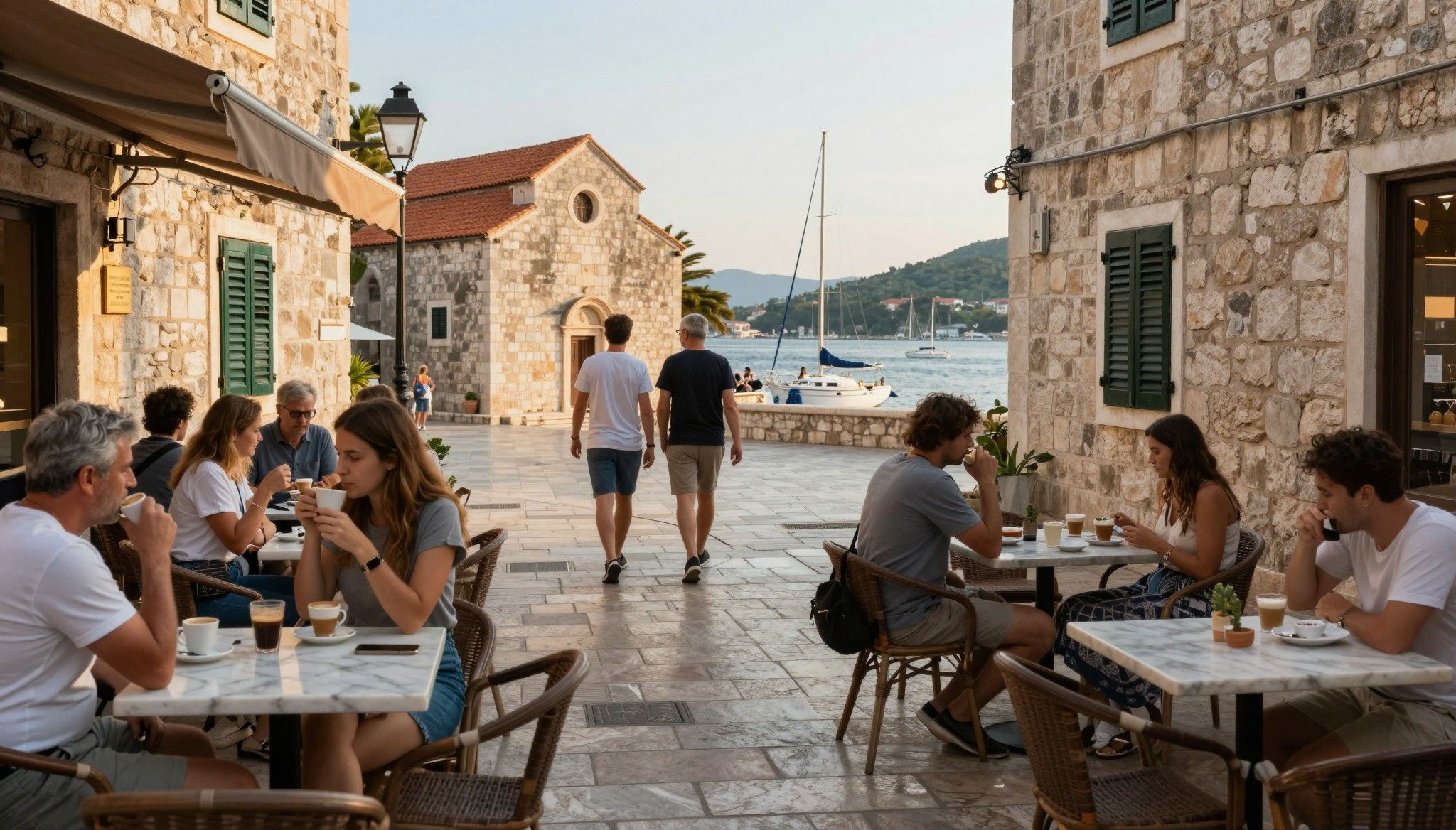
- Lifestyle highlights to test your priorities: 1) Morning coffee at To Kazani in old Limassol; 2) Sunday fish at the harbour tavern in Kato Paphos; 3) Larnaca’s municipal market for seasonal produce; 4) Troodos forest walks and mountain tavernas; 5) Ledra Street bookshops and Nicosia’s scholarly cafés; 6) Sunset aperitivo on Larnaca’s Finikoudes promenade.
Making the move: practical considerations that respect the life
The joy of a neighbourhood comes with responsibilities. If you favour a restored stone house in Omodos or a modern apartment in Larnaca, you will want finance that recognises construction quality, provenance and long‑term upkeep. Cyprus’s lending landscape has evolved—borrowing costs and bank appetite fluctuate—and a place‑first approach alters what financing instrument makes sense.
Property types and the finance they demand
Traditional stone villas and listed buildings often require renovation budgets and specialist surveying; banks price that risk differently than they do new builds. Non‑resident mortgage availability exists with Cyprus banks, but terms vary by property type, borrower profile and whether the property has full planning and title. If provenance matters, build a finance plan that reserves capital for conservation rather than cosmetic upgrades.
Working with local experts who value the life you want
- 1) Meet a local architect or conservation specialist before bidding to understand renovation cost and regulatory limits. 2) Obtain a pre‑approval from a Cyprus bank experienced with foreign purchasers—this speeds negotiations and clarifies loan‑to‑value. 3) Ask your agent for recent comparable sales on the same street, not just the district. 4) Commission a title search and a review of permits; insist on copies of the building plans. 5) Budget 10–15% extra for unseen restoration work on older properties.
Insider knowledge: what expats wish they’d known
Expats commonly tell the same story: the romance led the search, the small print rewired the plan. One recurring surprise is policy change—Cyprus’s investment citizenship route was halted amid controversy, altering a cohort of buyers’ expectations. Another is seasonality: some neighbourhoods feel deserted in winter while others, anchored by schools and year‑round commerce, retain pulse. These realities reshape both lifestyle and exit strategies.
Cultural integration and daily life
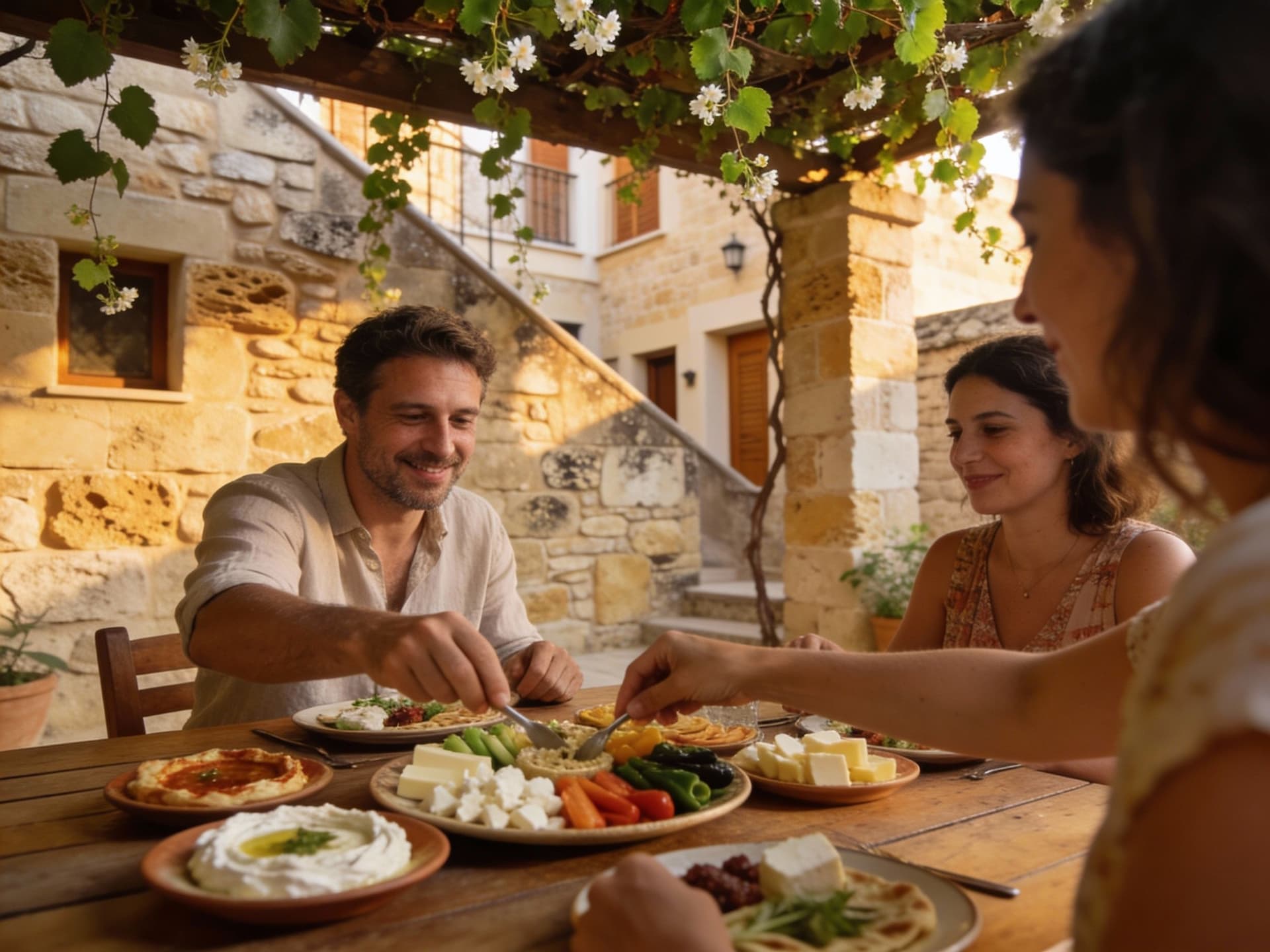
Cypriots prize hospitality; invitations to share mezze are a common path to friendship. English is widely spoken in business and service sectors, but small courtyards and village councils run on Greek; learning basic phrases eases bureaucracy and signals respect. Expect a relaxed pace in village cafés and a disciplined civic rhythm in Nicosia. That blend should inform neighbourhood choice—do you want immersion or an English‑speaking enclave?
Long‑term stewardship: living with an island property
- Practical long‑term considerations: 1) Expect different maintenance cycles—coastal salt air versus mountain freeze; 2) Understand rental seasonality if you plan to let—Limassol luxury and Paphos tourism behave differently; 3) Check local municipal rules for extensions or terraces; 4) Consider energy efficiency upgrades suited to Mediterranean climate; 5) Plan for reliable local property management if you will not be on‑island year‑round.
A practical example: a buyer we advised shifted their search from Limassol to Kato Paphos after seeing comparable designs and lower communal charges. They acquired a restored townhouse close to the harbour and used a Cyprus bank pre‑approval to negotiate a firm price. Within three years careful stewardship and modest renovations improved both daily life and resale appeal—proof that a judicious move off the beaten track can balance taste and value.
- Steps to act now: 1) Visit in two seasons—late spring and late autumn—to feel neighbourhood rhythm; 2) Obtain bank pre‑approval and a conservative renovation estimate; 3) Commission a local architect to assess heritage features and permissions; 4) Engage an agent who specialises in the district you prefer, not just the island’s headline towns.
If Limassol is the island’s prize ring, think of Larnaca and Paphos as quietly disciplined alternatives. They offer texture, lower immediate premiums and, increasingly, demonstrable market interest. Visit, listen to the streets, measure the everyday conveniences you value, and align finance to the life you want to preserve—not to a postcode’s reputation. When you buy this way, the property becomes an instrument of the life you imagined, not a ticked box on someone else’s map.
Former Copenhagen architect who relocated to Provence, offering relocation services, market analysis, and a curator’s eye for authentic regional design.