What Greek Lenders Expect When You Borrow
Practical, lifestyle-led mortgage guidance for buying in Greece: learn realistic LTVs, lender expectations and neighbourhood trade-offs backed by Bank of Greece and market guides.

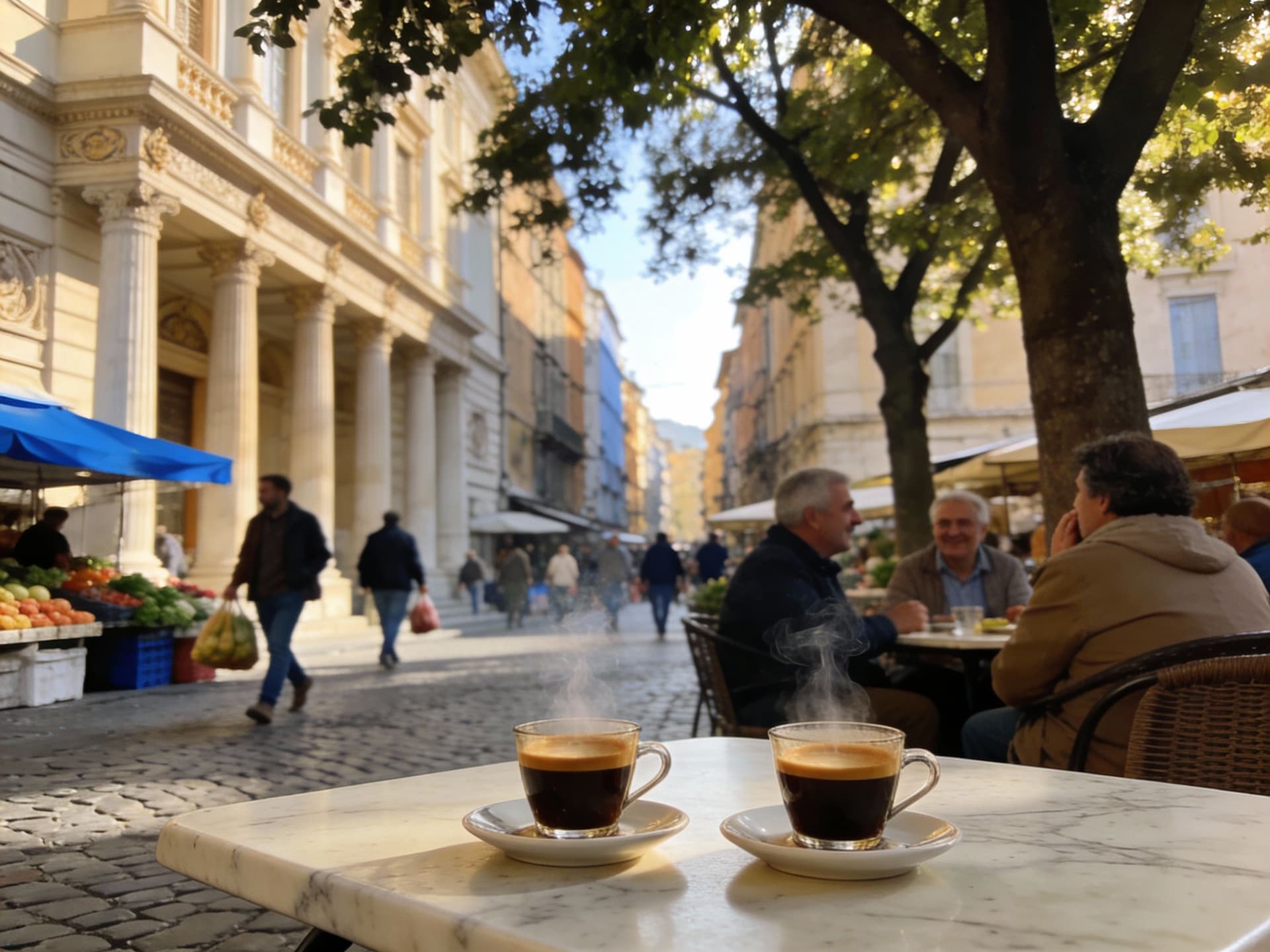
Imagine waking to espresso steam on a narrow terrace in Koukaki, the Acropolis catching morning light while a neighbourhood baker slides warm koulouri into a basket. In Greece the day begins slowly but with precision: markets pulse before noon, tavernas soften evenings with braised lamb and slow wine, and centuries of stone architecture shape how you arrange your life. Yet the romance of island terraces and Athenian squares meets a practical truth: financing a home here asks for patience, local knowledge and a clear picture of what lenders will accept.
Living the Greek life — streets, seasons and small certainties
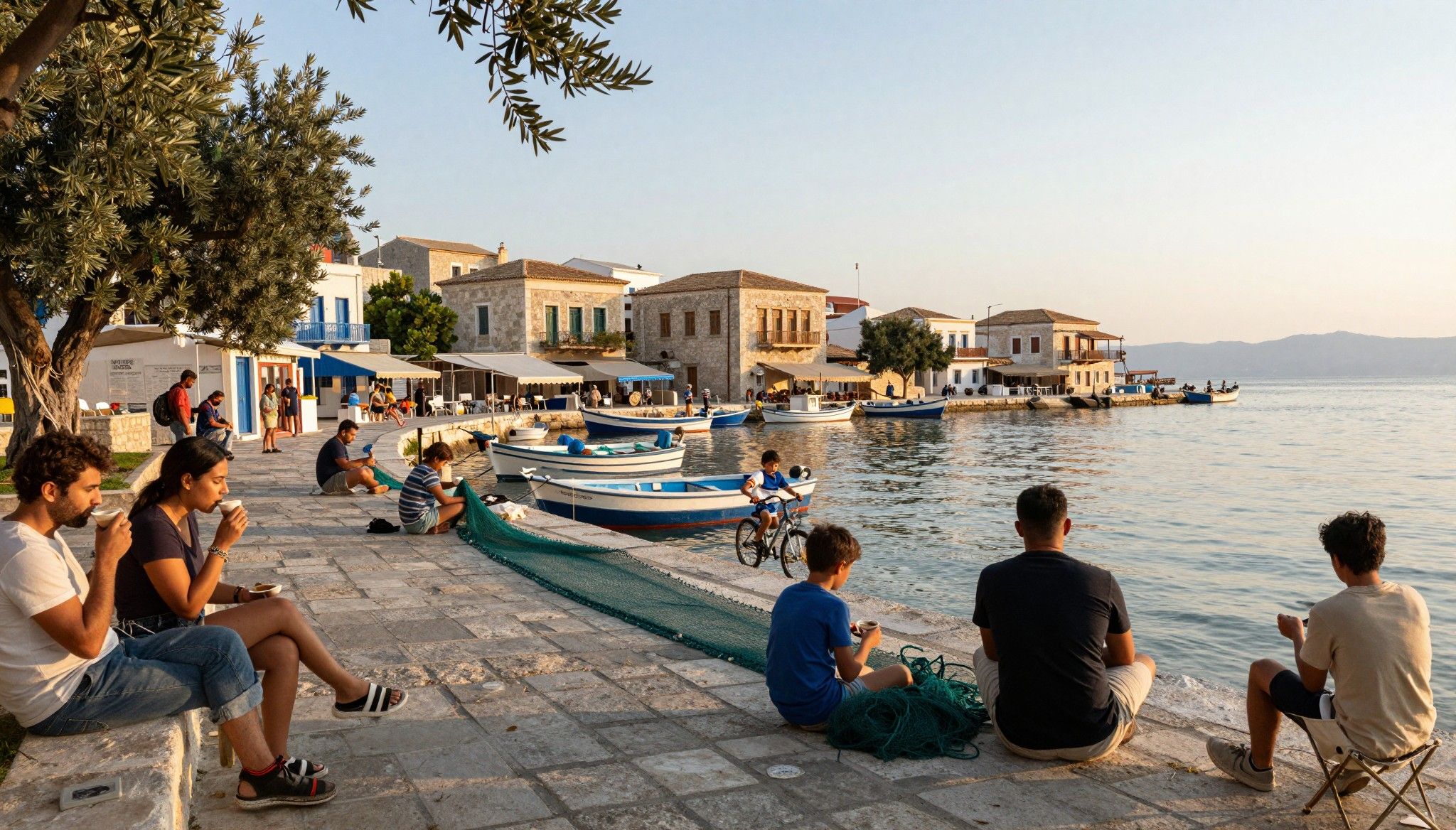
Walk through Plaka at dusk and you feel how architecture, community and routine form a way of life. In Athens, neighbourhoods such as Koukaki, Mets and Pangrati trade quiet residential lanes for excellent cafés, while Glyfada and Vouliagmeni on the southern coast offer more measured seaside living. On the islands, Naxos’s whitewashed lanes and Chania’s Venetian harbour create different rhythms: mornings at the market, afternoons on a taverna-draped quay, and winters spent repairing shutters and planning spring plantings.
Neighbourhood notes: where daily life happens
If you are drawn to the city, consider the measured confidence of Kifisia’s plane‑lined avenues where cafes and small ateliers coexist with neoclassical villas. For coastal life with easy access to Athens, Glyfada blends marinas and long promenades with year‑round services. On islands like Paros or Kefalonia, look for villages where a single square anchors weekly life — the café-owners know your name before you learn the baker’s schedule.
Food, culture and seasonality that shape where you buy
Markets in Monastiraki and Chania are more than shopping; they are social calendars. Autumn truffle fairs in Thessaly, summer concerts at the Heraklion Festival and Lent processions in Corfu change demand subtly — properties near seasonal centres can be quieter off-season but command premium short‑term rental income in high season. That trade‑off matters when you plan financing: lenders value steady local rental yields differently than speculative summer turnovers.
- Lifestyle highlights to consider when choosing an area
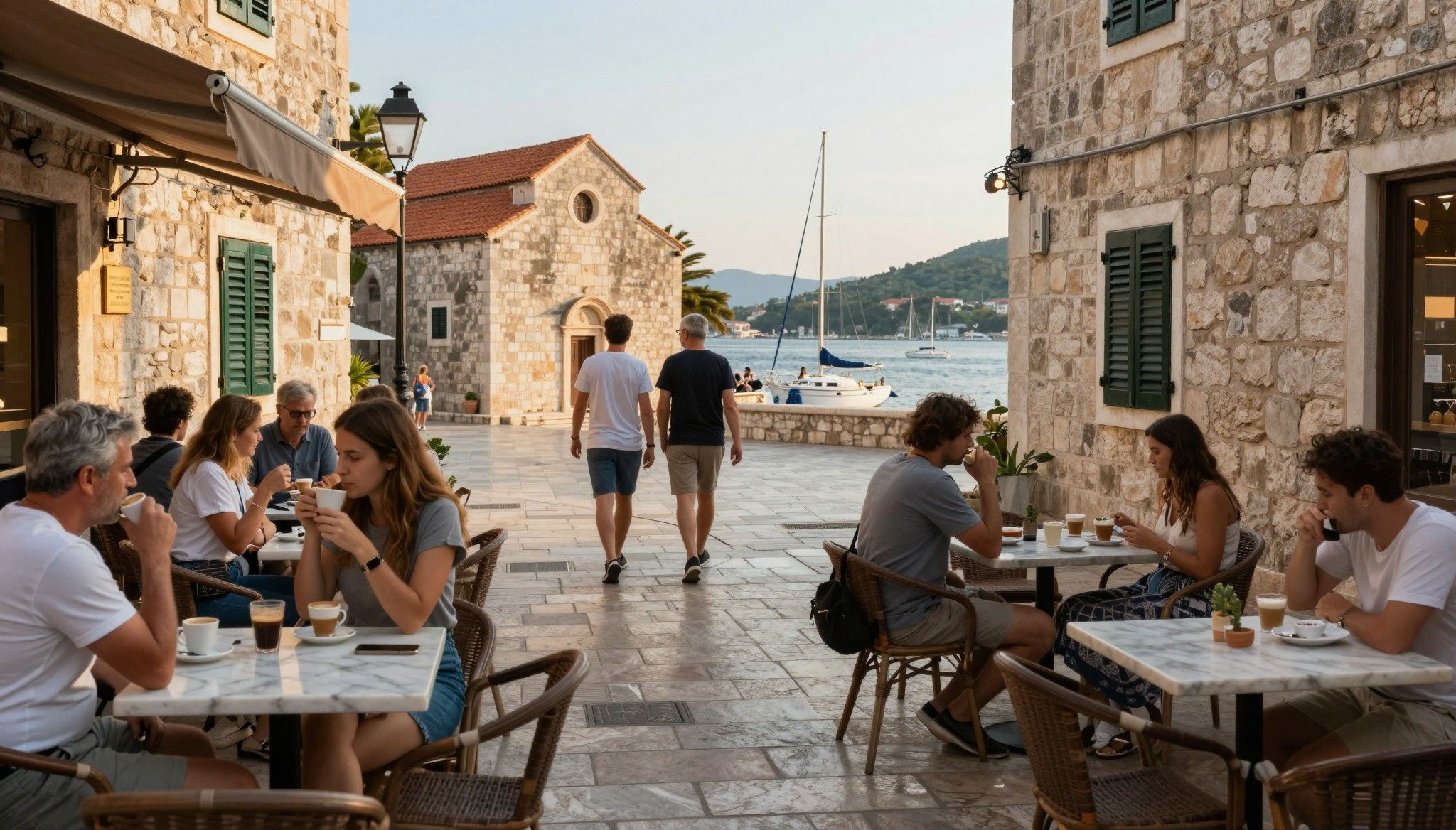
- Daily espresso culture in neighbourhood squares (e.g., Koukaki, Plaka)
- Weekend market routines (Monastiraki in Athens; Chania municipal market)
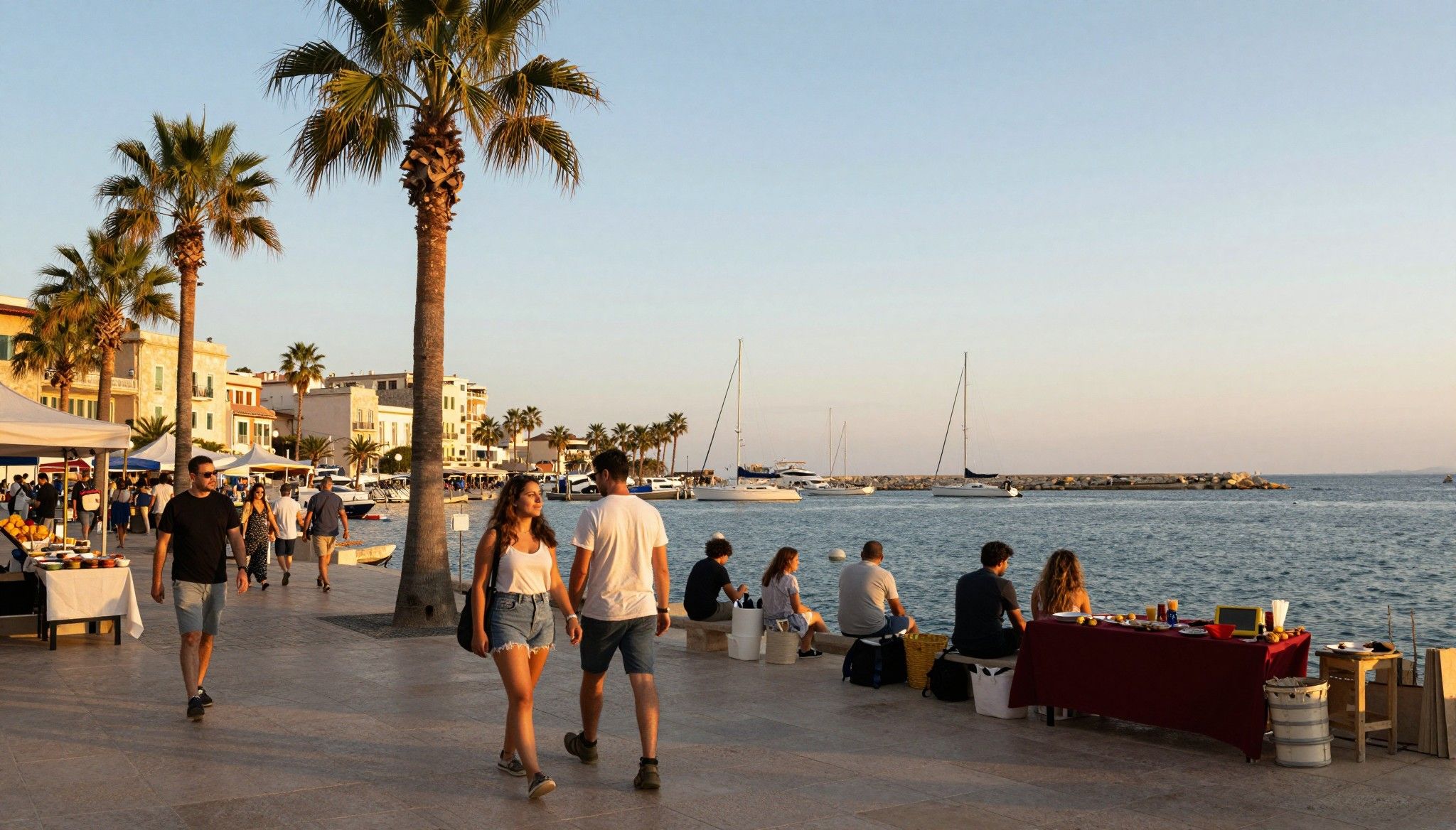
- Coastal promenades and marina life (Glyfada, Vouliagmeni)
Making the move: practical financing realities

The allure of a seaside house or an Athenian apartment is real; lenders, however, respond to rules. Since new macroprudential borrower‑based measures were announced in 2024 (applicable from January 1, 2025), Greek banks operate with clearer caps on loan‑to‑value and debt service ratios. For a buyer this means planning a larger deposit, documenting income thoroughly, and accepting that mortgage products for non‑residents are narrower than in some neighbouring markets.
What lenders typically expect from foreign buyers
Greek banks will commonly ask for an AFM (Greek tax number), a local bank account, proof of stable income, translated bank statements and an appraisal of the property. Loan‑to‑value ratios for non‑residents frequently sit between 50–70% depending on nationality and bank policy; EU citizens often receive more favourable considerations than non‑EU applicants. Expect interest rates tied to Euribor plus margin, or short fixed periods followed by variable rates.
Property types and how finance treats them
Banks distinguish primary residences from holiday homes and commercial units: inland apartments and family houses in established neighbourhoods attract higher LTVs; remote island plots or unfinished restorations will be priced conservatively. Fiscal costs — transfer tax, notary and registration fees — typically add 8–11% to the purchase price and should be included in your financing plan rather than treated as incidental.
- Steps to make a mortgage application smoother
- Obtain an AFM and open a Greek bank account before applying.
- Gather translated income evidence, 3–6 months of statements and a letter from your employer or accountant.
- Seek pre‑approval to understand realistic LTV and monthly payment before making offers.
Insider knowledge: what expats wish they'd known
Many expats arrive enchanted and later note that financing — more than taxes or permits — shapes how sustainable their life in Greece feels. Cash purchases are common; they reduce friction but sacrifice leverage. Others discover that combining a smaller Greek mortgage with foreign financing or a currency‑hedged loan can preserve liquidity while keeping monthly obligations manageable. Local relationships — a trusted lawyer, a lender who understands non‑resident income — change outcomes materially.
Cultural and seasonal realities lenders notice
Lenders assess rental yield assumptions conservatively; markets that swell in summer (Mykonos, Santorini) will see lower year‑round yield assumptions. Banks also prefer properties with clear title and established access — a seaside plot without road access can be difficult to finance. Understanding these unspoken preferences helps you craft offers that withstand bank scrutiny.
Longer view: how financing choices affect lifestyle
A shorter loan term reduces interest but raises payments, which narrows discretionary spending on travel and renovations. Conversely, modest leverage with a longer term preserves cash for sympathetic restorations — repairing original timber shutters, reinstating stone floors, or commissioning local artisans — investments that align with Greece’s architectural character and long‑term value.
- Red flags lenders and experienced buyers watch for
- Incomplete titles or unresolved municipal permits for extensions
- Properties on restricted land (coastal zones, defence areas) requiring ministry approval
- Overreliance on high‑season rental projections in island markets
Conclusion: Live the life, plan the finance
If the life you imagine begins with a café table in Athens or a terrace in Antiparos, map that life against realistic lending. Begin with pre‑approval, budget the full purchase costs, and assemble a team — a Greek lawyer, a broker conversant in non‑resident files, and an agent who understands neighbourhood rhythms. Those preparations let the practicalities support the life, rather than interrupt it.
Former Copenhagen architect who relocated to Provence, offering relocation services, market analysis, and a curator’s eye for authentic regional design.