Why Summer Viewings Can Cost You in Croatia
A lifestyle-led look at buying in Croatia: how seasonal demand, bank rules for foreigners and 2025 tax changes reshape mortgage choices and timing.
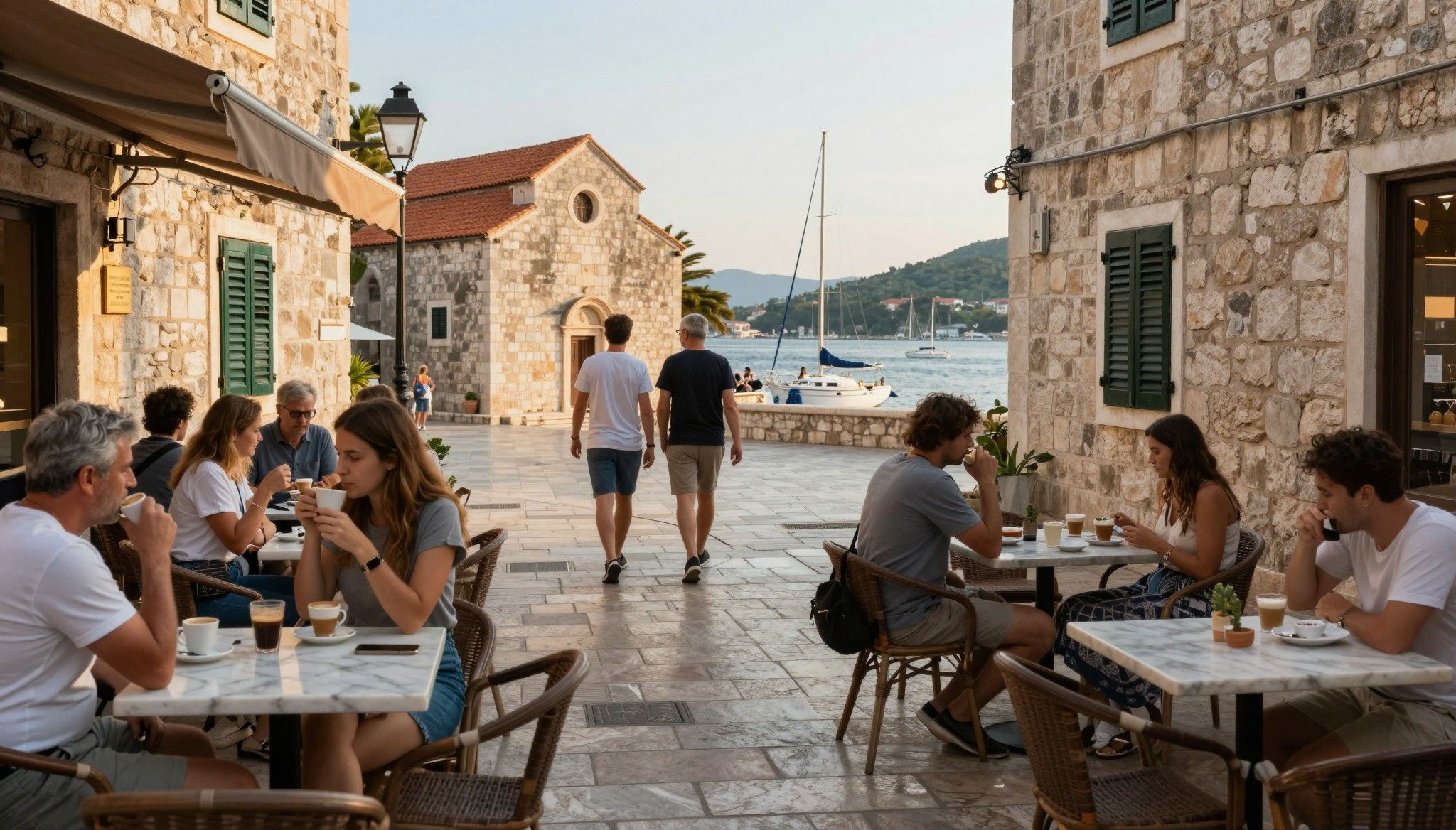
Imagine walking from a small café on Zagrebačka ulica in the Upper Town to a terrace overlooking the Adriatic at sunset — the cadence of Croatia moves between city mornings and coastal evenings with a gentle assurance. That sense of place is what draws many of us: stone alleys in Dubrovnik's Old Town, the pine-scented promenades of Hvar, the market hum at Dolac in Zagreb. But appetite for lifestyle can clash with timing and finance: recent market analysis shows rapid price growth and a market that is cooling in activity, which changes how and when you should finance a purchase. This guide blends the sensory joy of living in Croatia with the less romantic but essential work of arranging money, mortgages and local advice so you can keep the dream intact.
Living the Croatian life — mornings, markets and maritime light
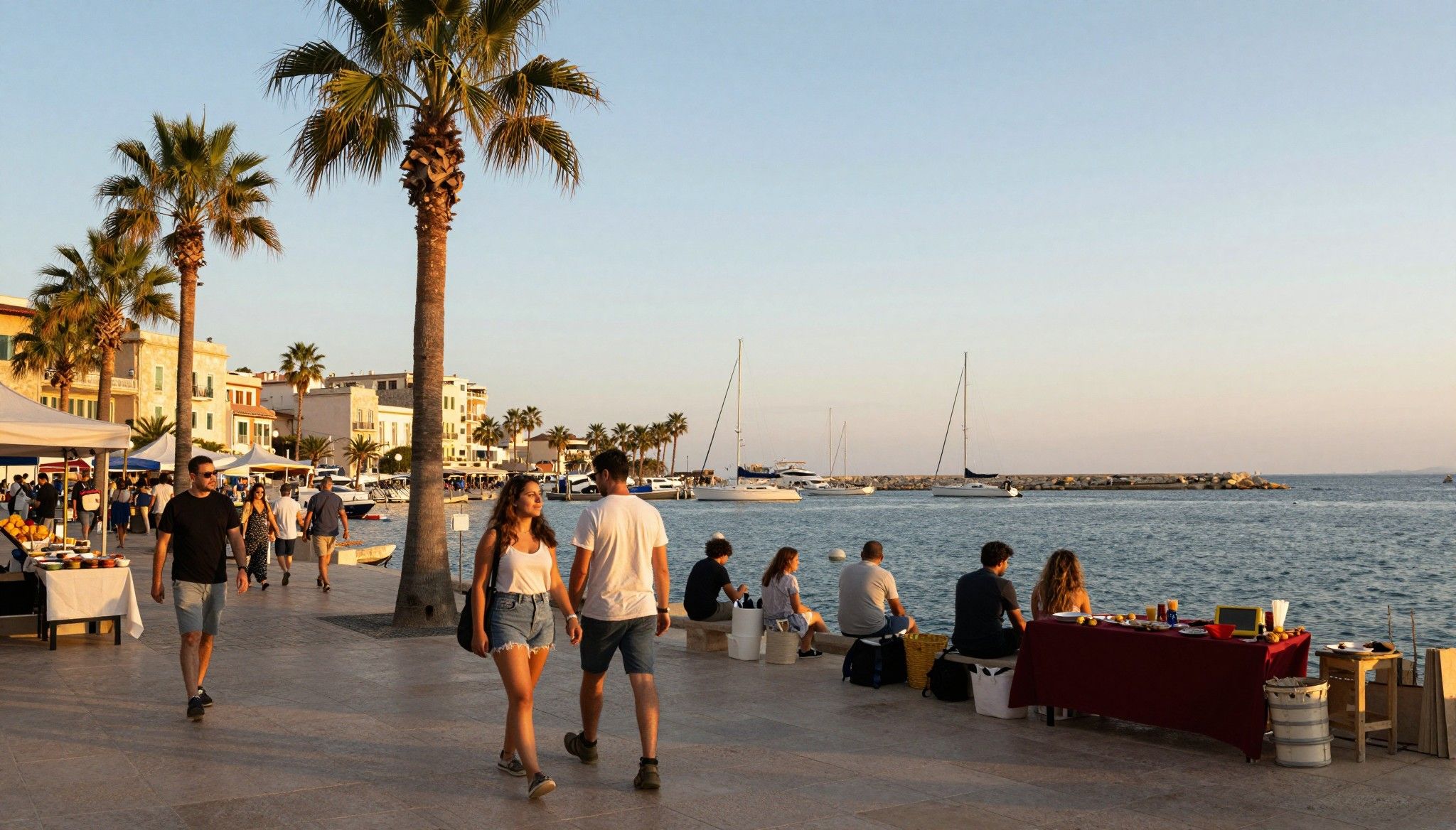
Daylight in Croatia is organised around outdoor living: coffee at 09:00 in Zagreb’s Tkalčićeva, a late lunch of grilled fish and prosciutto by the riva in Split, an evening passeggiata along Rovinj’s marina. The country’s rhythm changes with the coast — Dalmatian towns slow into long afternoons while Zagreb offers a steadier urban tempo. Those everyday scenes shape what you buy: a narrow, restored stone house near the sea suits an outdoor life, while an apartment in Maksimir answers a daily urban routine.
Coast and islands: Adriatic rituals and seasonal lift
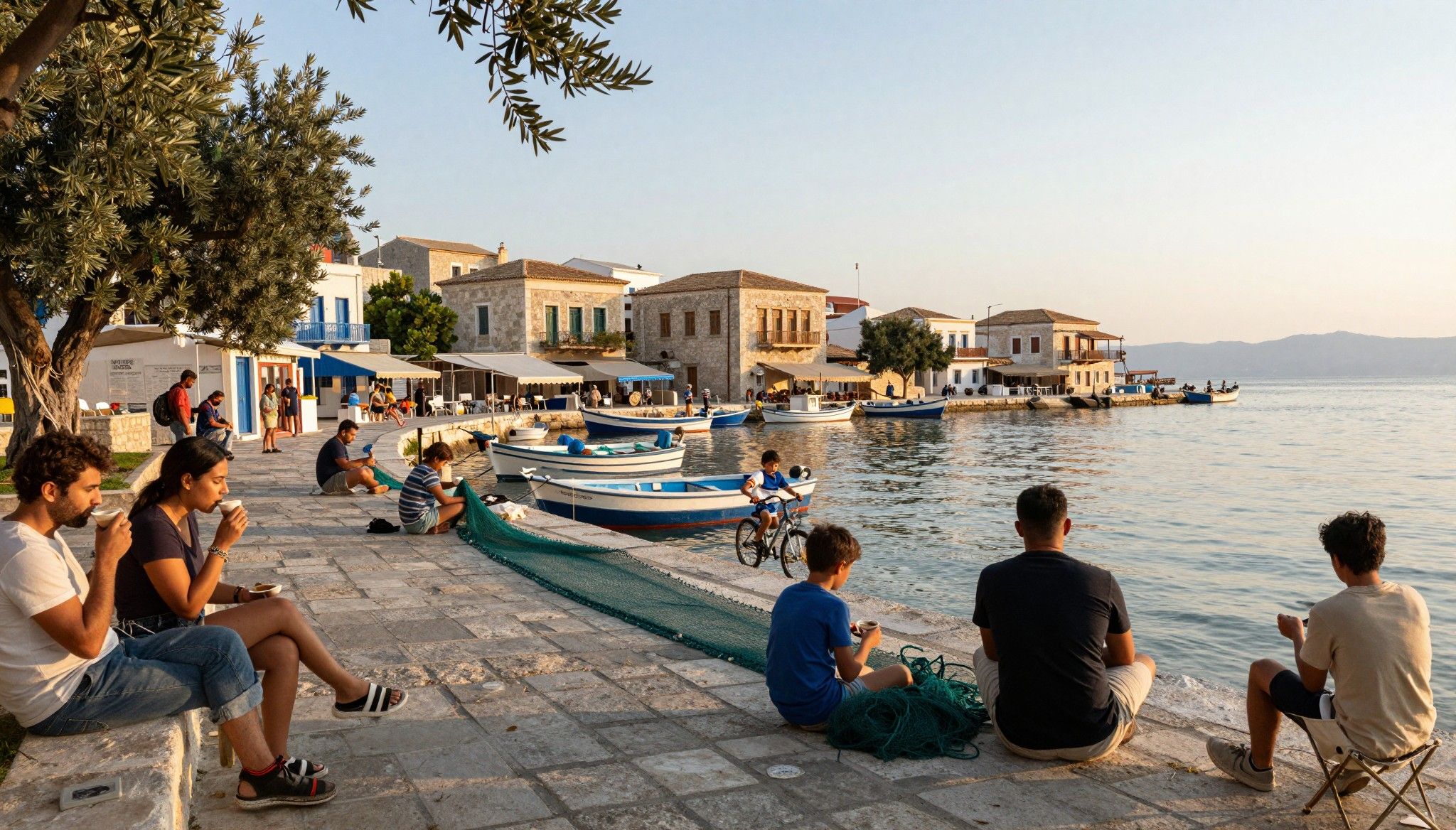
On the Adriatic, mornings mean markets and boat moorings; evenings are for slow, seafood-driven suppers. Coastal values have been the motor of national price gains, with Dalmatia and prime island locations commanding the highest per‑square‑metre asking prices. That premium buys proximity to the sea and a particular social life — small coves, family tavernas, and a deep local knowledge of wind and sun — but it also carries seasonal demand and higher purchase competition.
Zagreb and the interior: steady life, year‑round infrastructure
Zagreb combines cultural institutions and reliable services — museums, classical music, international schools and a compact urban fabric whose apartment market is less seasonal than the coast. For buyers seeking permanence rather than a holiday rhythm, the capital’s amenities reduce the hidden costs of living: consistent transport, medical access and a quieter rental market for long‑term leases. This steadiness often translates into more predictable financing options and easier integration into local services.
Lifestyle highlights to seek out in Croatia
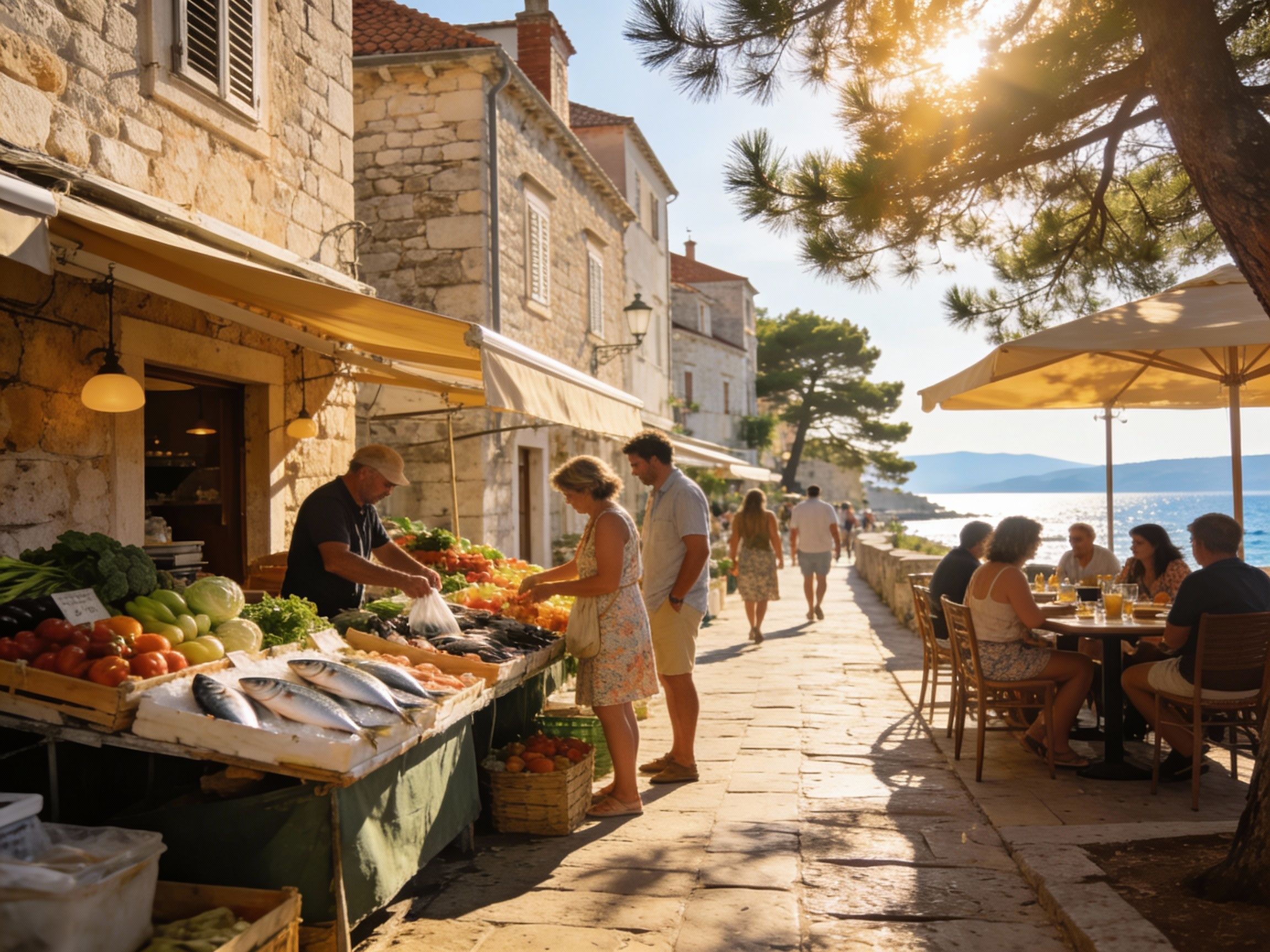
- Coffee on Tkalčićeva, Zagreb; pick up seasonal truffles/fresh fish on local markets; evening promenades along Split’s Riva; weekend drives to Istrian vineyards near Motovun; early swims at Šunj beach (Lošinj).
Making the move: how finance shapes the life you planned
The romance of a sea‑view terrace meets the technicalities of lending: loan‑to‑value ratios, bank appetite for foreign borrowers, and local taxes. Croatia’s market has seen strong price growth in recent years while transaction volumes have cooled; that combination affects bargaining power and how banks underwrite loans. Understanding these trends will let you decide whether to borrow locally, use financing from home, or structure a purchase with developer or bridge finance.
What banks will actually lend to you
Croatian banks routinely offer mortgages to EU/EEA citizens under terms more favourable than to non‑EU buyers; many lenders expect a 20–30% deposit for EU applicants and ask for 30–50% or more from other nationalities. Lenders require proof of income, a Croatian bank account, and a professional valuation of the property. If you are non‑resident, expect lower loan‑to‑value and a conservative stress test on your income and currency exposure.
How financing choices change the house you buy
Developer finance can bridge gaps for new builds but often at higher cost and shorter tenors; home‑country mortgage options or a secured loan against an existing home can provide competitive rates and familiarity. Consider that a bank appraisal may reduce the mortgageable value: the property you fall in love with could require a larger deposit than you planned. Factor these realities into your offer strategy rather than assuming full financing will follow your bidding.
Six practical steps to align lifestyle and finance
- 1) Open a local bank account early, so salary flows and identity checks are established. 2) Get a pre‑application from a Croatian bank and a comparator from your home bank. 3) Commission a professional appraisal to understand bank value versus market price. 4) Plan for 30–50% deposit if non‑EU; 20–30% if EU — budget for appraisal and notary fees. 5) Consider seasonal timing (avoid peak summer viewings for better negotiation). 6) Lock a currency strategy if your income or mortgage will be in different currencies.
Insider knowledge: what expats wish they'd known about timing, taxes and truth
Two surprises most newcomers meet are timing and recurring costs. Transaction volumes fell in the first half of 2025 as buyers paused in the face of higher borrowing costs, which means sellers in autumn or winter can be relatively more receptive than in July. Separately, Croatia introduced municipality‑based annual property levies in 2025 that vary by location and use; these create a new recurring line in your budget that is higher in tourist municipalities and may be reduced if the property is registered as a primary residence or let long‑term.
Cultural and practical integration — language, community, and the unspoken rules
Croatians move at a deliberate social pace: relationships are built slowly and personal introductions matter in securing local repairs, sympathetic notaries, or a preferred builder. Learning basic Croatian expressions, frequented cafés and the market where your neighbours shop will accelerate trust. An agency that knows both legal permutations and local social codes will smooth inspections, rezoning queries and permit checks that otherwise become time sinks.
Longer view: stewardship and generational value
Buy with a sense of stewardship. Whether restoring a 19th‑century stone house in Korčula or adapting a modern apartment in Zagreb, consider craftsmanship, materials and maintenance in lifecycle cost, not just purchase price. Properties in well‑maintained historic fabric and those with credible rental records tend to preserve value; think of your purchase as a place to live and as an asset that benefits from careful conservation and good local management.
If you are ready to act: begin with three concurrent practical moves. First, ask your chosen bank for a conditional mortgage statement to understand realistic LTV and required deposit. Second, commission an independent appraisal and review local annual taxes for the municipality in question. Third, engage an agency that offers a bilingual solicitor and local tax adviser so paperwork and timing do not erode the lifestyle you bought. With those steps you bring the Adriatic morning into the realm of the practical.
Conclusion: Croatia rewards those who pair a clear lifestyle brief with disciplined financial preparation. The light, food and local rituals are the reason to come; sensible mortgage planning, awareness of new municipal levies, and the right local partners make the life sustainable. When you marry the romance of the place with these practical measures, you preserve both the delight of morning coffee on a sunlit terrace and the long‑term value of your property.
Dutch former researcher who moved to Lisbon, specialising in investment strategy, heritage preservation, and cross-border portfolio stewardship.