Seasonal Sense: Financing a Life in Greece
Fall for Greece’s daily life—markets, tavernas, neighbourhood rhythm—while using conservative financing, local expertise and season‑aware rental models to protect value.
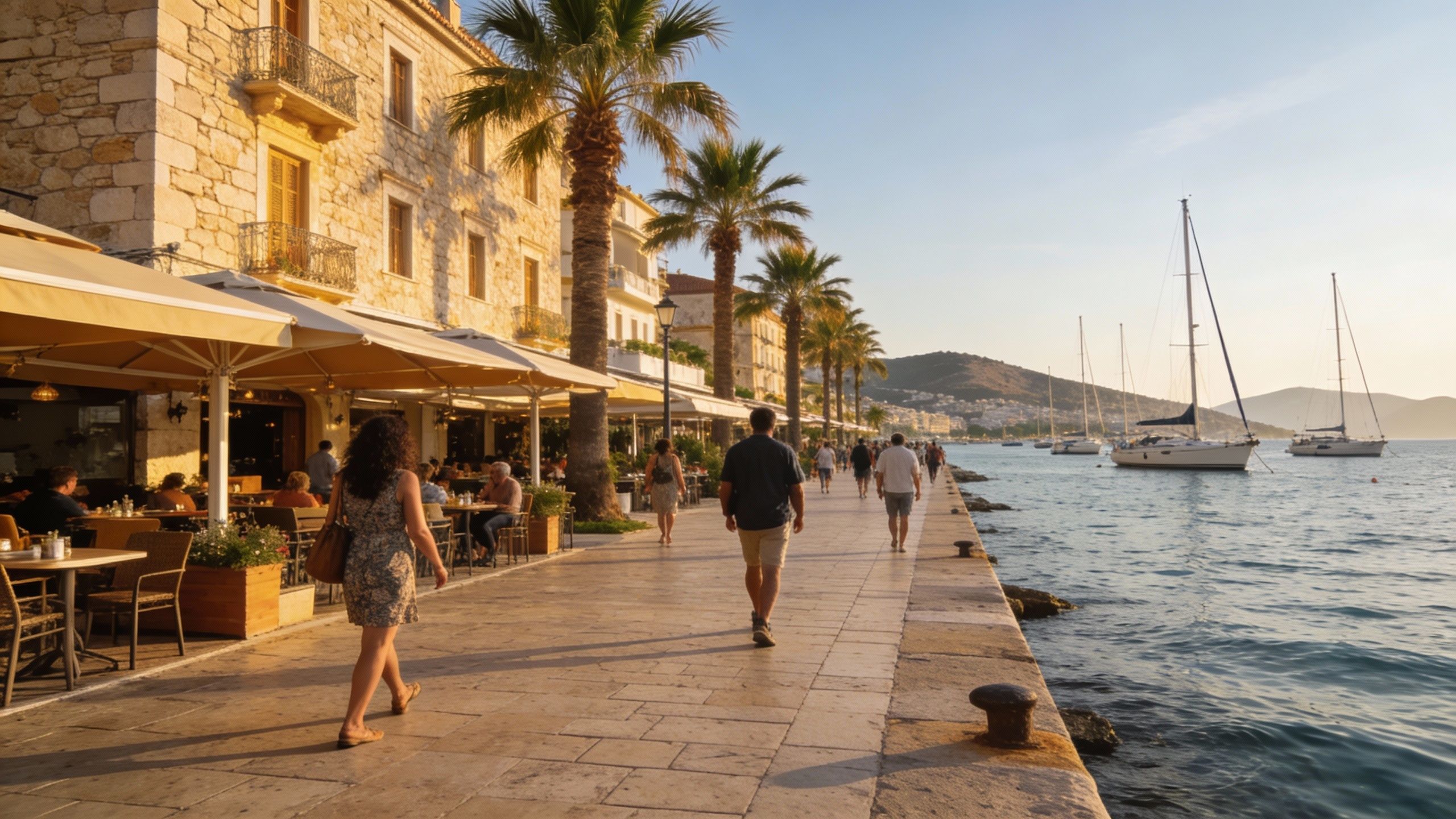
Imagine waking to a bleached-blue sky over a narrow street in Plaka, the smell of warm filo from a nearby bakery, and a local barista calling out names in the polite, musical cadence that makes mornings feel unhurried. This is Greece not as a postcard but as a daily life—sunlit courtyards, late-afternoon kafeneia where neighbours discuss the week, and a coastline that changes temperament with the wind. For many international buyers the dream is vivid; the questions that follow—how to finance this life, whom to trust, what risks are truly material—are practical and immediate. Here is a guide that pairs the sensory with the fiscal: how lending, market dynamics and local expertise come together to turn the Mediterranean imagination into a durable home.
Living Greece: more than sea and sun

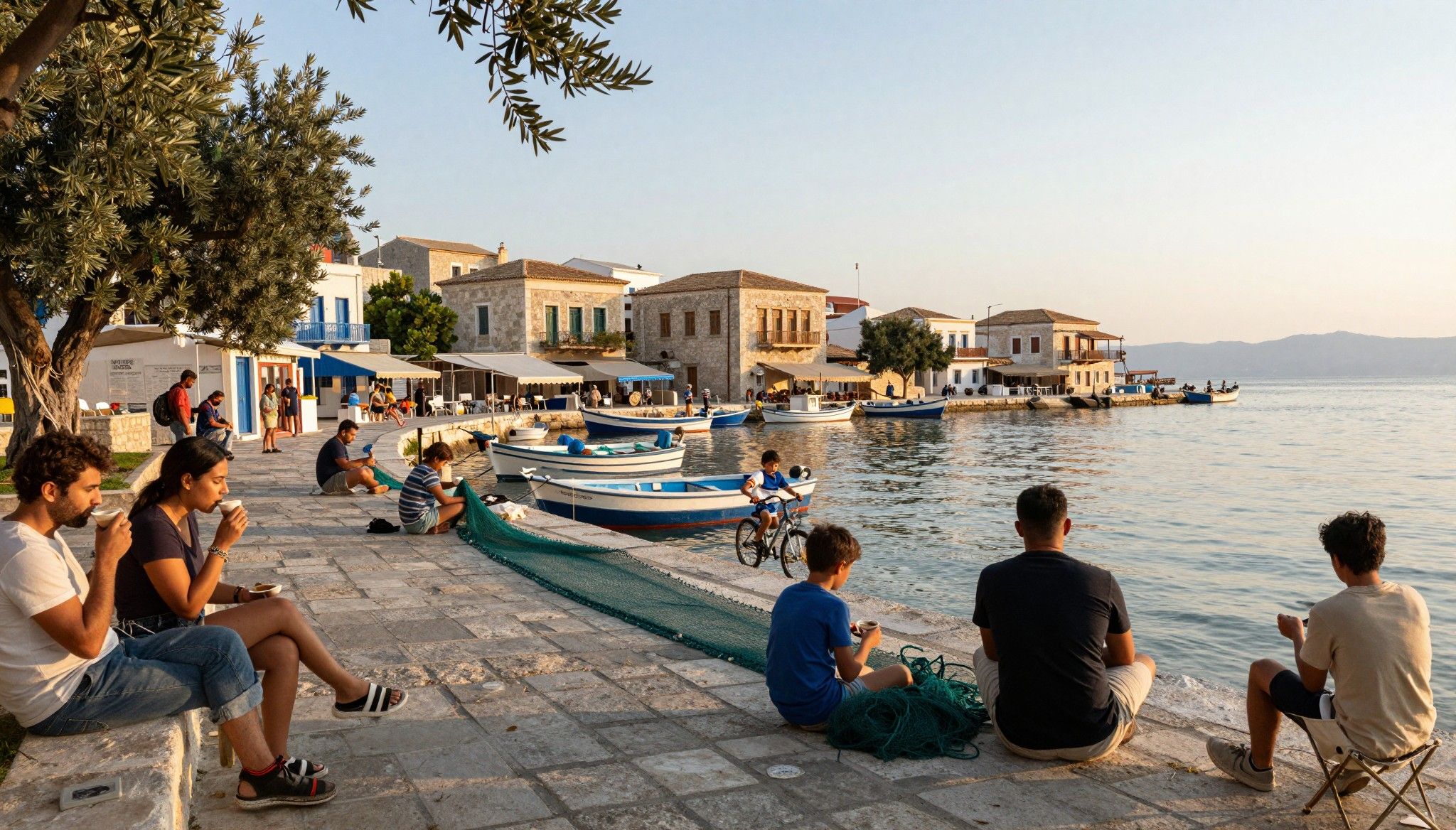
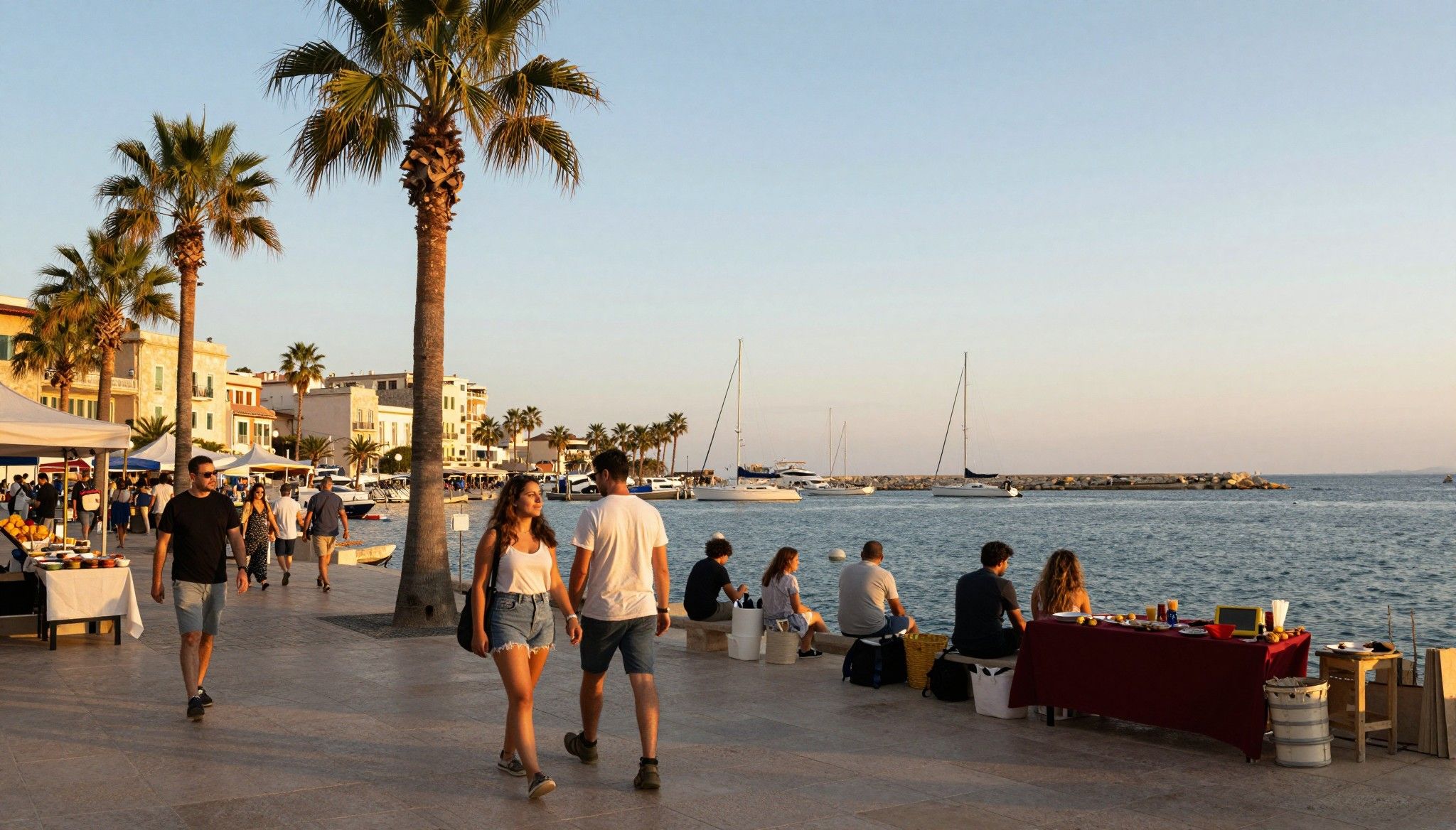
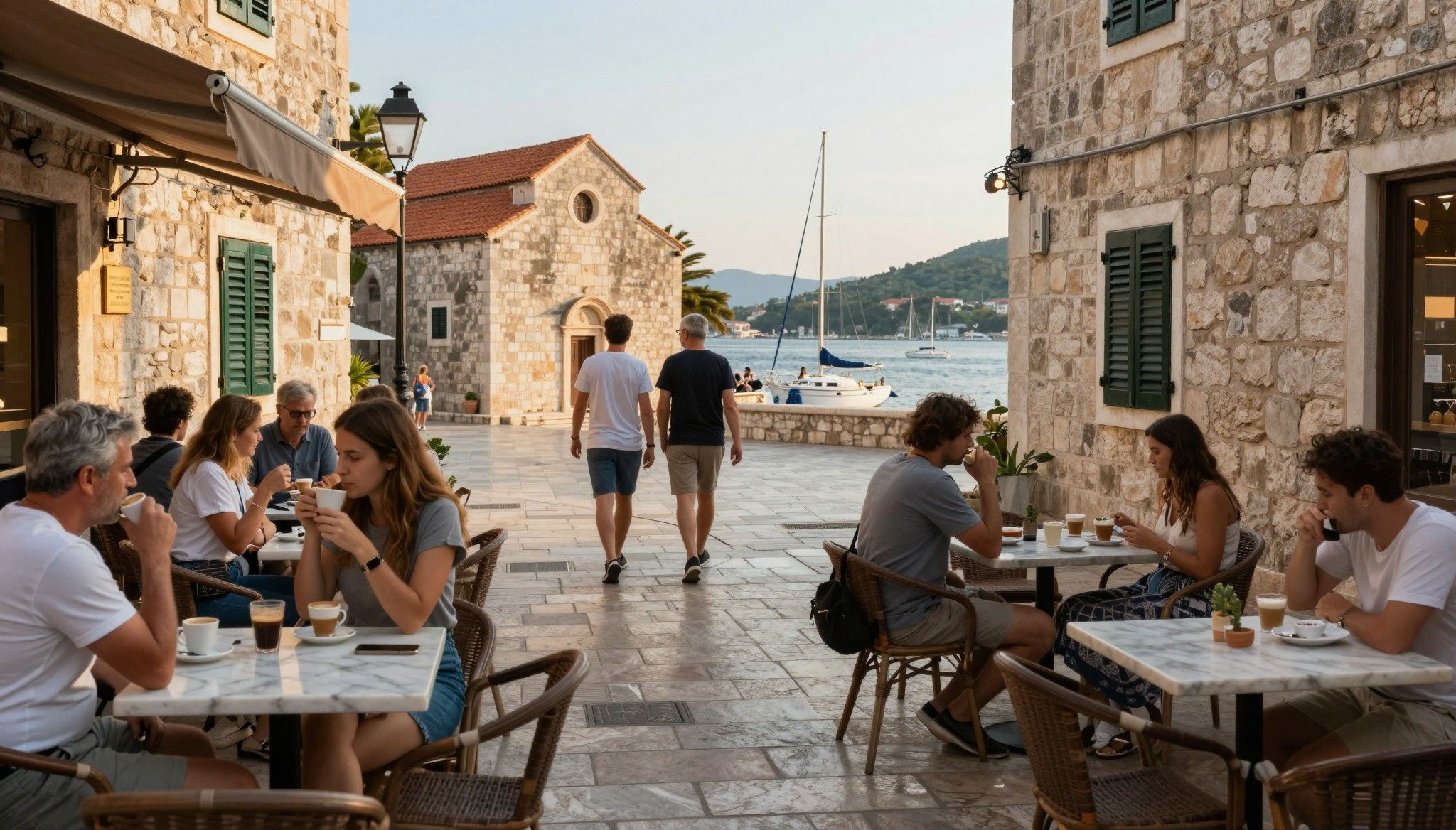
Greece settles into distinct daily rhythms. In Athens, early coffees spill onto shaded pavements in Kolonaki and Koukaki; northern Athens neighbourhoods hum with family life and well-tended gardens. On islands such as Paros and Hydra, mornings are for markets and evenings for tavernas lit by low lamps and the sound of conversation. Weather and geography shape how you live—stone terraces for winter light, shutters and pergolas for summer shade—and therefore what kind of property and financing make sense. Your mortgage should reflect whether you want year-round access (and the cost of maintaining it) or a seasonal bolt‑hole.
Neighborhoods that feel like chapters
Walk through Plaka at dawn and the past is a presence in the stone; in Anafiotika the houses are small, white-washed, and deliberately intimate. Contrast that with Glyfada on the Athens Riviera—ramblas, cafés, and a marina life that leans toward the cosmopolitan. On the islands, Paros’s Naoussa has narrow lanes and discreet cycladic elegance, while parts of Crete—Chania’s Venetian harbour quarter—offer broader streets and a quieter year-round community. These distinctions influence not only lifestyle but lending: regional demand, rental potential and seasonal revenue all affect how lenders view collateral and repayment risk.
Food, ritual and the calendar of life
A Saturday at Varvakios market in Athens or a Wednesday morning fish market on Chania’s harbour is where neighbourhood life is most legible: producers chat with buyers, recipes are exchanged, and seasons mark menus. Festivals—name days, Easter processions, island panigyria—reshape demand for short-term rentals and local staffing. For buyers considering a mortgage supported by rental income, understanding these rhythms is essential: peak-season yields may be attractive, but lenders will ask for proof of sustainable cash flow outside headline weeks.
Making the move: practical financial considerations

Bringing a lifestyle into reality means matching property type with sensible finance. Greece’s market shows robust demand in both urban and island luxury sectors, with domestic buyers rising alongside international interest, particularly in Athens Riviera and the Cyclades. Lenders in Greece will consider residency, borrower profile, and the property’s location. Recent market reports indicate rising activity in 2024–25, especially in premium coastal areas—data you should cite when negotiating loan-to-value and terms. Local banking policy shifts—such as changes to fees or retail banking rules—can subtly alter borrowing costs. Always verify current lender policies before making commitments.
What lenders typically expect
In practical terms expect documentation similar to other European lenders: proof of income, tax returns, a clear title for the property, and often a larger deposit if you are non-resident. Loan-to-value ratios for non-residents commonly range lower than domestic borrowers; many buyers report LTVs of 50–70% depending on the property and the bank’s risk appetite. Lenders also price in seasonal occupancy and access—an island villa with constrained winter access can attract a more conservative assessment. Bring an accepted offer, clear copies of passports, and local tax number (AFM) when you approach banks or mortgage brokers.
Working with experts who know the life and the ledger
A local notary, an English‑speaking lawyer versed in real estate conveyancing, a mortgage broker with relationships across Greek banks, and an agency that understands neighbourhood life are the team you want. Agencies that specialise in island markets will advise on seasonal maintenance costs, utility reliability, and the realistic rental calendar; mainland specialists will help with urban tax regimes and condominium governance. The right team translates lifestyle aims into loan assumptions lenders will accept.
Steps to prepare before applying for a Greek mortgage
1. Obtain an AFM (Greek tax number) and set up a Greek bank account; lenders will often require these for payments and collateral.
2. Gather certified proof of income, recent tax returns and bank statements; have foreign documents translated and apostilled where required.
3. Secure a clear title report and an up-to-date encumbrance certificate from a local lawyer before committing to a deposit.
4. Model realistic rental income if you intend to use it for servicing the loan; use conservative occupancy estimates outside peak weeks.
Insider knowledge: what expats wish they’d known
Expats often speak in the language of small revelations: that a great taverna two streets from a harbour can transform a property’s desirability; that winter on the islands is quieter—and cheaper to maintain—than summer suggests; that local community ties matter as much as viewlines when buying a long-term home. Those lived observations have financial consequence. A property that reads well on holiday listings may not perform as a year-round asset; conversely, a modest house near a working port may appreciate as the neighbourhood gains cultural traction.
Cultural notes that influence financing and ownership
Language matters less than local relationships: a sympathetic notary or a municipal official who appreciates your intention to maintain a historic home can expedite permits. Greeks value provenance; properties with clear restoration histories, original stonework or registered architectural detail often command steadier valuations. For buyers, this means financing can be easier where an asset’s heritage is documented and preserved, and insurers view the risk as lower.
Golden Visa, residency and timing
Policy changes—such as the 2023–2024 adjustments to the Golden Visa framework—have shifted the calculus for some buyers. Residency prospects can affect loan terms and long-term carrying costs. If residency is a component of your plan, consult a specialist immigration lawyer and check the most recent legislative texts; transitional measures have been offered in the past, but their timelines and thresholds change. Do not assume continuity; treat residency-linked plans as contingent and secure finances independently.
Practical red flags and how to spot them
Unclear title history or missing permits—ask for the property’s registry extract and any planning documents.
Over-reliance on peak-season rental projections—insist on conservative year-round cash-flow models.
Assuming local banks will accept foreign valuations without challenge—engage a local RICS-equivalent valuer.
Ignoring maintenance realities—stonework, roof repairs and septic systems have outsized impact on islands and older houses.
Conclusion: how to proceed with confidence
If the idea of a life in Greece lingers beyond a holiday, begin with neighbourhood visits in two seasons, compile conservative income models, and assemble a small team: a lawyer, a broker, and an agency that knows the block as well as the balance sheet. Use the available market reports to anchor expectations and speak to lenders with a clear picture of maintenance, access and year-round demand. The prize—sunlit mornings, a market that knows your name, and a home where history feels present—is best secured by marrying the sensual pleasures of place with deliberate financial stewardship.
Dutch former researcher who moved to Lisbon, specialising in investment strategy, heritage preservation, and cross-border portfolio stewardship.