How to Finance a Cyprus Home: Timing, Lenders & Risks
Discover how Cyprus’s lifestyle, seasonal rhythms and 2025 price trends shape mortgage choices; practical steps to secure finance and avoid common pitfalls.

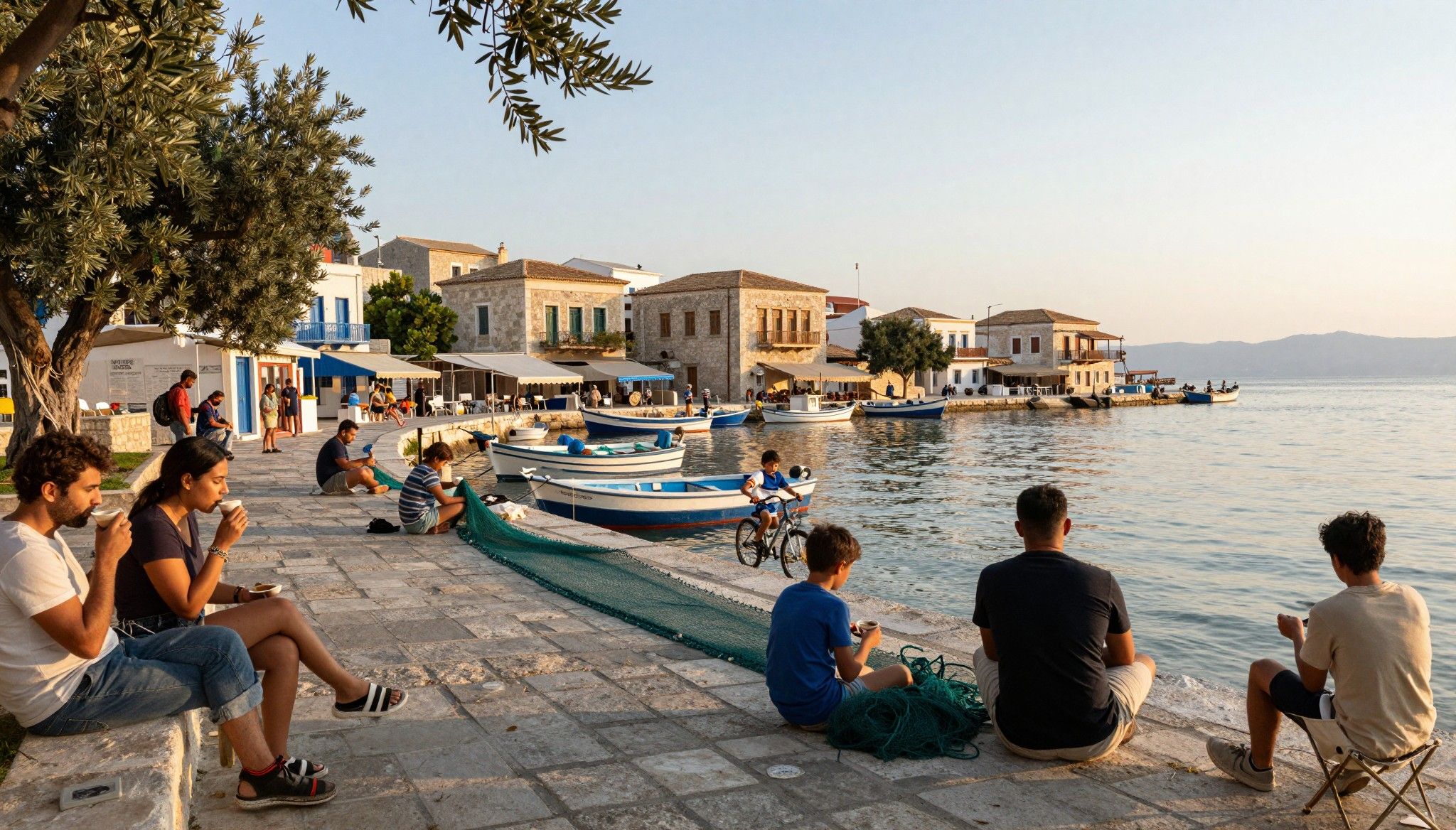
Imagine an autumn morning in Limassol: espresso steam rising on Anexartisias, fishermen hauling nets at the harbour, and the unexpected hush behind a row of restored stone townhouses. Cyprus feels like a place that rewards curiosity — hidden courtyards, neighbourhood taverna routines and a coastline that stretches the idea of what daily life abroad can be. For many international buyers the question is not whether to fall in love, but how to do so without paying more than the island’s charm is worth.
Living the Cyprus Lifestyle

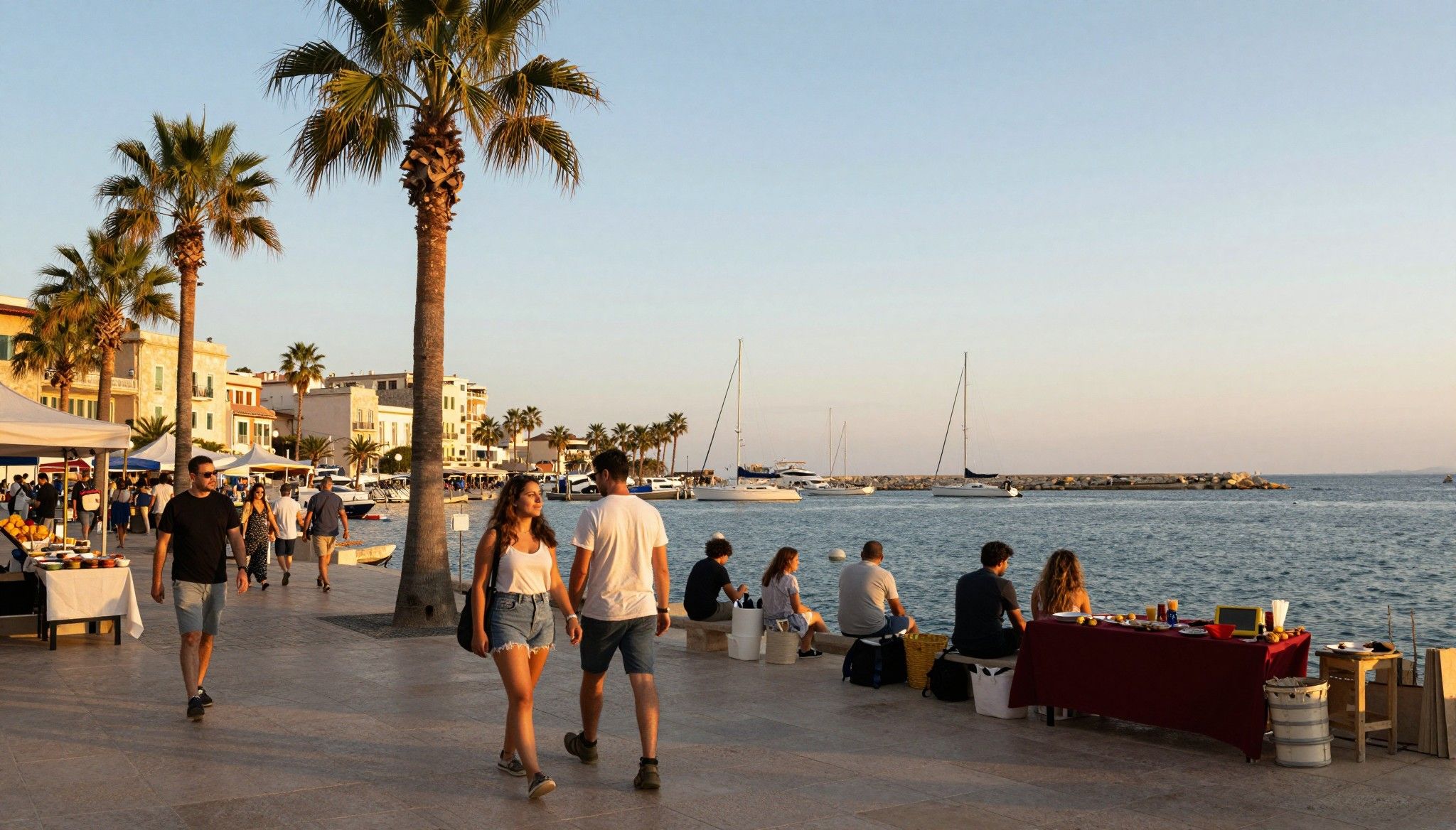
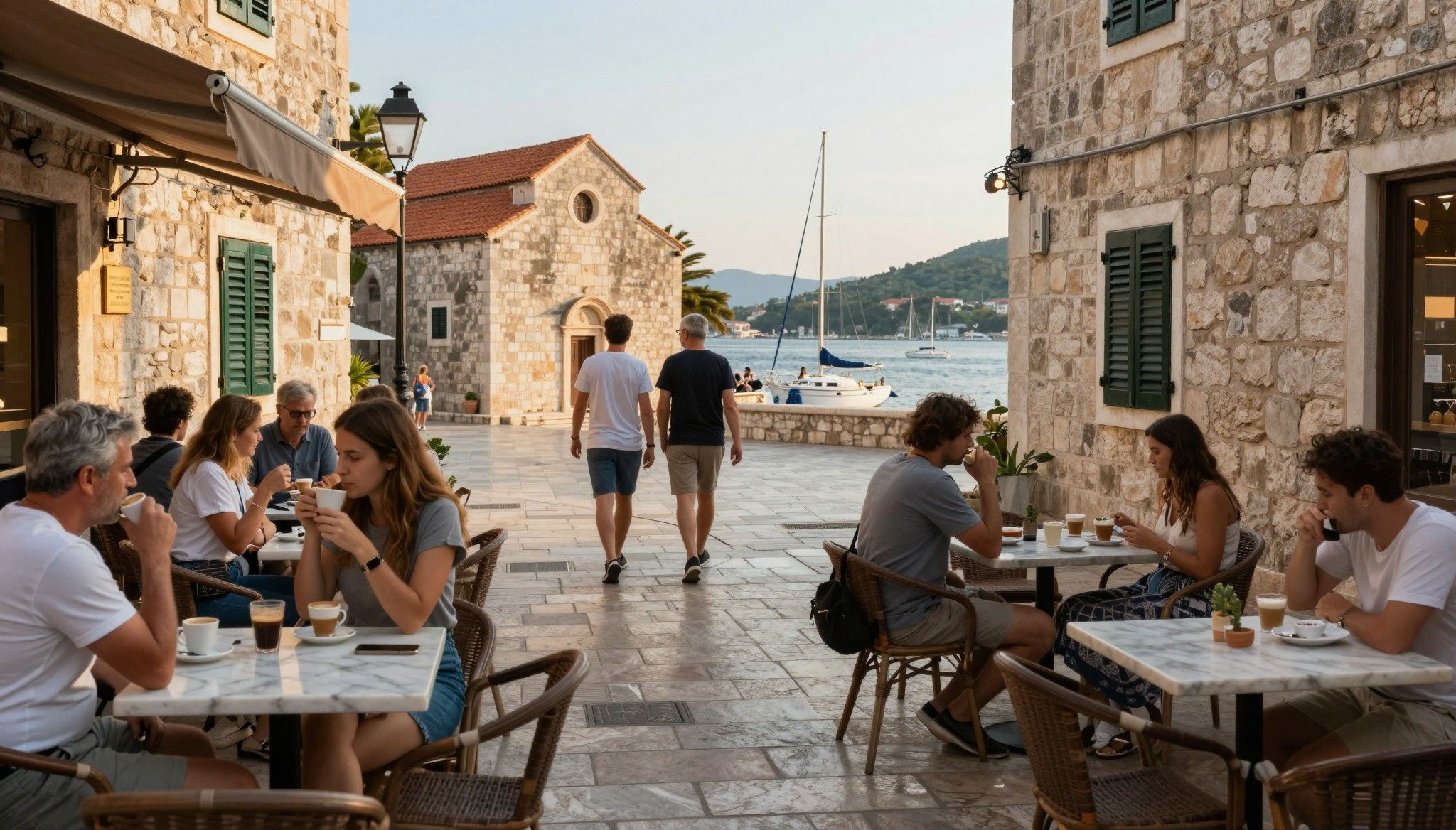
Cyprus is an island of distinct daily rhythms: mornings at small cafés in Nicosia’s Faneromeni, late-afternoon swims on Fig Tree Bay in Protaras, and evenings in Limassol where seaside promenades gather families and expats alike. The pace is measured; social life happens around food and place. These rhythms shape the kinds of homes people buy — terraces for late light, courtyards for winter citrus, compact flats close to cafés for those who prefer walking.
Neighbourhoods that define everyday life
Limassol’s seafront draws professionals who prize contemporary swimming pools and secure developments; Paphos mixes medieval streets with coastal villas and attracts families seeking quieter scale; Larnaca offers a compact town centre, salt lake walks and sometimes better value per square metre. Each area has a distinct coffee culture, weekend routine and property typology — and that matters when you consider financing options tied to property type and expected rental or resale market.
Food, season and the small rituals
Weekends in Cyprus are a sequence of markets, mezze and outdoor life: fish markets at Larnaca Marina, the Troodos mountain bakeries on a winter morning, and the olive-harvest fêtes that still punctuate village calendars. These rituals explain an essential truth for buyers: the home you choose must be livable through seasons — stone floors and shutters for summer heat, well-insulated walls where winter mountain air bites — and that will influence mortgage appetite from local lenders.
Making the Move: Practical Considerations

The romance of place meets the realities of markets. Recent data show rising demand across districts and stronger house-price growth versus apartments in early 2025, a nuance that affects loan-to-value expectations and interest-rate sensitivity. Before you make an offer, translate the lifestyle you desire into concrete financial needs: deposit, loan term, currency exposure and contingency buffers for maintenance or seasonal vacancy.
Property types and what lenders look for
Local lenders distinguish between newly built seafront apartments, traditional village houses and villas with land. A restored stone house in Paphos may score well on provenance but require additional valuation for structural works; off-plan purchases often need staged draws. Expect stricter loan-to-value ratios on older properties and lower leverage for non-resident borrowers. Matching property type to lender appetite reduces surprises in approval and pricing.
Working with local experts who know the island
A Cyprus-based mortgage broker, a lawyer versed in land registry practice, and a surveyor who understands Cycladic construction are not niceties: they are the practical pillars of a smooth purchase. Agencies that combine local market judgment with introductions to reputable lenders help convert lifestyle briefs into financeable acquisitions, particularly for buyers whose income and assets sit abroad.
Practical steps to align lifestyle and financing
- 1. Translate lifestyle into a budget (deposit, annual running costs, taxes). 2. Pre-qualify with a Cypriot bank to understand loan-to-value and interest-rate scenarios. 3. Obtain a local valuation and structural survey to avoid post-purchase surprises. 4. Include a currency-hedge plan if your income is not in euros. 5. Ask your lawyer about restrictions on coastal or agricultural land — these affect collateral and lending decisions.
Insider Knowledge: What Expats Wish They’d Known
Buyers often discover two truths only after moving in: first, seasonality matters — a coastal apartment hums in summer but may sit empty in winter; second, the cost of stewardship (condo fees, pool maintenance, road access) can eclipse mortgage differentials. Those realities change how lenders view rental yield and your ability to service a loan during quiet months.
Cultural and bureaucratic realities that influence finance
English is widely used in transactions, yet legal practice, timing of searches at the Department of Lands and Surveys and permit processes are local realities. Lenders will expect clear paperwork, tax clearance certificates and proof of legitimate funds. Delays in title searches or building permits can lengthen draw schedules — and extend interest costs — so build time and margin into your purchase plan.
The financing moves that often make the difference
• Consider a larger deposit to secure better LTV and lower rate for non-resident buyers. • Negotiate staged payments on off-plan projects tied to completed milestones. • Ask lenders about euro-based mortgages if your income is euro-denominated to avoid FX risk. • Factor in 3–6 months of running costs as a contingency for seasonal vacancies. • Use a local accountant to model after-tax yield if you plan to rent seasonally.
How to structure a sensible mortgage application (six steps)
- 1. Gather certified proof of income, bank statements and an asset schedule. 2. Secure a valuation and a structural survey (paid upfront). 3. Obtain a formal pre-approval from a Cypriot bank or specialist lender. 4. Confirm tax-clearance requirements with your lawyer and the tax office. 5. Agree staged draw timings with the developer or seller and the lender. 6. Close with a notary and register the transfer at the Department of Lands and Surveys.
A final, practical note: markets move. In Q1 2025 island-wide indices recorded modest but steady growth, with houses outperforming apartments in several districts. That means timing, lender selection and a clear contingency plan are not academic concerns; they determine whether your purchase is a measured acquisition or an expensive lesson. An agency that understands both the life you want and the lenders who will underwrite it becomes the single most valuable adviser.
If Cyprus calls to you, proceed like a careful steward: visit in the shoulder seasons to test neighbourhood rhythm, pre-qualify with lenders to fix expectations, and work with specialists who translate lifestyle into finance. Start with a succinct brief — location, lifestyle, and absolute budget — and let local expertise shape the rest. The island’s rewards are real; the difference between a thoughtful purchase and a costly mistake lies in alignment between dream and finance.
Norwegian with years in Florence guiding clients across borders. I bridge Oslo and Tuscany, focusing on legal navigation, cultural context, and enduring craftsmanship.