How Timing Your Cyprus Mortgage Lowers Cost
Timing, local lender practice and seasonality materially change mortgage costs in Cyprus; prepare pre‑approval, title searches and seasonal rental forecasts to lower risk.

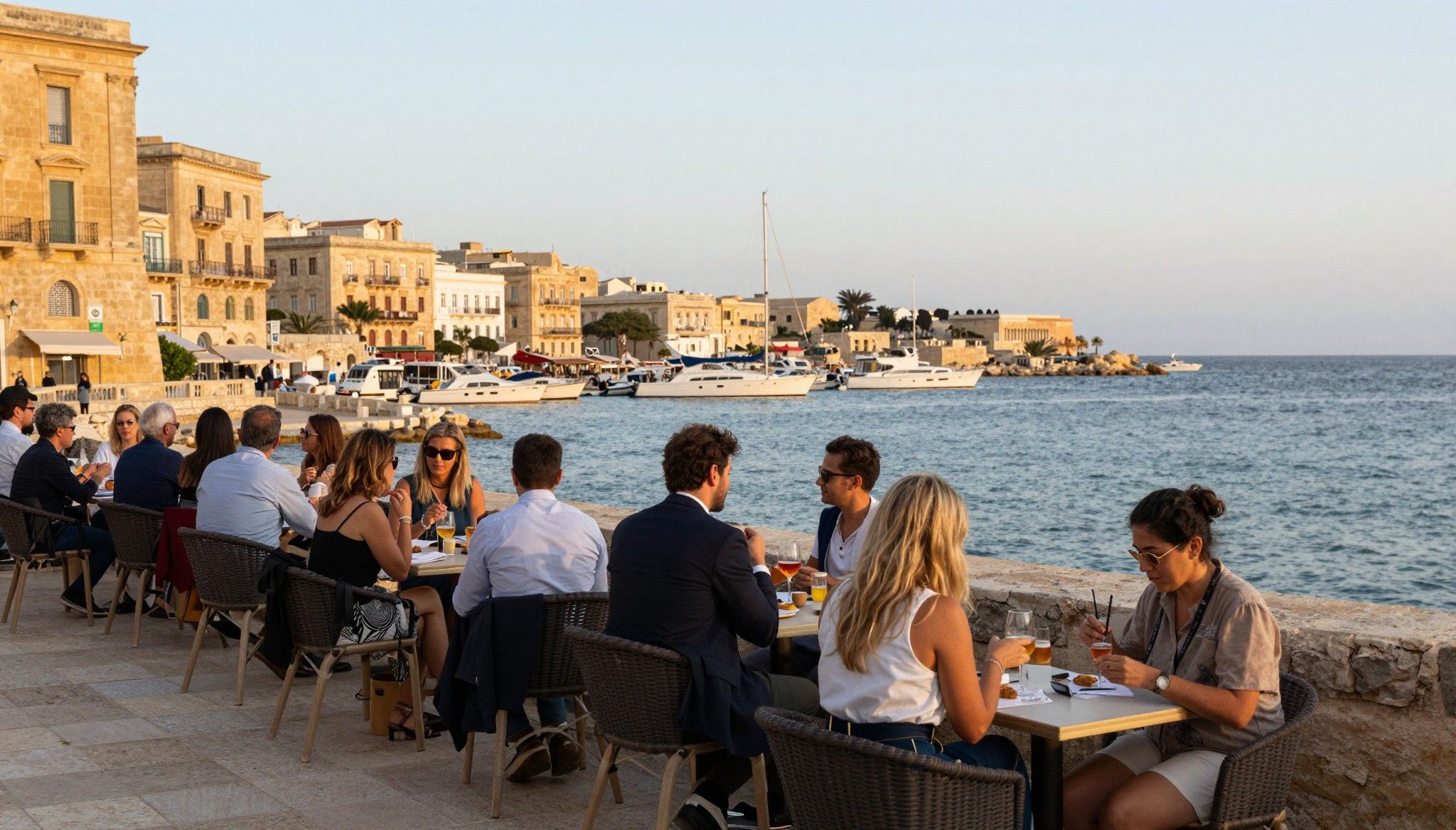
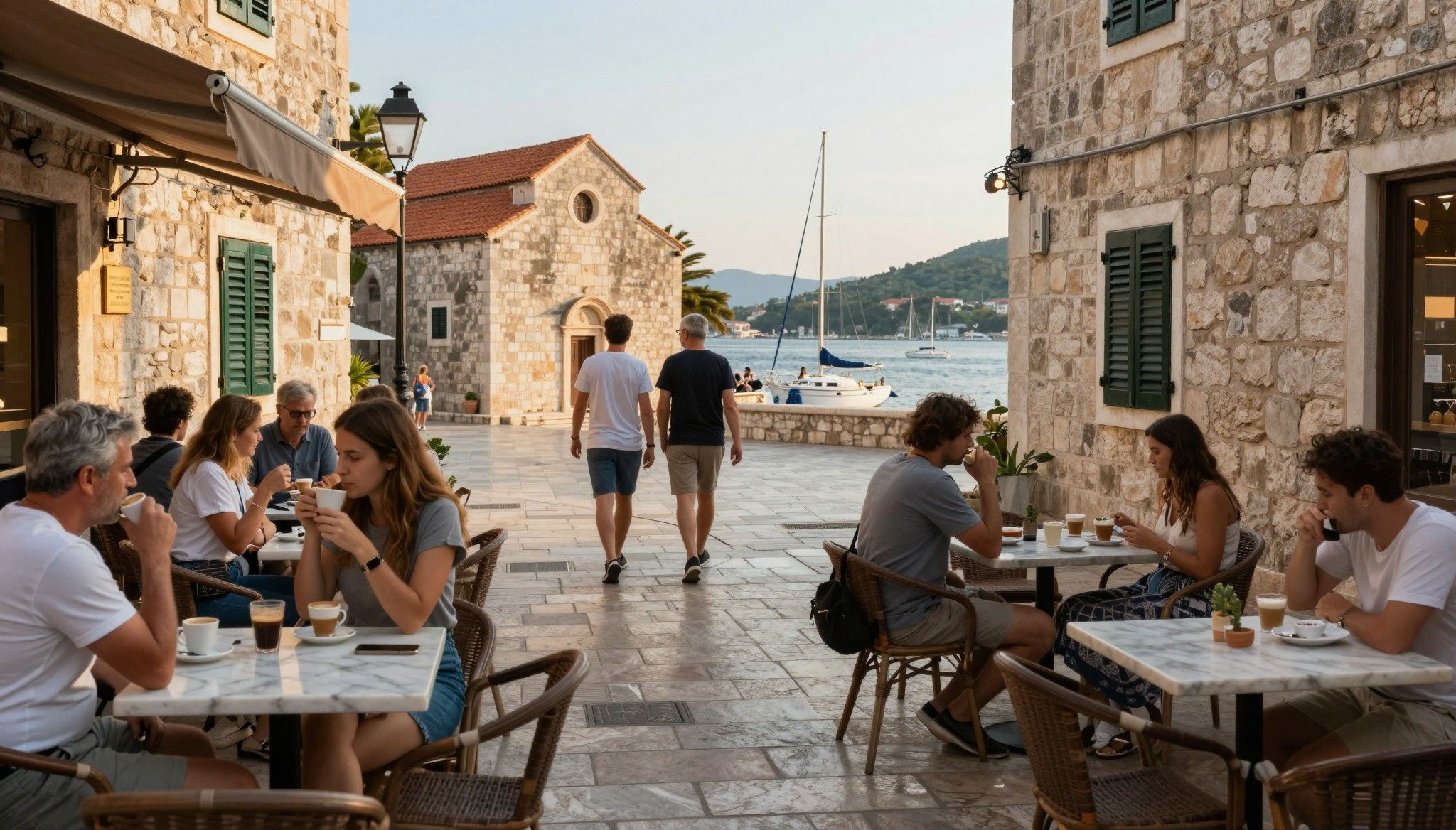
Imagine a slow Sunday in Limassol: espresso at Meze restaurants on Anexartisias, fishermen mending nets on Dasoudi beach, and pale limestone façades catching soft winter sun. The rhythm here is measured — market days, sea swims in January for the hardier locals, and neighbourhood cafés that double as informal councils. For many international buyers the romance arrives first; the question that follows is pragmatic and immediate: when to borrow, with whom, and how to align a mortgage strategy with the seasons, local banking rhythms and the subtleties of Cypriot title practice. This essay pairs the lived life of Cyprus with concrete financing choices that materially shape the cost and experience of buying here.
Living the Cyprus life — how place shapes finance
Cyprus is at once Mediterranean and discreetly provincial: narrow village lanes in Paphos, the tangle of boutiques in Limassol’s Old Port, and the quiet post‑Byzantine calm of Omodos. Seasons alter demand — summer tourists swell coastal rental yields, while winter light draws buyers who prize daily rhythm over headline rents. Those seasonal flows inform lender appetite; banks price risk partly on tourism‑driven rental volatility and partly on borrower profiles that shift with the season. Understanding that rhythm helps you time not just viewings but loan applications and fixed‑rate windows.
Neighbourhoods that matter: Limassol, Nicosia and Paphos in practice
Limassol’s coastal strip — Germasogeia and Agios Tychonas — trades on refined seaside living and commands stronger short‑term rental returns; lenders view these areas as mixed‑use collateral with seasonal income. Nicosia’s walled centre and suburbs such as Strovolos favour permanence: purchasers here are often owner‑occupiers, and banks tend to favour longer loan tenors at steadier margins. Paphos offers village tranquillity and unexpectedly resilient long‑stay tourism; for buyers seeking lower entry prices the town’s older streets and Chloraka provide negotiation room, but banks will scrutinise rental forecasts more closely.
Food, markets and the everyday that inform value
Picture mornings at the Nicosia Municipal Market or weekend lunches in Omodos’ stone square; these are not mere pleasures but neighbourhood signals. Proximity to authentic markets and year‑round cafés often preserves occupancy and dampens seasonality — which lenders notice. Practical matters follow: transfer and stamp duties, VAT status of a property and whether two purchasers will split the title all change the effective costs and, by extension, the borrowing you need. You should factor closing costs and likely rental seasonality into your loan‑to‑value negotiation and reserve calculations.
Making the move: mortgages and the Cypriot banking rhythm
Interest rates in Cyprus have been responsive to Eurozone dynamics; the Central Bank publishes monthly series showing modest month‑to‑month movement in housing loan rates. Lenders offer both floating and short initial‑fixation fixed rates; for many non‑resident buyers the most important early choice is whether to fix cost now or retain flexibility. Banks also vary in maximum LTV to non‑residents — expect tighter LTV (often 60–70%) and more conservative valuations than for domestic buyers. Preparation, including an early pre‑application and local valuation, materially improves leverage with lenders.
Property categories and how lenders judge them
Banks differentiate between new‑builds (often VAT‑registered), resale apartments, and rural houses with irregular title histories. New builds paying VAT may be exempt from transfer fees — a useful saving that sometimes offsets a slightly higher headline price. Older stone cottages and converted village houses can charm buyers but will trigger detailed title and permit checks; lenders typically require clear land registry records before committing. An accurate, lender‑acceptable valuation often shifts an offer from speculative to financeable.
Steps to prepare a mortgage application in Cyprus
Gather certified ID, proof of income and three months of bank statements; have documents translated and apostilled if necessary. Commission a local valuation and a preliminary title search to surface unresolved encumbrances before you sign. Agree on the loan type and LTV with a bank or broker, then request a pre‑approval in writing to strengthen negotiations. Allow for transfer fees, stamp duty and legal costs when calculating the required deposit; an underestimated closing budget is the most common friction point during exchange.
Insider knowledge — expat lessons and lender red flags
Expat buyers often recount the same surprises: underestimated fees, slow title transfers, and seasonal lenders’ caution around holiday‑driven rental forecasts. A frequent—and avoidable—misstep is treating bank valuations and sales‑market instinct as identical; banks base lending on mortgageable value which can be lower than your personal market estimate. Another common oversight is timing the offer during peak tourist season when asking prices look high; conversely, winter viewings can reveal maintenance issues and negotiation room. Being conversant with Cypriot transfer mechanics and seasonal market signals is where an experienced local adviser pays for themselves.
Red flags banks watch for (and what to do)
Incomplete land registry entries or missing permits — commission an early title search. Heavy seasonality in rental income — produce three‑year occupancy and contract history if you rely on rents. Properties with complex co‑ownership — insist on a clear division of shares and legal declarations. Significant discrepancies between asking price and comparable sales — secure an independent valuation.
How a local agency becomes your financial translator
An agent grounded in Limassol or Paphos does more than show properties; they curate a shortlist that reflects lender preferences, suggest optimal timing for applications and liaise with local lawyers to expedite title clearance. A recommended agent will also advise on whether splitting the purchase between two names reduces transfer fees — a small structural decision that lowers cash‑at‑completion. Treat agencies as the bridge between lifestyle aspiration and bankable reality: their local rhythms and relationships accelerate offers into approved mortgages.
Longer view: stewardship, taxes and life after purchase
Owning in Cyprus is an exercise in stewardship: maintenance of stonework, roof membranes against coastal salt, and respectful renovation in conservation zones maintain both lifestyle and value. Tax considerations — from stamp duty timing to possible VAT treatment on new builds — affect cashflow and resale calculus and are worth reviewing with a Cyprus tax adviser. Over time, well‑chosen local investments compound in lifestyle as well as capital terms; think in seasons and decades, not months.
Practical tips before you sign: budget for transfer and stamp duties; request lender pre‑approval; factor seasonal rental variance into cashflow; commission title and permit searches early; consider splitting title to reduce transfer fees.
Conclusion: Cyprus rewards patience and local knowledge. The island’s light, markets and coast offer a life both slow and generous; financing it well requires timing, clear documents and advisers who understand when a neighbourhood signal matters more than a headline price. Start with a pre‑approval, walk the streets in different seasons, and assemble a short team — lender, lawyer, and agent — who speak both your language and the language of Cypriot property. The result is a purchase that supports the life you imagined, and one that endures.
Dutch former researcher who moved to Lisbon, specialising in investment strategy, heritage preservation, and cross-border portfolio stewardship.