How Croatia’s market and lending rules shape your mortgage
A lifestyle-led look at buying property in Croatia: how rising prices, CNB lending rules and nationality-specific mortgage terms shape smart financing decisions.
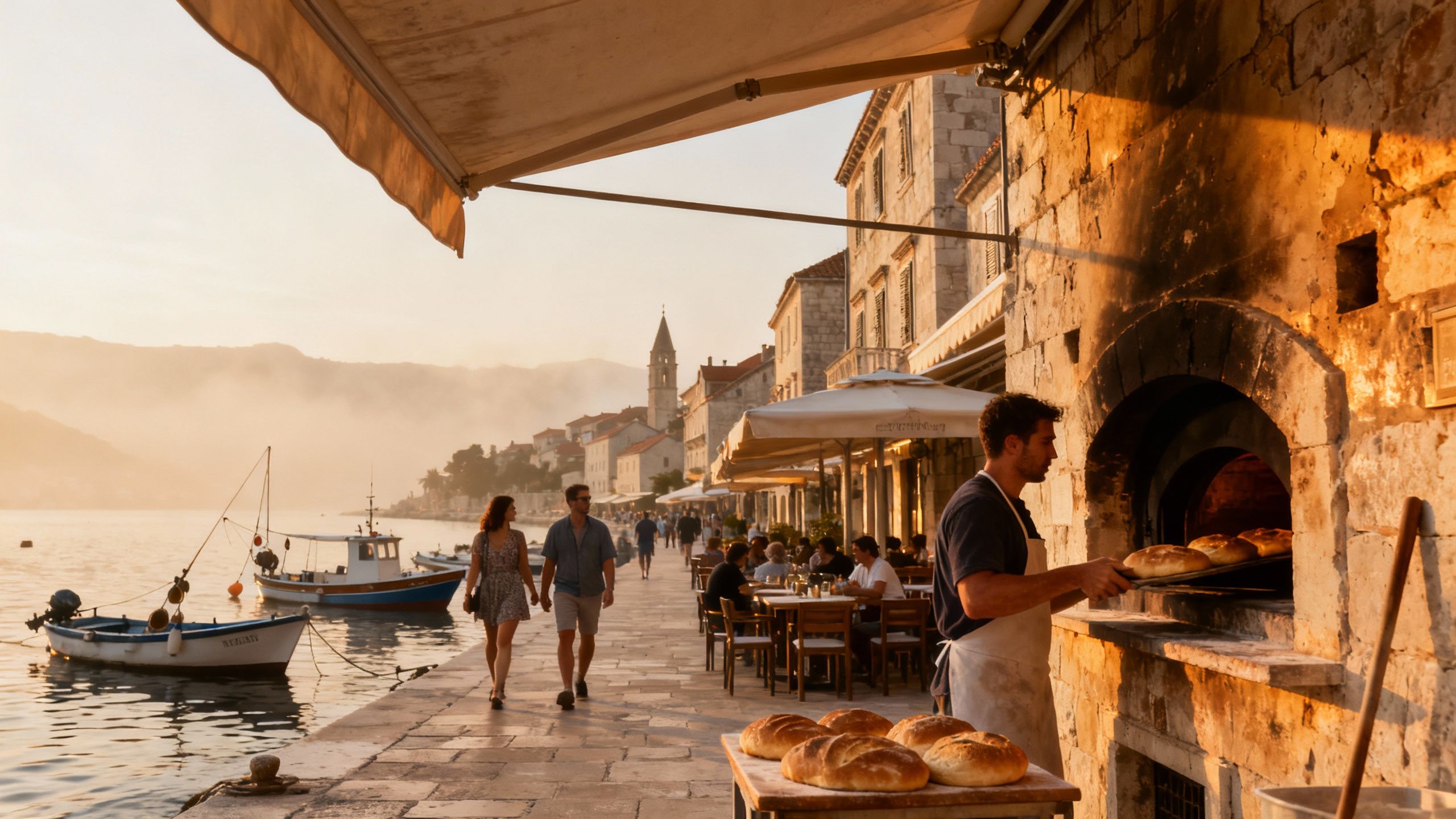
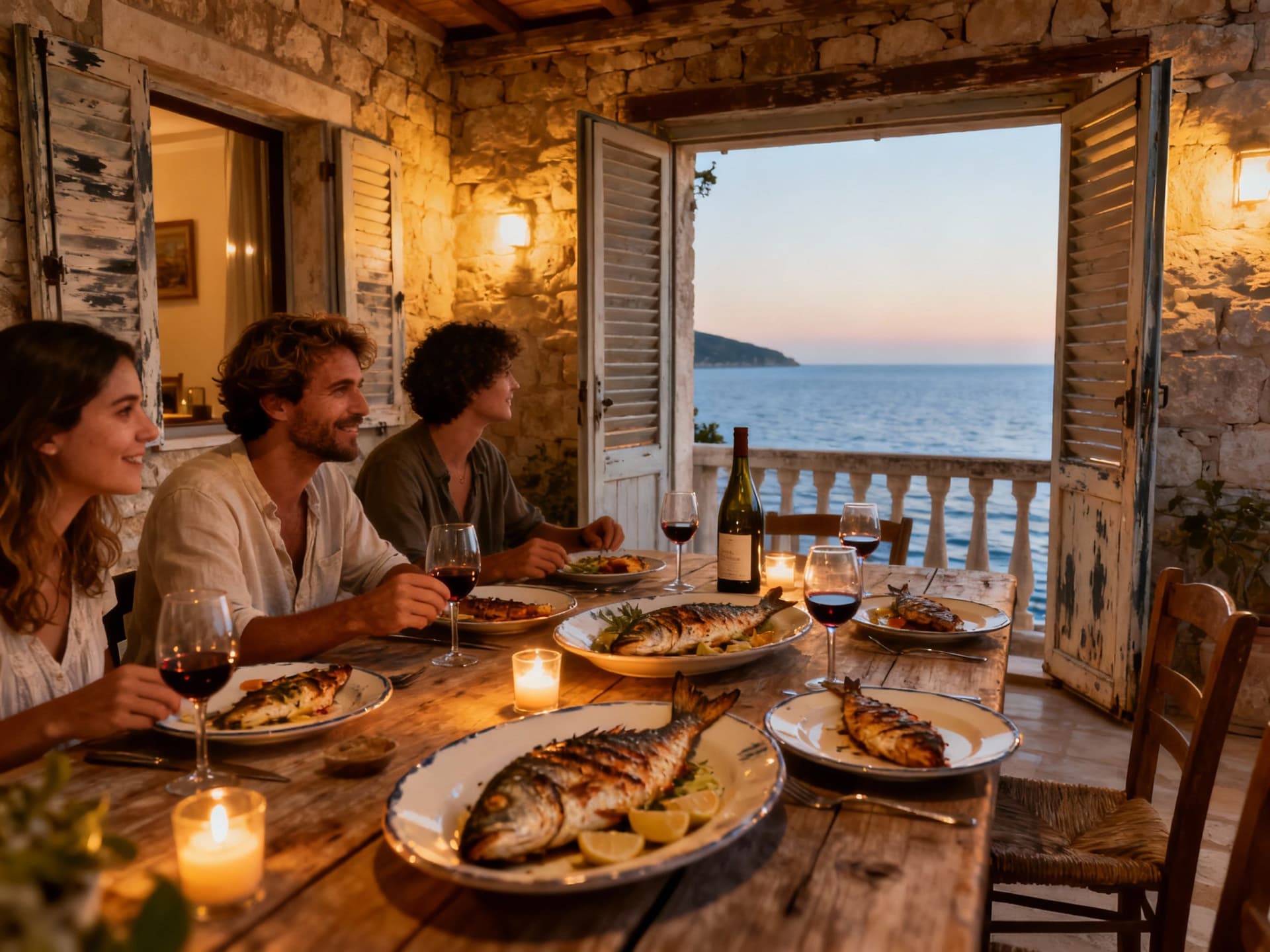
Imagine waking before dawn to the low-slung light over a stone quay in Rovinj, the market stalls opening and a baker already pulling loaves from an oven scented with rosemary. In Croatia the day begins with slow, considered pleasures — espresso at a tiled café, the sea breathing on a nearby promenade — and that rhythm informs how people use their homes: terraces for late lunches, cellars for aged olive oil, narrow stairwells that become part of daily life. For international buyers this lifestyle is the magnet; the practical question is how to make it yours without losing sight of financial prudence. This guide blends the lived experience of Croatia’s coastal towns and inland towns with the concrete financing steps you’ll need to take, supported by current market data and local lending rules.
Living the Croatian life: rhythm, neighbourhoods, seasons
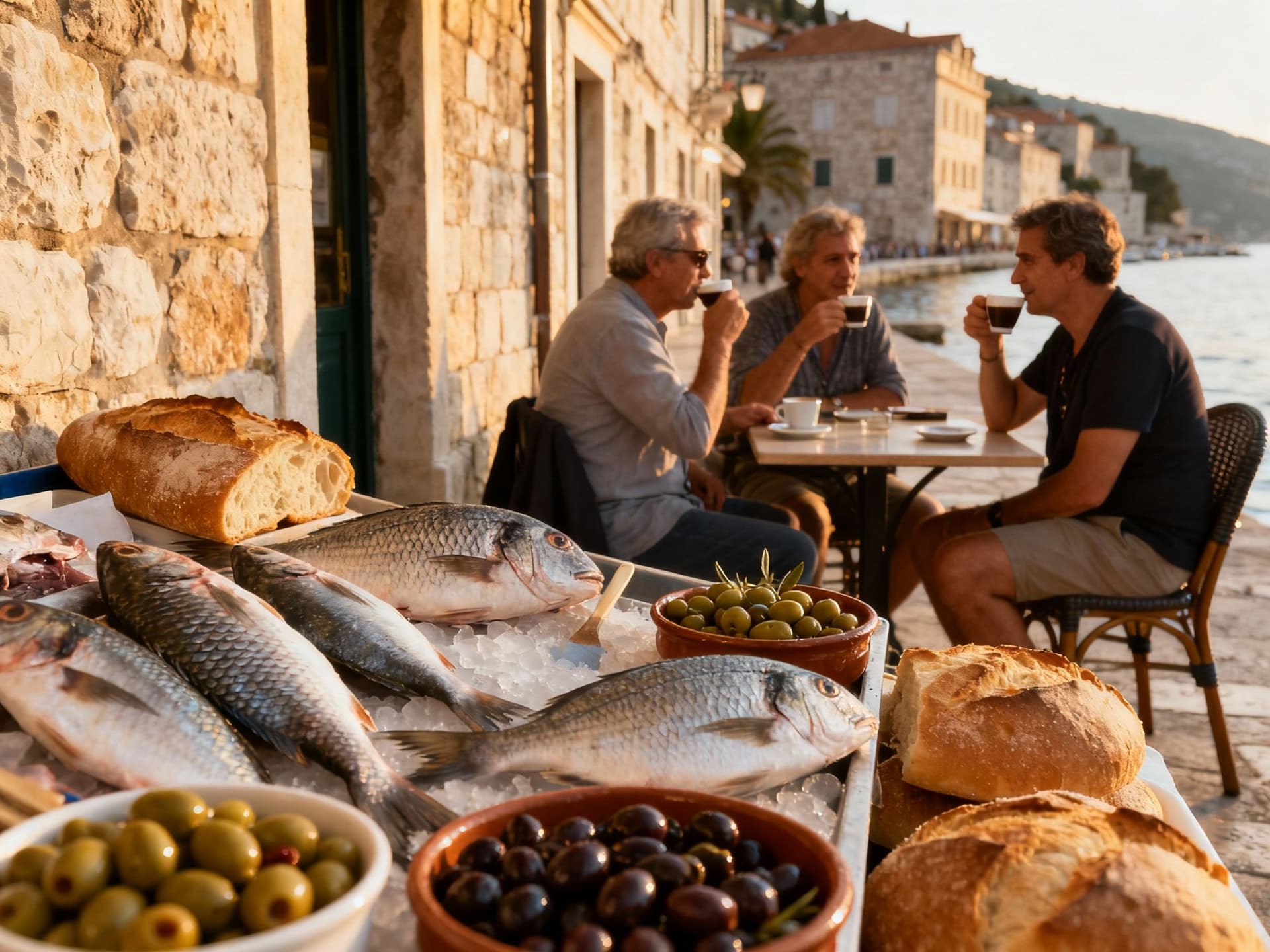
Croatia’s character is regional and tactile. In Zagreb, afternoon espresso culture and Neoclassical facades set a measured urban tempo; on the Dalmatian coast — Split, Dubrovnik, Hvar — life tilts toward the sea with stone-paved għardens, fishermen’s markets, and a summer calendar of festivals. Inland, Istrian hill towns like Motovun offer truffle-hunting weekends and a quieter year-round pace. These differences matter because the property you buy must suit not only your aspiration but the seasonal use and the local rhythms that define value and livability.
Rovinj, Split and Zagreb — three distinct promises
Rovinj is intimate: narrow lanes, artisan galleries, and terraces that catch the evening light; a small apartment here reads as a cultured pied-à-terre. Split combines a living Roman palace (Diocletian’s) with a working port and quieter suburbs where restored stone houses sit above pebble beaches. Zagreb’s Austro-Hungarian boulevards and leafy districts such as Pantovčak and Maksimir appeal to families seeking full-year infrastructure — international schools, hospitals and seasonal cultural life.
Food, markets and the leisure of place
Saturday markets — Dolac in Zagreb or Pazar in Split — are the civic heartbeat where neighbours compare cheeses and fishermen sell the morning catch. Restaurants range from konobas serving Istrian pasta and Malvazija to Michelin-led kitchens in coastal towns; dining here is an exercise in provenance, not glamour. If you plan to host or rent seasonally, consider proximity to markets and year-round restaurants: the best properties marry architecture with the neighbourhood’s food economy.
Making the move: market pulse and financing essentials
Prices are rising across Croatia: official statistics show dwelling prices climbing double digits year‑on‑year in recent quarters, with coastal locations leading growth. At the same time, the Croatian National Bank has tightened borrower criteria to rein in household leverage, which affects loan-to-value and debt‑service calculations. For an international buyer this means two concurrent realities: market momentum that rewards decisiveness, and lending constraints that demand careful planning of deposit size, currency choice and cash flow.
How foreign status changes mortgage terms
EU/EEA citizens typically access mortgages on terms close to local buyers; non‑EU nationals commonly face higher deposits (often 30–50%), more stringent income proof and sometimes a requirement for Ministry of Justice approval before purchase can be registered. Many major banks run dedicated non‑resident desks and will require an OIB (tax number) and a Croatian bank account as part of the application. Expect the lender to stress-test income in kuna and to apply the CNB’s DSTI and LTV limits when underwriting your file.
Practical steps to secure finance in Croatia
Open an OIB and a Croatian bank account; banks often will not progress an application without them.
Confirm whether your nationality requires Ministry of Justice approval and prepare the initial sale contract and documents early; the process can take weeks.
Assemble proof of income, translated and notarised where necessary; larger deposits improve the terms offered to non‑residents.
Insider knowledge: contrarian moves that preserve lifestyle and value
A frequent misperception is that only Dubrovnik and Hvar matter on the Dalmatian map. In truth, towns such as Šibenik, Trogir and the lesser-known stretches of Istria offer comparable quality of life with lower price pressure and more year‑round communities. Choosing a slightly contrarian town often buys you better architecture, larger gardens and a more integrated local life — qualities the refined buyer prizes more than headline prices.
What expats say they wish they’d known
Long‑term residents often note that the neighborhood matters more than the building: a modestly sized stone house on a quiet lane near a market will deliver more daily pleasure than a flashy seafront apartment rented out most of the year. They also advise testing winter living before committing; the coastline is quieter and some services contract—if you intend year‑round residence, confirm local utilities, healthcare access and transport links in the off‑season.
Local red flags and how to spot them
Missing building permits or unclear land‑use certificates — request the ‘uvjerenje o namjeni’ before you pay a deposit.
Overreliance on summer rental yields — confirm actual year‑round occupancy and check local zoning rules for short‑term lets.
Unverified seller identity or incomplete title chain — insist on a complete land register extract from the State Geodetic Administration and a lawyer’s review.
How local agencies earn their keep
A seasoned local agency does more than show homes. They coordinate lawyers, appraisers and translators; they know which banks will lend to which nationalities and which neighbourhoods have sensible long‑term demand. When lenders tighten criteria — as the CNB signalled in 2025 — an agent who can bundle credible documentation and advise on deposit strategy can materially improve the chance of a timely mortgage approval.
If you value craftsmanship and provenance, insist on an agent who can speak to a property’s architectural lineage — who knows whether a stone house was sensitively restored, what materials were used and how the building performs year‑round. That expertise preserves both lifestyle and capital.
A short checklist before you place a deposit
Confirm ministry approval requirements for your nationality and obtain any necessary pre‑consents.
Obtain a recent land register extract and an ‘uvjerenje o namjeni’ showing permitted use.
Ask your chosen bank for a pre‑approval letter or a conditional statement of terms to align expectations on deposit and currency.
Croatia offers a life that is at once civic and elemental: market mornings, late coastal light, an appetite for provenance. If you marry that life with a disciplined financing plan — early OIB, realistic deposit, a trusted lawyer and an agent who understands seasonal life — you will both enjoy and protect the value of your purchase. Begin with neighbourhood visits in both high and low season, gather bank pre‑approvals and request Ministry guidance early; these steps convert affection into ownership with confidence.
Norwegian with years in Florence guiding clients across borders. I bridge Oslo and Tuscany, focusing on legal navigation, cultural context, and enduring craftsmanship.