Cyprus: Lifestyle, Mortgages and the Fees No One Mentions
A lifestyle-led look at buying in Cyprus — how neighbourhood life pairs with mortgage realities, transfer fees and lender expectations to shape a confident purchase.
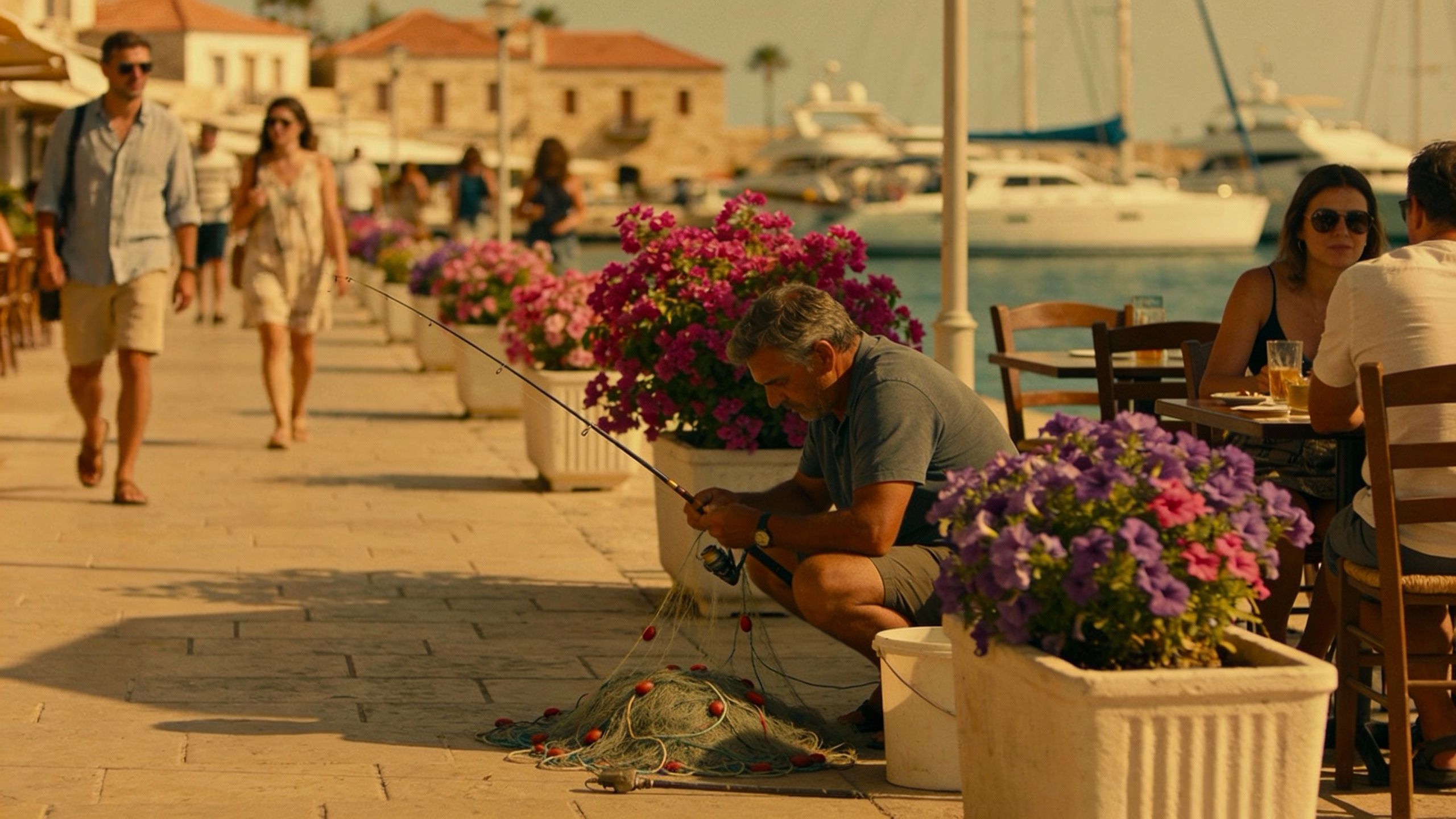
Imagine an autumn morning in Limassol’s old town: the harbour light is a slow burn, a baker lifts a tray of warm koulouri, and the conversation at Molos flows from sea conditions to weekend plans. This is the rhythm buyers come for — a Mediterranean life measured in markets, cafés and late light — but financing that dream in Cyprus requires the same care you’d use restoring a period villa: attention to provenance, the right craftspeople, and an experienced guide who understands local legal contours. Recent market reports show the residential sector remains the engine of Cyprus’s property market, but finance terms and fees vary enough that a small misstep changes the arithmetic of a purchase.
Living the Cyprus life
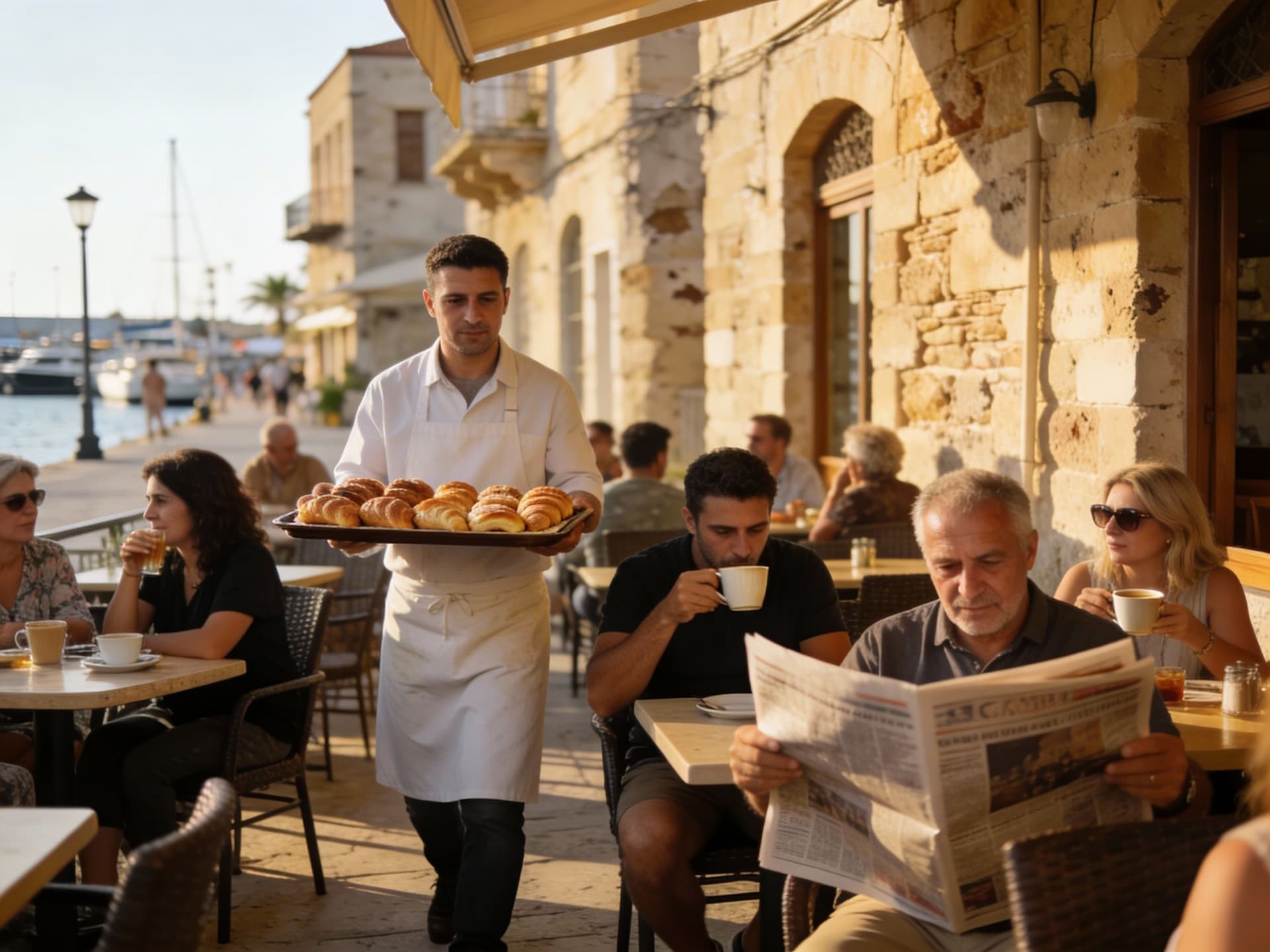
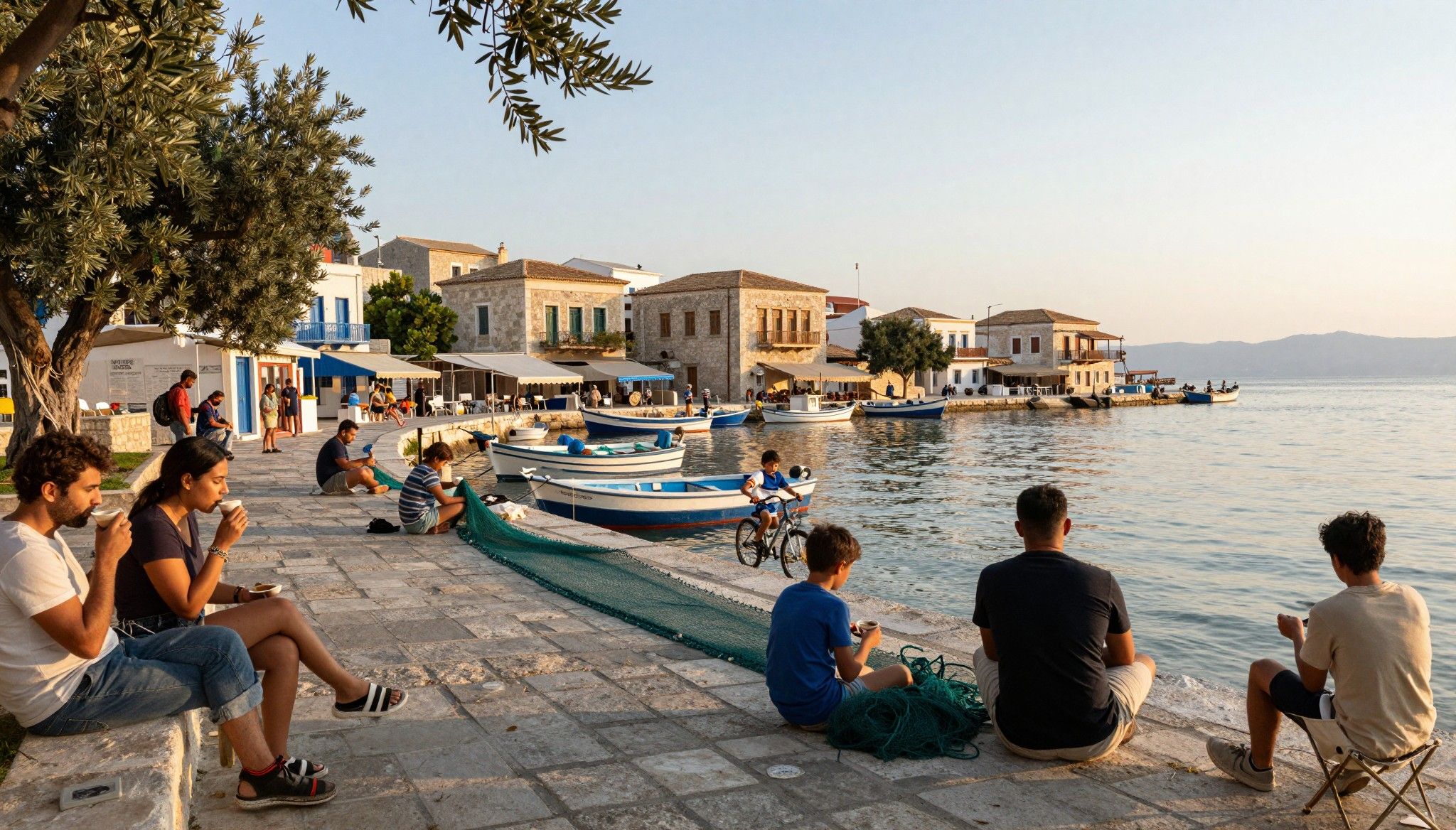
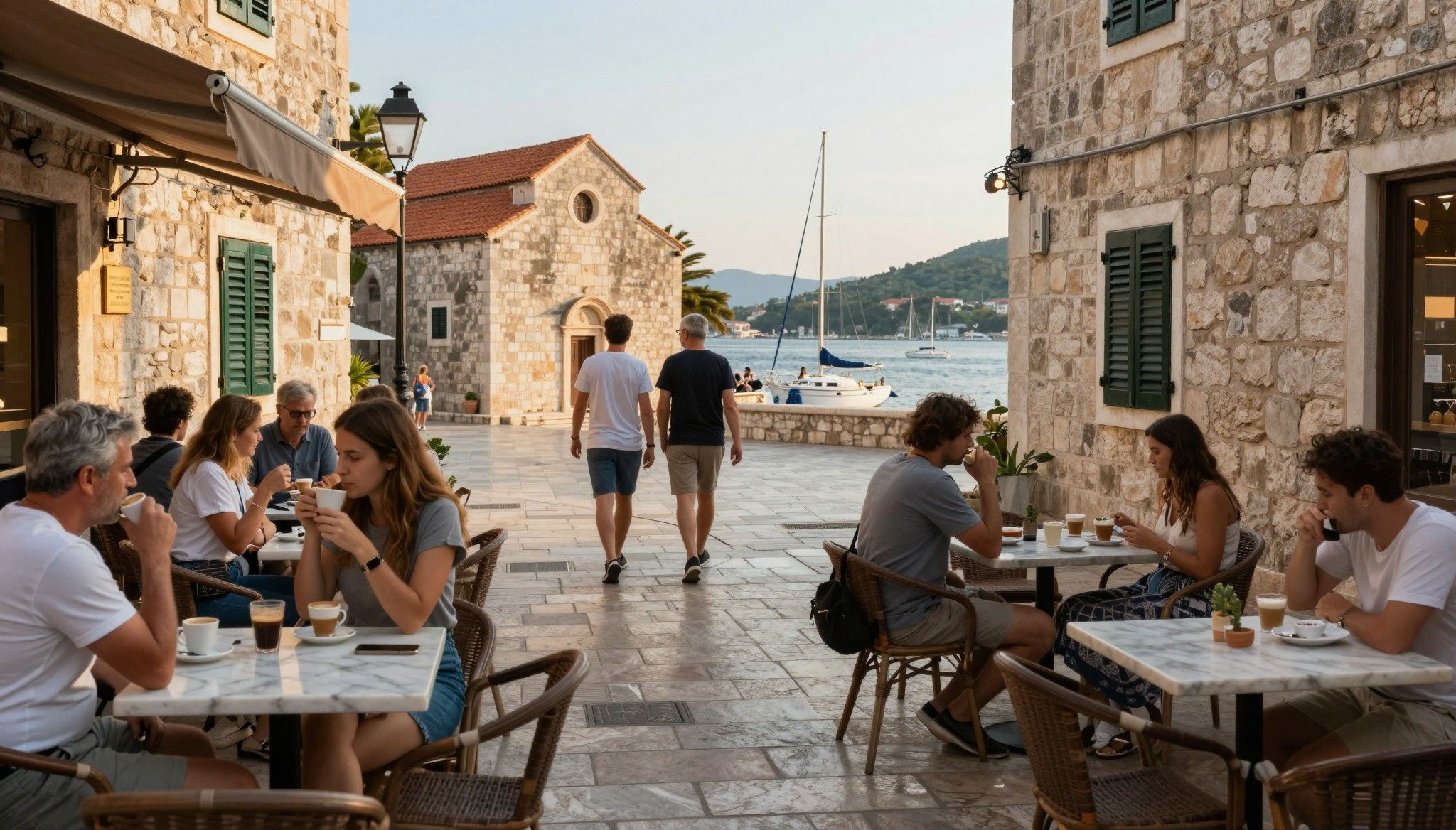
Cyprus moves at a temperate pace: mornings at neighbourhood cafés, afternoons on organized beaches such as Fig Tree Bay, and evenings that gather around long dinners. Neighbourhoods differ decisively — Limassol’s Molos and Agios Tychon favour a cosmopolitan, maritime life while Paphos’s Kato Paphos leans on archaeological streets and quieter shorelines. Wherever you choose, light and stone define homes: honey-coloured limestone facades, shuttered windows, and terraces planned for late light.
Limassol and the harbour life
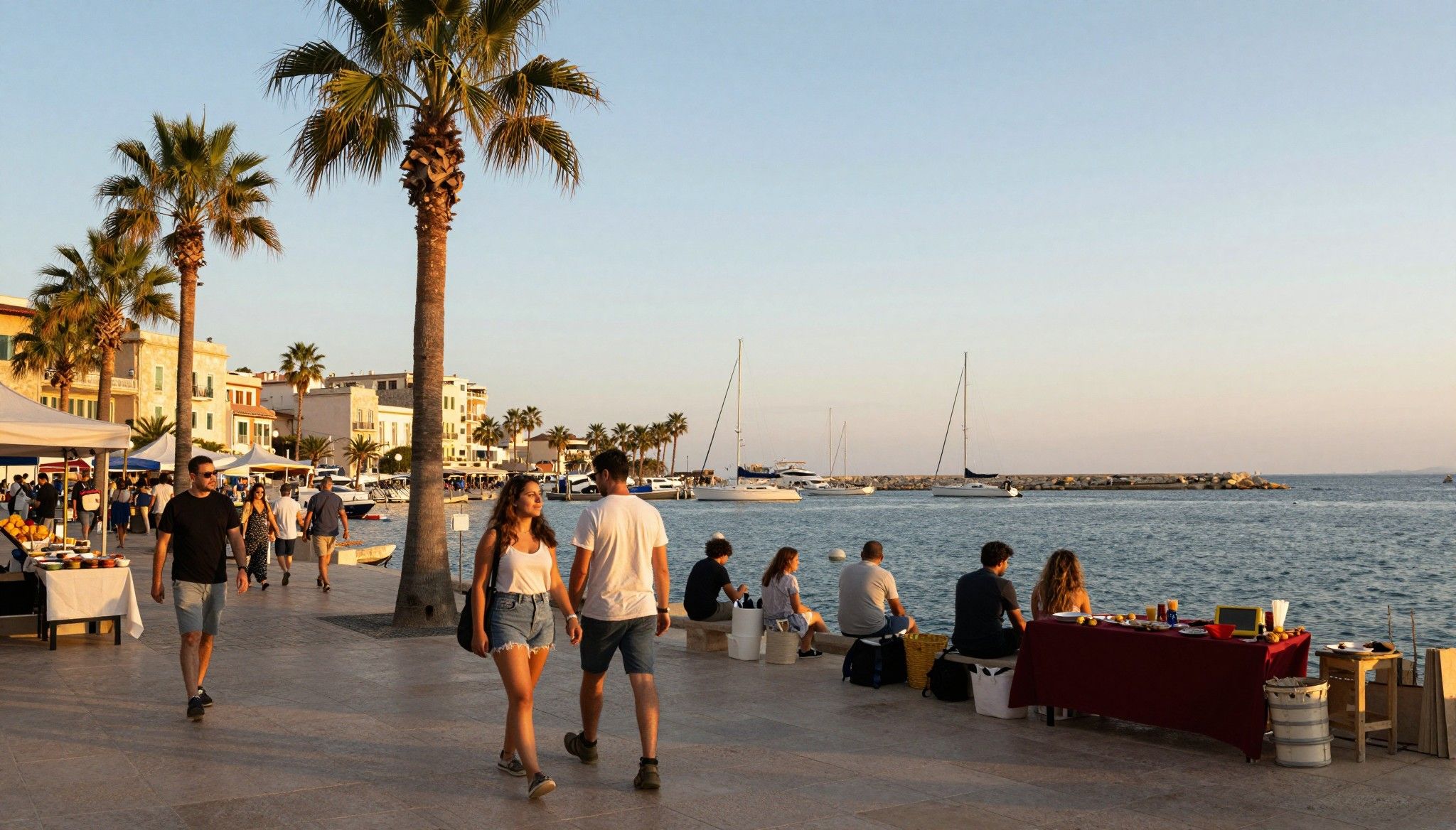
Walkable streets, piano-bars and yacht moorings make Limassol feel like a small port city with international reach. Apartments facing the seafront prefer stonework terraces; townhouses a block back hide private courtyards. For buyers seeking social scenes and refined hospitality, Limassol delivers both the bustle of cafés and discreet private enclaves.
Paphos, Protaras and quieter coastal rhythms
Paphos offers a quieter cadence: coastal promenades, archaeological parks, and villages such as Tala and Peyia where mornings begin at the market and afternoons are for olive groves. Protaras and Fig Tree Bay are sun-warmed and suited to seasonal living; properties here often prioritise terraces and outdoor rooms over large formal interiors. These are the places where a terrace breakfast becomes the defining part of the day.
- Lifestyle highlights: Molos promenade in Limassol; Fig Tree Bay beach, Protaras; Old Town Nicosia’s narrow streets and artisanal cafés; Kato Paphos archaeology walks; Larnaca’s Finikoudes promenade and fish tavernas.
Making the move: practical considerations and financing realities

The wish to live a Mediterranean life meets concrete numbers when you sit with a lender. The Central Bank of Cyprus reports that lending rates for house purchase have moved in recent months — a reminder that timing and structure matter. Non-resident borrowers can access Cypriot mortgages, but available loan-to-value ratios, required deposit sizes and initial rate-fixation windows differ from those offered to residents. Understanding these constraints turns a good purchase into a robust one.
Property types and how they affect finance
New-build apartments typically carry VAT and — crucially — are often exempt from transfer fees, which preserves cash at completion. Resale homes attract transfer fees calculated on a sliding scale and may offer a 50% reduction in some cases. Villas and older townhouses can look affordable on price per square metre, yet their maintenance, energy adaptation and potential renovation costs should be factored into mortgage approvals and cashflow models.
Working with lenders and local advisors
Practical steps to prepare for mortgage approval:
- 1. Secure paperwork: banks expect proof of income, tax returns, and passports; non-resident underwriting often requires a larger deposit, typically 30–40% depending on lender appetite.
- 2. Choose fix vs. floating: many Cypriot offers feature an initial fixed window (1–5 years) before a variable margin; match the product to your horizon and currency exposures.
- 3. Budget for closing: beyond deposit, include transfer fees, stamp duty (capped per contract), mortgage registration (around 1%) and legal fees — they materially affect your liquidity at completion.
- How agencies and lawyers add value: local market knowledge to identify undervalued streets; relationships that enable early viewings; lawyers who front-load due diligence to avoid title issues; mortgage brokers who present foreign-buyer packages to Cypriot banks.
Insider knowledge: myths, seasonal timing and what expats wish they'd known
There is a persistent myth that Cyprus remains a simple path to EU citizenship by investment. The national programme that once offered that route has been discontinued and reviewed; the policy landscape is stricter and less permissive than headlines from earlier in the decade suggested. Buyers should treat any residency promise as separate from property purchase and verify current rules with immigration counsel before structuring an acquisition.
Seasonal truth: why winter viewings reveal more
Contrary to romantic instincts to visit in summer, winter viewings in Cyprus expose construction quality, insulation, and the true soundscape of a street. Many sellers tidy for summer; a mid-winter visit reveals whether terraces drain properly, how evenings feel in a neighbourhood, and the practicalities of year-round living. From a negotiation perspective, off-season interest can also sharpen your leverage.
What expats commonly overlook
- Shared sins of first-time foreign buyers: under-budgeting for taxes and registration; neglecting to confirm land registry records and easements; assuming short-term rental income covers all costs; failing to match property style to climate (large glass facades can be cool in summer but costly to heat).
Over time, buyers who pair a clear lifestyle brief — proximity to a harbour, a village piazza, or a quiet olive grove — with disciplined financial planning find the purchase rewarding. Local agencies, used with discretion, act as stewards: they surface streets where locals buy, not just where the glossy brochures point. If you value design integrity and the weight of materials, treat due diligence as an aesthetic as much as a legal step.
Start pragmatically: list three lifestyle non-negotiables, meet with a Cypriot lawyer to confirm title and transfer-fee exposure, and ask two banks for indicative offers before making an offer. With those three actions you protect both the life you imagine and the investment you make.
Norwegian with years in Florence guiding clients across borders. I bridge Oslo and Tuscany, focusing on legal navigation, cultural context, and enduring craftsmanship.