Cyprus: Lifestyle‑Led Mortgage Sense
An immersive look at living in Cyprus with research-backed mortgage guidance: what banks expect, hidden costs, and practical steps for non-resident buyers.
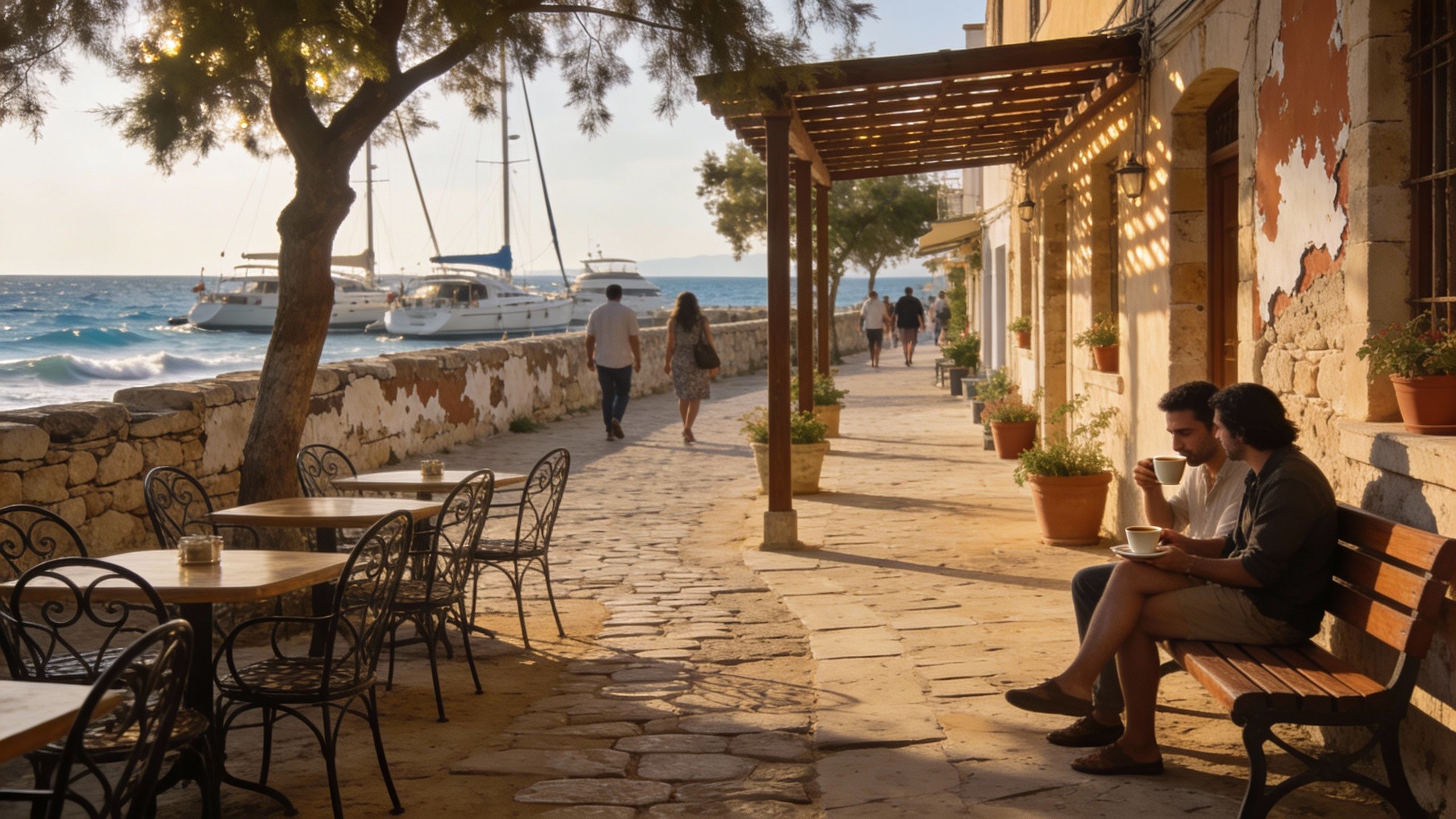
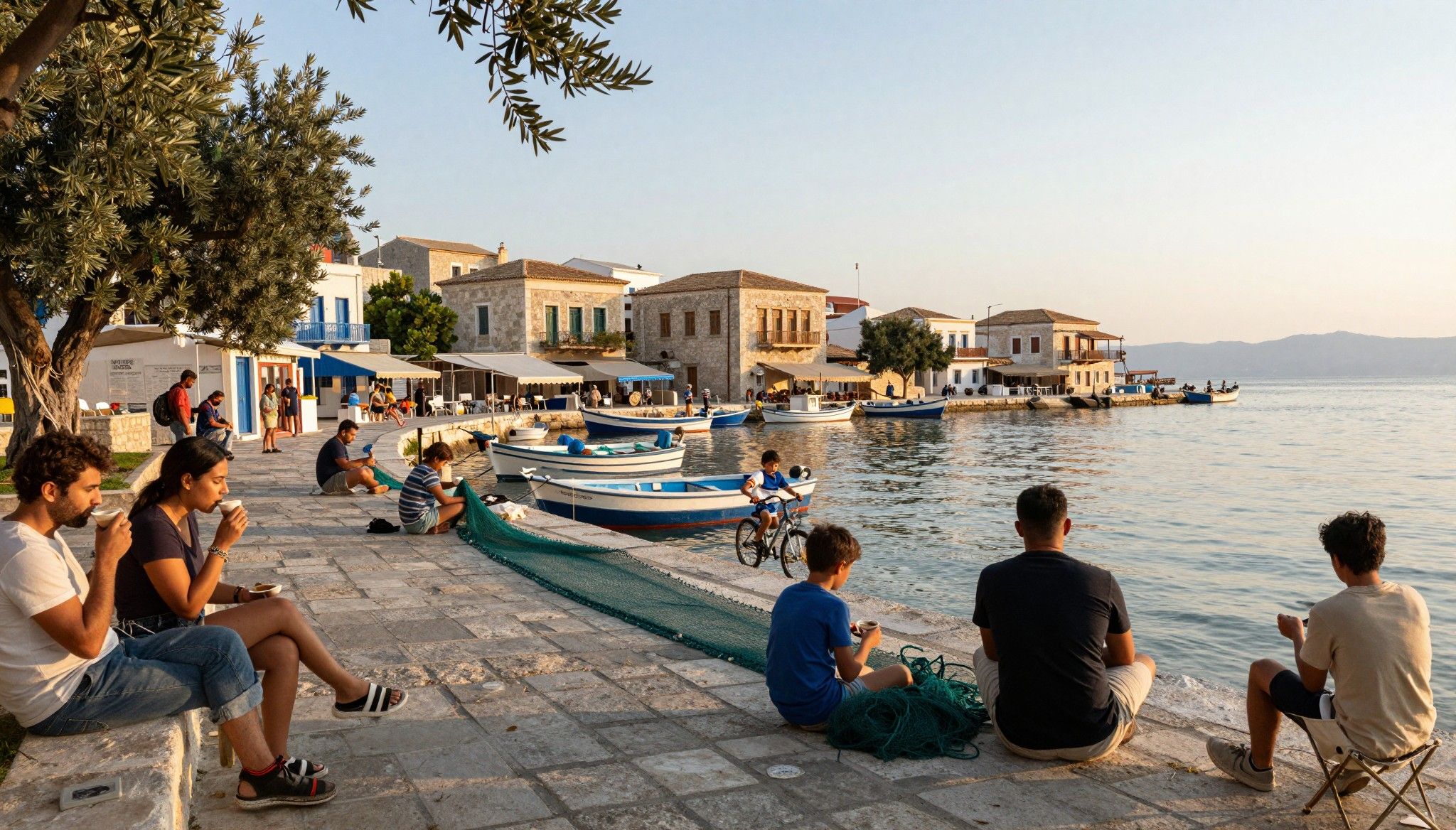
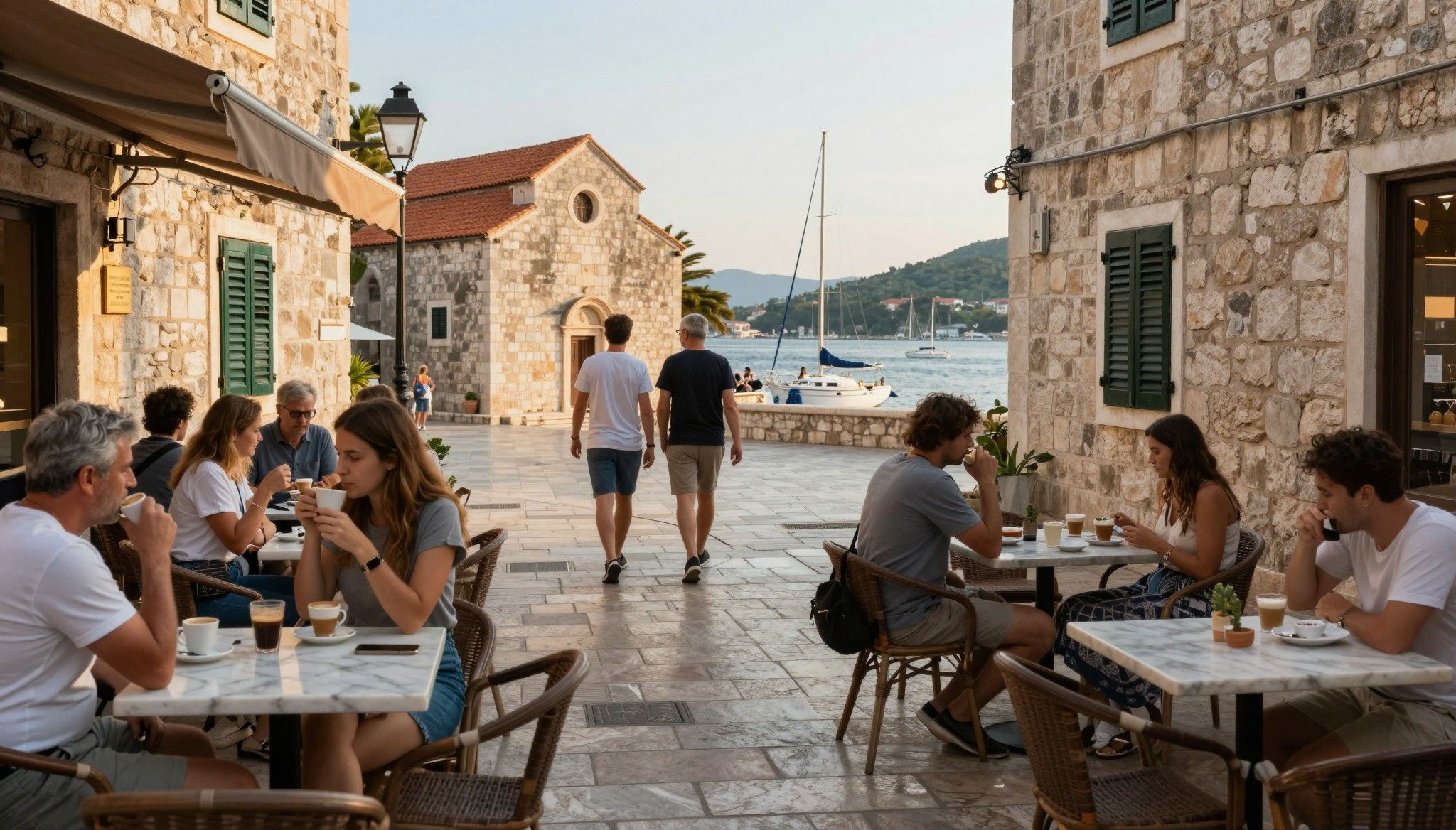
Imagine stepping out at dawn onto Agiou Andreou in Limassol as bakers deliver warm koulouri and the scent of strong coffee threads through a narrow street of stone facades and shuttered balconies. In Cyprus the day begins slowly but precisely — fishermen bring their catch to seaside tavernas, cafés fill with neighbours discussing market prices, and construction crews set scaffolding against honeyed limestone. For international buyers this gentle cadence is part of the purchase: you are not only acquiring a home but a daily rhythm, a microculture. Yet the other half of the decision is numerical — lenders, indices and regulations that quietly determine which lifestyles are affordable and which remain aspirational. This article pairs the lived experience of Cypriot life with research-based guidance on financing and mortgage realities for non-resident buyers.
Living Cyprus: the atmospheres that shape where you buy
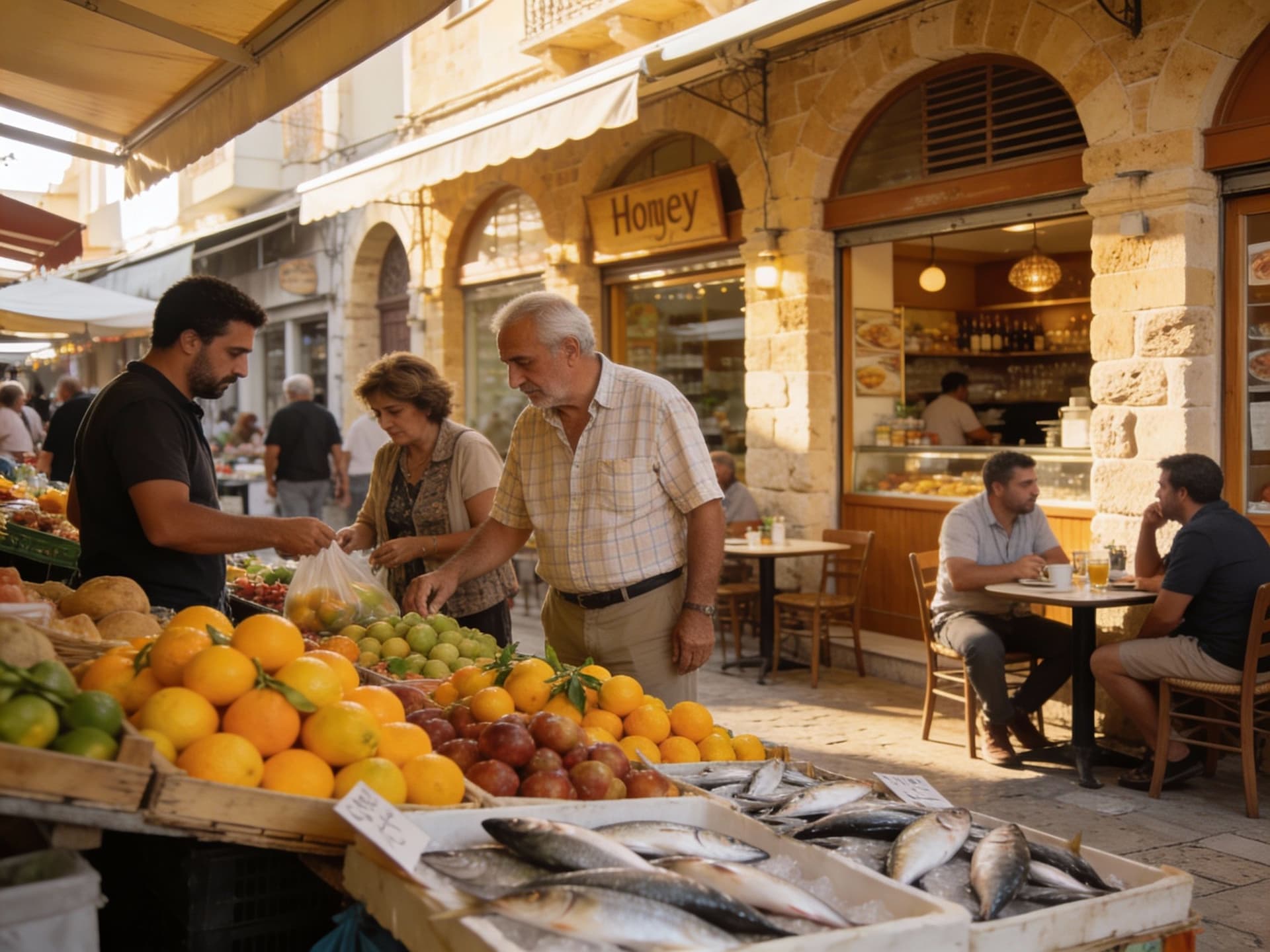
Cyprus is not a single mood; it is a series of distinct daylies. In Nicosia mornings feel urban and considered, with narrow streets, government offices and coffee houses where policy and family news mix. Limassol is maritime—with a renewed promenade, yacht moorings and a discreet international business tempo. Paphos keeps an older, quieter charm where tavernas spill into pedestrian lanes and archaeological sites lend a lived-in patina. Each of these atmospheres shapes what you will value in a mortgage or loan: proximity to services, maintenance costs of older buildings, or the premium for new coastal construction.
Neighbourhood focus: Limassol’s Molos to old town streets
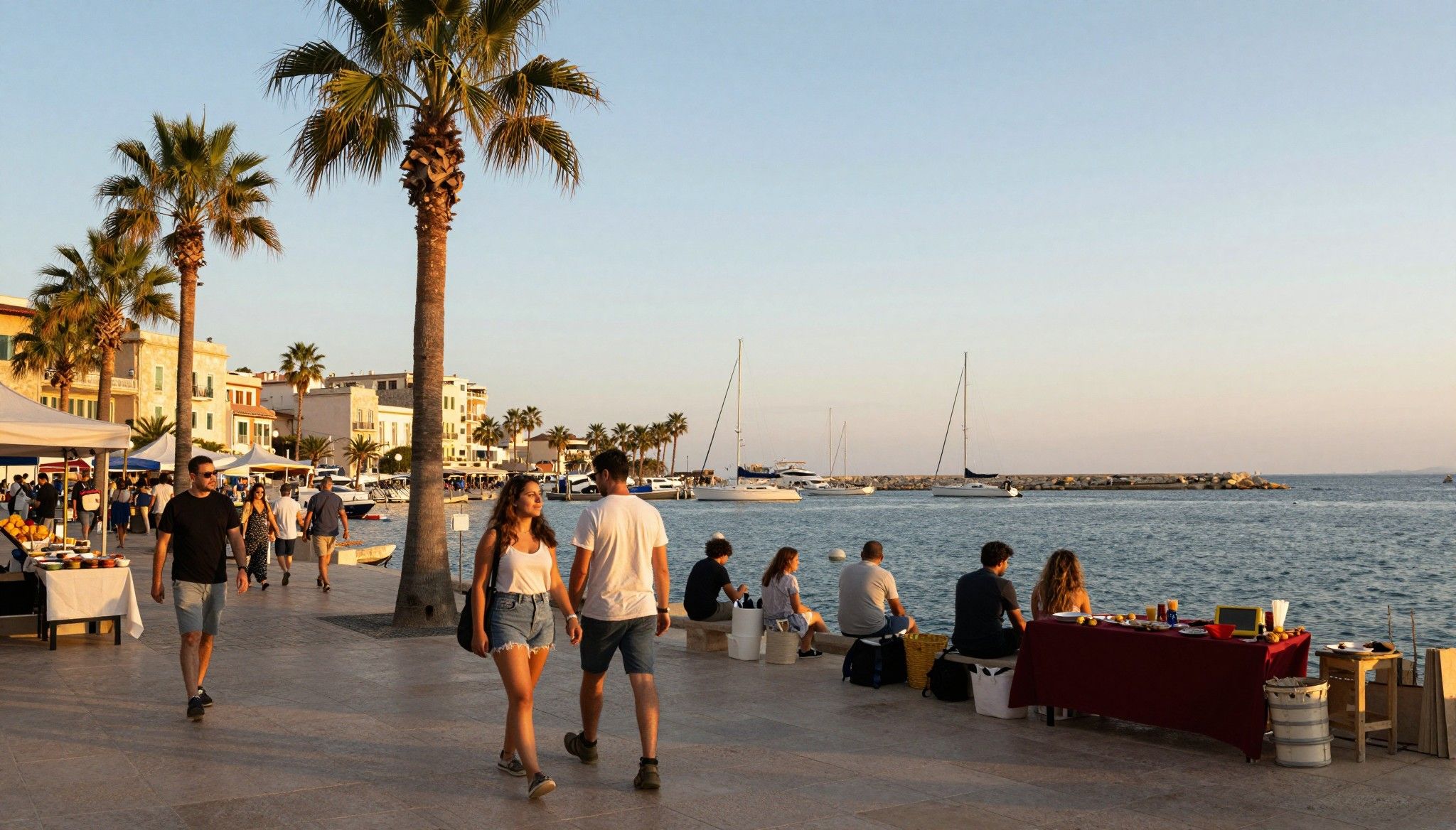
Walk from Limassol’s modern Molos promenade to the old town and you cross atmospheres: waterfront leisure to intimate laneways with boutique patisseries and restored Levantine townhouses. Buyers who prioritise terrace living and alfresco culture will find new-build apartments offer guaranteed insulation and modern warranties, reducing upkeep — a factor lenders weigh when assessing loan-to-value and repayment risk for non-residents.
Food, seasons and tempo: how life arranges itself
Seasonality is integral. Summers are emphatically coastal — quiet mornings, lively evenings; winters concentrate life indoors around wood beams and slow-cooked meals of kleftiko. If your plan is year-round life, factor seasonal running costs and thermal performance into financing: better-insulated properties command slightly higher purchase prices but reduce long-term energy bills and are often treated favourably by banks when valuing collateral.
Making the move: market realities and financing in 2025

Recent indices from the Central Bank of Cyprus show continued price growth through 2024–2025, with houses and apartments diverging in their pace. That momentum matters: where prices are accelerating lenders may tighten criteria; where they slow, negotiation room appears. Understanding the Residential Property Price Index (RPPI) is practical: it helps you and your mortgage advisor set realistic loan-to-value expectations and time offers to market movements. Cyprus’s market today remains attractive, but not uniformly so — district and property type matter.
How banks view non-resident borrowers
Local banks will lend to non-residents, but terms are conservative: expect lower loan-to-value ratios (often 50–70% for non-residents), rigorous income documentation and sometimes higher margins on variable-rate loans. Lenders factor in currency exposure, rental prospects and resale liquidity. Before making an offer, clarify whether the bank requires life insurance, a Cyprus-based guarantor, or a local account for repayments — these operational conditions subtly change effective borrowing costs.
Practical steps to prepare for a Cyprus mortgage
1. Collect verified income documents, tax returns and bank statements translated into English. 2. Obtain a preliminary property valuation from a RICS‑type surveyor — banks will use this to set maximum lending. 3. Open a local bank account early; some lenders prefer this for loan servicing. 4. Discuss currency risk with a foreign-exchange adviser — servicing a euro loan from another currency carries volatility that affects budgeting. 5. Secure a local lawyer to confirm title and encumbrances before release of funds.
Insider knowledge: myths, missteps and the costs no one mentions
A frequent misconception is that buying property in Cyprus equals simple access to residency or fast-track citizenship. High-profile schemes have been abolished and tightened — citizenship‑by‑investment options are no longer a straightforward route. Treat immigration benefits as a separate plan; let the real estate decision be about lifestyle and investment merit. Misunderstanding this has cost buyers months of delay and unexpected legal fees.
What expats wish they’d known earlier
Expats often underrate two items: timing of payments and the reality of utility and service charges on older properties. Conditional purchase contracts commonly require staged deposits and a final payment after transfer — aligning those dates with loan drawdown requires close coordination between your lender, lawyer and agent. Similarly, older village houses may have unexpectedly high costs for rewiring or insulation that change the long‑term affordability equation.
Hidden costs and red flags to check
• Outstanding planning violations or incomplete permits that block mortgage release. • Unregistered extensions or pools — banks may refuse to accept such additions as collateral. • Discrepancy between the advertised square metres and the legally registered area. • High condominium maintenance arrears; lenders factor shared charges into loan risk assessment. • Sellers offering “off‑book” discounts — these create legal and financing complications.
1. Engage a bilingual lawyer to review the title and contracts. 2. Commission a technical survey and obtain a bank‑acceptable valuation. 3. Pre‑arrange loan pre‑approval so offers are credible. 4. Budget a contingency (5–10%) for renovation or compliance work. 5. Plan currency transfers with a specialist to reduce FX friction.
Longer view: stewardship, rental prospects and resale
If you imagine Cyprus as a place to age into, the qualities that matter are craftsmanship, walkable services and community. From an investment standpoint, the RPPI’s steady growth suggests resilience but not uniform returns; coastal apartments may show capital appreciation driven by short-term rental demand, whereas village houses appreciate slowly but offer durable lifestyle value. Think of buying as stewardship: choose properties where maintenance, provenance and local demand support both the life you want and the terms a lender will accept.
How an agency becomes a lifestyle enabler
A skilled local agent will not only show listings but curate options according to your daily life: where you will buy bread, how sunlight moves across a terrace, and which neighbourhoods host the concerts and markets that matter to you. For financing, a well-connected agency can introduce mortgage brokers who understand the local banks’ appetite for non-resident lending and can accelerate pre-approvals — saving weeks in the purchase schedule.
Quick checklist before making an offer
• Confirm lender pre-approval amount and currency terms. • Ask for a bank‑compatible valuation and a structural report. • Verify that the property is fully registered and free of planning violations. • Request recent condominium accounts if applicable. • Agree a realistic completion timeline that matches loan drawdown.
Conclusion — Cyprus as lived geometry and a financed plan: Buy for the day you want to live here, then align the numbers. Cyprus offers a distinctive balance of temperate light, coastal and inland village life, and an active property market; the Central Bank’s RPPI underlines steady demand. Pair lifestyle aspiration with disciplined preparation: pre-approval, legal safeguarding, realistic budgeting for hidden costs, and an agency that understands both craftsmanship and bank process. When these elements join, the stone streets, shaded courtyards and market mornings become a residence rather than a holiday idea.
Having moved from Stockholm to Marbella in 2018, I help Scandinavian buyers navigate Spanish property law, restoration quality, and value through authentic provenance.