Croatia: Reciprocity, Lending and the Life You Buy
Fall in love with Croatia’s daily rhythms — then align your mortgage, reciprocity approvals and stewardship plan so the dream becomes a sustainable life.
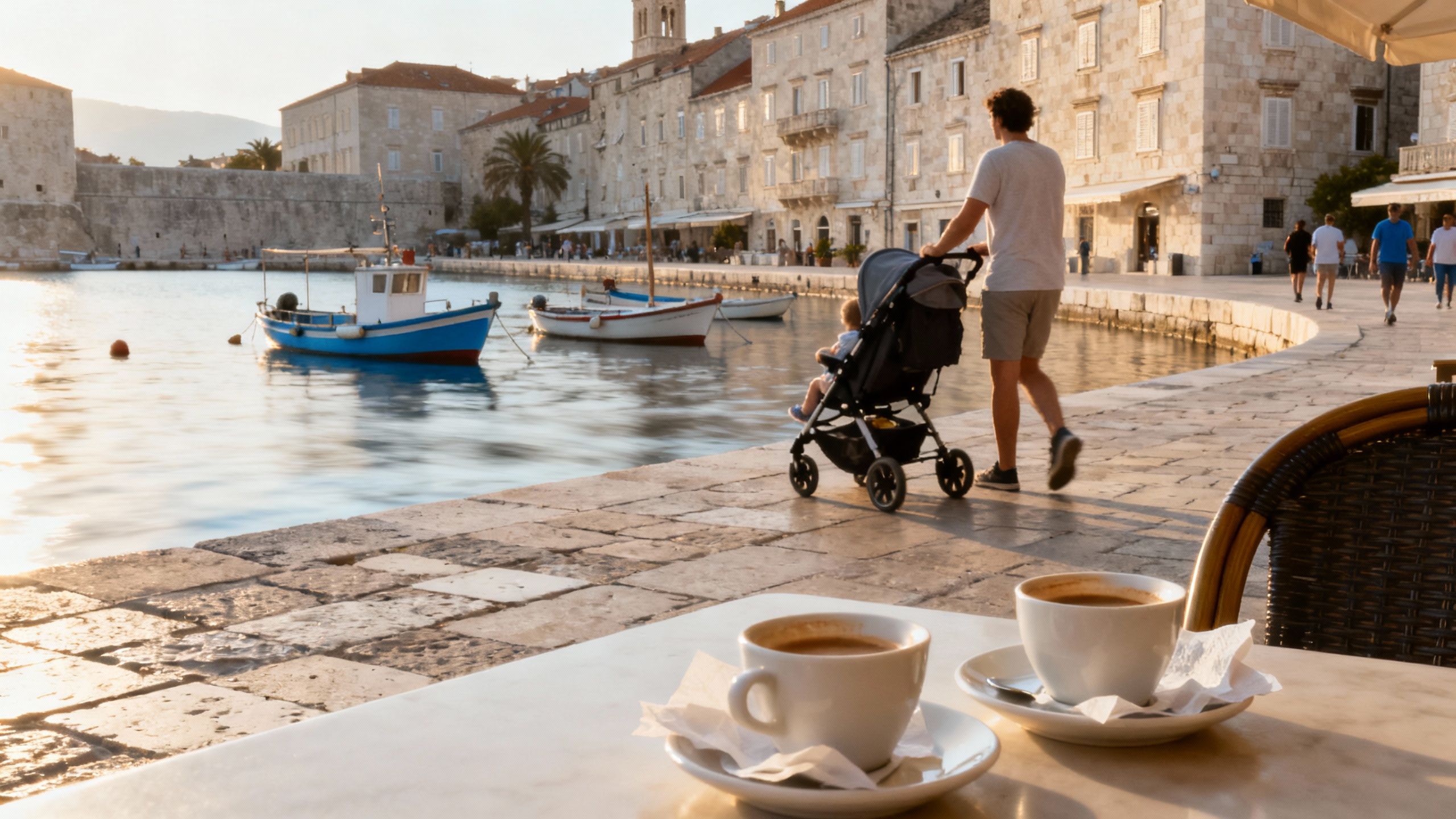
Imagine waking to the smell of fresh espresso at Dolac market, then strolling a stone-paved street to a sea-facing terrace where light pools across terracotta roofs. Croatia moves with the rhythm of small pleasures: early cafés in Zagreb’s Tkalčićeva, fishermen’s calls in Split’s Riva, and quiet late-afternoon swims on Vis. For many international buyers the romance of that day is the initial attractor; what follows is a practical choreography of approvals, lending and stewardship that shapes whether the dream becomes a durable life. The balance between lifestyle and process in Croatia is unusually direct: the quality of daily life is tangible, and the legal path — particularly reciprocity for non-EU nationals — is a single, decisive hinge.
Living the Croatian Life
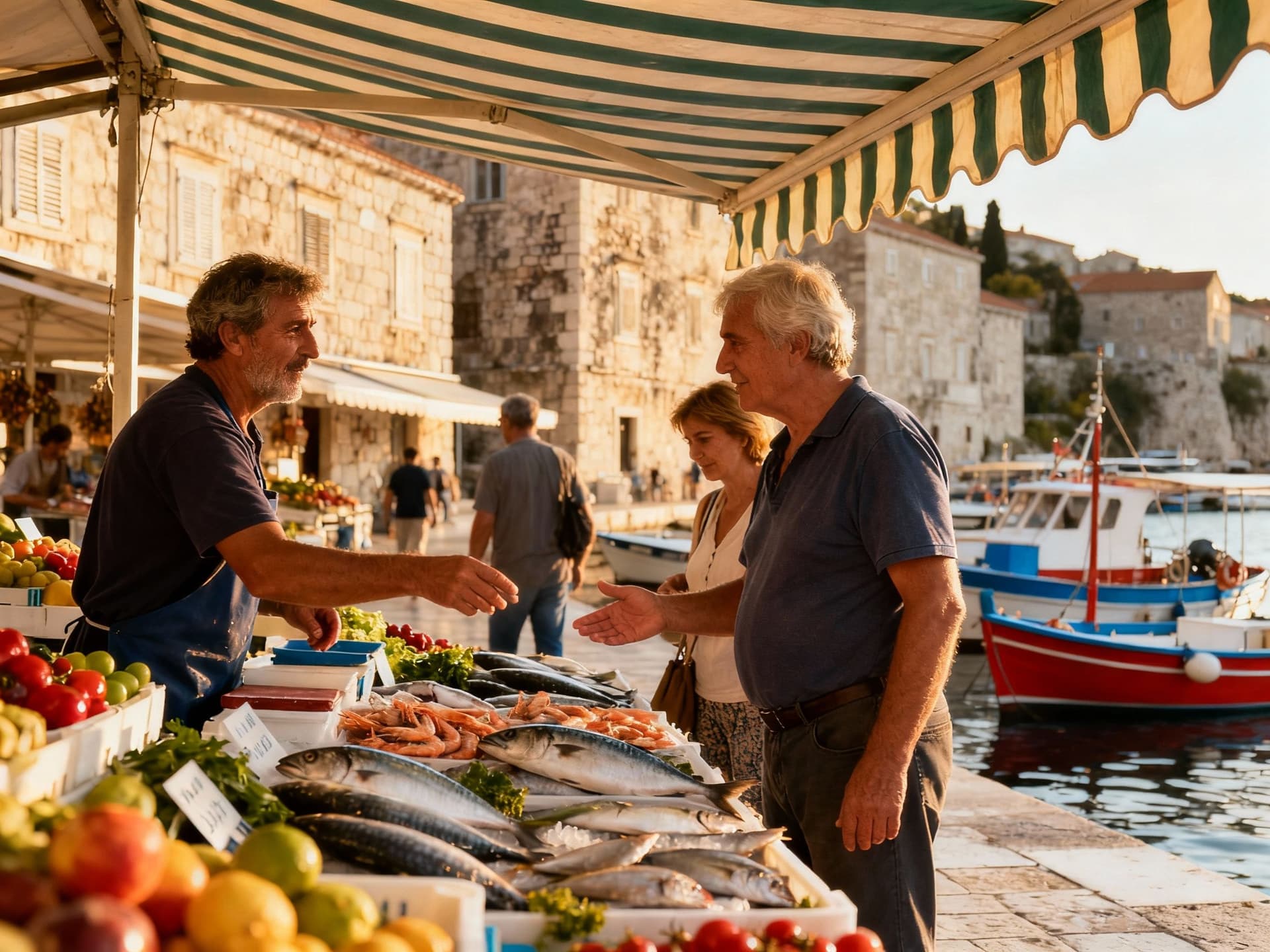
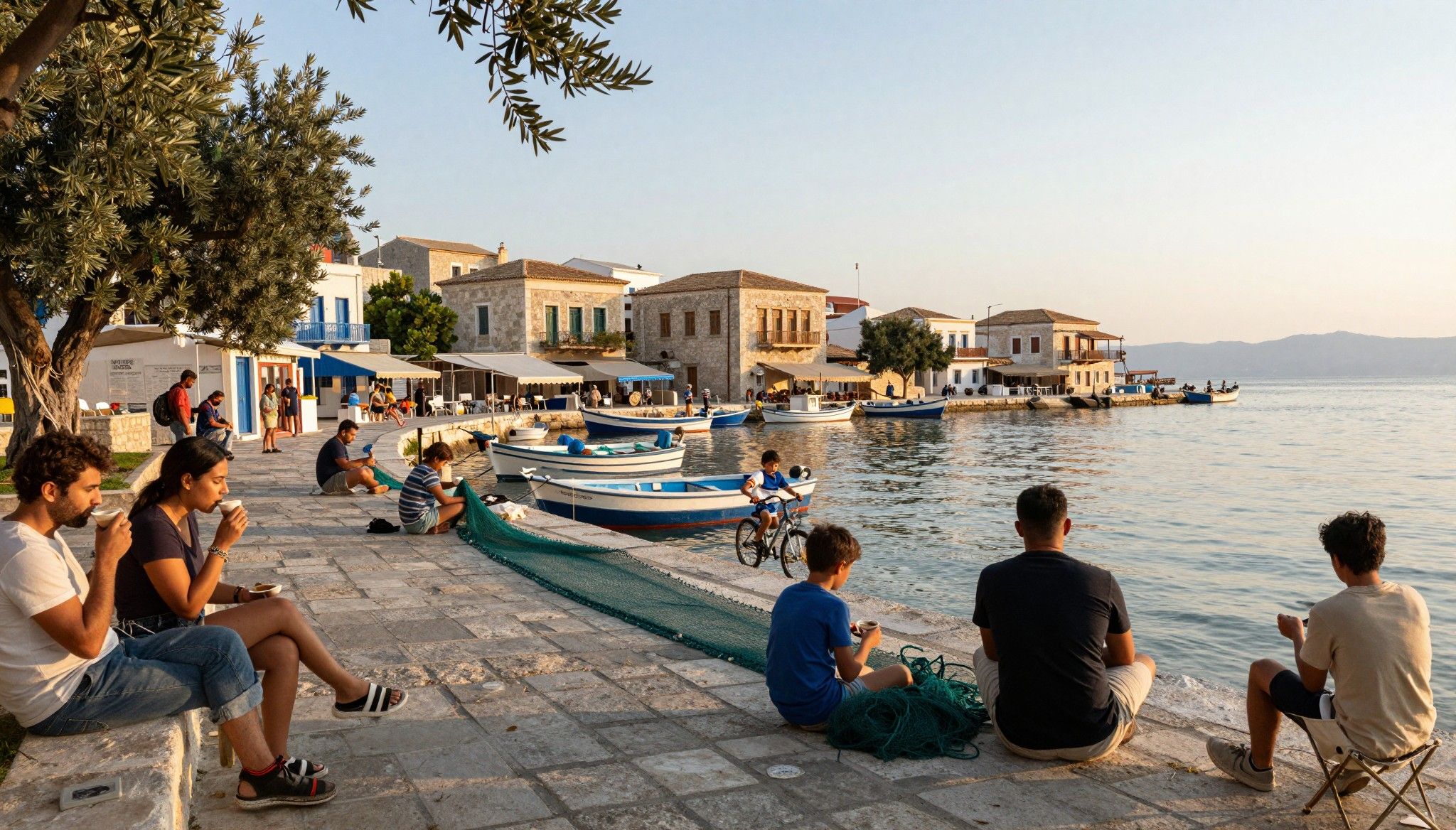
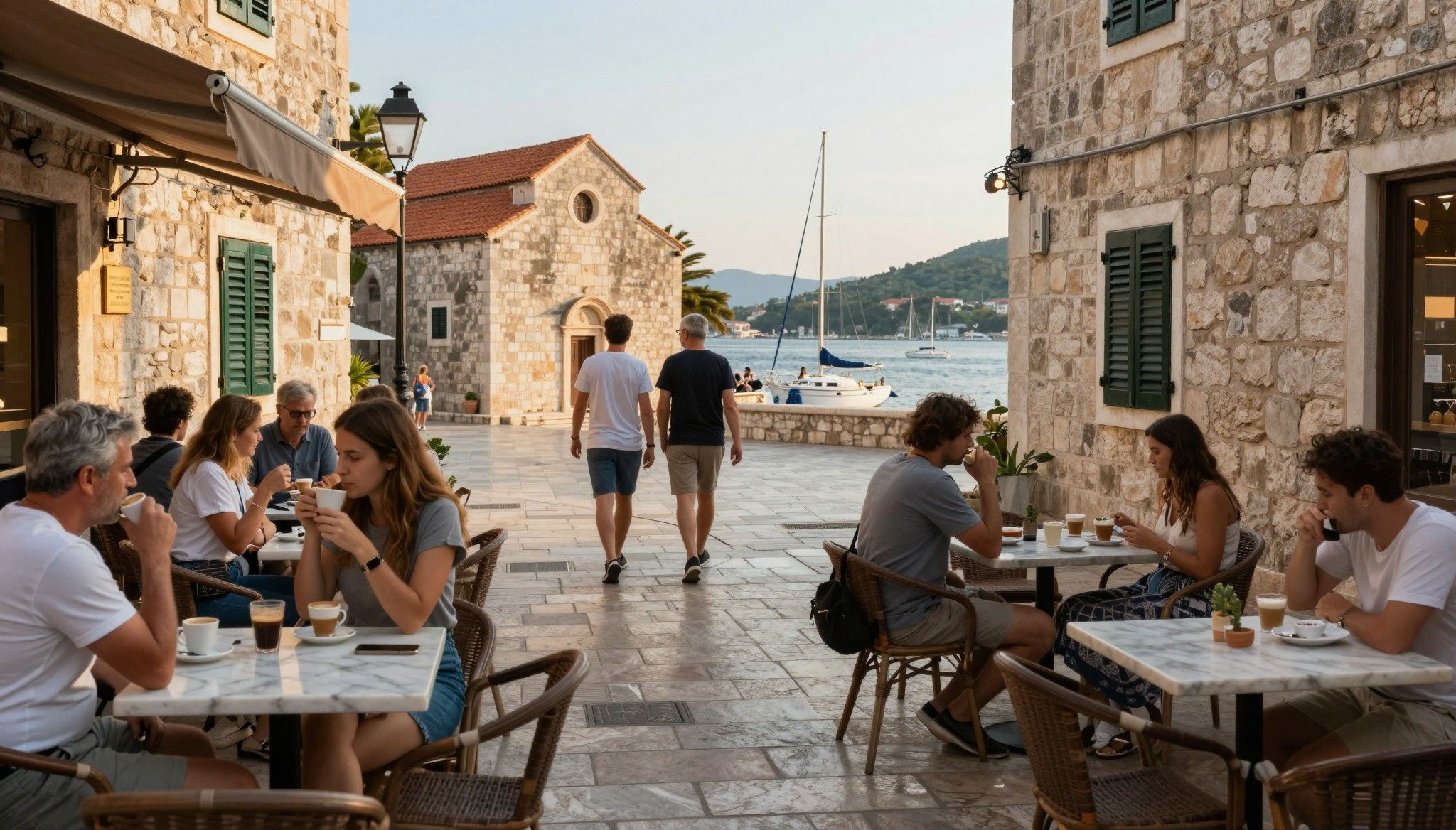
Croatia’s daily life is a study in contrasts: medieval alleyways that host contemporary design studios, open-air fish markets next to neo-Classical façades, and islands where mornings are still measured by the sound of church bells. Neighborhoods are intimate — in Dubrovnik’s Ploče you feel the tourist pulse and history in equal measure, while Split’s Veli Varos and Firule are domestic, convivial and lived-in. Inland, Zagreb’s Lower Town offers salon culture, discreet museums and year-round artisanal markets that sustain a quieter rhythm. These textures matter because they determine the type of property you choose: a restored stone house beside a piazza is a different stewardship proposition from a new build on the Istrian hills.
Coastal moods: Split, Dubrovnik, Hvar
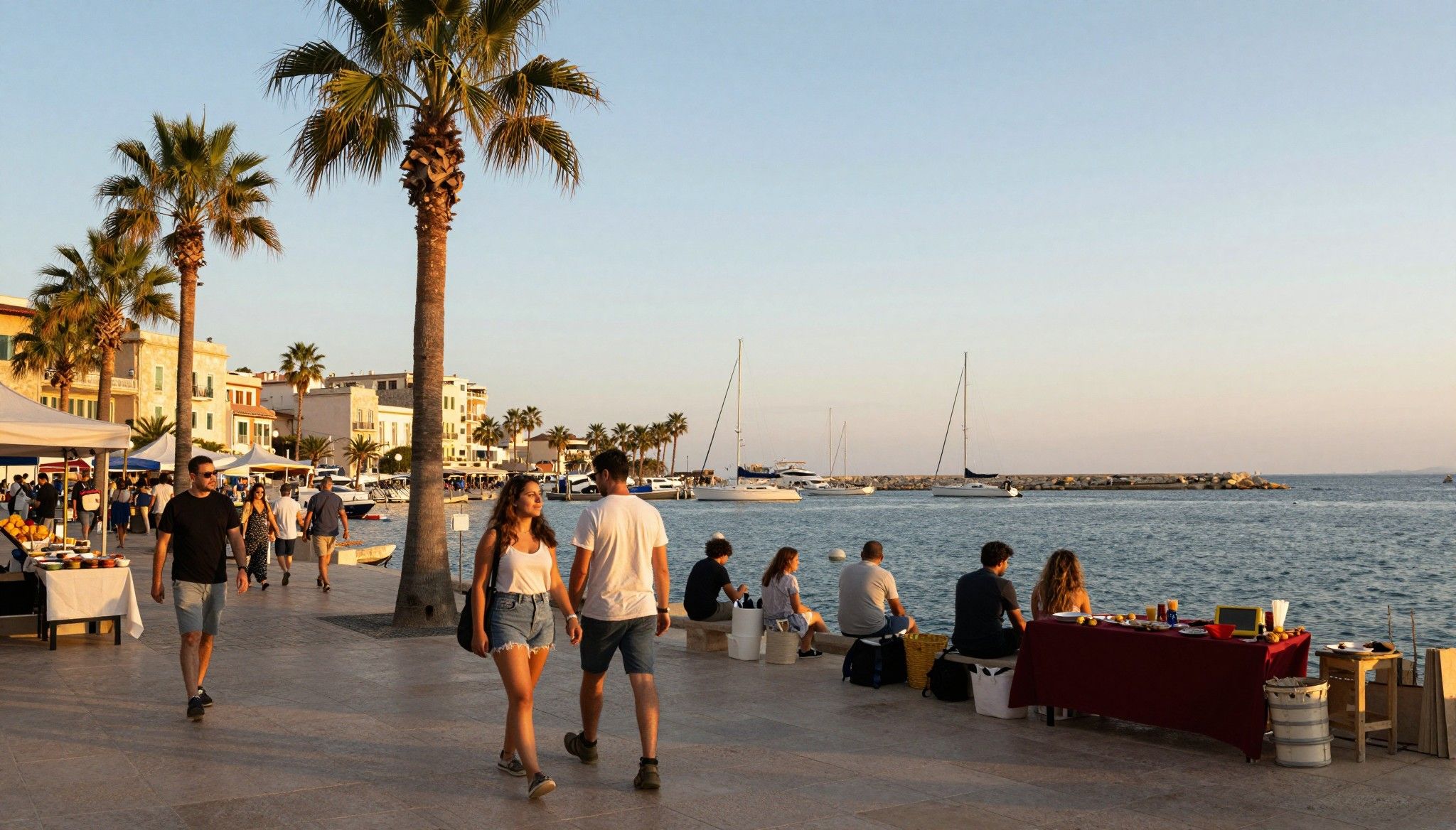
On the Dalmatian coast, mornings begin with a short promenade and an espresso; evenings end with grilled fish and local Malvasia. Split is practical for year-round living — markets, small galleries and an airport a short drive away — while Hvar and the southern islands trade privacy for seasonal intensity. Dubrovnik’s Old Town is architecturally singular but carries premium maintenance needs and stricter conservation considerations. For buyers who prize immediate sea access without the extreme tourist seasonality, quieter towns such as Šibenik or the bays around Primošten can offer a steadier pace and attractive stewardship profiles.
Inland and Istria: markets, vineyards and quieter provenance
Istria and the continental interior reward those seeking craft, food and an agrarian rhythm. Motovun’s hilltop streets, Pula’s Roman remains and Istrian truffle routes give a different kind of property life — stone farmhouses, restored masias and converted barns that demand attentive restoration but repay with enduring character. In spring and autumn the region has a slow conviviality: open-air markets laden with produce, wine tastings at family cellars, and fewer tourists. These seasons are often the best moment to inspect structure, materials and the microclimate effects that will influence long-term maintenance budgets.
- Dolac Market (Zagreb) for morning ritual and produce
- Riva (Split) promenade and neighbourhood life
- Stari Grad (Hvar) alleys for island authenticity
- Motovun and Istrian truffle routes for rural provenance
- Šibenik and Primošten bays for quieter coastal living
Making the Move: Practical Considerations
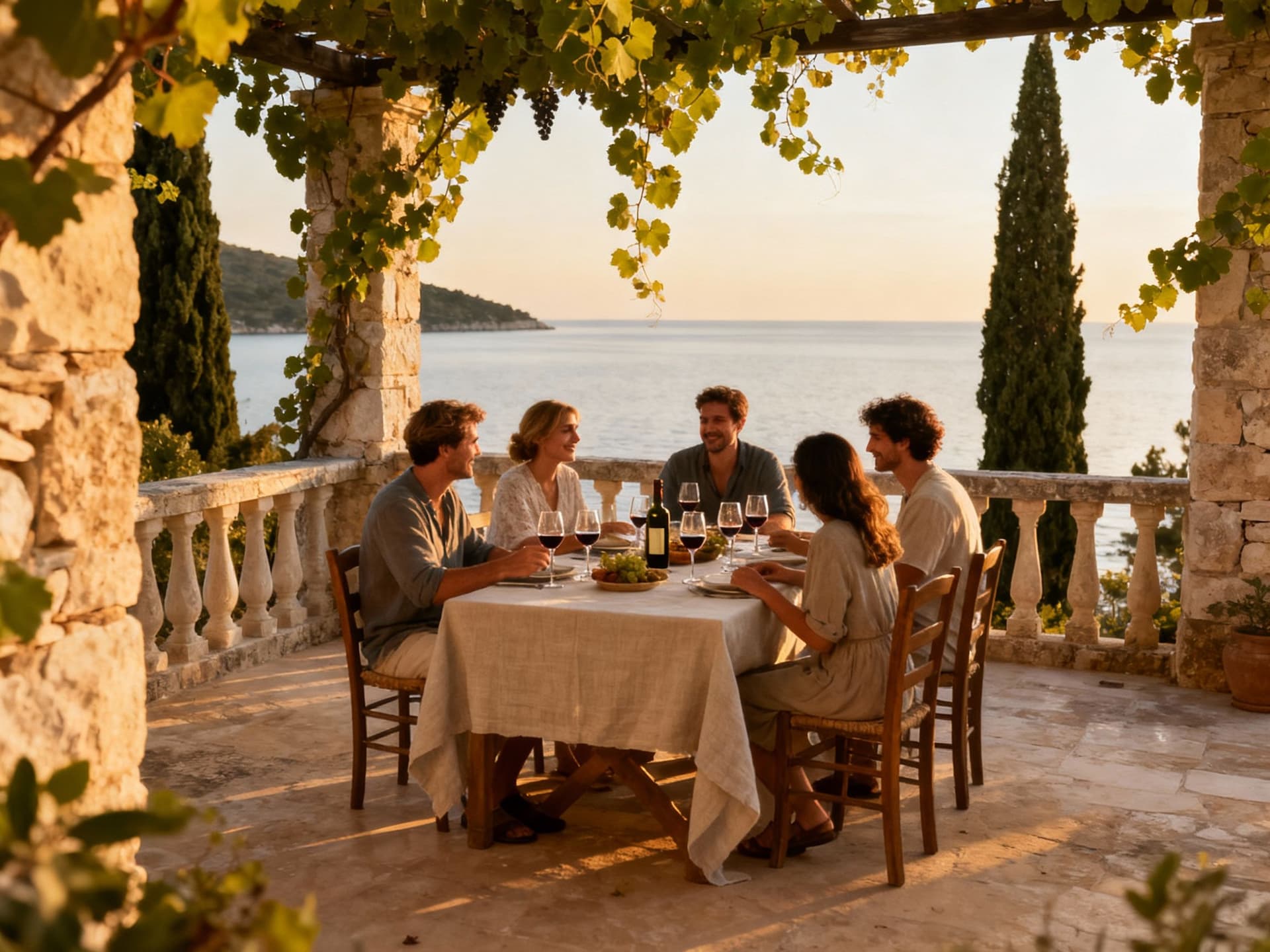
The practical choreography begins with two realities: reciprocity for non-EU nationals, and the local lending environment. If you are an EU, EEA or Swiss citizen, the process is straightforward and familiar; if you are outside those states, the Ministry of Justice’s reciprocity list and possible approvals shape timing and feasibility. Simultaneously, banks in Croatia offer mortgages to residents and, selectively, to foreign nationals — but terms, loan-to-value and documentation vary with nationality, income provenance and whether you will hold the property personally or through a company. Understanding these prerequisites early avoids the disappointment of finding a property you love and discovering it cannot be registered under your name without additional approvals.
Property types and what they require
A restored stone villa, a renovated apartment within a conservation zone, and a modern seaside build all present different legal and fiscal obligations. Conservation areas restrict alterations and may require specific materials, craftsmen and permits; island properties often bring higher maintenance and seasonal utility considerations; new builds might benefit from clearer warranty structures but less provenance. Recently proposed tax reforms aim to shift some tax burden onto property and to incentivise long-term leases, which can affect carrying costs and rental plans, particularly in high-tourism coastal towns. These fiscal signals should factor into whether you intend to use the property as a private residence, occasional retreat, or income asset.
Working with local experts who understand life and law
Agencies and lawyers in Croatia serve two vital roles: locating properties that fit a lived-in ideal, and converting that ideal into legally secure ownership. Lawyers handle OIB registration, title checks in the land registry, and Ministry of Justice consents where required; agents bring local intel — which streets feel alive in winter, which villas require seawall permits, which neighbourhood associations restrict rentals. A collaborative team reduces surprises: conservation obligations, service easements, and informal neighbourhood customs all influence long-term stewardship. Engage professionals who show both an appreciation for the life you seek and fluency with the exact legal steps to secure it.
- Obtain Croatian OIB and open a local bank account; secure preliminary financing options or proof of funds.
- Check the Ministry of Justice reciprocity status for your nationality and, if needed, instruct a lawyer to file the consent application early.
- Commission an in-depth title and encumbrance search in the land registry; confirm conservation restrictions and utility connections.
- Arrange a technical survey focused on damp, roof integrity and sea‑air corrosion for coastal properties; build realistic maintenance budgets.
Insider Knowledge: What Expats Wish They’d Known
Long-time residents and returning expatriates often speak of two surprises: the persistence of seasonal micro-economies and the cultural expectation of stewardship. In many coastal towns a property’s true character reveals itself in off-season months; cafes close, roads are quieter and maintenance challenges become evident. Stewardship here is literal — roofs, stone façades and terraces require routine attention and local craftsmen who understand traditional methods. Recognising these realities before purchase preserves both value and life quality; the best buyers see maintenance as part of owning provenance, not an unwelcome extra.
Cultural integration and everyday practicalities
Language is a gentle barrier and a fast route to belonging: basic Croatian opens doors at markets, with craftsmen and in municipal offices. Many expat communities gather at specific cafés and cultural societies — in Zagreb around Britanski trg, in Split near the Green Market, and on Hvar around the harbour — which accelerate introductions to trusted trades and local rhythms. Social customs privilege reciprocity and long-term relationships; a recommendation from a known local often carries more weight than a polished CV. Approach neighbourhoods with humility and curiosity; the return is an integrated life rather than a transient stay.
Long-term considerations: inheritance, rental and stewardship
Plan for how the property will serve a decade-long horizon: family uses, potential rental during summer months, and succession. Recent policy signals around property taxation indicate a government interest in discouraging speculative short-term lettings and encouraging long-term rental stock. That affects net yields for coastal rental strategies and should inform whether you prioritise a quiet, year-round neighbourhood over a high-season rental location. Equally, ensure estate planning aligns with Croatian inheritance norms to preserve your stewardship intentions across generations.
- Verify reciprocity status early via the Ministry of Justice website and allow months for consent if required.
- Budget beyond purchase price: realistic maintenance, conservation permissions and seasonal utility variance.
- Prefer properties with clear title, documented restorations, and a short list of trusted local craftsmen.
- Work with bilingual lawyers and agencies that can translate local customs into contract terms and stewardship budgets.
To move from desire to ownership, begin with a visit timed for both high and off seasons, confirm your nationality’s reciprocity status, and convene a small team — agent, lawyer and technical surveyor — before making an offer. In Croatia, the life you will live is often encoded in the street and the season; the right local advisors translate that life into a legally secure, practically sustainable purchase. When you pair a precise lifestyle brief with measured legal and financial preparation, the property ceases to be an aspiration and becomes a place in which time itself unfolds more richly.
Having moved from Stockholm to Marbella in 2018, I help Scandinavian buyers navigate Spanish property law, restoration quality, and value through authentic provenance.