The Malta neighbourhood buyers overlook (and why it pays)
Malta’s charm masks market pressures: recent RPPI data shows steady price growth. Look beyond Valletta and Sliema to overlooked villages for value, yield and authentic lifestyle.
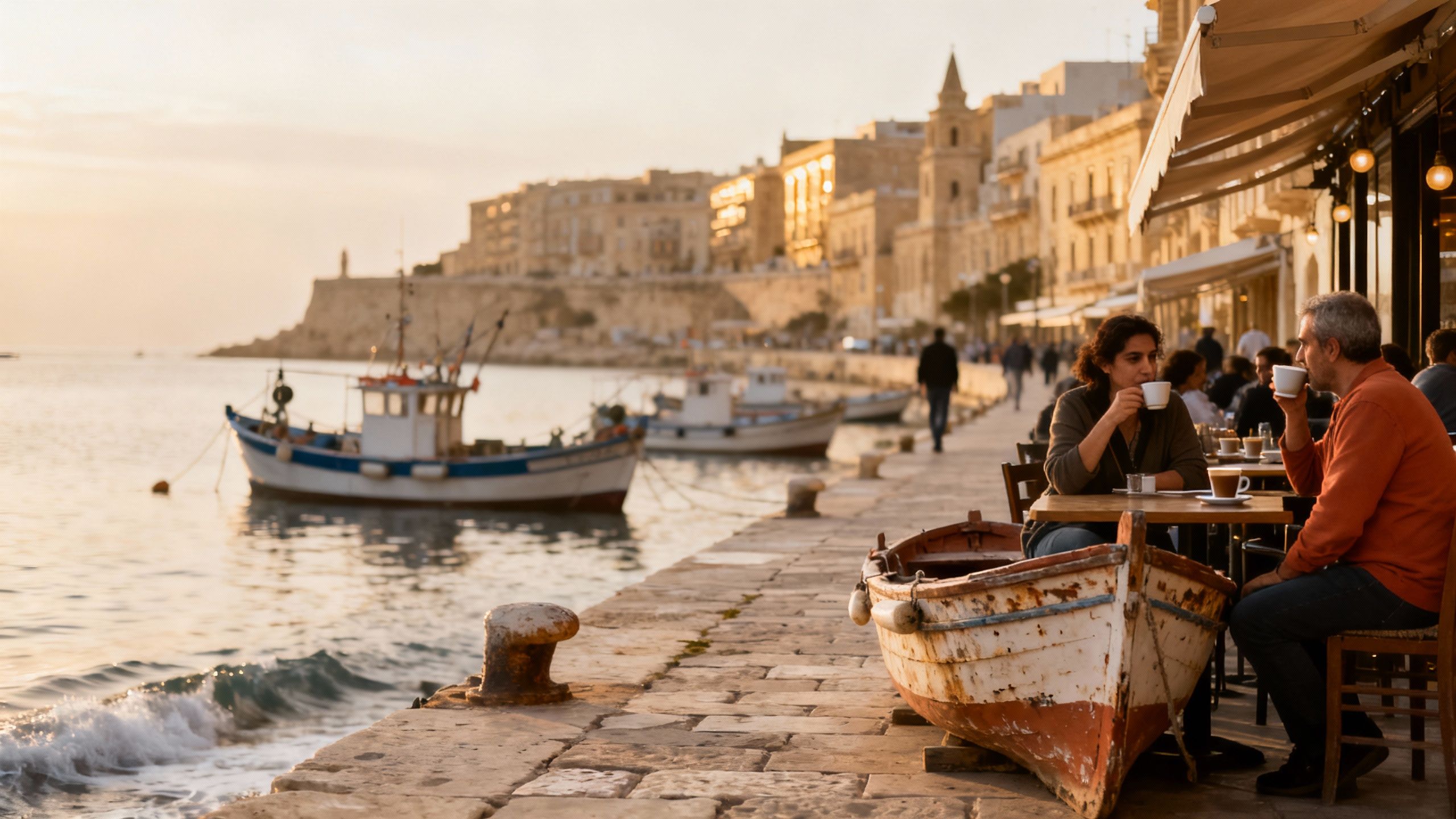
Imagine an early morning in Malta: espresso steamed at Caffe Cordina, limestone warming to the sun on Merchants Street, a fisherman’s skiff cutting the Grand Harbour. That palette of scent, sound and light is the everyday here — compact, convivial and quietly formal — and it’s what many buyers come for before they ever sign a contract. Yet the places that feel most quintessential are not always where the best long‑term value lies.
Living the Malta lifestyle
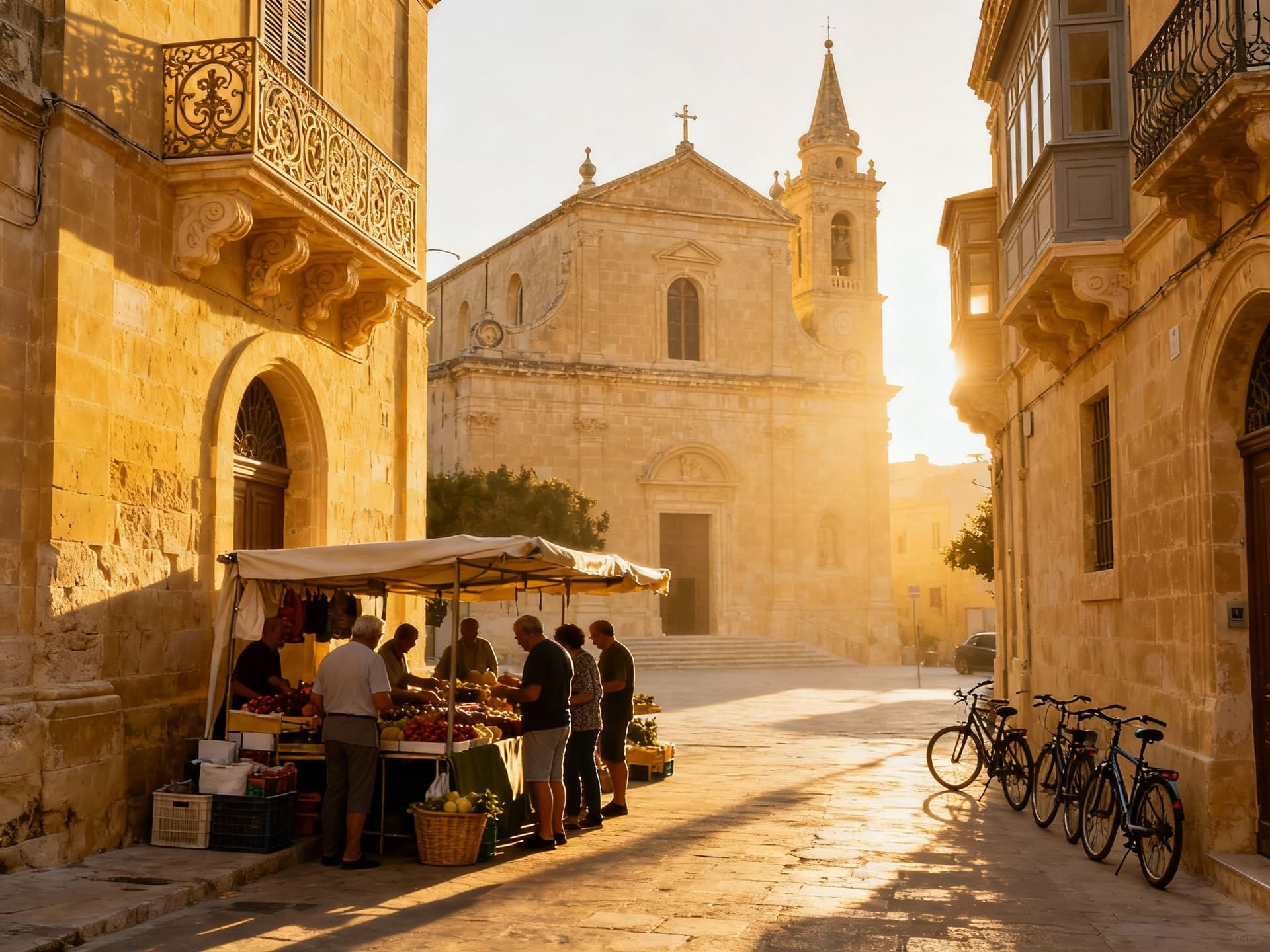
Malta compresses much of Mediterranean life into an island the size of a large town. Days begin in neighbourhood cafés, are punctuated by late lunches of lampuki pie or rabbit stifado, and evenings favour small gatherings on terraces that look out to the sea. Recent statistics show steady price growth across the islands, yet the lived experience retains a remarkably local rhythm that should inform where you buy. (See recent RPPI data for context.)
Valletta & The Three Cities: history in every stone
Valletta’s baroque facades, narrow strade and private palazzini deliver an undiluted sense of provenance. Nearby Birgu (Vittoriosa), Senglea and Cospicua offer harbourside terraces and a quiet rigor of restoration that rewards stewardship. These are places of ceremony: public squares, military architecture and a cadence that privileges history over convenience.
Sliema–St Julian’s stretch: coastal energy and convenience
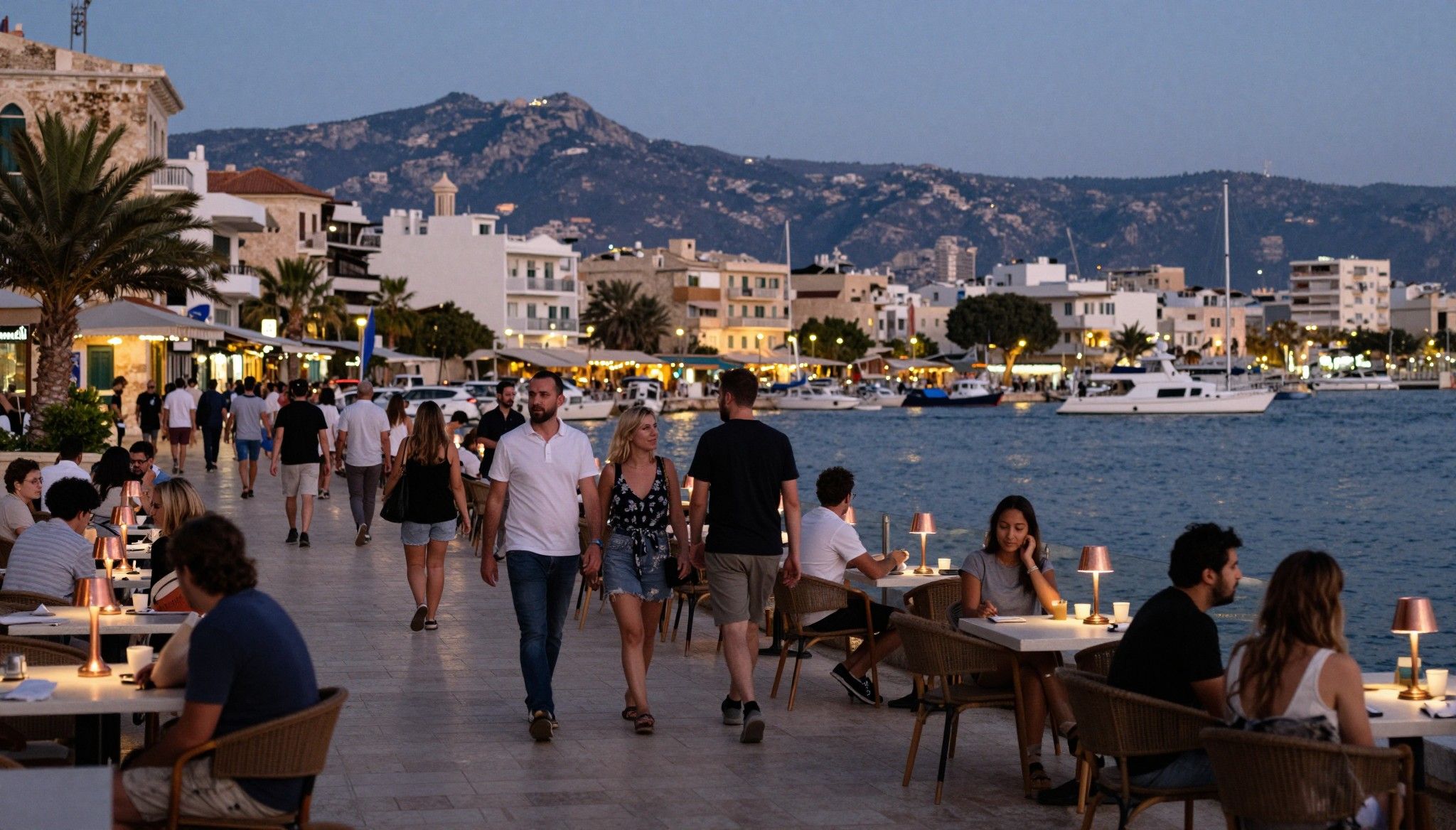
Sliema and St Julian’s trade in panoramic promenades, contemporary apartments and a café culture that leans international. Here you will find services, restaurants and short‑term rental demand; prices per square metre in these neighbourhoods are among the highest on the islands. For residents who value seaside promenades and an active social calendar, this is where life feels most urbane.
- Lifestyle highlights: Valletta to Sliema corridor
- Espresso culture: Caffè Cordina and smaller pastizzerias around Republic Street
- Seaside promenades: Sliema and St Julian’s for evening walks and sheltered swimming
- Harbour life: Vittoriosa’s restored warehouses, small artisan workshops and waterfront dining
Making the move: practical considerations

The romance of Maltese life meets a market that has been consistently firm. Official releases and press coverage document annual rises in the Residential Property Price Index, underscoring two realities: desirable locations come at a premium, and pockets of opportunity exist if you understand local nuance.
Property types and how they shape life
Maisonettes and traditional townhouses offer internal courtyards, high ceilings and a direct connection to neighbourhood life; modern apartments provide amenities and lower maintenance but often less character. In Valletta and the Three Cities, restoration is common and can deliver exceptional architectural provenance; in Sliema and St Julian’s, new builds command convenience and views.
Working with local experts who know life, not just listings
A Maltese agent who understands conservancy rules, local building typologies and micro‑neighbourhood differences becomes an ally in preserving lifestyle intent. Your adviser should know who in the parish arranges restoration permissions, which streets are subject to limited parking, and where seasonal noise is a real consideration.
- Practical steps blending lifestyle and process
- Visit neighbourhoods at different times of day to feel rhythms and noise
- Prioritise properties within walking distance of the amenities you use most
- Commission a locality‑specific heritage or structural survey before offers
Insider knowledge: the contrarian neighbourhoods
Many international buyers instinctively head to Valletta, Sliema or St Julian’s. That is understandable. Yet places that buyers often overlook—Paola’s quieter terraces, Żebbuġ’s village streets, or parts of southern Malta—offer a different proposition: slower appreciation today but stronger rental yields, room for sensitive restoration and genuine community life.
Why southern Malta and village centres matter
Supply constraints and land scarcity mean central districts have already internalised much value. Southern towns and inland villages, historically overlooked, have seen notable price appreciation but still offer relative value and the chance to buy homes with period features and larger footprints.
What expats wish they had known
Expats often underestimate the small‑town cadence: shops close for longer midday breaks, parish activities structure social life, and informal neighbour networks are crucial. Those who embrace this rhythm tend to settle quickly; those who expect a perpetual international bubble can feel isolated.
- Insider tips before you buy
- Confirm whether a property sits in a conservation zone — restoration rules alter costs
- Ask for neighbour references — small communities circulate reputational knowledge
- Understand seasonal rental demand if you plan to let: location dictates yield
Long‑term lifestyle and stewardship
Buying in Malta is often less about rapid flipping and more about stewardship: conserving period features, managing limestone façades, and participating in community upkeep. For buyers who think generationally, the islands reward thoughtful restoration and a quiet commitment to place.
If Malta’s light, food and harbour life have already captured your imagination, measure that affection against current market signals. Use NSO indices and local reporting to set realistic expectations about appreciation and affordability, visit neighbourhoods in different seasons, and partner with an agency that understands both architecture and community.
When you next visit: plan two days of unscripted walking, one structural/heritage inspection and a conversation with at least three locals. That combination will tell you more about where life will be best lived than any price per square metre.
Begin with a clear lifestyle checklist — proximity to harbour, preference for restored stonework, appetite for community involvement — and let the checklist guide the property search. A local agency should translate that list into discreet, well‑curated options that respect provenance and future value.
Conclusion: Malta is compact enough that where you live determines how you live. Choose for texture, not only for headline prices — and enlist experienced local advice to turn affection into a lasting home.
Former Copenhagen architect who relocated to Provence, offering relocation services, market analysis, and a curator’s eye for authentic regional design.