The Summer Illusion: Where Italy’s Value Hides
Italy’s summer snapshots mislead: visit off‑season to find neighbourhoods where daily life, not tourist peaks, defines value and long‑term enjoyment.
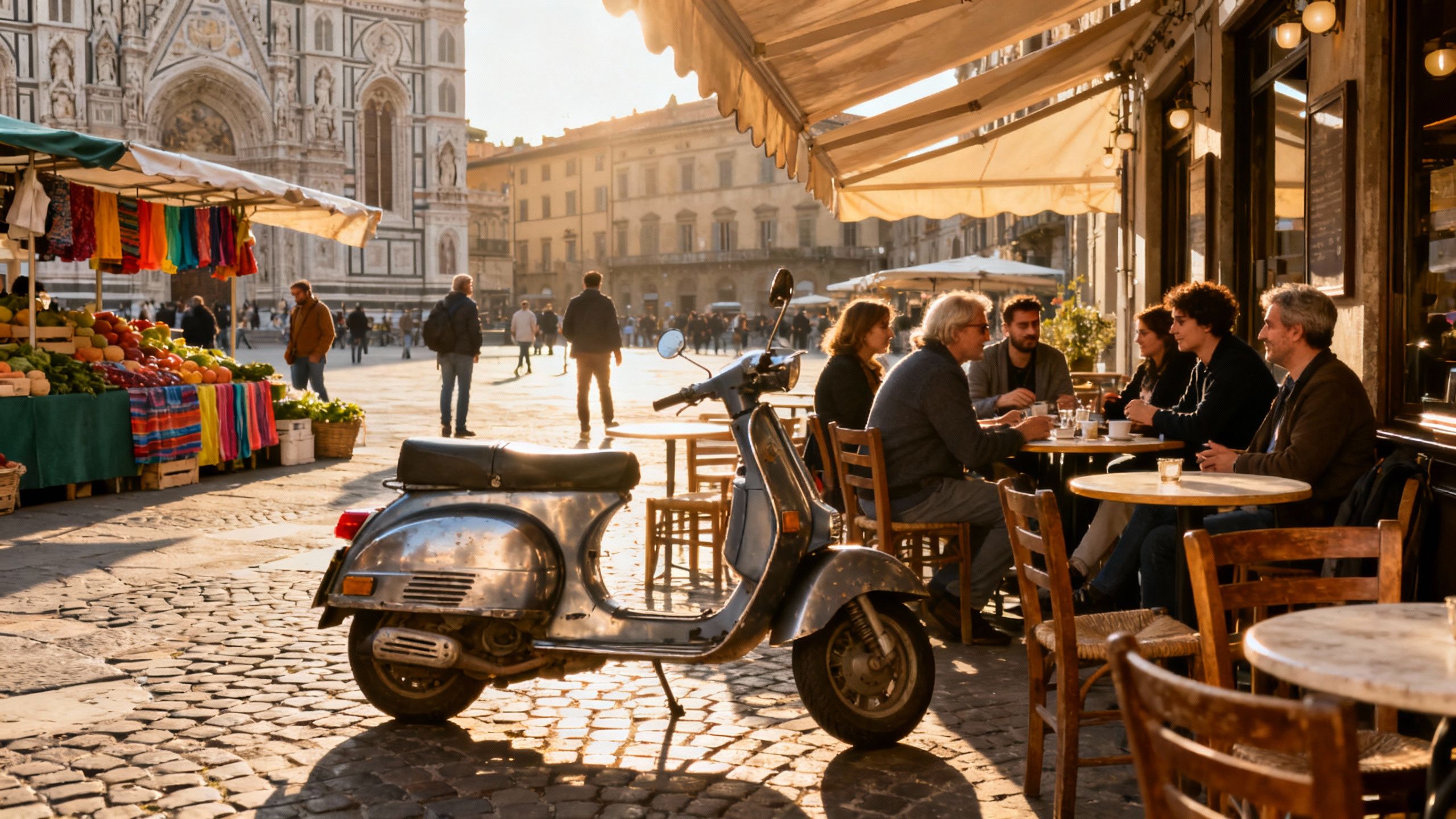
Imagine arriving in an Italian piazza at 10 a.m.: shutters are open, a barista slides a doppio across warm marble, and a market vendor arranges scarlet tomatoes next to paper-wrapped burrata. That same town, emptied of tourists after August, reveals another rhythm — quieter markets, year‑round neighbours, and houses whose prices tell a different story than summer snapshots.
Living the Italian rhythm — beyond summer postcards
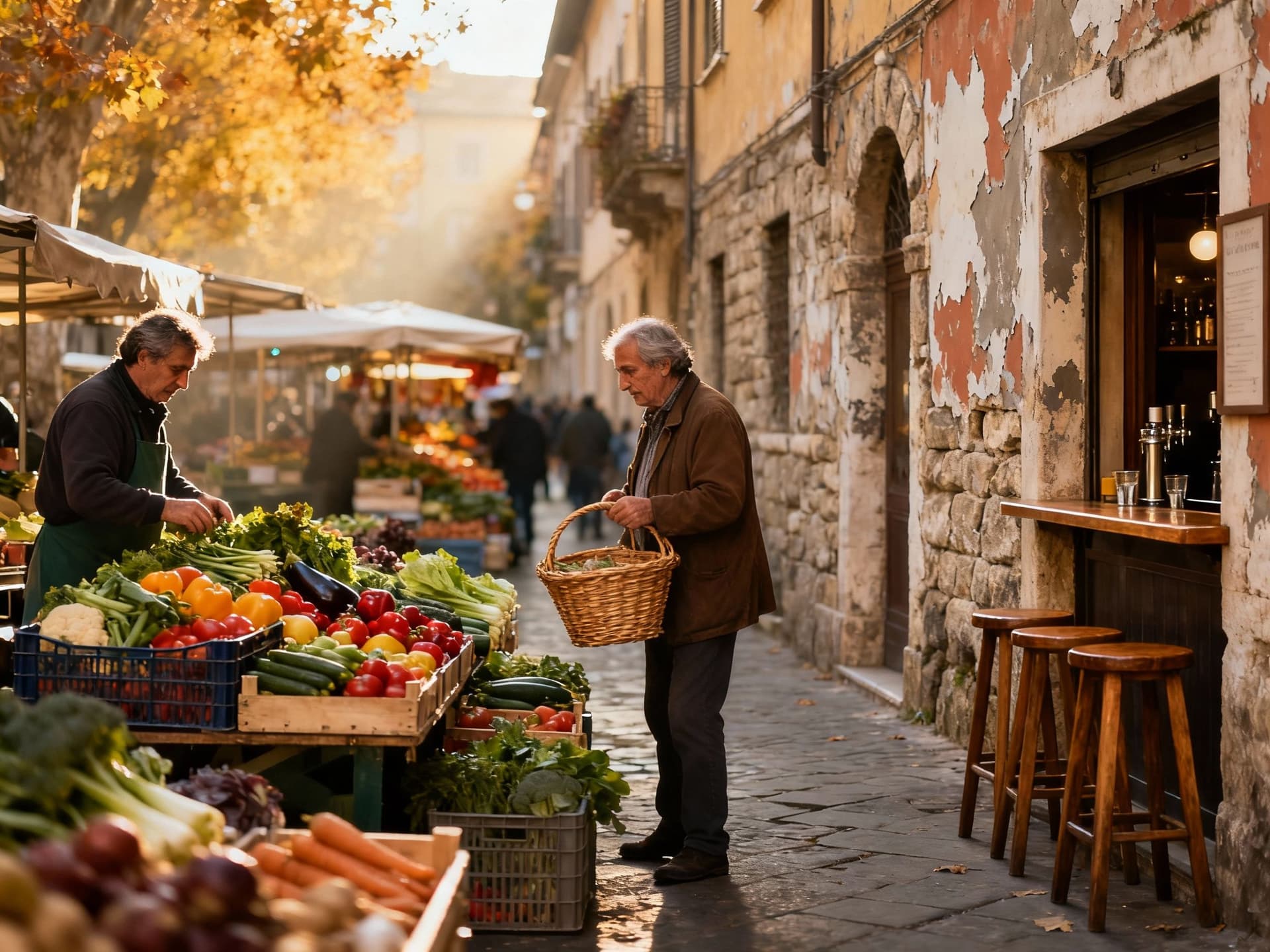
Daily life in Italy is organized around small, repeated pleasures: morning coffee, a walk through a daily market, and a late aperitivo that eases into dinner. This rhythm varies sharply between places — Milan moves with economy and design; Florence breathes through art and narrow lanes; Puglia’s towns pulse around the sea and seasonal harvests. For buyers, understanding the daily cadence is more decisive than a single season’s price chart.
Not the Riviera: provincial towns that feel like home
Walk down Via Roma in a mid‑sized Sicilian town at 18:00 and you will see neighbours buying bread, an elderly couple arguing gently about local politics, and a carpenter sweeping his doorway. Places such as Orvieto, Salò on Lake Garda, or pockets of Puglia offer architecture, accessible markets and civic life that sustain twelve months of living — and often better value than headline coastlines.
Food, market life and ritual — how seasons shape neighbourhoods
Seasonality in Italy is lived, not stacked into a calendar. Autumn truffle fairs in Alba, winter citrus in Sicily, spring markets in Bologna — each season reorients how streets perform. For buyers, this means a property near a weekly market or an all‑season café will feel lived-in and retain desirability beyond tourist peaks.
- Lifestyle highlights worth seeking: Mercato Centrale (Florence) for day‑to‑day sourcing; Via Castello in Salò for lakeside life; the weekly mercato in Trastevere for neighbourhood rhythm; Bar Centrale in Bari for coastal morning routines.
Making the move: lifestyle-led practicalities
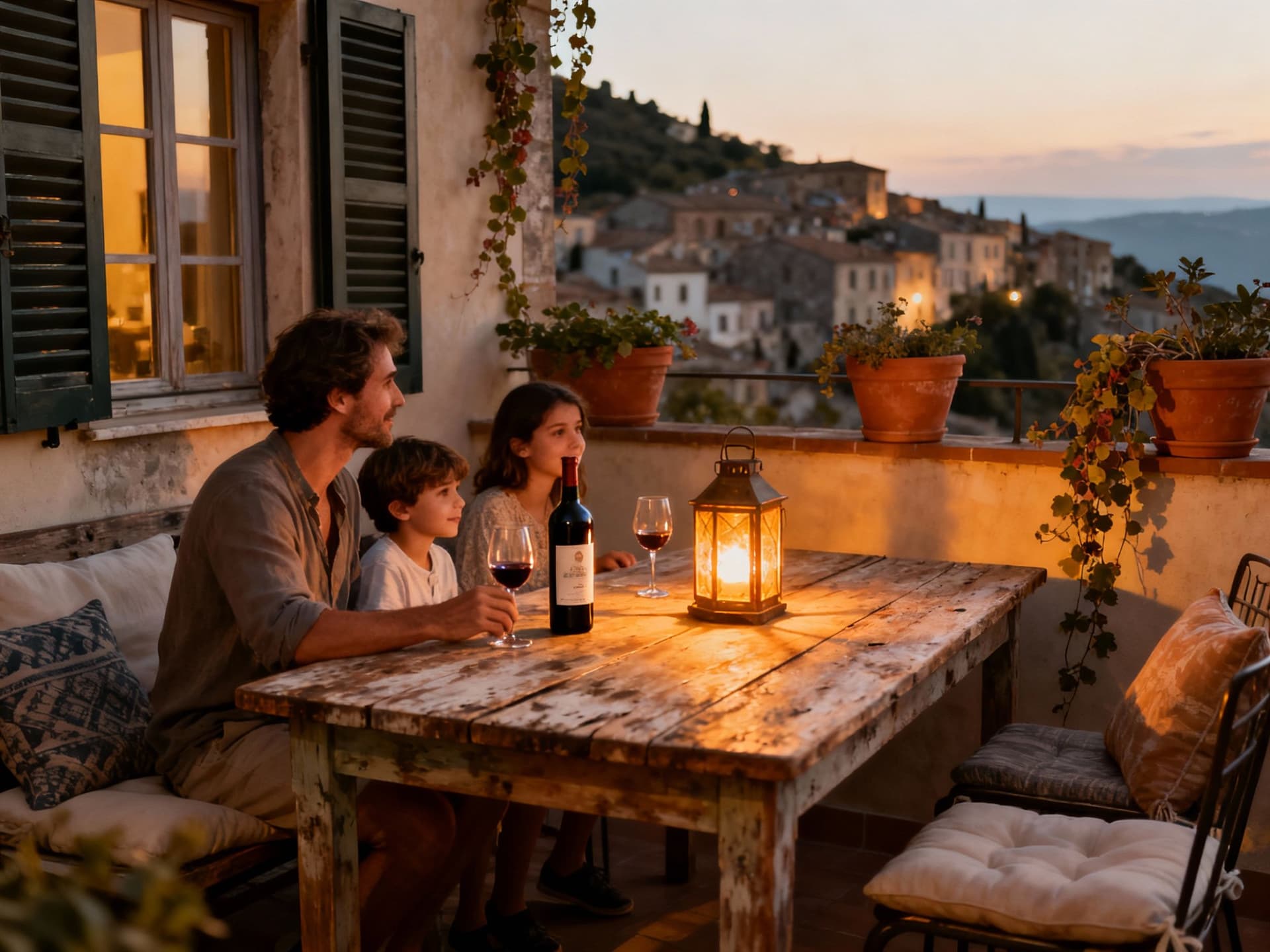
The market picture is nuanced: national indices show modest annual price gains and rising transaction volumes, while foreign demand increasingly concentrates in northern and lifestyle regions. Understanding local seasonality and the market calendar can materially change what you pay and how quickly a property is relet or used. Use national data as a compass and neighbourhood intel as a map.
Property types and how they shape daily life
A restored palazzina apartment in an historic centre places you at the heart of daily sociability — cafes, small shops and civic life within steps. A rural farmhouse (masseria or casale) offers land, privacy and harvest seasons to manage. Lakeside villas prioritize views and year‑round access; seaside houses require attention to maintenance and salt‑air detailing. Each typology carries different running costs and ways you will actually live there.
Working with local experts who understand life, not only listings
An agent steeped in local rhythms will point to the café with year‑round clientele, the street where locals buy fresh fish, or the municipal plans that will quietly change a neighbourhood. Seek advisers who show you where neighbours meet, not only market metrics; they translate lifestyle into tangible features that affect value, from orientation and shading to storage for seasonal goods.
- Practical steps that blend life and transaction: 1. Time visits for an off‑peak month (October–April) to feel everyday life; 2. Inspect properties late morning and early evening to assess noise and light; 3. Ask an agent about year‑round utility bills and maintenance in the neighbourhood; 4. Request a local occupancy calendar (tourist bookings vs. resident use) to judge rental realism.
Insider knowledge: expat lessons and local truths
Expat stories converge on a few simple truths: learn enough language to be neighbour‑present; expect bureaucracy to reward patience; and value a property that supports the life you want to lead. Many buyers arrive enchanted by a festival or summer terrace and later realise that everyday access to a market, reliable transport and local healthcare defined their quality of life more than a sea view.
Social integration, language and neighbourhood belonging
Speaking Italian opens doors: a few phrases smooth administrative processes and signal respect in small towns. Join a local association, attend a weekly mercato, or volunteer at a seasonal event — these are practical pathways to being known, not simply observed. Residency often follows lived presence; the neighbourhood that welcomes you in winter is the one you will keep.
Long‑term stewardship: maintaining value in an Italian life
Properties with architectural integrity — original terrazzo, timber beams, artisan tilework — age better in the market and attract discerning tenants. Plan for restoration that respects provenance: good carpentry, breathable plasters and attention to building fabric preserve both experience and resale value.
- Red flags local buyers watch for: • A street that is silent only during tourist season (check winter life); • Over‑polished staging hiding damp or poor insulation; • Unclear property boundaries in rural plots; • Municipal plans for coastal reclassification or tourist zoning.
Conclusion — imagine the life, then confirm the ledger. See the piazza in spring, buy after a winter visit, and choose a property whose daily rhythms align with the life you want to lead. Work with local advisers who read markets and neighbourhoods with equal care; they are the bridge from admiration to stewardship.
Relocating from London to Mallorca in 2014, I guide UK buyers through cross-border investment and tax considerations. I specialise in provenance, design integrity, and long-term value.