Why off‑season house‑hunting finds value in Italy
Italy’s seasonal, neighbourhood‑led markets hide value—visit off‑season, prioritise provenance over postcard views and work with local experts to buy a life, not a listing.
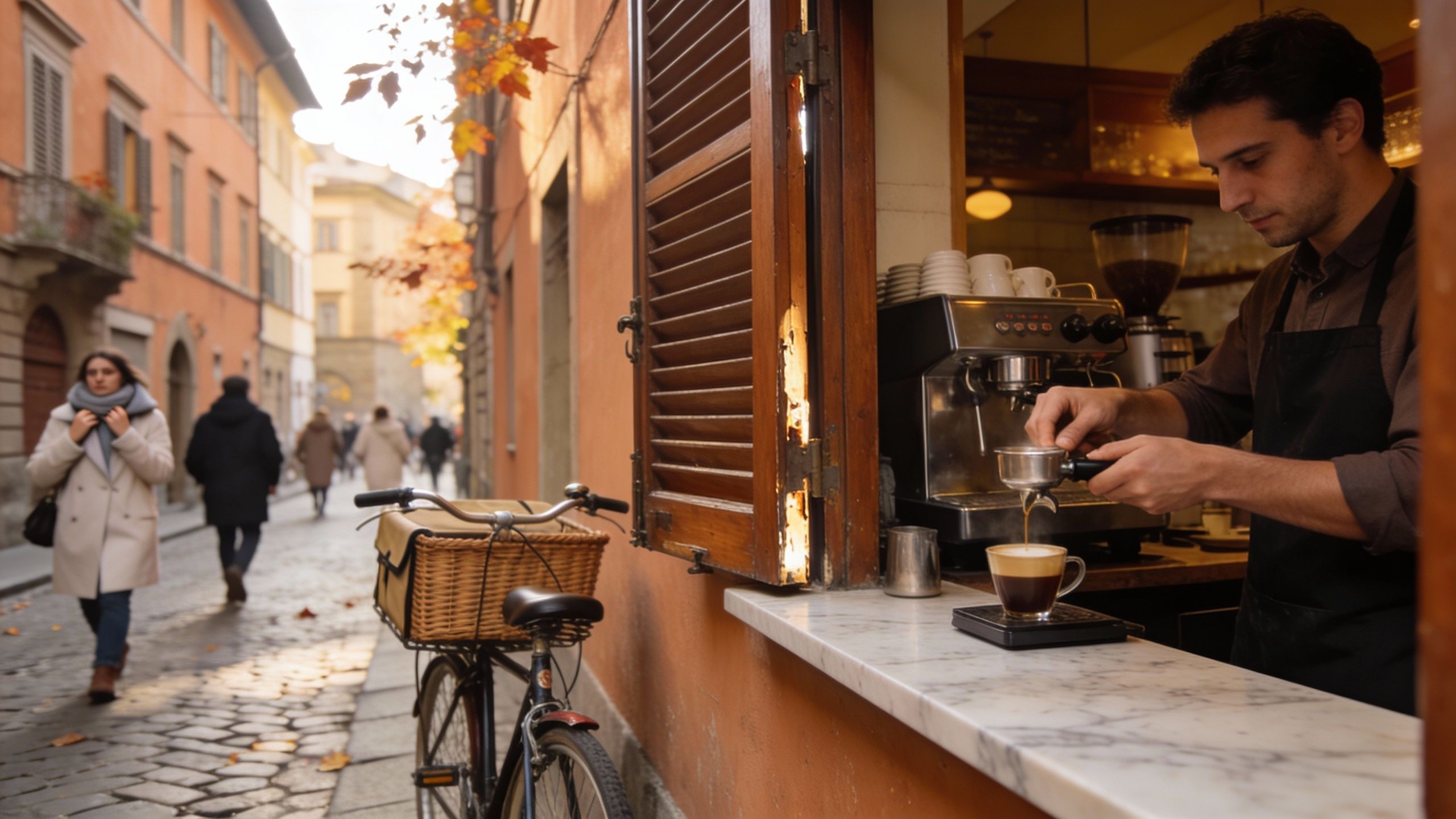
Imagine a November morning in Florence: steam from an espresso bar, shutters opening on a narrow street in Oltrarno, a baker arranging panelle in the window. In Italy the seasons choreograph daily life, and if you look beyond sun‑drenched postcards you discover quieter rhythms—market mornings, restored palazzi breathing with long histories, and neighbourhoods that feel lived in rather than staged. This is the Italy many international buyers crave, and it is precisely where opportunity hides.
Living the Italian lifestyle: texture, time and place
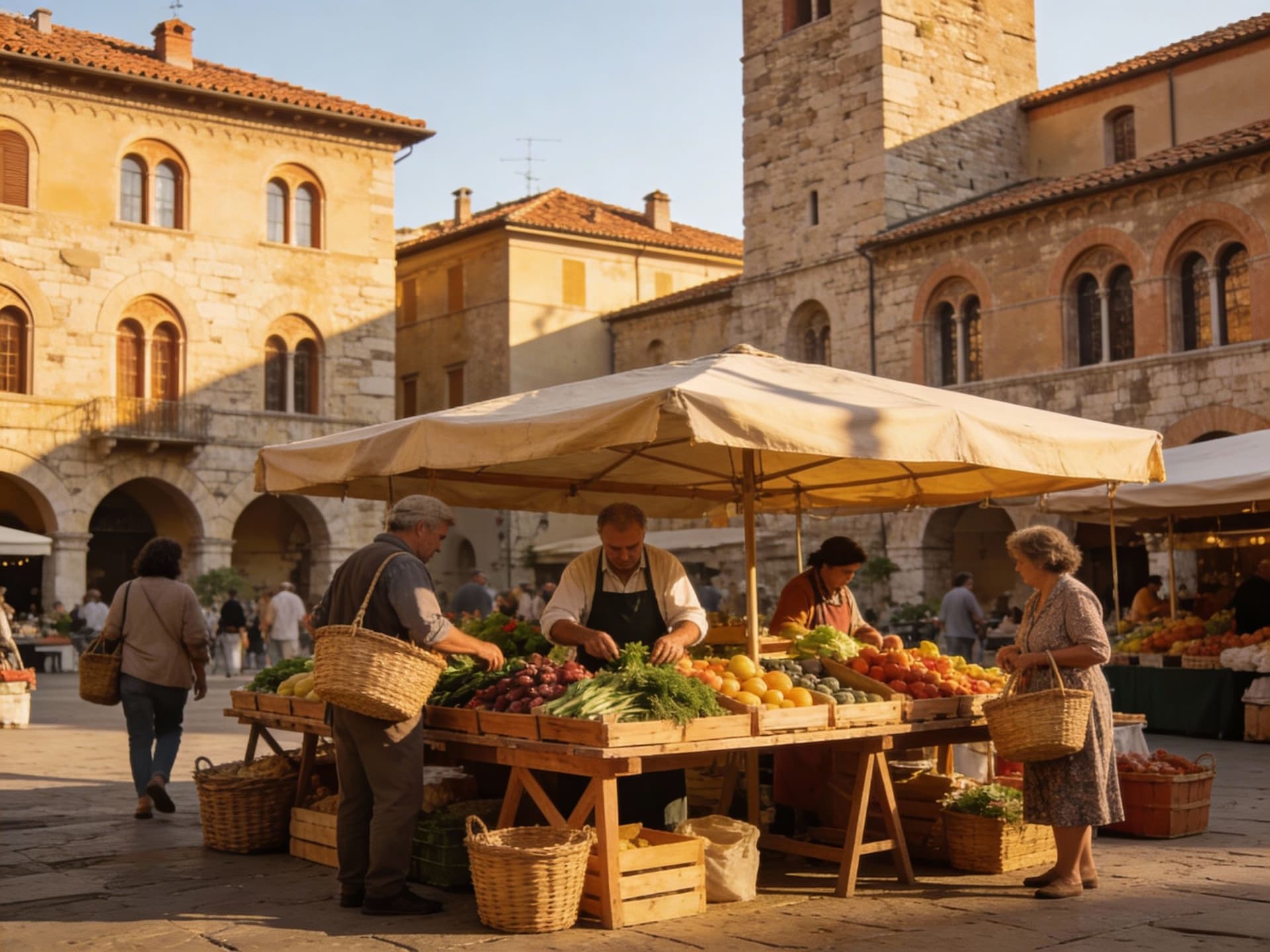
To live in Italy is to inhabit detail: hand‑trowelled stucco, stone thresholds polished by generations, and mornings that begin with a single, perfect espresso. Cities and regions offer distinct tempos—Milan’s efficient clarity, Rome’s layered sprawl, Tuscany’s measured afternoons—each shaping how you’ll use a home and what features matter. Recent official data show national house prices rising year‑on‑year, but the experiential value of a neighbourhood often diverges sharply from headline numbers. (See regional nuances below.)
Florence — Oltrarno and Santo Spirito: domestic craft and quiet squares
In Oltrarno you live with artisans. A restored 18th‑century apartment on Via Romana offers terrace views across clay‑tile roofs and short walks to Santo Spirito’s market. Buyers here prize provenance—original beams, pietra serena fireplaces—and proximity to ateliers over panoramic vistas. Knight Frank notes renewed buyer appetite across Tuscany; for lifestyle buyers, Florence’s quieter quarters combine cultural depth with residential calm.
Milan — Brera, Porta Romana and the rhythm of civic culture
Milan combines discreet elegance with contemporary civic life. Brera’s cobbled lanes and private courtyards suit collectors and professionals; Porta Romana’s regenerated former industrial fabric yields apartments with high ceilings and gracious sightlines. Milan remains a financial hub, and prime pockets show steady demand—yet life here rewards those who seek design integrity and proximity to cultural institutions rather than tourist spectacle.
- Lifestyle highlights to look for on the ground
- Early‑morning markets: Campo de’ Fiori (Rome) or Mercato Centrale (Florence) for fresh produce and neighbourhood rhythms
- Neighbourhood cafés: Caffè Gilli (Florence) and Pasticceria Marchesi (Milan) as anchors of daily life
Making the move: practical considerations that preserve the life you want
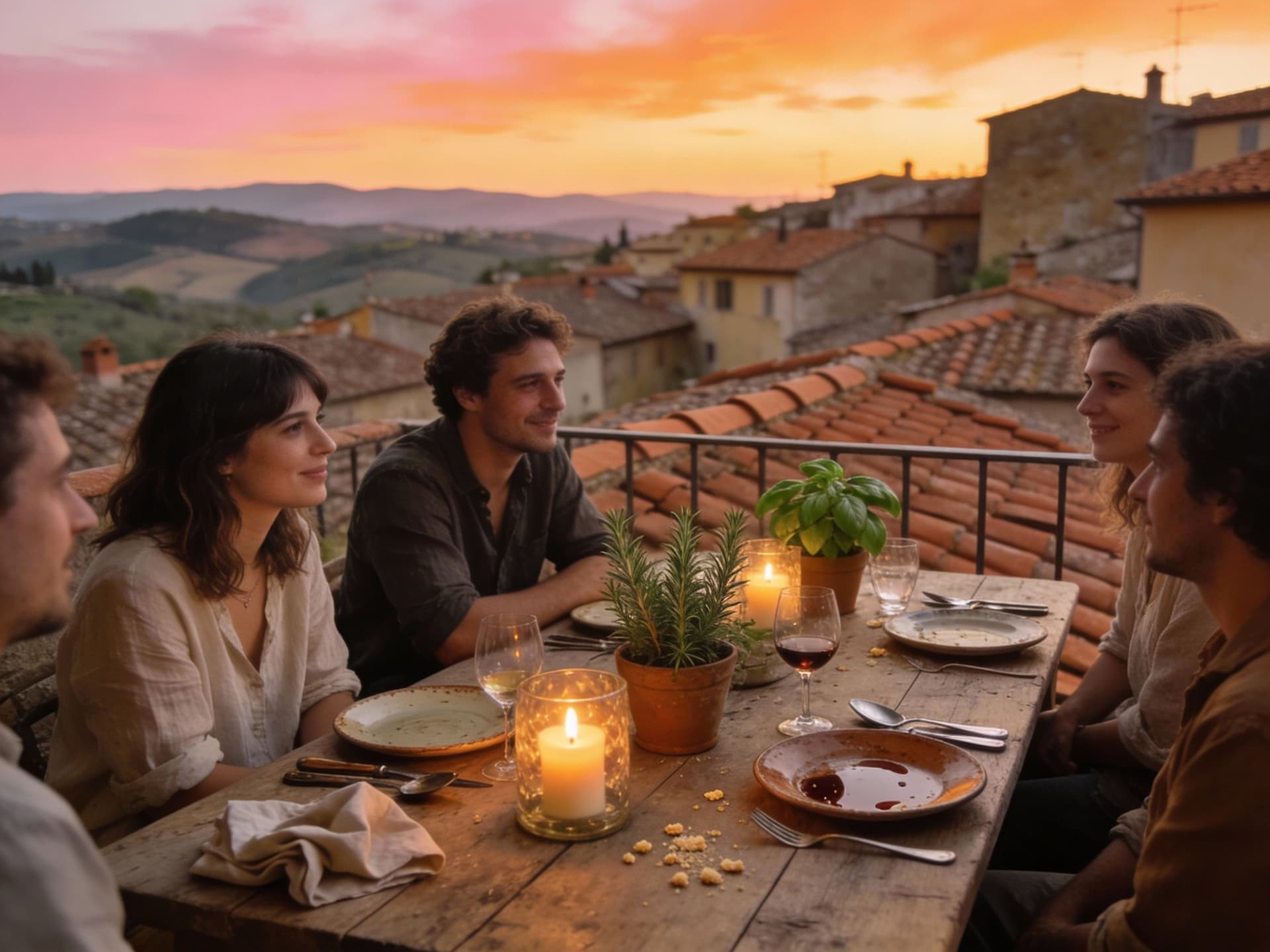
Dreams must meet detail. Transaction volumes rose meaningfully in 2024 and 2025, but micro‑decisions—orientation, floor‑height, insulation, and access to local services—determine whether a purchase becomes a treasured home or a maintenance burden. Understand how neighbourhood life translates into daily costs and convenience: a ground‑floor apartment by a piazza may mean sublime summer evenings and higher noise; a hillside farmhouse yields views and upkeep.
Property styles and how they shape daily life
A palazzo flat with original cornicing offers formal rooms for entertaining; a converted loft in a former industrial quarter gives generous volume and adaptable space for a home office. In coastal towns such as Positano or Sorrento, look for sea‑facing loggias and salt‑resistant materials. In Tuscany, stone farmhouses reward patient restoration but demand specialist craftsmen and a realistic budget for roof and masonry work.
Working with local experts who understand place
Choose agents and architects rooted in the specific neighbourhood. Local firms navigate permitting, historical constraints, and artisan networks; they also read the subtle cues of street life that determine whether an apartment will suit morning rituals or evening hospitality. Agencies that present provenance—restoration records, previous architects, detailed condition surveys—save time and preserve value.
- Six practical steps that blend lifestyle and transaction sense
- Inspect at different times: a weekday morning, a market day and a late summer evening to understand noise, light and community rhythm.
- Request provenance: original plans, restoration certificates and a utilities audit to anticipate future maintenance.
- Map daily routes: nearest grocer, pharmacy, primary school and transport node—these shape weekly life more than viewlines alone.
- Budget for specialists: historic fabric requires stone masons, lime plasters and carpenters familiar with regional techniques.
- Agree on agency scope early: viewings, negotiation strategy, and post‑sale introductions (notary, geometra, restoration architect).
- Consider seasonality in use: a seaside house may be a summer jewel but requires winterising for year‑round comfort and insurance clarity.
Insider knowledge: what expats wish they’d known
We often hear the same confessions: underestimating the time restoration takes, overvaluing sea‑views at the expense of community, or mistaking tourist bustle for long‑term neighbourhood life. Expat networks reward patience—friendships form at market stalls, not open houses—and those who embed in local rhythms often find better value than those chasing headlines.
Language, etiquette and daily integration
Simple courtesies matter. A bit of Italian—greetings for shopkeepers, polite small talk on the street—opens doors. Neighbourhoods prize discretion; cultivate steady presence rather than abrupt change. For families, local schools and parish activities provide social anchors more reliable than expat groups alone.
Long‑term stewardship: sustaining the life you buy
Think of ownership as stewardship. Conserving a period home preserves cultural value and can protect long‑term investment merit. In practice this means phased restoration budgets, relationships with conservation architects, and acceptance that some returns are social as much as financial—continued neighbourhood character, seasonal festivals and artisanal supply chains.
- Red flags buyers often overlook
- Unexplained sub‑floor damp in cellars or basements that suggests structural work beyond cosmetic fixes
- Ambiguous ownership documentation (missing as‑built plans or unclear condominium minutes)
- Properties marketed as 'central' that are actually on busy thoroughfares rather than intimate piazzas
Conclusion: Italy asks for patience and rewards curiosity. Visit outside peak months, talk to shopkeepers, and prioritise provenance over photo‑ready finishes. If you want a neighbourhood that sings in autumn markets and quiet mid‑week afternoons, an agent who understands texture and time will be your best partner. When you buy this way, you acquire more than a property—you buy a life that unfolds with weather, festivals and neighbours.
Former Copenhagen architect who relocated to Provence, offering relocation services, market analysis, and a curator’s eye for authentic regional design.