Puglia vs Tuscany: The Quiet Value Shift in Italy
Puglia’s rise, regional price shifts and ISTAT data show where authentic Italian lifestyle meets relative value for international buyers.
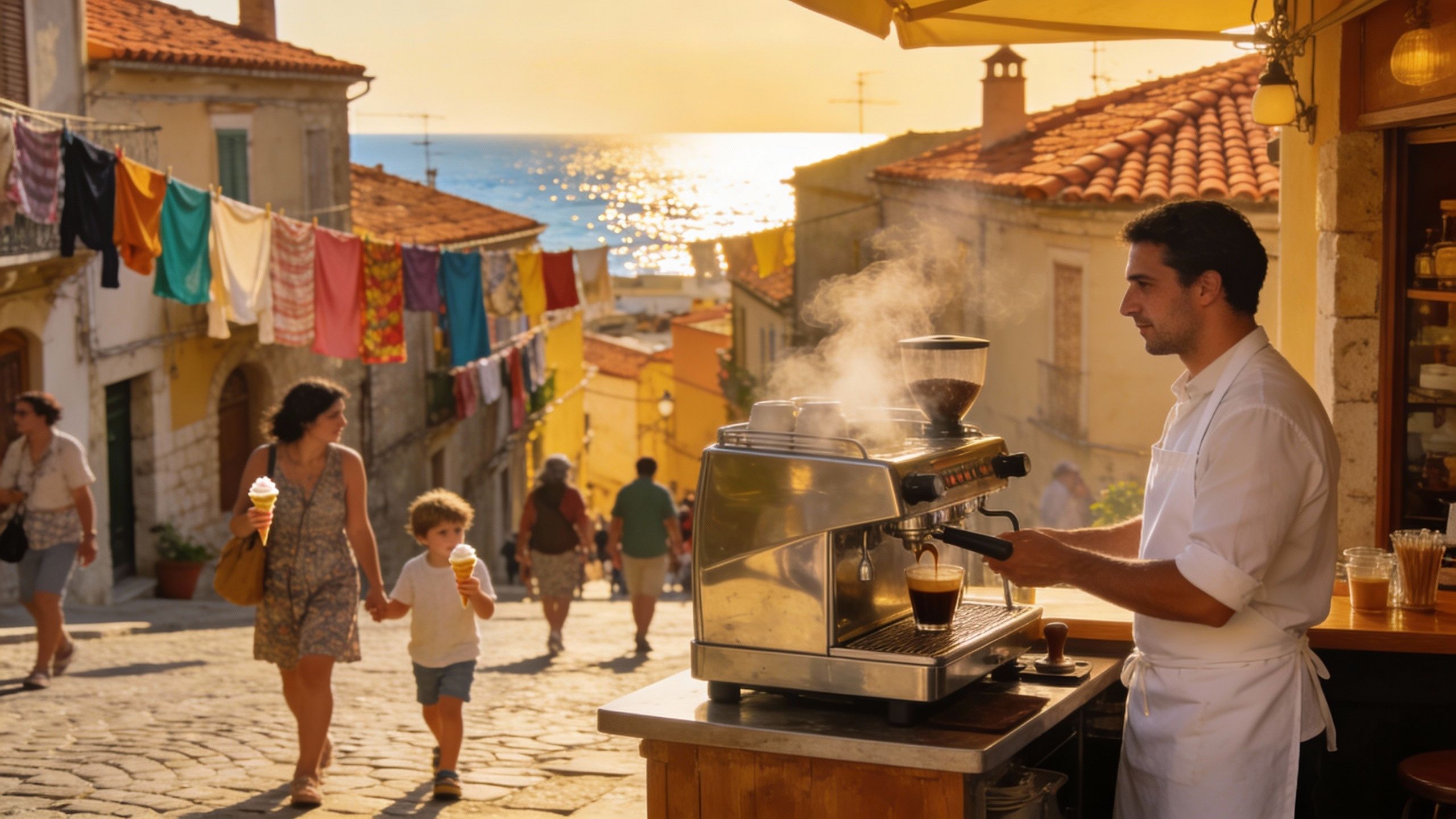
Imagine the warm, limestone light of a Puglian piazza at late afternoon: olive trees scent the air, a barista pulls espresso at a counter polished from generations of use, and a restored trulli sits a quiet walk from the sea. For many international buyers Italy begins with such images; yet beneath the romance there is a subtle shift in where value and quiet provenance are found.
Living the Italian Life — Not as You Expect
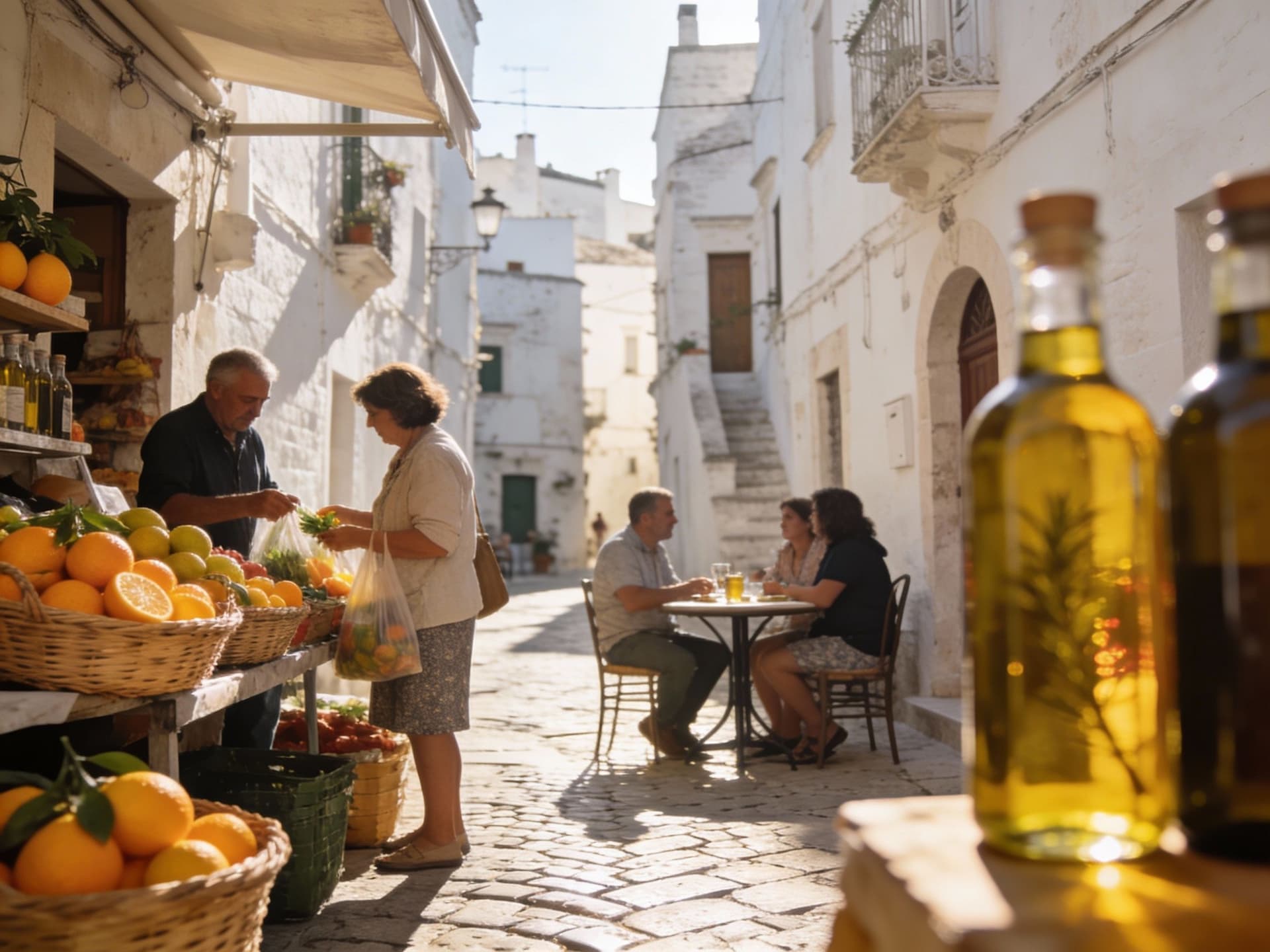
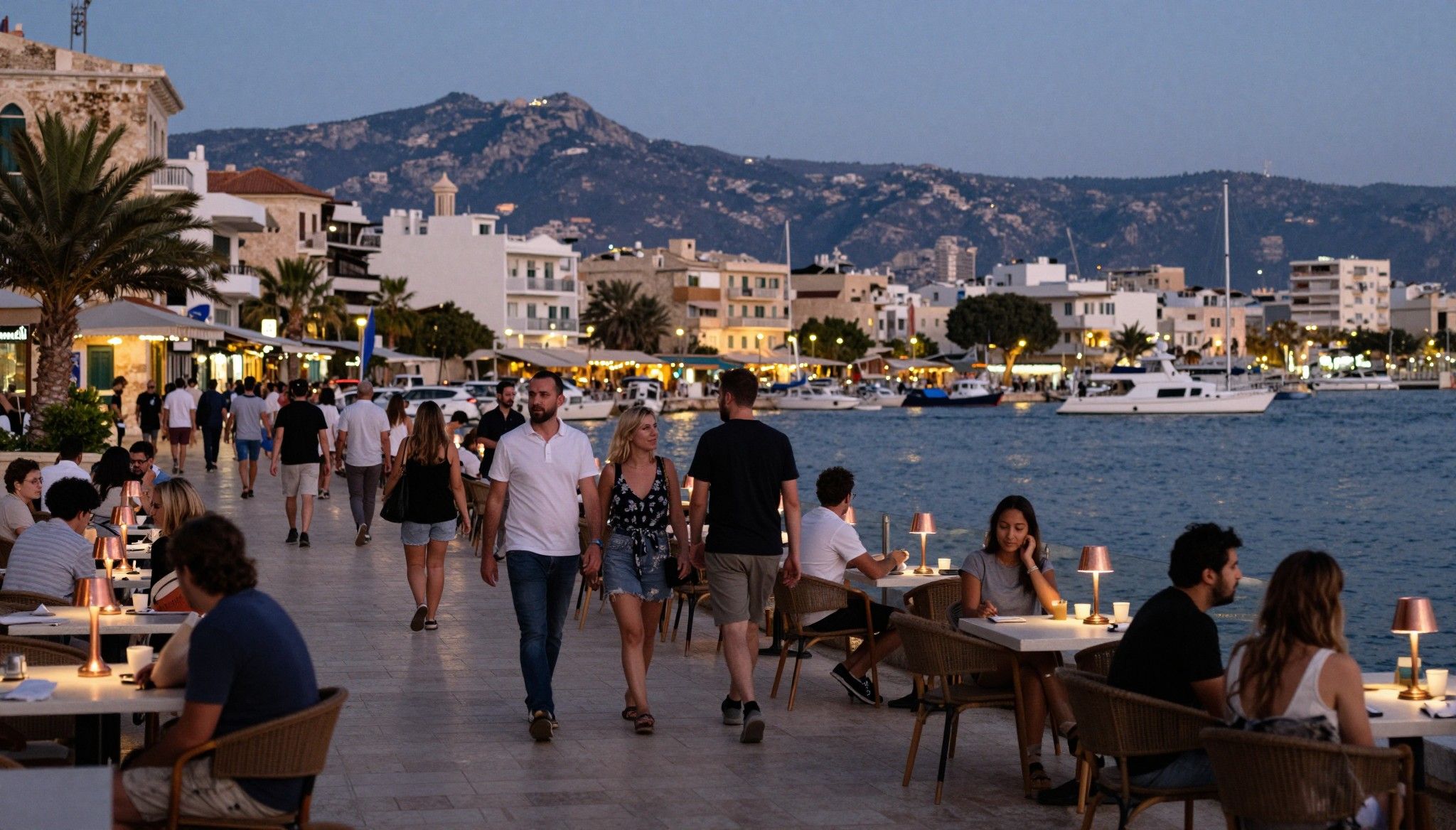
Italy is a mosaic of daily rhythms: morning markets in Campo de' Fiori or Mercato Centrale, aperitivo hours along Milan’s Navigli, and slow Sundays in olive-laced hill towns. The sensation of living here is less about scenery than habit—two-hour lunches, neighbourhood familiarity, and the way seasons shape streets and property use. That rhythm matters when choosing a neighbourhood; it determines whether a home will feel lived-in or merely a postcard.
A neighbourhood that breathes: Ostuni, Puglia
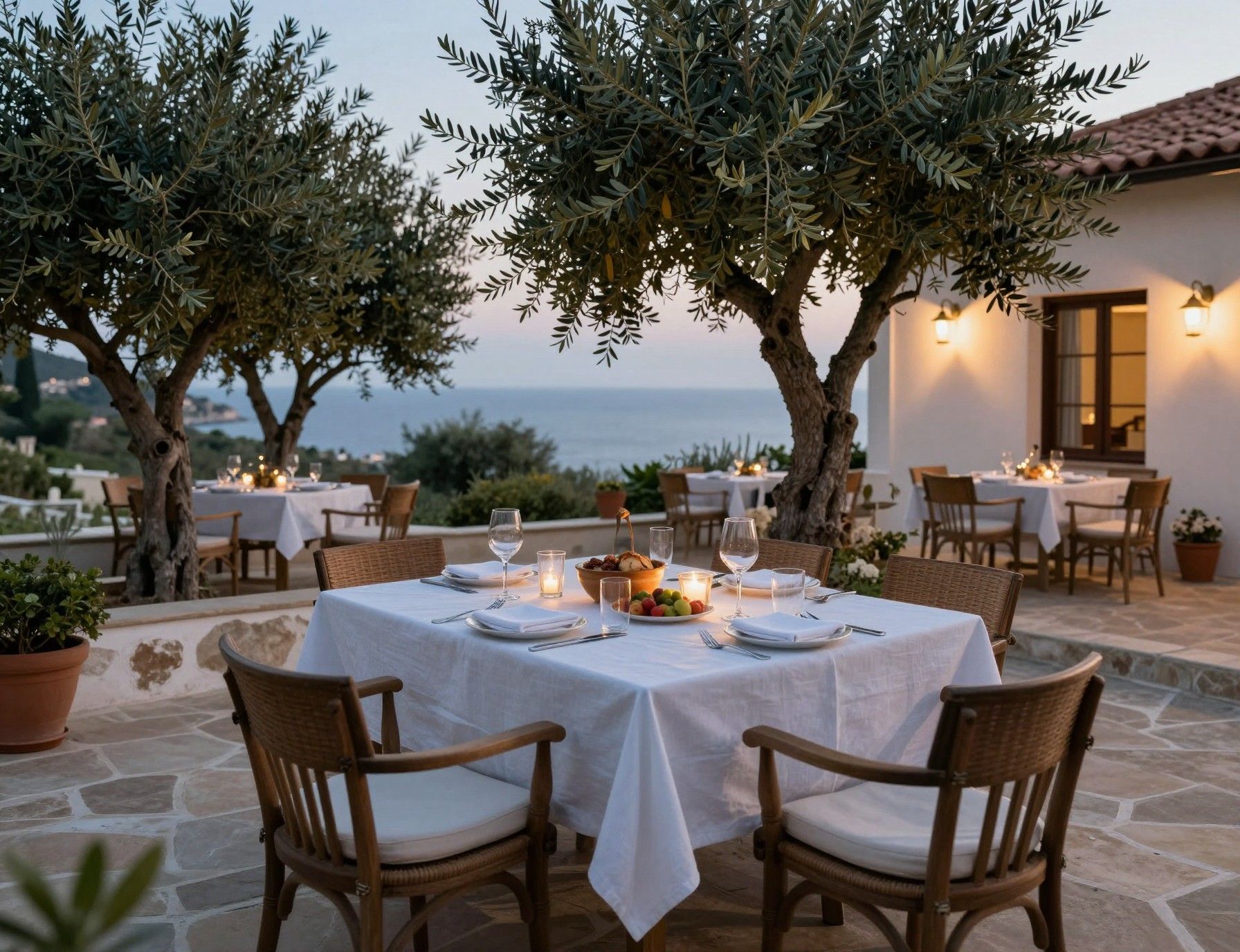
Ostuni’s whitewashed lanes, local osterias, and nearby beaches offer a cadence that suits owners who prize village life with seasonal guests. Restoration here tends to favour local stone, vaulted ceilings and shaded courtyards—features that reward buyers who care for craft and provenance rather than trend-led finishes.
Food, markets and the living room of the city: Florence and Bologna
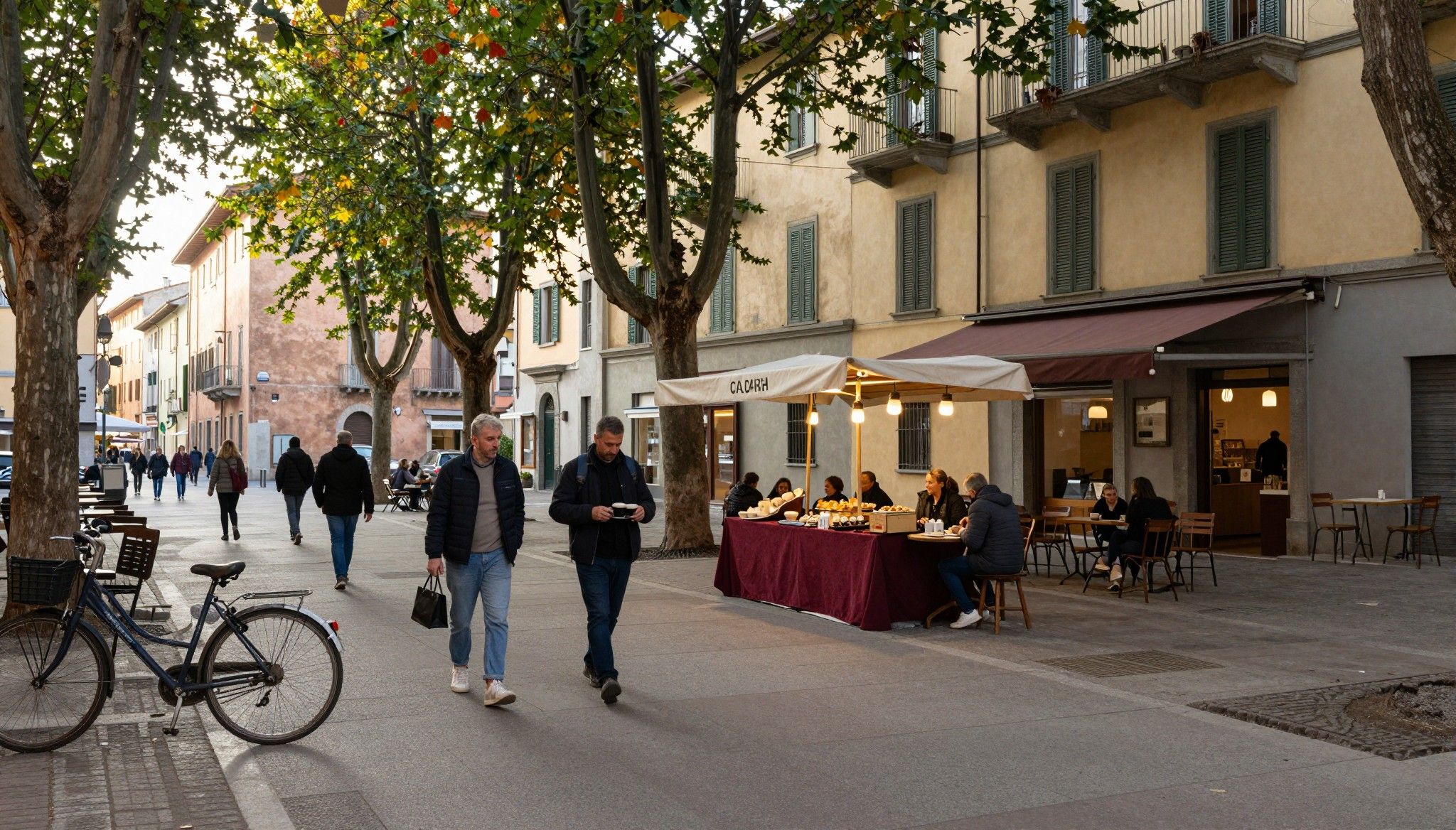
Cities such as Florence and Bologna remain anchors for refined city living: early-morning market runs, neighbourhood trattorie with seasonal menus, and afternoons spent in libraries or small galleries. These places sell lifestyle as much as address—so expect smaller, highly credentialed apartments with architectural provenance rather than large new builds.
- Lifestyle highlights: real places that shape daily life
- Ostuni’s Corso Mazzini for Saturday markets and evenings at Caffè Tripoli
- Florence’s Sant’Ambrogio market and artisan workshops on Via de’ Neri
- Como’s lakeside promenades and quiet residential streets in Cernobbio
Making the Move: How Lifestyle Shapes the Practicals
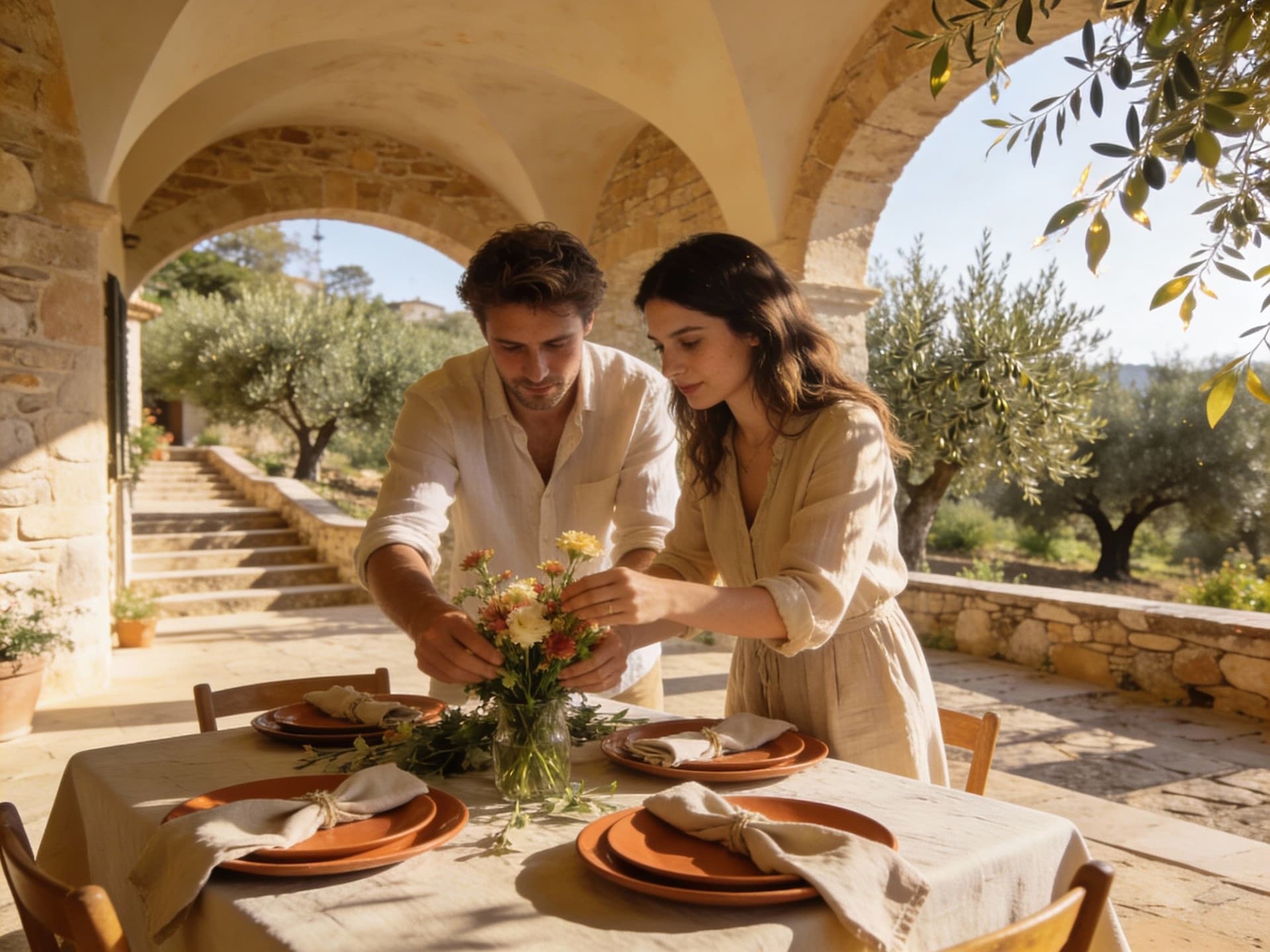
The Italian market has steadied: national indices show modest annual gains and transaction volumes recovering, which changes how one times a purchase. If your priority is lived-in authenticity—a stone house in a village or a restored apartment in a historic centre—expect selective supply and premium for provenance; for value-driven searches, regions such as Puglia present clearer opportunities as interest and investment shift south. Nomisma’s recent outlook suggests steady but moderate price growth in the coming years, driven by mortgage normalization and renewed domestic demand.
Property types and how they serve daily life
A restored trullo or farmhouse is rarely about square metres; it is about courtyards, stone walls that age well, and microclimates that keep summers cool. City apartments reward proximity to markets and transport. New-builds offer insulation and low maintenance but can lack the patina that defines Italian charm. Choose the type that amplifies the life you want to live, not the one you think will resell fastest.
Working with local experts who know the life you want
A local agent who understands artisan restoration, heritage restrictions and seasonal rental dynamics saves time and preserves value. They will identify blocks where neighbours protect architectural integrity, and communes where renovation permissions are straightforward. For international buyers, find advisors fluent in both language and local customs—those who can read a cadastral map and order a coffee with the mayor.
- Steps that blend lifestyle and practicality
- Shortlist neighbourhoods after spending a week living there in different seasons.
- Commission an independent survey focused on structural conservation and original materials.
- Confirm local planning records and restrictions with a heritage‑experienced notary or avvocato.
- Negotiate repair credits for original features (roofing, stonework, terracotta) rather than cosmetic items.
Insider Knowledge: What Expats Wish They’d Known
Practical surprises often come from seasonality and local rules. ISTAT shows modest national price growth in 2025 with regional variations—northern cities remain expensive while southern regions are seeing faster percentage growth from lower bases. The Financial Times has documented the recent surge of interest in Puglia: increased inquiries and rising prices make it a notable counterpoint to Tuscany’s long-held primacy. That matters because a late‑buyer premium can arrive quickly once restoration-led demand becomes fashionable.
Cultural integration and the small rules that change life
Neighbours matter: in many towns the community decides what restoration looks like. Learn local rhythms—shop hours, festa calendars, and how rubbish collection works—before committing. Speak early with the parish, the municipio and local artisans; they will tell you which materials are accepted and which changes require approval.
Longer-term living: stewardship versus speculation
If you plan to pass a property to descendants, focus on craftsmanship and documented provenance. Properties that respect local character tend to hold value—both financial and cultural. Conversely, short-term, cosmetic updates for rental photos often create long-term maintenance liabilities and community friction.
- Practical red flags to watch for
- Unclear cadastral records or missing ‘planimetria’
- Unlicensed alterations that may trigger fines or require undoing
- Properties without heritage‑sensitive restoration documentation
Conclusion: Italy feels familiar the moment you learn its local rules. Begin with the life you imagine—meals, markets, the street you’d like to walk each morning—and let local experts translate that vision into address-level decisions. Regions such as Puglia now combine authentic lifestyle with clearer value opportunity, while historic centres preserve architectural depth. Spend time in each place, commission the right technical checks, and treat stewardship as part of the purchase: invest in places that will reward both living and legacy.
Norwegian with years in Florence guiding clients across borders. I bridge Oslo and Tuscany, focusing on legal navigation, cultural context, and enduring craftsmanship.