Neighbourhood Rhythm: Street‑Level Value in France
France offers seasonal, sensory living; match neighbourhood rhythms to property choice and use INSEE data plus local comparables to make decisions with confidence.
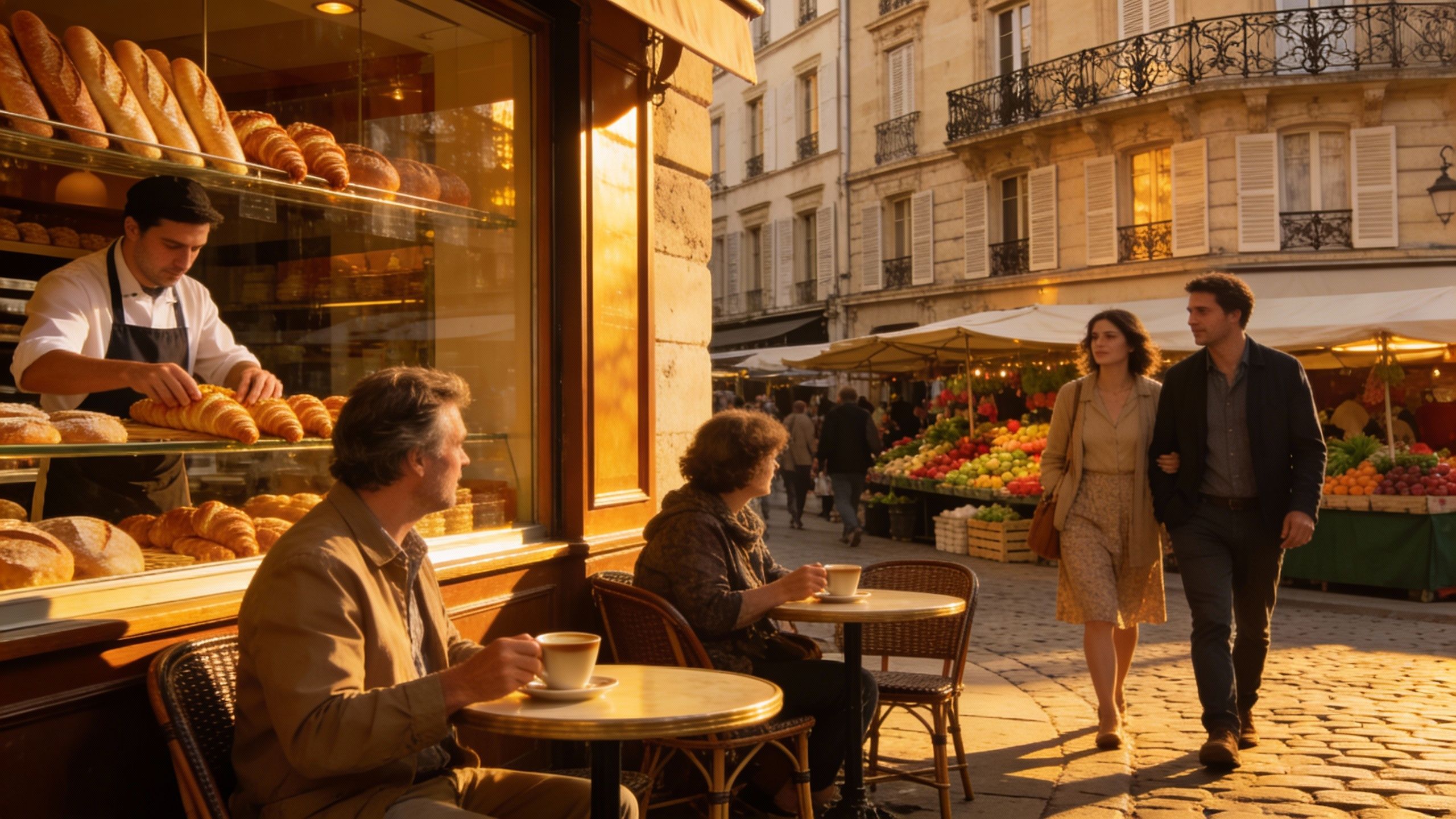
Imagine an autumn morning in Aix‑en‑Provence: the marché on Cours Mirabeau fills with steam from coffee cups, shutters click open on limestone facades, and a boulanger arranges warm fougasses. That sense of slow, tasteful abundance — seasonal, tactile, civic — is what draws many of us to buy in France. Yet beneath the perfume of pastis and patisserie are practical rhythms that shape price, availability and the lived experience of a home.
Living the French Life: a sensory portrait
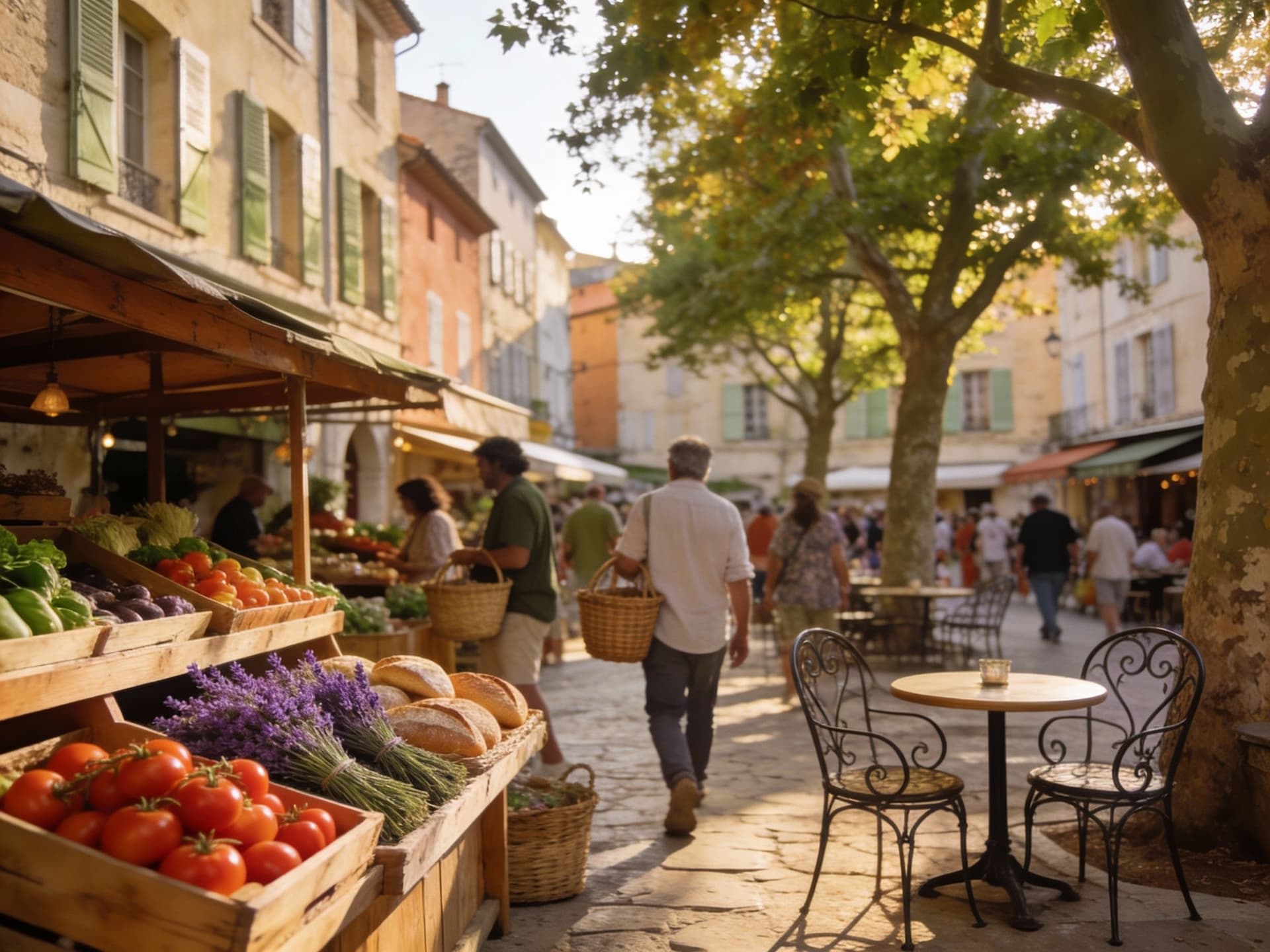
To live in France is to live by calendar and by place: weekday cafés in Paris’s Saint‑Germain give way to Saturday markets; the Riviera hums in July and softens by October; Brittany’s coastline is wind and salt, Provence is light and lavender. The character of each neighbourhood — Le Marais’ discreet hôtels particuliers, Antibes’ fishermens’ lanes, Lyon’s traboules — determines how you will use a property and how it retains value over time.
Paris: measured grandeur and discreet corners
Paris remains a study in contrasts: monumental avenues and intimate streets. Buyers prize the 6th and 7th for classical façades and private gardens; the Marais for its mix of medieval fabric and contemporary galleries. Even within Paris, off‑beat pockets — a quiet rue near Canal Saint‑Martin, a handful of block‑long mews — can deliver tranquility and surprisingly better value than headline arrondissements. Recent high‑end transactions underline a resilient top tier, though buyer behaviour has become more selective.
Provence & the Riviera: sun, scale and seasonal reality
The Côte d’Azur offers a rhythm that is intensely seasonal: June to September is social life in full view; the rest of the year is quieter but no less cultivated. Towns such as Mougins and Cap d’Antibes combine historic stone houses and modern villas, while inland Luberon villages provide pastoral calm. Understand how seasonality alters occupancy and services — it affects rental yield, running costs and the way neighbourhood life feels when you are actually living there.
- Lifestyle highlights: markets, cafés and small pleasures
- Cours Mirabeau market mornings (Aix‑en‑Provence)
- Sunday antique stalls on Ile de Ré
- Terrace cafés around Place des Vosges (Paris)
Making the move: how lifestyle shapes the market
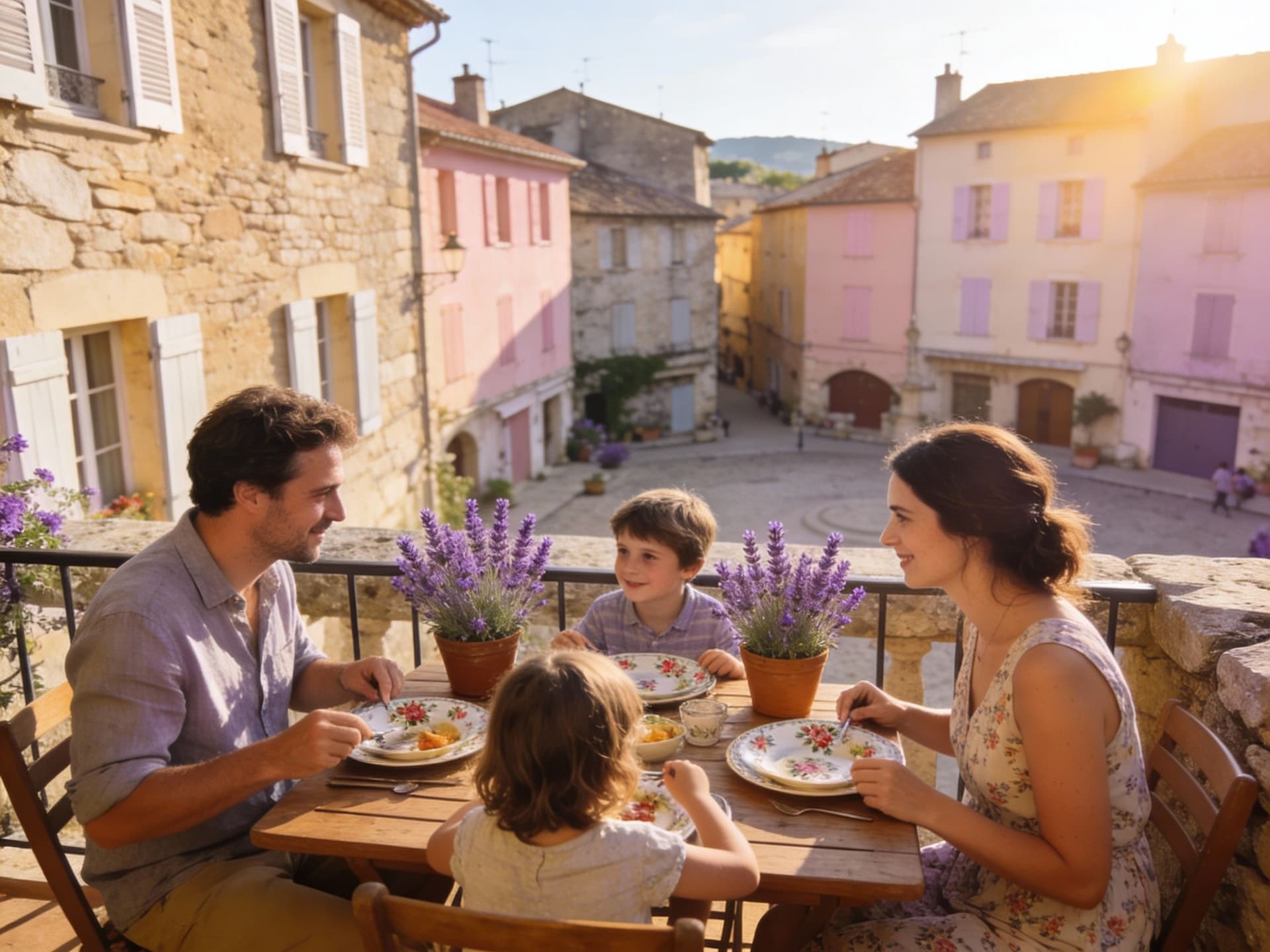
The romance of place meets measurable trends. National data show that French house prices stabilised after a period of correction, with provisional growth returning in early 2025 — a reminder that local micro‑markets can diverge from headline indices. Where you look — Paris, provincial towns or coastal resorts — will dictate short‑term movement and long‑term resilience. Use national reports as context, then zoom in on neighbourhood comparables.
Property types and how they feel to live in
A Haussmann apartment in Paris offers high ceilings, carved mantelpieces and proximity to museums; it requires specific upkeep and often co‑ownership governance (copropriété). A Provençal maison with a garden trades centrality for outdoor living; look for well‑constructed stone, original beams and good insulation. New builds deliver energy efficiency and fewer immediate repairs but may lack the patina many buyers desire. Choose by how you want to spend time: mornings in market squares or afternoons in private gardens.
How to work with local experts who know the life you want
- Ask agencies for neighbourhood storytelling: which cafés fill at 9am, where children play after school, which streets are quiet at night.
- Request recent comparable sales on the same street, not just the arrondissement; micro‑differences matter.
- Visit at different times and seasons — a coastal town in August is not the same place in November.
- Prioritise an agent who can introduce local tradespeople and explain maintenance rhythms (stone façades, roof tiles, heating systems).
Insider knowledge: what expats wish they’d known
Expat buyers often discover that community matters more than spectacle. It is not the sea view alone but the baker two streets over, the neighbour who trims the hedge, and the municipal market’s seasonality that define contentment. Small social rituals — market bargaining, local fêtes, the rhythm of strike notices — are part of living here and affect daily convenience and property desirability.
Cultural integration and daily life
Learning a little French opens doors: shopkeepers, municipal services and neighbours respond to effort. Join a marché circle, volunteer at a village fête, or take language classes in local MJC centres. These actions accelerate belonging and help when you need pragmatic advice: a trusted notaire, a roofing specialist, or a recommended syndic for managing shared buildings.
How life evolves: stewardship beyond purchase
- Deciding whether to renovate or preserve: 1. Assess structural bones and original details; preservation often adds value. 2. Budget for phased works rather than all at once. 3. Choose materials and artisans who respect regional techniques (stone, lime plaster, tuiles).
Practical next steps: visit with intent, gather street‑level comparables, and ask agents to narrate neighbourhood life as well as price. National sources such as INSEE and notaries’ indices give you the market’s pulse; local agents and trusted notaires translate that pulse into a plan for where to live and how to care for a property.
If you are drawn to France for its daily textures, proceed like a careful steward: prioritise neighbourhood, verify comparables at street level, and work with professionals who understand both the architecture and the calendar of life that will unfold in your home.
Dutch former researcher who moved to Lisbon, specialising in investment strategy, heritage preservation, and cross-border portfolio stewardship.