Buy Where Locals Buy: Malta’s Quiet Streets of Value
Discover why Malta’s quieter streets often offer better value and richer daily life than its famed seafront addresses, with market data and local insight.
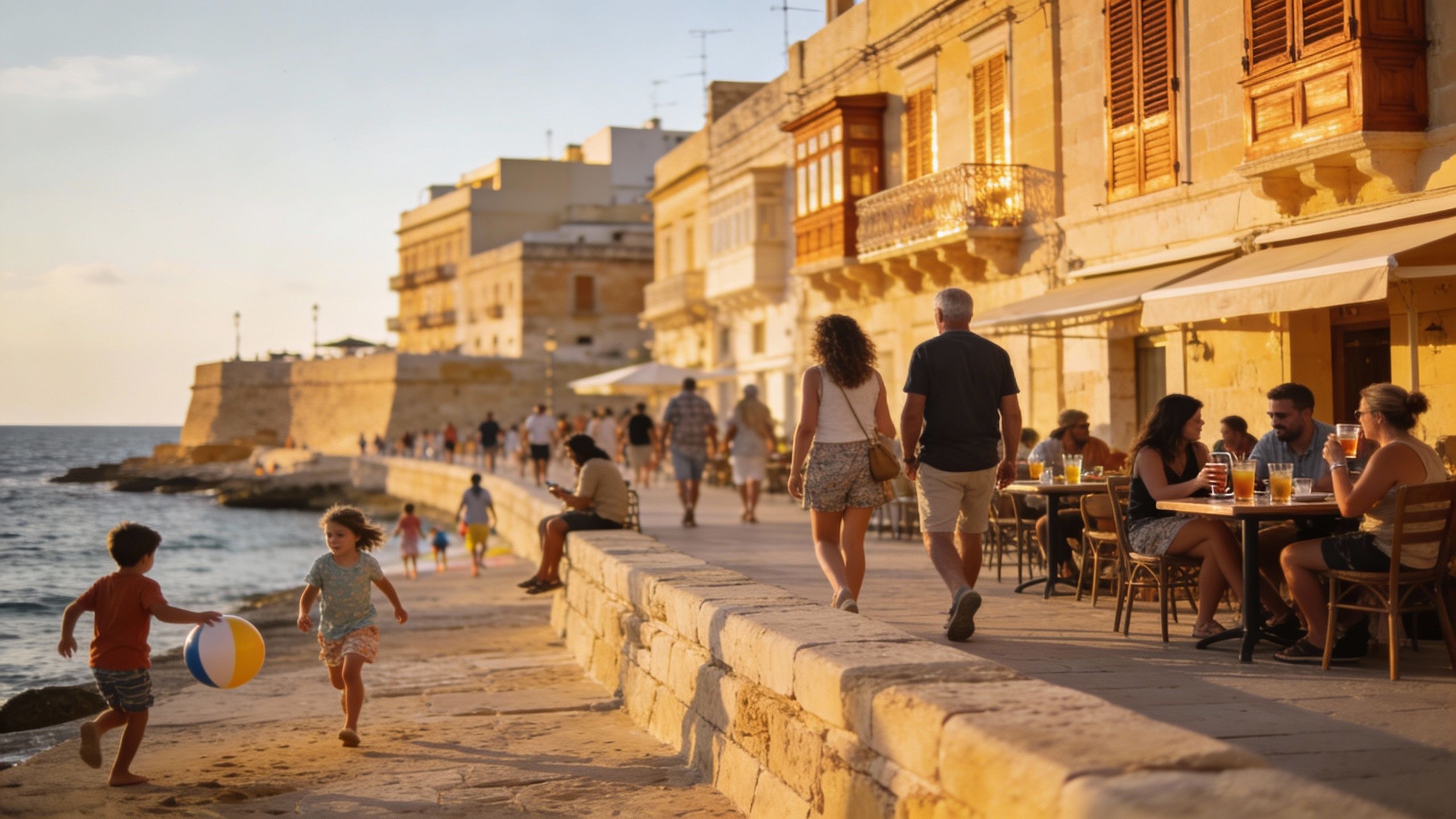
Imagine a morning in Valletta: shutters lifting, the smell of oven-warm ftira spilling from a baker on Strait Street, and an ornate limestone balcony catching the early light. Malta compresses Mediterranean life into short distances—an elegant townhouse in a quiet square, a sea-facing apartment with a harbour view, a fishing village where neighbours still buy fish at dawn. For many international buyers the island’s romance arrives first; the pragmatic questions follow.
Living the Malta lifestyle
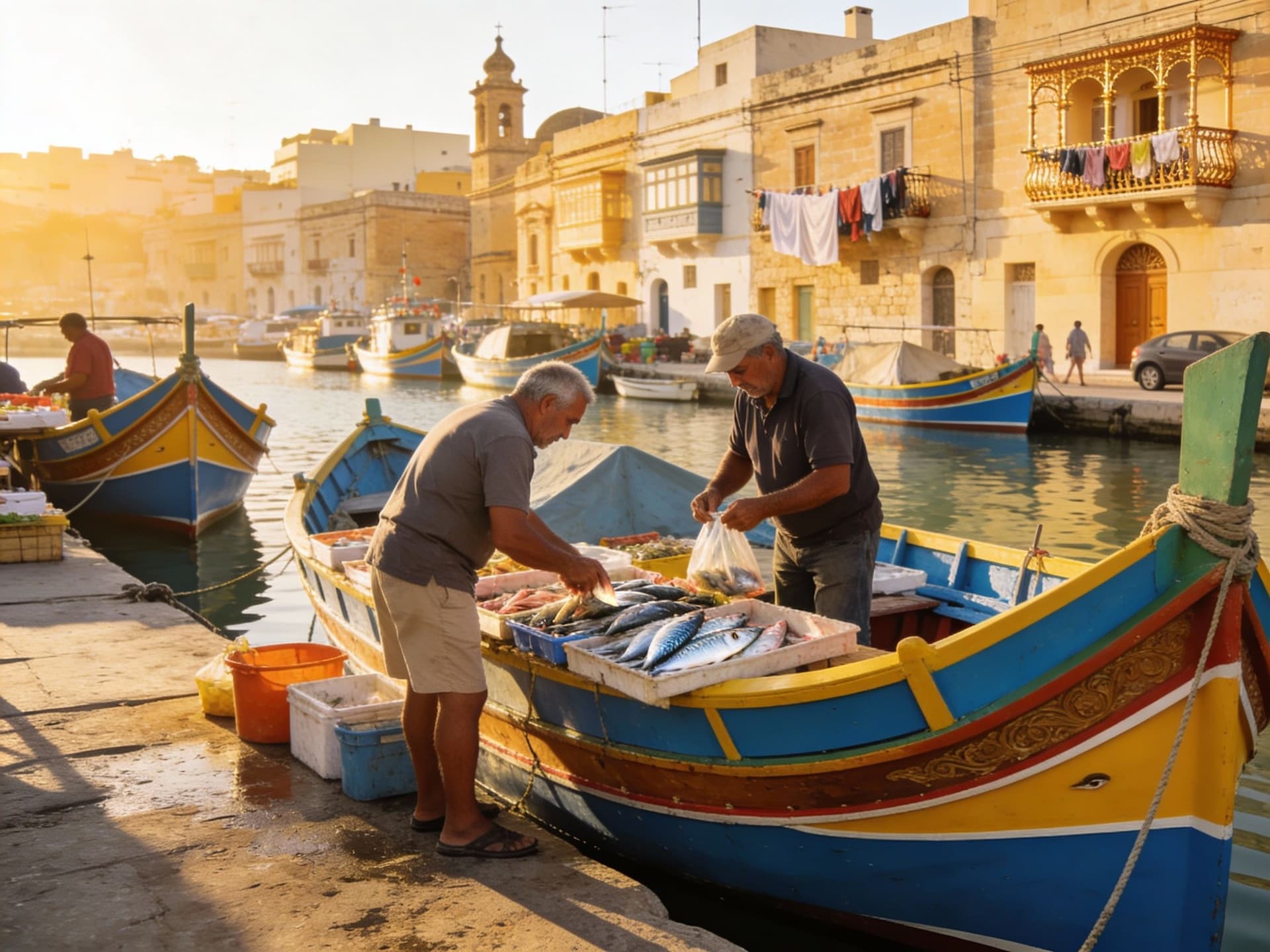
Daily life here is paced by light and sea breeze more than by clocks. Coffee is a ritual — a single espresso at Café Cordina tastes the same whether poured for a local magistrate or a visiting architect — and weekends revolve around markets in Marsaxlokk, wine in Mdina's quiet lanes, and late dinners in Gżira or St Julian's. That sense of immediacy is part of Malta’s appeal, though it also helps explain the steady price rises recorded in recent years. Market indices show measurable growth while neighbourhood value diverges sharply across the islands. cite
Valletta, Sliema and St Julian's: the visible face
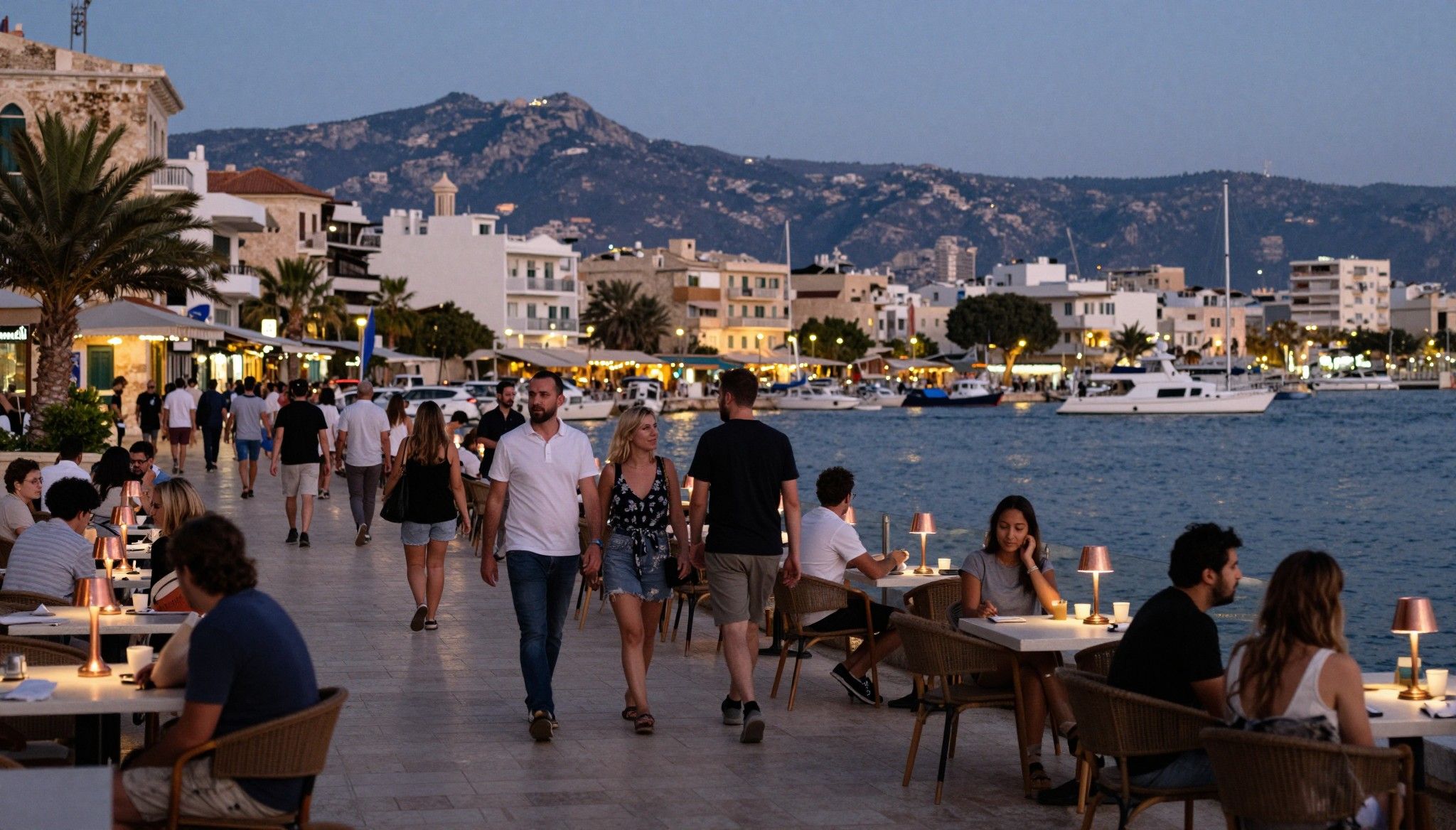
Valletta feels like a living museum—baroque façades, imposing churches, and a theatrical harbour. Sliema and St Julian's present a different proposition: seafront promenades, modern apartments, and the convenience of cafés and boutiques. These addresses are immediately legible to buyers and command a premium for proximity to services and nightlife. Yet the premium is as much about convenience and perception as it is about intrinsic fabric; similar quality of life can be found in quieter wards if you look for it.
Hidden corners that reward patience
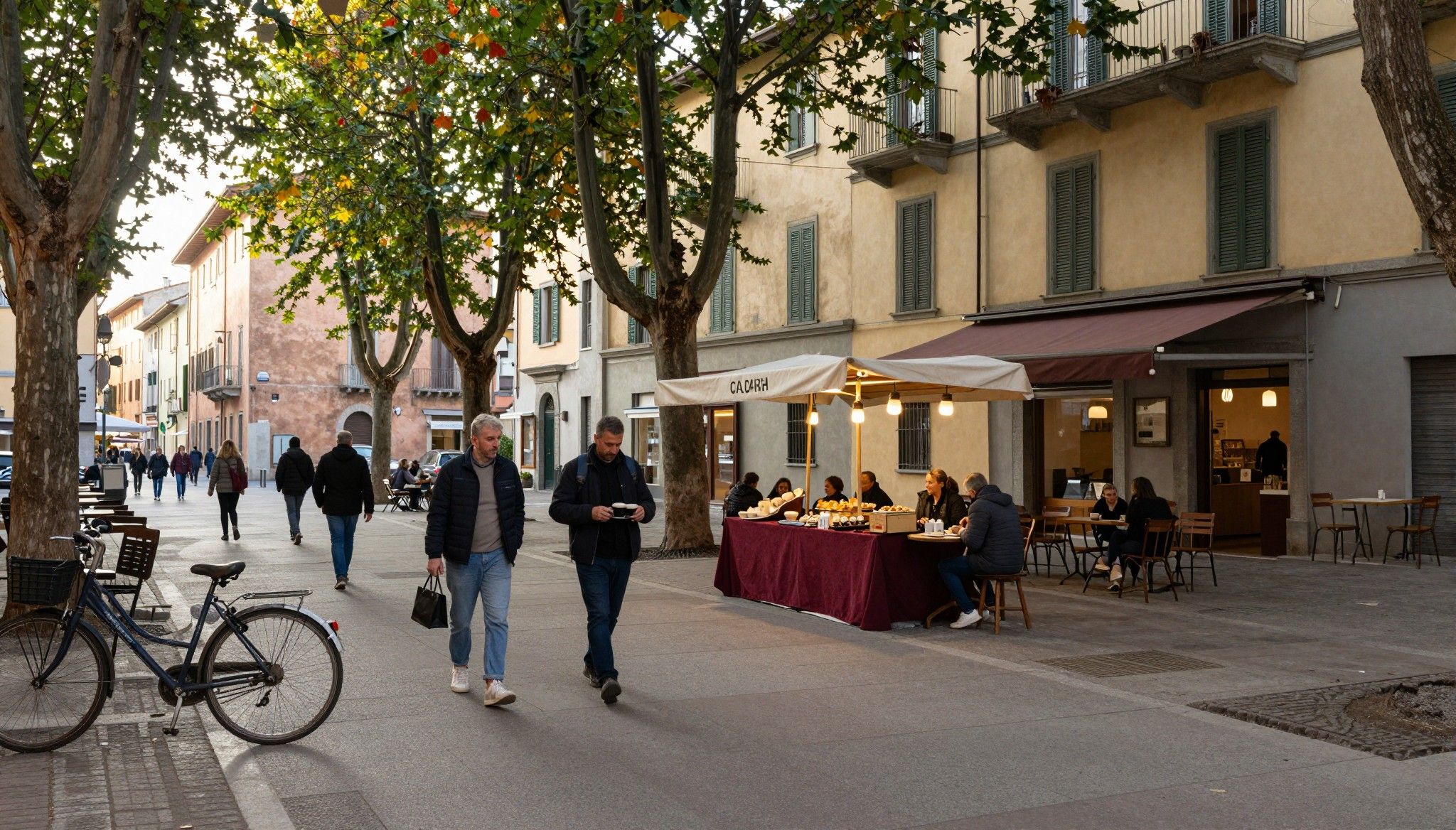
Walk five minutes from Marsaxlokk’s market and you find narrow lanes, low-rise houses with vaulted ceilings, and a morning rhythm that feels genuinely local. Mellieħa offers sweeping beaches and a slower tempo; Rabat and Mdina provide a pastoral hinterland and stone houses with provenance. These are the places many Maltese families have kept across generations—properties with craftsmanship and agile potential for restoration, and often better value than seaside addresses. The trade-off is quieter evenings and fewer international cafés, not less authenticity.
Morning markets in Marsaxlokk; a terrace espresso in Gżira; limestone arcades in Mdina; sunset swims at Golden Bay; a neighbourhood festa in a small parish square.
Making the move: practical considerations
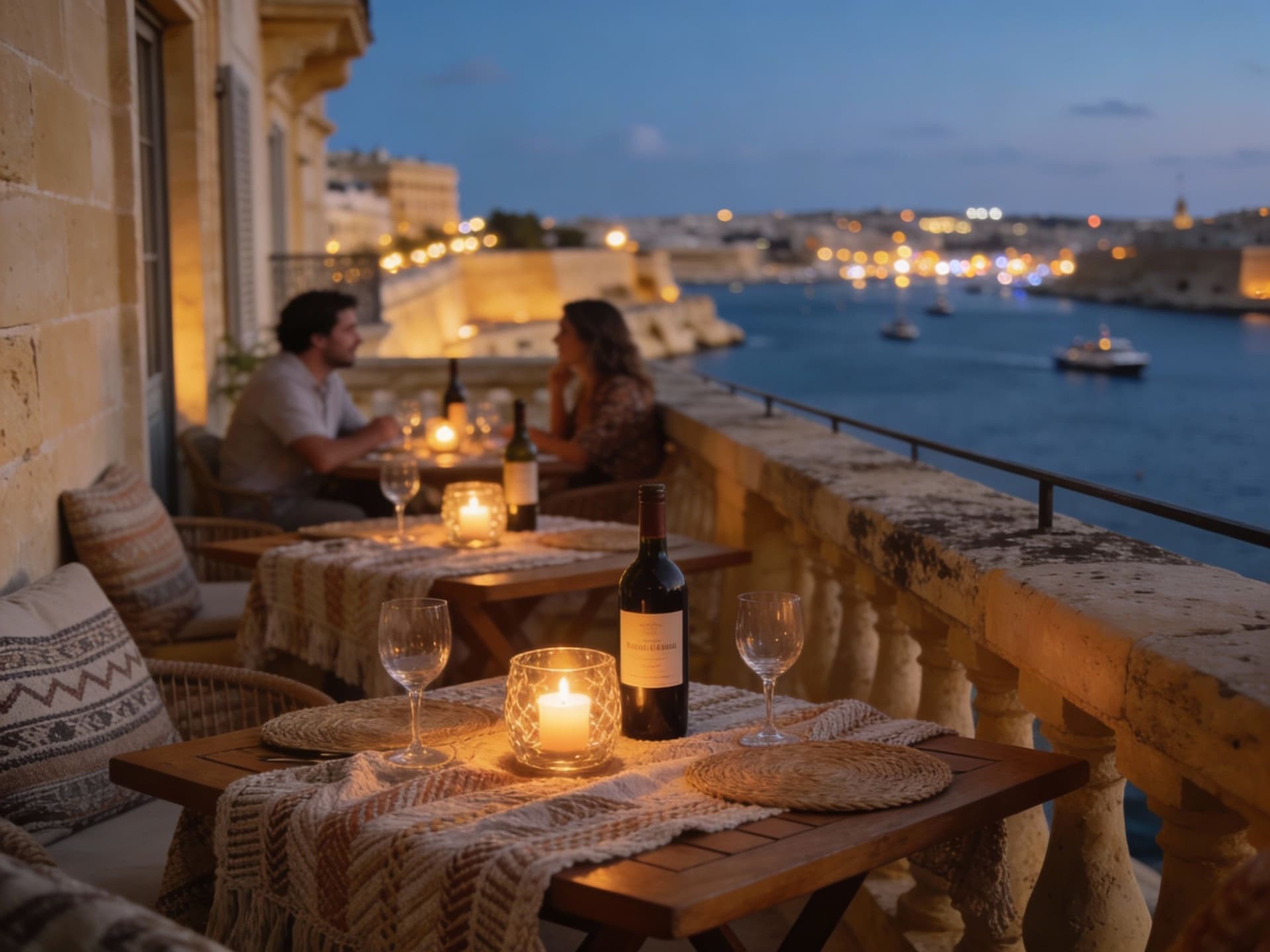
Romance must sit beside realism. Recent rulings and evolving policy around residency and citizenship have reshaped expectations for buyers who came seeking fast-track residency through investment. While Malta remains welcoming and English is an official language, the regulatory landscape has changed enough that buyers should anticipate longer timelines for any residency-related plans and rely on up-to-date legal counsel. citeturn0news12
Property types and what they mean for daily life
Choose a maisonette for light, outdoor terraces and traditional room sequencing; a Valletta townhouse for heritage features such as timber lintels and stone vaults; or a modern apartment in Sliema for concierge-style living and easier rentals. Each typology defines how you’ll live: restoration demands patience and specialist trades, newer builds promise immediate convenience but sometimes at the cost of character. Consider maintenance of limestone façades, internal humidity control, and the value of original joinery when assessing price versus lived quality. cite
How local experts preserve the lifestyle you want
Work with an agent who understands parish rhythms, festival seasons and the trades needed for traditional restoration.
Ask an architect or surveyor experienced with Maltese limestone and vaulted structures before committing to a purchase.
Factor in seasonal rental dynamics if you plan short-term lets; demand concentrates around summer months but steady long-term rentals exist in university towns and business hubs.
Prioritise agencies who can introduce off-market or family-inherited properties—these often carry the provenance and craftsmanship prized by discerning buyers.
Insider knowledge: what expats wish they’d known
The most useful advice from people who have made the move is practical and small: learn the cadence of festa season, accept that many shops close mid-afternoon, and make the first year about listening—neighbours, parish priests and a trusted builder will teach you the island’s unspoken rules. Integration here is local and neighbourly rather than institutional.
Language, community and daily rituals
Maltese and English coexist in cafés, schools and professional life. Social life is organised around churches, clubs and small businesses; a genuine neighbour can be the fastest route to reliable tradespeople and local counsel. For families, international schools cluster around towns with strong expat communities; for professionals, coworking hubs in Pietà and Sliema offer connectivity without sacrificing the island’s slower rhythms. cite
Longer view: stewardship and value
Think like a custodian. Properties that respect local materiality and demonstrate careful restoration tend to hold value. The investor seeking both lifestyle and legacy will favour townhouses and houses of character that allow sensitive adaptation rather than wholesale replacement. That approach preserves provenance and often yields better long-term satisfaction.
Choose neighbourhoods where everyday life matches your priorities: quiet parish squares for slow living; Sliema for daily conveniences; Mellieħa or Gozo for beach-focused families; Pietà and Ta' Xbiex for waterside calm with easy access to Valletta.
Seek properties with documented maintenance and original features—timber beams, Maltese limestone masonry, and preserved internal plasterwork demonstrate both quality and future cost predictability.
Budget for restoration specialists and humidity control; the island’s marine climate rewards thoughtful building science.
Use an agency that can disclose parish-by-parish insights, off-market opportunities and introduce you to local architects and notaries who specialise in cross-border purchases.
If Malta feels like the life you imagine, the practical steps are straightforward but require the right partners. Start with a short immersive visit timed to a local festa or market day, walk streets at different hours, meet a local architect and your chosen agent, and ask to see a property’s maintenance history before offers are made. For the buyer who cares about provenance and daily quality, this method reveals more than any price-per-square-metre statistic.
Malta offers a life composed of small, generous rituals—neighbourly dinners, layered history, a coast that belongs to everyone. For international buyers seeking a durable, sensible investment in a place that feels like home, the smartest purchases are those that prioritise lived quality over headline views. Speak to a local agent who thinks in terms of parish and provenance rather than only price; they will show you where locals buy, and why those streets matter.
Dutch former researcher who moved to Lisbon, specialising in investment strategy, heritage preservation, and cross-border portfolio stewardship.