Malta: Streets, Stewardship & Seasonal Realities
Malta’s compact neighbourhoods convert lifestyle desirability into rising prices. Visit off‑season, prioritise heritage stewardship, and work with local advisers who understand street‑level life.
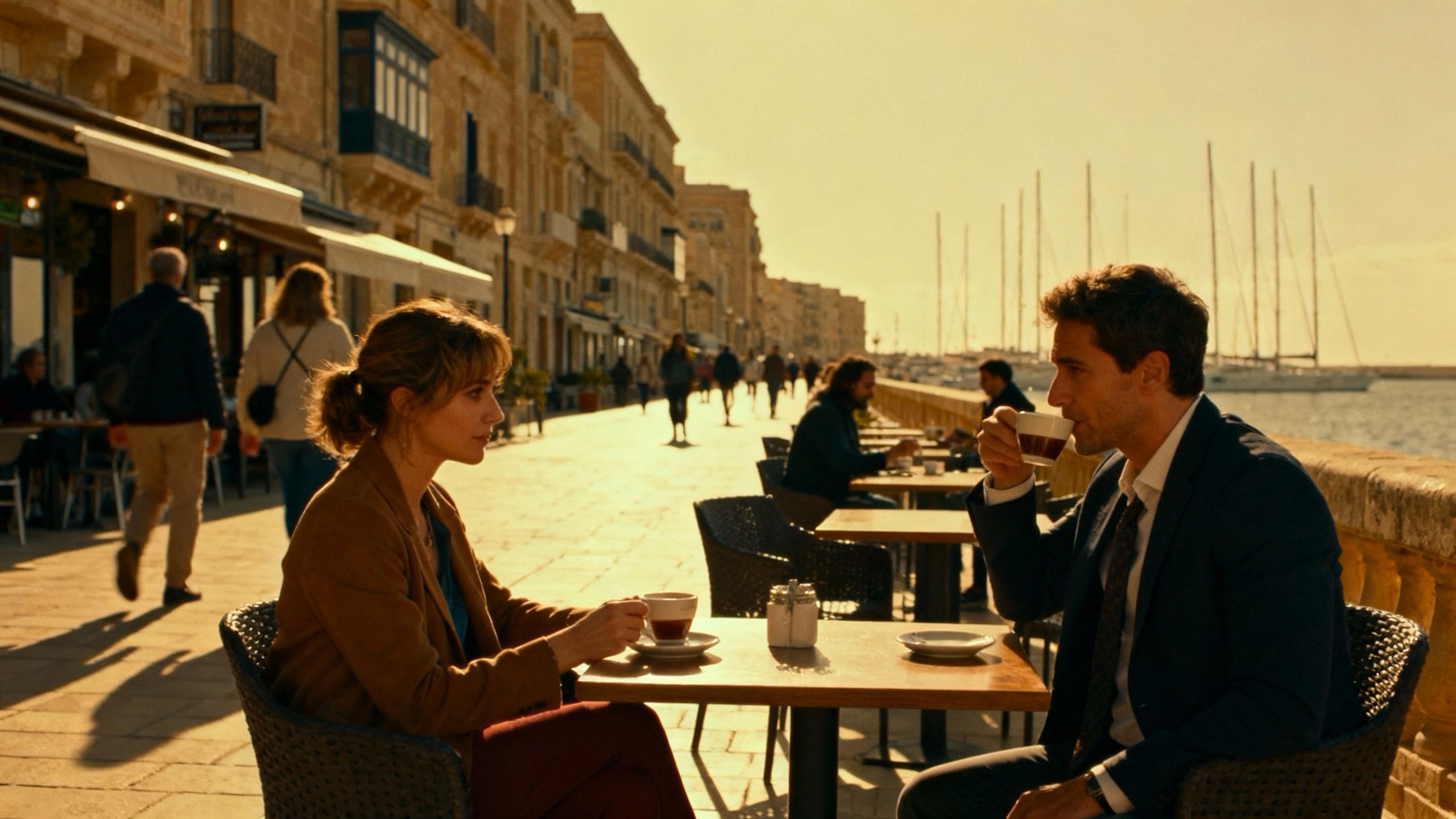
Imagine a late‑afternoon espresso at Café Cordina in Valletta, the light catching limestone façades while fishermen haul nets at Marsaxlokk in the distance. Malta’s compact scale means a bay, a baroque piazza and a modern marina can sit within a thirty‑minute drive, and that compressed geography shapes daily life and the way property is bought, sold and stewarded.
Living Malta: rhythm, neighbourhoods, and weather

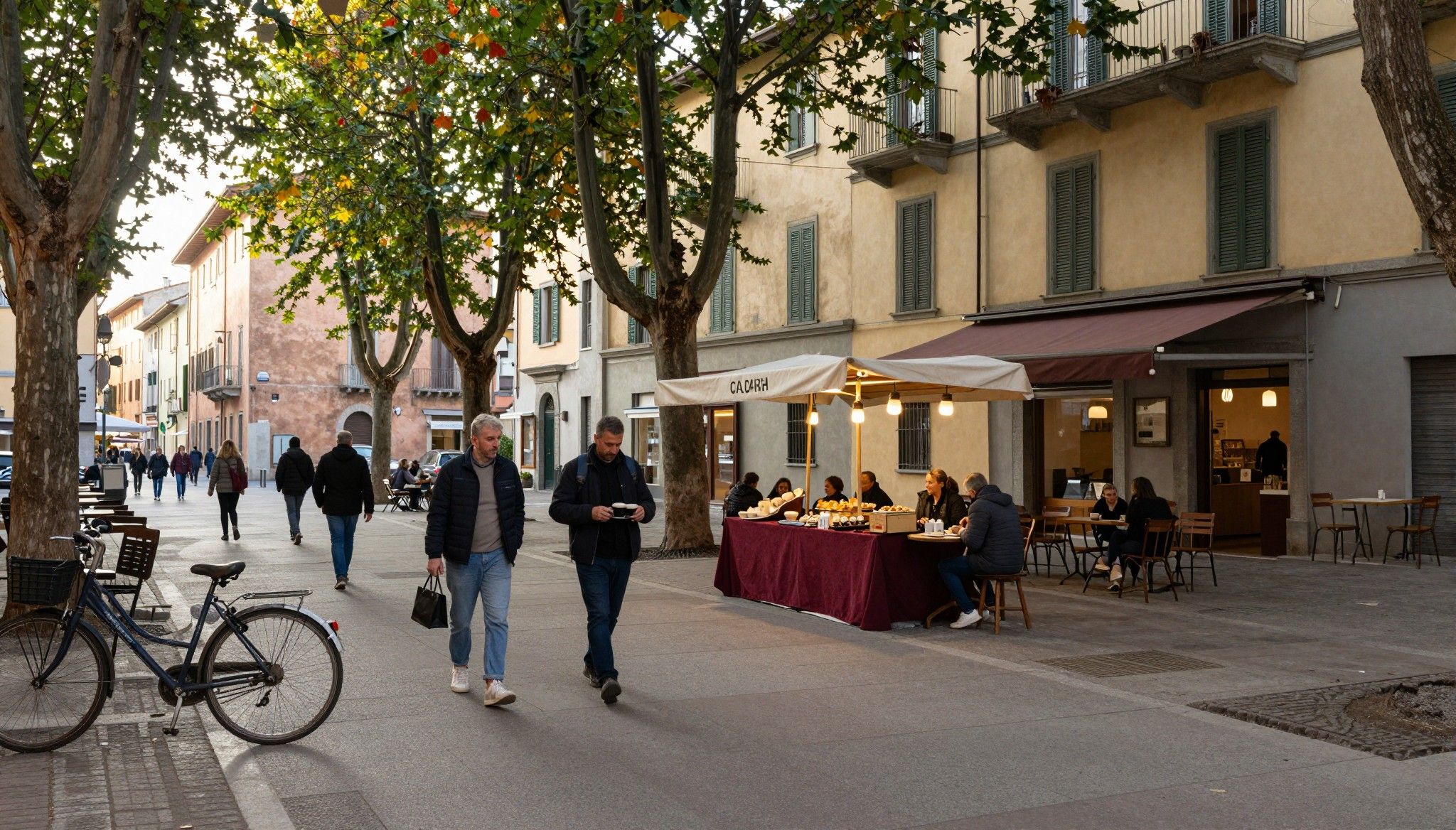
Daily life on the islands is modal: morning markets, a long lunch in summer, and evenings that gather around small squares. The National Statistics Office shows residential prices still rising — a reminder that lifestyle desirability translates quickly into market momentum. For a buyer, that means neighbourhood choice is both a taste decision and a risk allocation exercise. Knowing which streets will retain atmosphere and which will become transient rentals matters.
Valletta and the Three Cities: provenance and provenance‑wear
Valletta’s grid of salons and merchants’ houses rewards a resident who values architectural provenance: carved stone lintels, austere palazzetti, and window balconies named 'gallarija'. Across the Grand Harbour, Birgu and Senglea offer intimate streets where maritime heritage governs scale. These are the places where restoration returns tangible patrimony — and where buyers should expect detailed conservation conditions.
Sliema, St Julian’s and the northern strip: movement and amenity
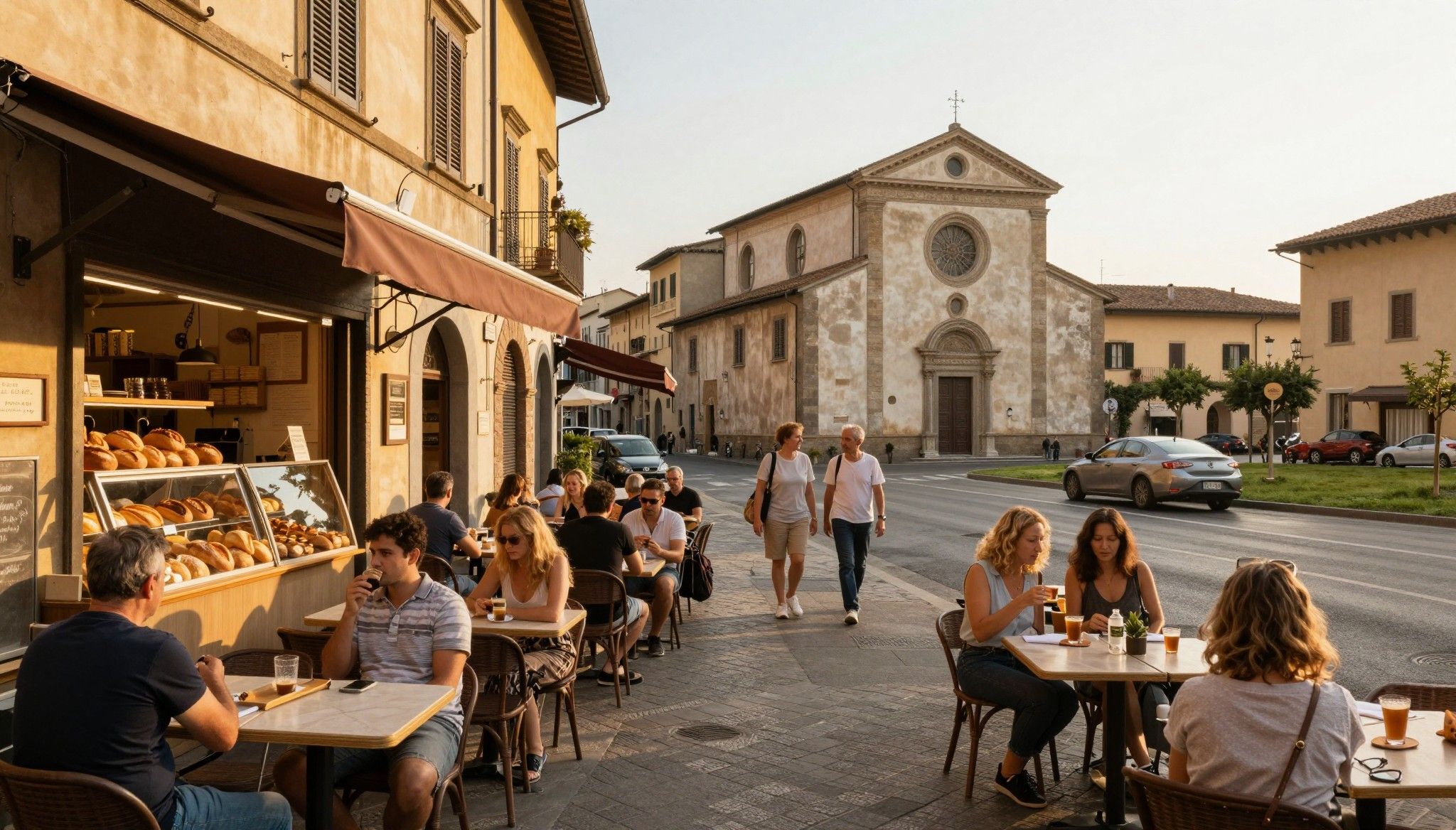
If you prize cafés, front‑line promenades and the convenience of international schools and services, Sliema and St Julian’s answer quickly. They are energetic, densified with modern apartments and yet punctuated by nineteenth‑century terrace housing. Expect a lifestyle that is urban and service‑rich — with the trade‑off of higher per‑square‑metre figures and a less ‘village’ pace.
Northern villages and Gozo: space, coast and a different tempo
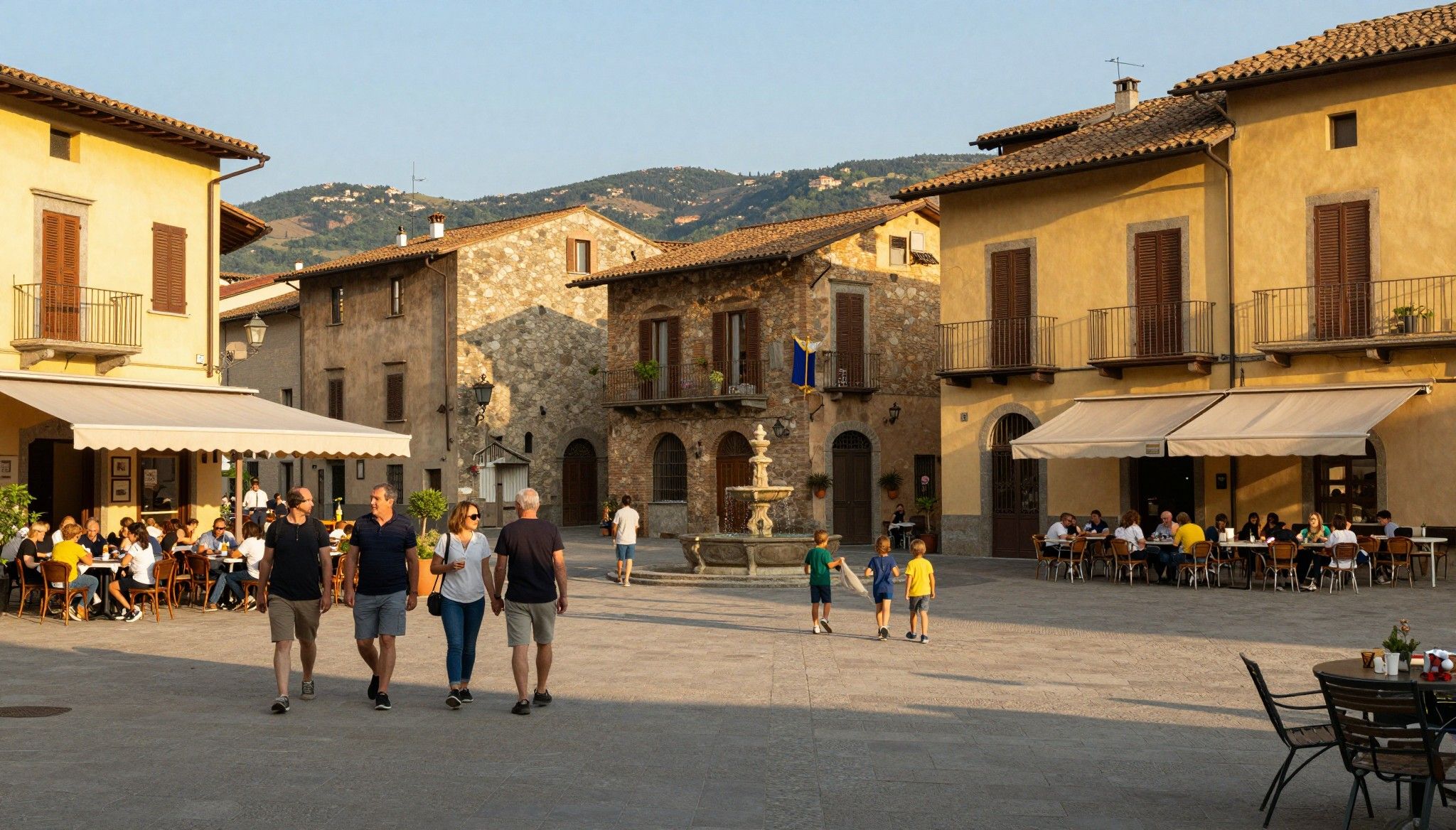
Northwards — Mellieħa, Għajn Tuffieħa, and Gozo’s towns — life becomes anchored by sea and season. Properties here favour terraces, gardens and a stronger indoor‑outdoor relationship. For families seeking schools and space, or for those who value quiet mornings and deserted coves in winter, these districts will feel more generational than ephemeral.
- Lifestyle highlights: Café Cordina in Valletta; the promenade cafés of Sliema; dinner at Marsaxlokk’s waterfront; Sunday market at Three Cities; early swims at Ġnejna Bay; Gozo’s Ramla Bay for weekend retreat.
Making the move: how property types shape daily life
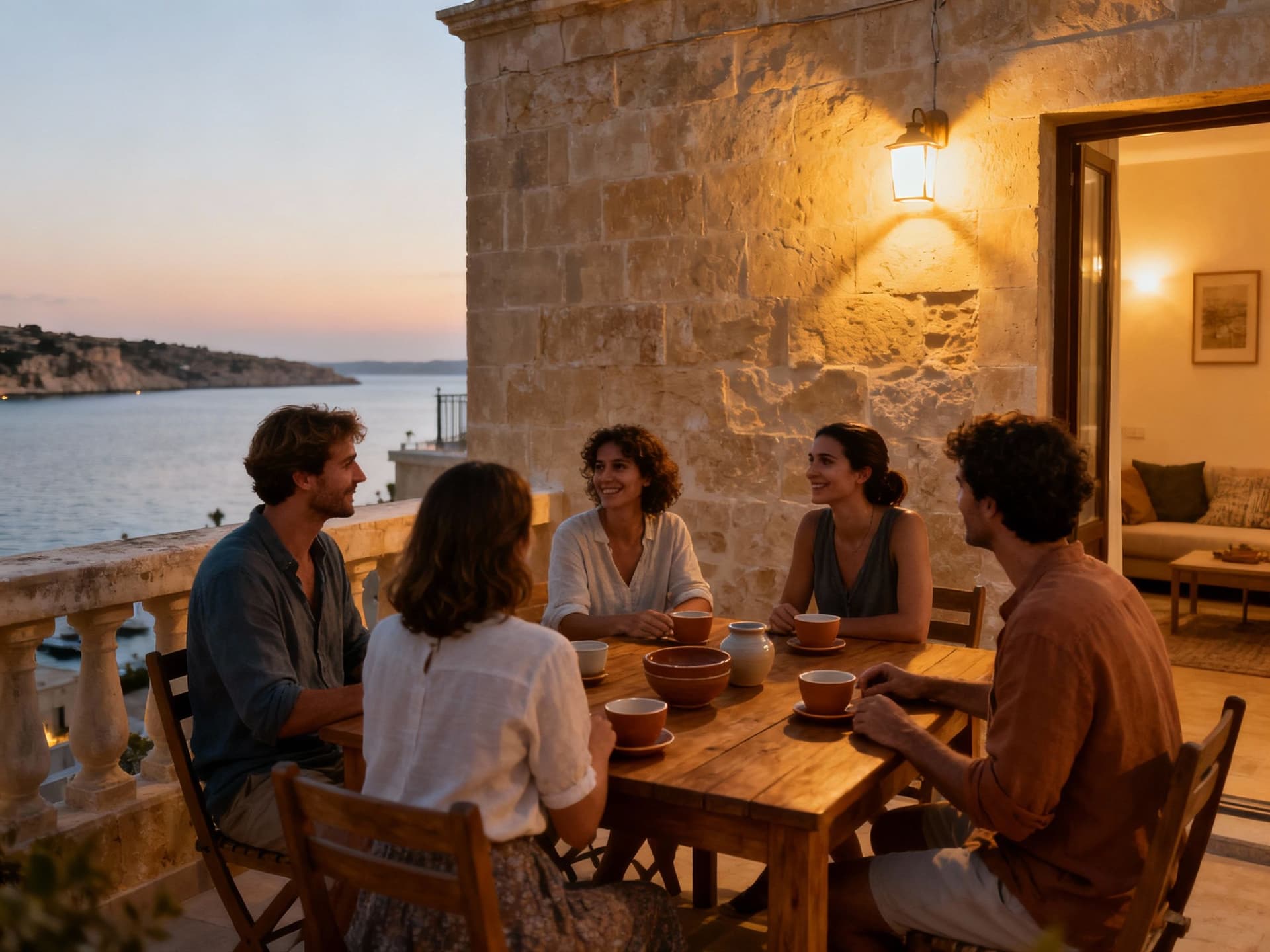
Malta’s RPPI shows apartments and maisonettes driving recent gains. That observation matters beyond headline numbers: apartments deliver proximity and amenity, maisonettes and terraced houses deliver private outdoor rooms and a stronger link to street life. Your preferred property type will determine the weekday rhythms you buy into — whether mornings spent on a balcony over Spinola Bay or afternoons in a courtyard shared with neighbours.
Apartment living: convenience, management and yield realities
A modern apartment in Sliema or St Julian’s can read as turnkey lifestyle: concierge services, proximity to cafés and a short walk to the sea. Yet higher strata fees, management regimes and the local appetite for short‑term lets can alter both cash flow and community character. Ask for recent service charge accounts and the building’s short‑let policy before assuming an apartment’s convenience is free of compromise.
Maisonettes, townhouses and farmhouses: craft, privacy and stewardship
Restored maisonettes and country farmhouses reward buyers who care for material continuity: Maltese limestone, traditional timber balconies, and artisan tilework. These homes often carry conservation obligations and require specialist contractors; they are less liquid but offer a deeper, place‑specific life. Factor in maintenance cycles and the scarcity premium that comes with authentic restoration.
- Steps to align lifestyle with property: 1) Visit at different times of year to feel seasonal pulse; 2) Prioritise walkable routes to daily favourites; 3) Confirm strata and short‑let rules; 4) Budget for specialist restoration if buying heritage fabric; 5) Meet a local agent who knows the street, not just the suburb.
Insider knowledge: what expats learn too late
Expat lessons are practical and cultural. The end of investor passport programmes has changed the buyer mix and reduced some speculative demand, but local buyers and long‑term residents still drive neighbourhood character. Expats who integrate — learning basic Maltese phrases, frequenting the same market stall, volunteering at a festa — find their social life and property value both deepen.
Language, customs and social codes
English is widely understood, which eases practicalities, but Maltese social life still orbits family, church and village festa rhythms. Accepting modest desecrations — a street closed for a procession, a late dinner hour — will smooth your integration and inform which neighbourhoods feel hospitable across seasons.
Seasonality and the fallacy of the summer visit
Many buyers visit in July and mistake tourist energy for resident life. Winters reveal quieter streets, different trading hours and a clearer sense of community. For a measured acquisition, visit in November or March and ask local shopkeepers how the street breathes outside high season.
- Expat red flags to watch: unclear service charge histories; poorly documented renovations; buildings with a high short‑let turnover; conservation restrictions unnoticed at purchase; and streets that feel vibrant in summer but deserted in winter.
Working with an agency that puts place first
Choose advisers who can articulate both the immediate pleasures of a street and the obligations of ownership: a lawyer versed in Maltese conveyancing, an architect familiar with limestone repair, and an agent who knows which cafés fill with neighbours year‑round. Their local knowledge preserves the lifestyle you imagined when you first fell in love with Malta.
- Practical next steps: 1) Spend a long weekend exploring Valletta, Sliema and a northern village in different seasons; 2) Request RPPI and recent transaction data for target streets; 3) Commission an independent building survey; 4) Introduce yourself to local neighbours and shopkeepers; 5) Engage a local team before making an offer.
Malta rewards a particular kind of stewardship: those who buy into a street and its history, who repair rather than replace, and who accept seasonal rhythms as part of the bargain. When lifestyle and due diligence are held together with care, a Maltese residence becomes more than an asset: it becomes the daily theatre of a life well lived.
Having moved from Stockholm to Marbella in 2018, I help Scandinavian buyers navigate Spanish property law, restoration quality, and value through authentic provenance.