Beyond Seafront Glamour: Malta Neighbourhoods with Quiet Value
Discover Malta’s understated neighbourhoods where authentic daily life outweighs seafront glamour; official data show modest annual price rises, revealing pockets of long‑term value.
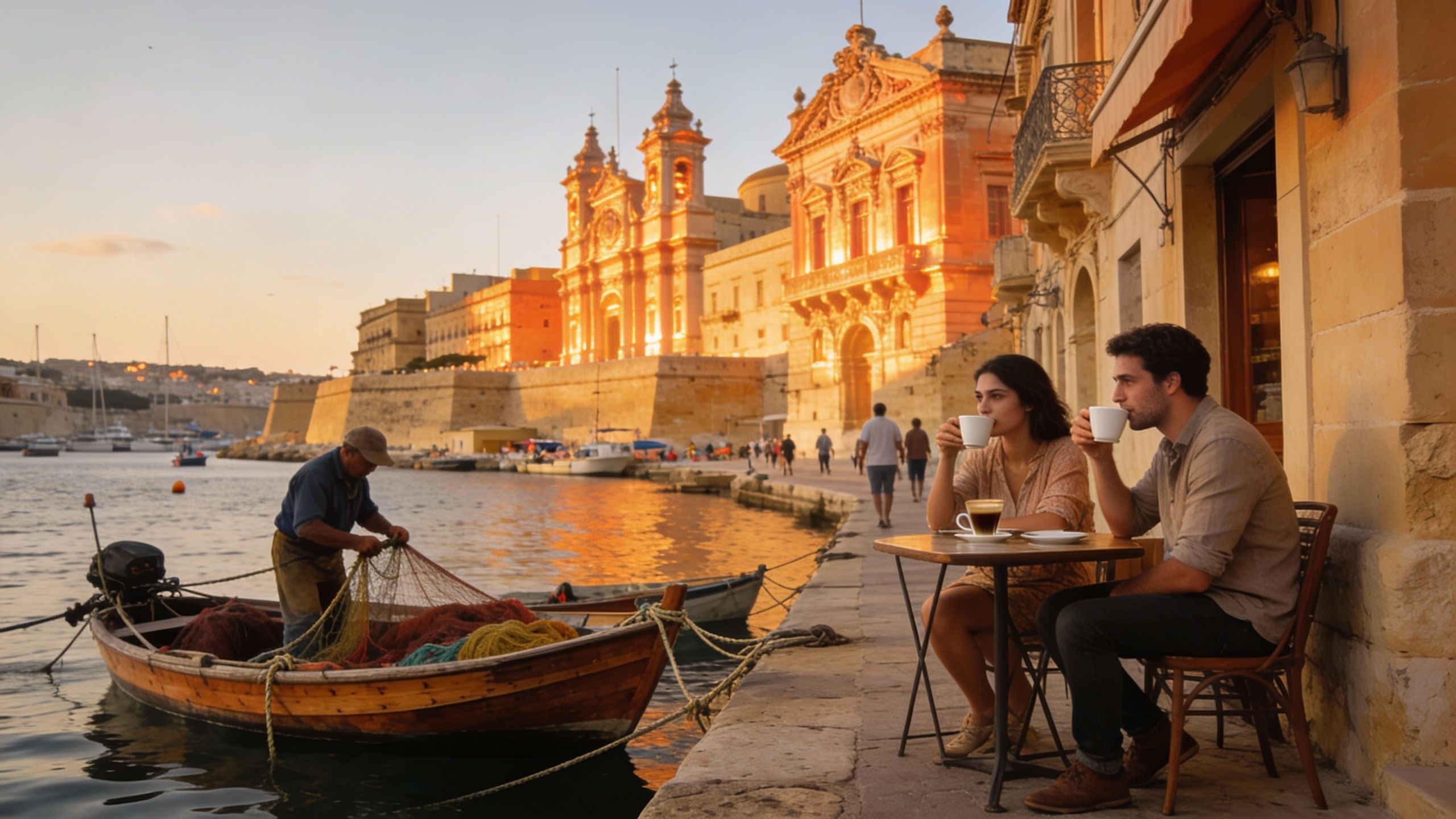
Imagine stepping out at dawn onto a limestone street in Senglea, the harbour glassy, a baker’s van turning at the corner and a pair of elderly men setting up chess beneath a linen awning. That intimacy — narrow streets that open to a piazza, cafes that recognise you, and a sea that is never far — is Malta’s daily music. For many international buyers the island’s magnetism is immediate: walkable historic cores, year-round light, and a Mediterranean tempo that reshapes how days are spent. But desire must meet discernment: modest price differentials mask meaningful trade-offs in neighbourhood character, long-term stewardship and permitted ownership for non-residents.
Living the Malta life
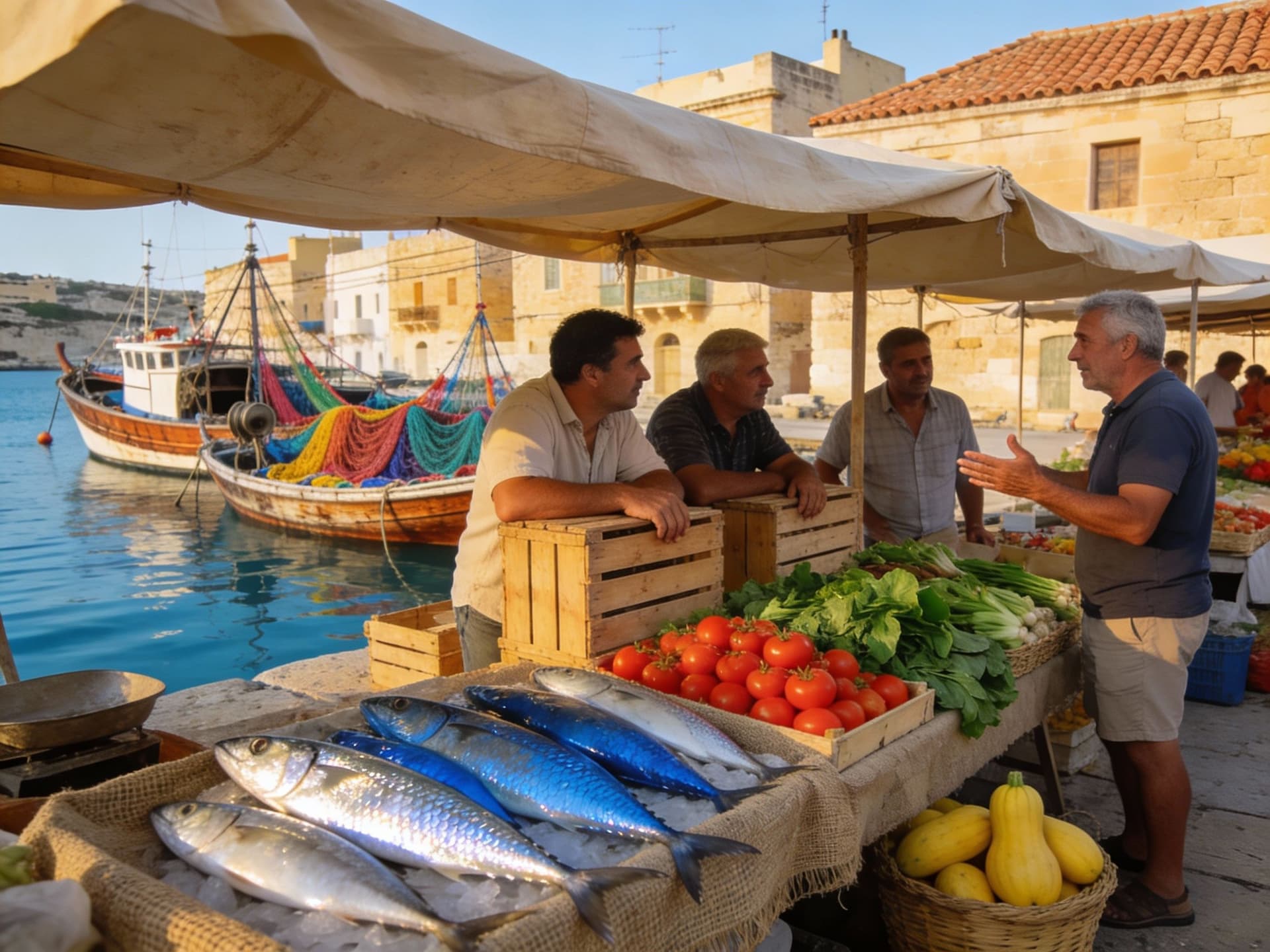
Malta compresses an entire lifestyle into a handful of kilometres: mornings at Valletta’s coffee bars, afternoons on stretched pebble coves in St Julian’s or pretty, quiet evenings in restored townhouses of Mdina. The island’s rhythm shifts with the seasons — carnival and village festas in winter and spring, a gentler, more private summer for residents who retreat to lesser-known bays such as Ghar Lapsi. English is widely spoken and expat enclaves are dispersed rather than isolated, which means integration is practical but requires an active will to join community life. Expect a blend of Mediterranean sociability and discreet domestic life where neighbourhood reputation matters as much as the property itself.
Valletta, harbour towns and the everyday
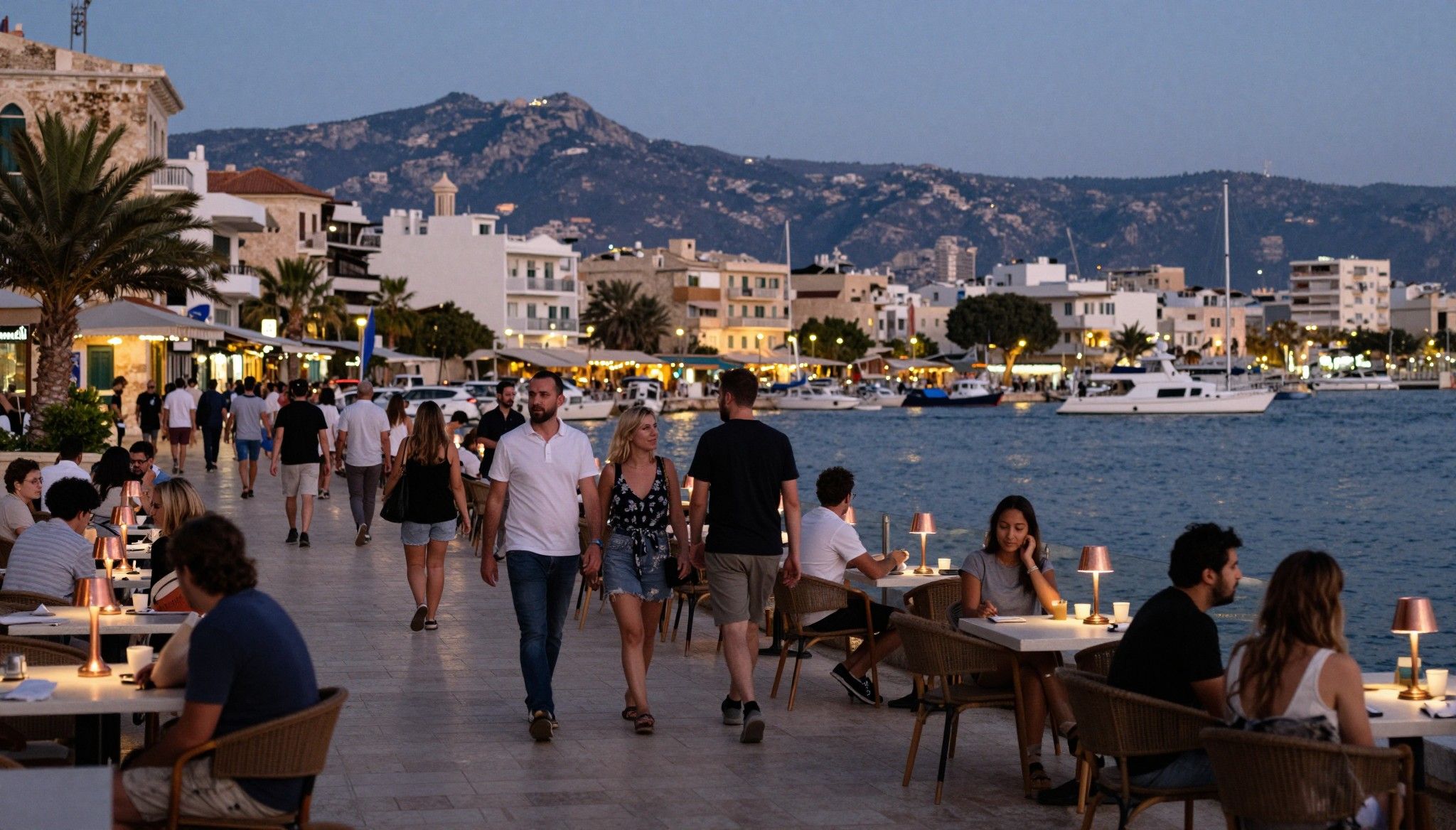
Valletta remains a study in elegant density: baroque facades, pocket gardens, and a civic seriousness that rewards restored limestone residences with enduring appeal. By contrast, Sliema and St Julian’s answer a different brief — modern penthouses and seafront promenades with an urban, cosmopolitan tempo. Then there are the Three Cities — Vittoriosa, Senglea and Cospicua — where restored townhouses sit beside working marinas and local markets; these are quieter, often more affordable, and prized by buyers who favour provenance over promenade views. Each place offers a distinct pattern of daily life; choosing among them is less a question of aesthetics than of how you want to spend ordinary mornings and long evenings.
Food, ritual and the island calendar
A day in Malta is punctuated by seasonal tastes: mercado mornings in Marsaxlokk, pastizzi at a corner shop, and evening tafal (slow-cooked stews) at family-run restaurants. Village festas in summer are not mere spectacles but communal rituals — fireworks, brass bands and lantern-lit streets where neighbours gather on stoops. For buyers, proximity to weekly markets or a favoured trattoria matters: it defines the social life and the ease with which you inhabit a neighbourhood. These seemingly small choices — deli within a five‑minute walk, a favourite terrace for winter sun — shape the lived value of a property over a decade.
Making the move: practical considerations
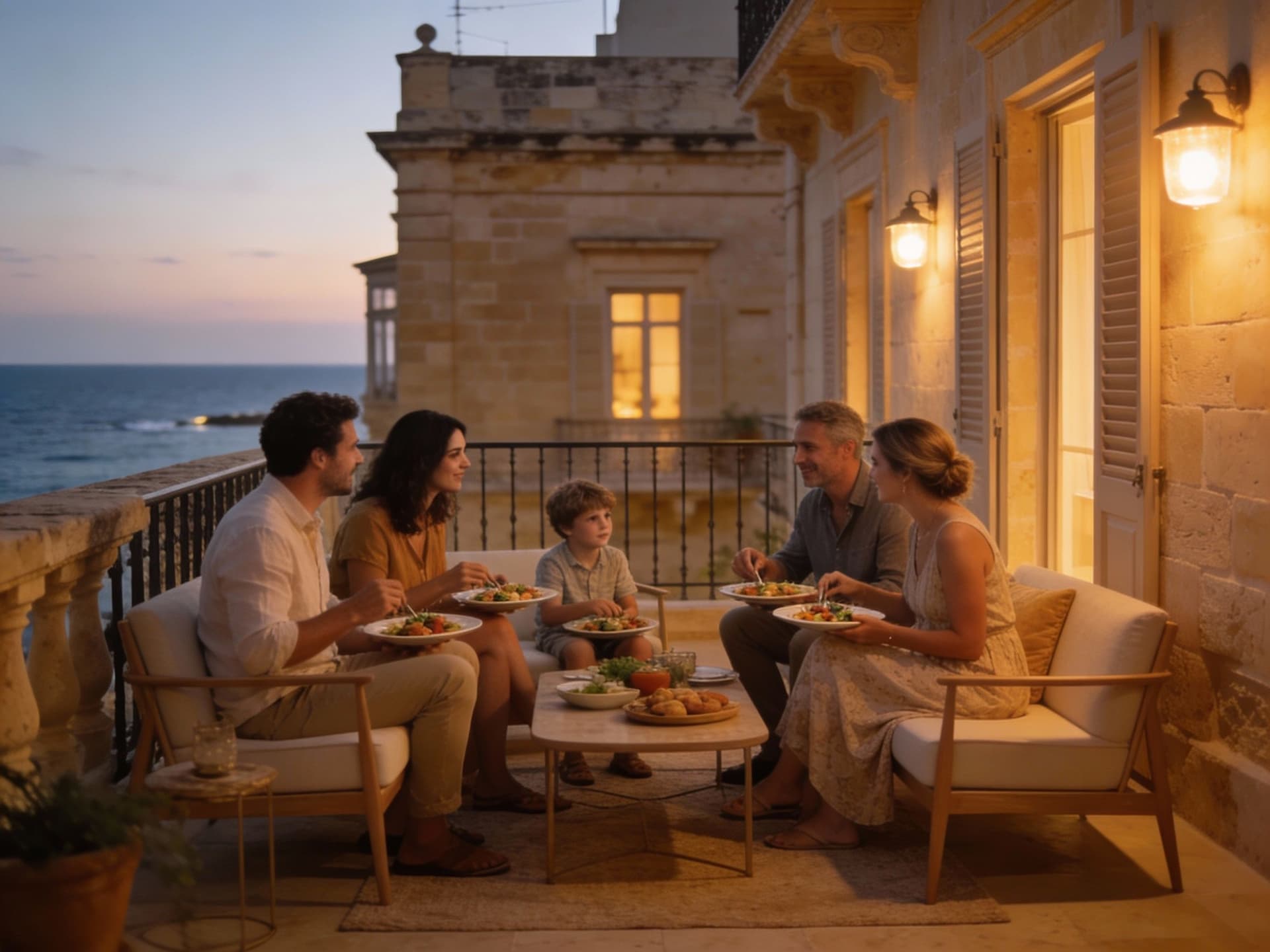
The lifestyle promise is inseparable from local rules and market reality. Malta permits EU citizens broader freedom to acquire property after periods of residence, while non‑EU nationals typically require an AIP permit and are commonly limited to a single property unless they purchase within a Special Designated Area. Such rules affect not only eligibility but resale strategy and pool of renters should you consider letting the home. Work with advisors who can translate these statutory contours into a realistic acquisition plan that respects both lifestyle aims and legal constraints.
Property types and how they shape life
A restored townhouse in Mdina yields courtyards and a sense of withdrawal from the seaside bustle; a maisonette in Sliema hands you coastal promenades and easy ferry links to Valletta; a contemporary penthouse on the Sliema waterfront offers light, terraces and maintenance simplicity but trades historic fabric for modern convenience. Think less in square metres and more in routines: will you prefer morning walks along the promenade, or quiet afternoons in a shaded courtyard? That practical preference should determine whether you prioritise terraces, insulation from coastal humidity, or proximity to local services and schools.
How a local agency helps realise the lifestyle
An experienced local agency does more than show properties: it introduces you to the precise streets where neighbours still gather for espresso, explains which façades were restored with original limestone tooling, and flags municipal plans that will alter light or traffic. For international buyers this local intelligence reduces surprises — from unexpected permit delays to nuisances such as noise on festa nights — and ensures the property supports the life you envisage. Choose partners who combine architectural sensitivity with legal and market fluency.
Insider knowledge: what expats wish they’d known
Long‑time residents will tell you that small details matter: orientation to the sun for winter warmth, how a balcony door handles coastal salt, and whether the neighbouring unit is student-let or a multi‑generational family. Recent official data show the Residential Property Price Index rose by approximately 5% year‑on‑year, a reminder that pockets of value exist beneath headline increases and that timing remains a tactical decision. Expect maintenance demands in older buildings and prioritise properties restored with traditional lime mortars and breathable finishes to protect authenticity and reduce long‑term intervention.
Cultural integration and daily belonging
Integration in Malta is practical and gradual: English will carry you, but invitations to family suppers, festa committees or bocci matches open the deeper social world. Respect for local routines — early Sunday masses in village squares, market rhythms, and a preference for discreet privacy — smooths transitions more than any glossy brochure. If you are planning to live long‑term, seek neighbourhoods where you can join a local association or volunteer; those ties are the best hedge against transient comfort and the surest route to real belonging.
Long‑term lifestyle considerations
• Proximity to day‑to‑day services: pharmacies, grocers and a post office matter more than once‑a‑season views. • Climatic adaptation: look for shutters, cross‑ventilation and restored lime finishes to temper humidity. • Community stability: properties in family‑held streets tend to hold character and avoid speculative churn. • Heritage care: restoration with traditional craftsmen preserves value and reduces invasive future works. • Transport connectivity: ferry links and arterial roads change how you use time, not merely how you travel. • Permit exposure: AIP restrictions can affect resale options — choose locations or property categories that align with your long‑term plan.
A practical next step
Visit at different times of year: a November morning in the Three Cities reveals the patient rhythms of neighbourhood life that a July viewing cannot. Commission a local architect or surveyor immediately after offer to assess fabric, moisture and authentic restoration work. Finally, engage an agency that can weave lifestyle preferences into permit navigation and reveal off‑market townhouses where provenance and price align — that is where Malta’s true opportunities exist.
Conclusion: Malta rewards those who buy with an eye for provenance and patience. The island’s compactness magnifies small choices into lifelong benefits; a quiet street in Senglea may offer more enduring pleasure than a headline seafront address. Begin with neighbourhood life before you sign deeds, prioritise fabric over flash, and let a thoughtful local partner steward both the purchase and the life you seek here.
Having moved from Stockholm to Marbella in 2018, I help Scandinavian buyers navigate Spanish property law, restoration quality, and value through authentic provenance.