How Italy’s Neighbourhood Rhythms Really Shape Value
How city piazzas, coastal terraces and regional rhythms shape value in Italy — practical market signals and neighbourhood rules for discerning buyers.
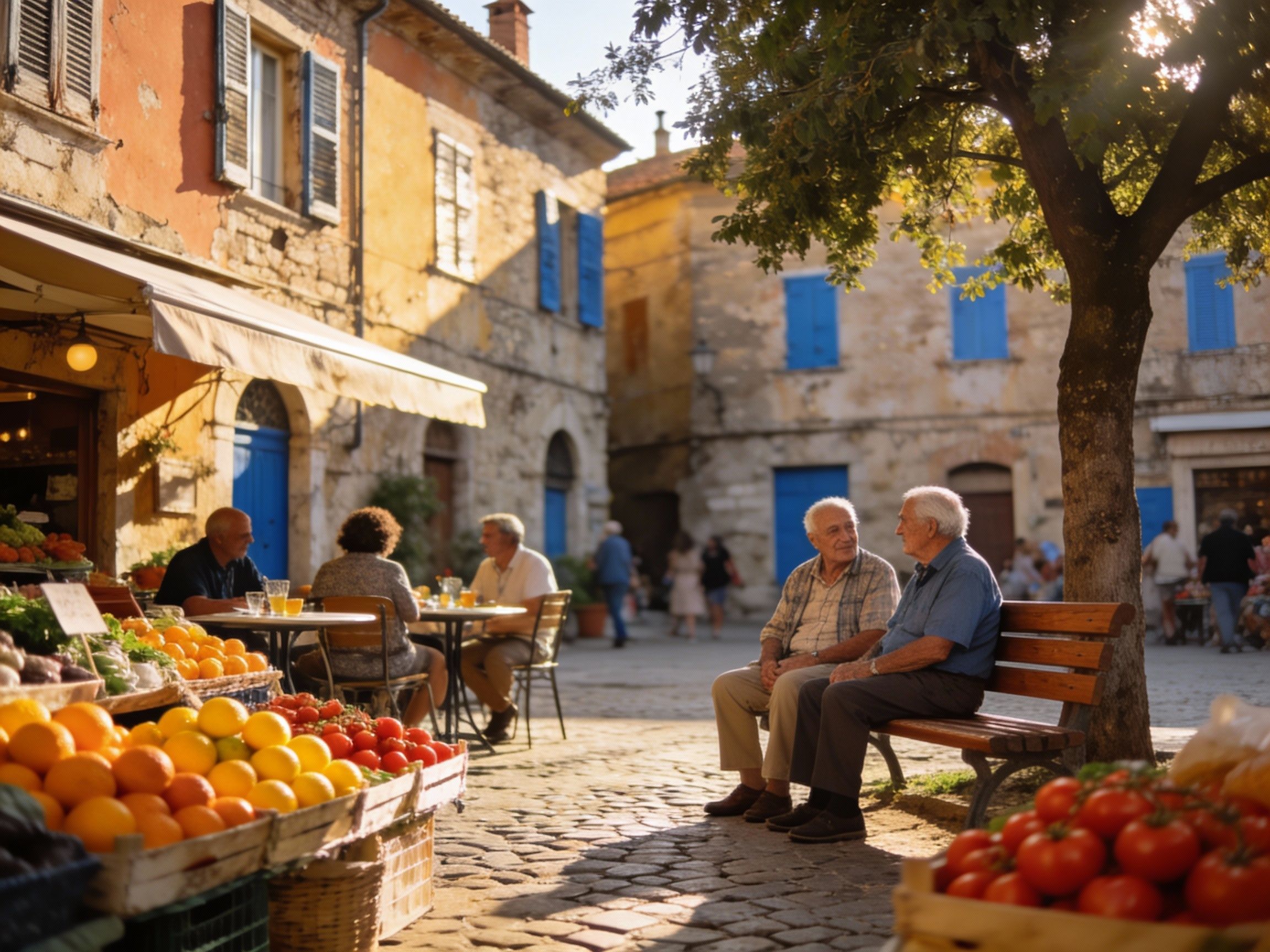
Imagine a morning in Italy: a narrow street in Trastevere where espresso steam fogs a cafe window, linen-clad locals cycle past a piazza market, and a restored stone palazzo opens its tall shutters to the light. This is not a postcard; it is the everyday rhythm that draws buyers from New York to Sydney — and it determines where you should look and when.
Living the Italy lifestyle
Italy’s daily life is inseparable from place: Milan hums with design studios and refined aperitivo rituals; Florence keeps measured afternoons among palazzi and ateliers; the Amalfi Coast offers the slow choreography of terraces and lemon groves. These lifestyles map directly onto price and demand — Milan and Florence command the highest per‑m² values, while inland towns offer space and provenance at a softer figure. Recent market data show steady, regionally varied price growth that reflects these lifestyle premiums.
City pulse: Rome, Milan, Florence
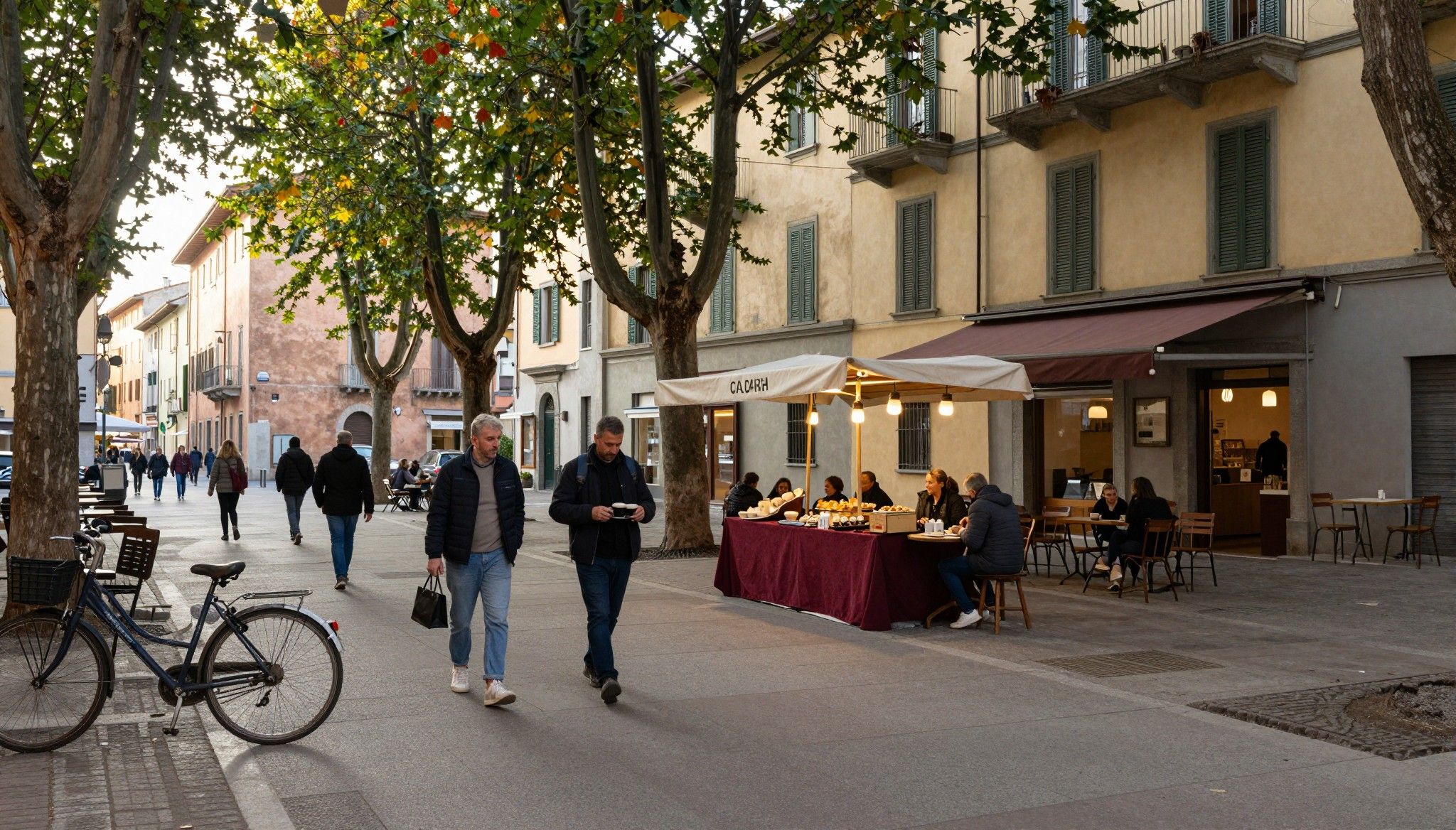
Streets define mood. In Milan, Brera and Porta Nuova signal contemporary taste and walkable commerce; in Rome, Monti and Prati offer a quieter, historic intimacy with easier renovation potential; in Florence, the Oltrarno preserves artisan life and narrow lanes that suit a restored palazzo more than a new build. Investors are noting a redistribution of interest from Milan towards Rome as public investment and renovation projects shift the market balance.
Coast, hills and village life
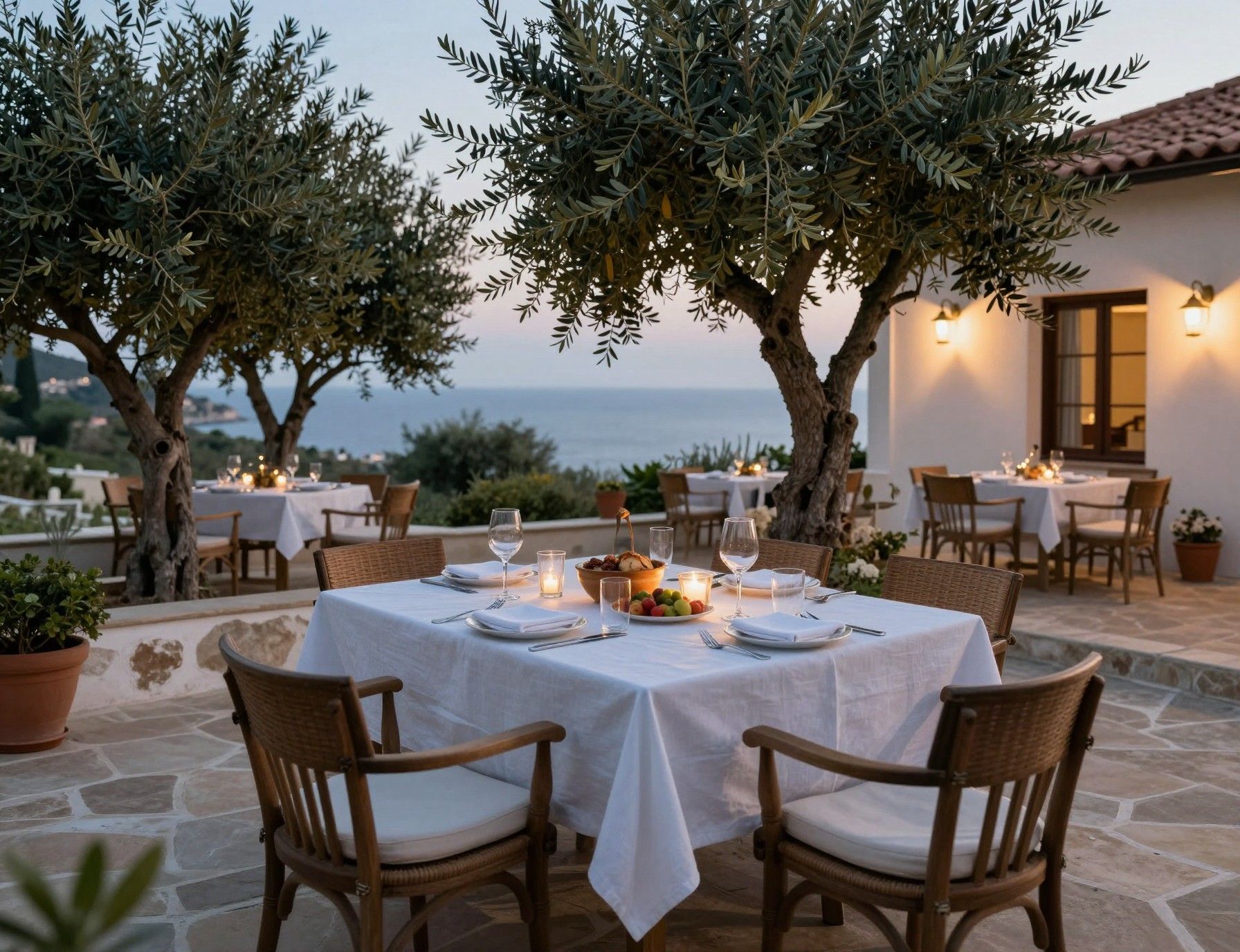
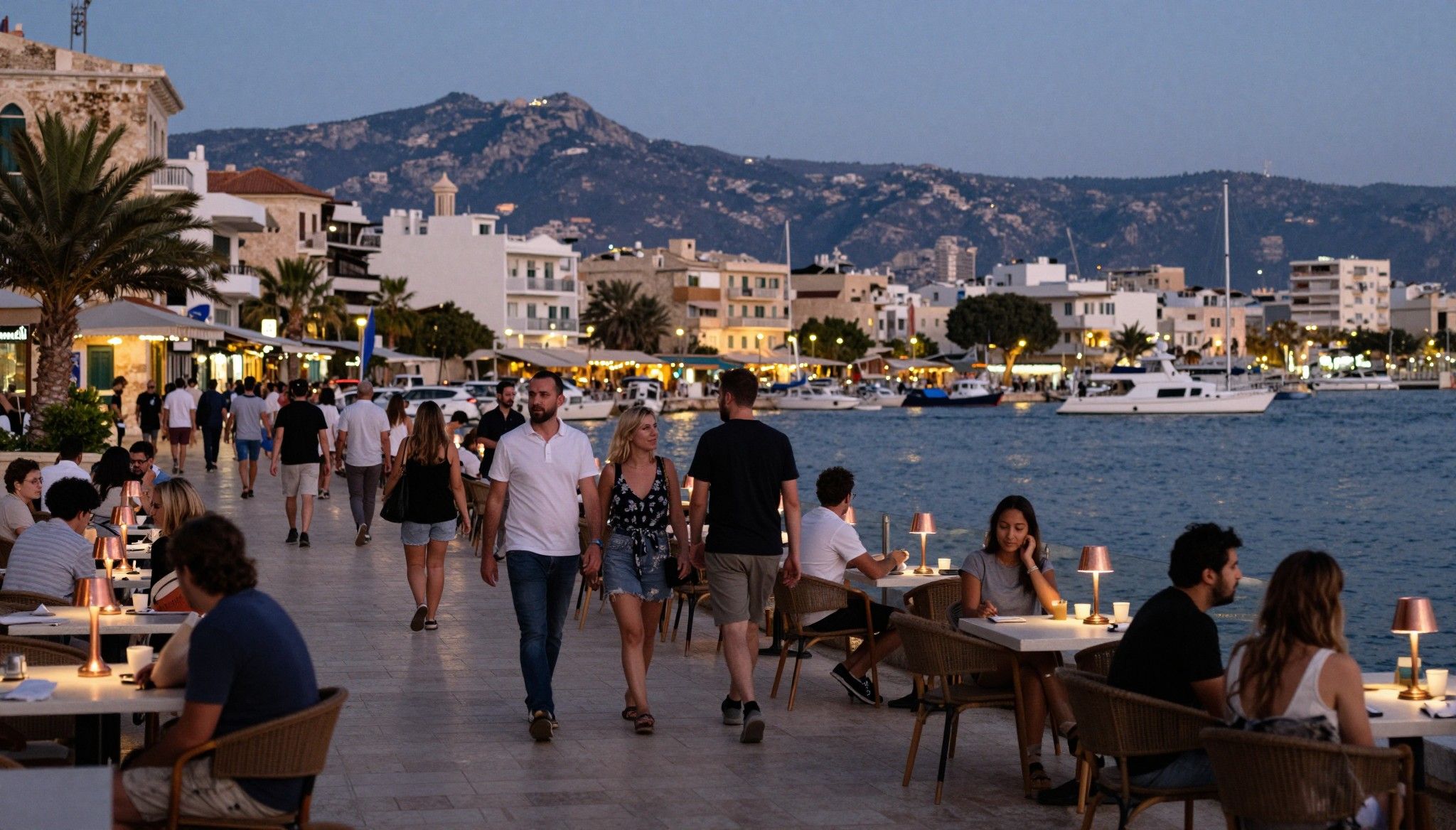
If your day begins with a sea breeze and ends with a neighbourhood trattoria, consider Liguria’s perched villages or the Amalfi and Cilento coasts; if you seek vineyard afternoons, Tuscany’s Chianti and Montalcino offer provenance and a culture of stewardship. Smaller towns are benefitting from incentives to attract residents, and energy‑efficient restorations are increasingly rewarded in price and desirability.
- Life highlights to look for in a neighbourhood
- A morning market within five minutes’ walk — for seasonal produce, deli relationships and immediate conviviality
- A cafe with a barista who knows your name and a piazza that stages local life at dusk
- Proximity to artisan workshops or food producers — the best properties sit beside the crafts that sustain the place
Making the move: practical considerations
The romance of a restored finca or a palazzo must meet the practicalities of title, energy class, and seasonal life. Italian market recovery and incentives have made 2024–25 a year where buyers benefit from clearer lending and demand for energy‑efficient homes — but regional variation matters. Work with specialists who read neighbourhood rhythms, local permitting quirks and renovation potential before you make an offer.
Property types and how they shape daily life
A central city apartment delivers walkability and cultural density; a converted farmhouse buys privacy and land for a kitchen garden; a coastal villa offers indoor‑outdoor living but requires maintenance for salt air and terraces. Choice of property type is a lifestyle contract: ask whether you want daily urban ritual or seasonal retreat, and let that answer dictate location and built form.
Working with local experts who understand life, not just listings
- Find a bilingual agent who knows the neighbourhood — they introduce you to the market’s lived reality, from the busiest morning bakery to the council deadlines for renovations.
- Ask an architect or surveyor experienced with historic fabric to estimate true renovation costs and energy‑class upgrades.
- Insist on recent energy certification and a three‑year maintenance history for systems exposed to coastal weather or mountain freeze.
- Prefer agencies who curate off‑market options; many genuine provenance homes never appear on portals and are shown discreetly.
Insider knowledge: what expats wish they’d known
Practical realities shape contentment. Heating seasons shift budgets; local garbage and recycling schedules govern storage; weekday markets close on different days across regions. Expat owners who settle most successfully listen first and renovate second: modest, well‑informed works that respect local materials repay quality of life more than ambitious, style‑led makeovers.
Cultural integration and daily social life
Learning a few phrases, joining a local volunteer group, or frequenting the same bar for a month turns polite acquaintances into friends. In many towns the real network forms around family‑run shops, parish activities, and market rhythms. Embrace those small rituals and your property will feel like it belongs to the place.
Long‑term lifestyle considerations
Consider how seasons change a neighbourhood: summer tourism can energise cafes and lift short‑term rental yields but also alter community character; winters reveal heating costs and year‑round resident life. Regions offering tax incentives for new residents or retirees may accelerate village renewal — a practical lever to sustain lifestyle choices long term.
- Red flags to watch for before you buy
- Unresolved condominium debts, which travel with the property and can surprise buyer budgets
- Missing or inconsistent energy certification — a sign of deferred maintenance or costly upgrades
- Planning restrictions on facades and heritage elements that limit the scope of visible renovations
- Arrange a local notary review, a survey, and at least two local contractor quotes before signing — it reduces surprises and aligns expectations.
If you wish to begin with exploration rather than commitment, plan visits around seasonal contrasts: winter reveals heating and closure rhythms; spring reveals markets and daily light. Many seasoned buyers find the quiet months best for measured decisions.
The life you buy in Italy is less about a single property and more about belonging to a place that has a rhythm, an architecture and a community. Work with advisors who value provenance, understand craftsmanship, and can point you to neighbourhoods where the lifestyle you desire already exists.
Begin simply: visit a market, share an espresso, walk the streets at different hours, and then ask a local agent to show you properties that fit that lived experience. That rhythm — taste first, technical second — is how discerning buyers find a home in Italy that will endure in value and pleasure.
Former Copenhagen architect who relocated to Provence, offering relocation services, market analysis, and a curator’s eye for authentic regional design.