Why France’s “Expensive” Label Misleads Buyers
France is not uniformly expensive — local rhythms, seasonality and neighbourhood choice reshape value; use seasonal viewings and local experts to buy the life you imagine.
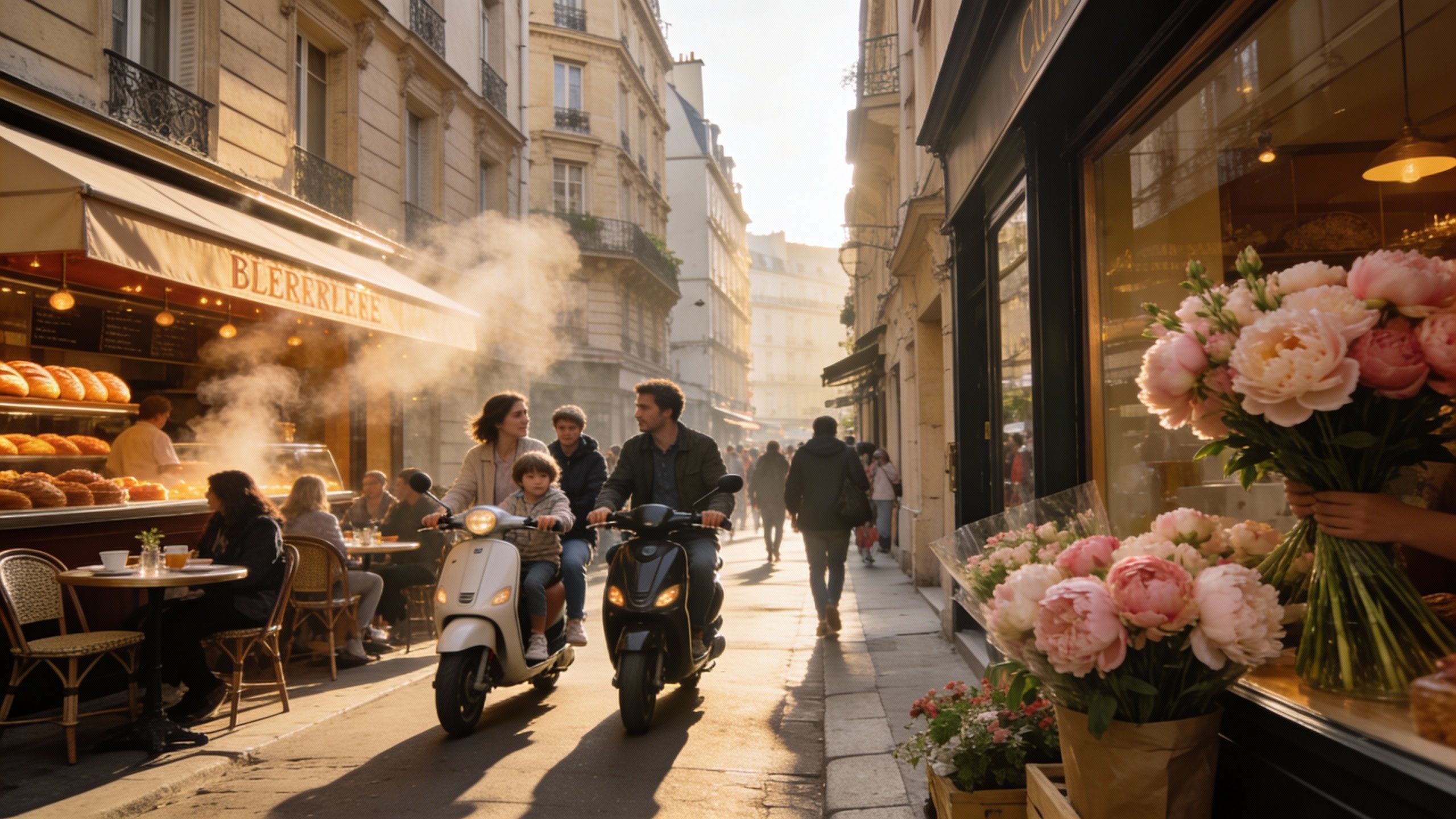
Imagine arriving in a narrow Paris street as morning light slants across limestone façades, the smell of warm bread drifting from a boulangerie on Rue des Martyrs and a line of local parents with scooters waiting outside École Saint-Vincent. That ordinary scene — cafés filling at 9am, a market on Saturday, a terrace that folds into evening conversation — is what most people mean when they picture life in France. Yet beneath such scenes the property market is more nuanced than headlines suggest: regional rebounds, micro‑markets and seasonal rhythms change where a modest budget buys an enduring lifestyle. Here I aim to unpick a common myth — that "France is uniformly expensive" — and show how neighbourhood choice, seasonality and local knowledge reshape value for international buyers.
Living the French lifestyle: nuance, neighbourhoods, seasons

Daily life in France is woven from small rituals — morning espresso, marché runs, a late Sunday lunch — and those rituals take different forms from Lyon’s Croix‑Rousse to Biarritz’s fishing quarter. The market mirrors that cultural variety: some departments show brisk sales, others slower activity, so a single national price tag masks meaningful local opportunity. Recent official data show modest national price growth after a period of stability, but the story worth hearing is local: which streets, arrondissements or villages retain character and price resilience. For an international buyer this means prioritising neighbourhood rhythm over headline averages when imagining a life here.
Paris: concentrated charm and selective opportunity
Paris retains a clear premium in central arrondissements where provenance and address are themselves assets. Yet the city contains quieter pockets where value is relative: parts of the 11th and 20th offer village streets, independent boulangeries and lower per‑metre prices while still being 20 minutes from the Louvre. Luxury headlines — large single sales in the 7th or 16th — can distort perception of where everyday buyers should look. If you want Parisian life rather than Parisian price, consider the way local transport, schools and markets create livability rather than prestige alone.
Provence, the Riviera and Atlantic coasts: tradeoffs of sun and season
Coastal life — from Cap Ferret to Cassis — offers a particular rhythm: beaches at dawn, markets stacked with shellfish and tomatoes, and a summer calendar that turns small villages into busy stages. That seasonal swing creates two practical realities: maintenance and rental opportunity. Some Riviera corners remain intensely costly, but neighbouring communes or inland Provençal villages provide the same light, markets and culinary life at lower entry prices. For those who prize sun and community, hunting in shoulder seasons often reveals better stock and negotiation room.
- Lifestyle highlights to look for when choosing a neighbourhood
- A weekday marché within walking distance (example: Aix‑en‑Provence’s Place Richelme).
- A local boulangerie noted for consistent morning queues rather than tourist acclaim.
- A short commute to transport hubs that preserve leisure time (e.g., train access to Paris or Marseille).
Making the move: practical considerations that preserve lifestyle
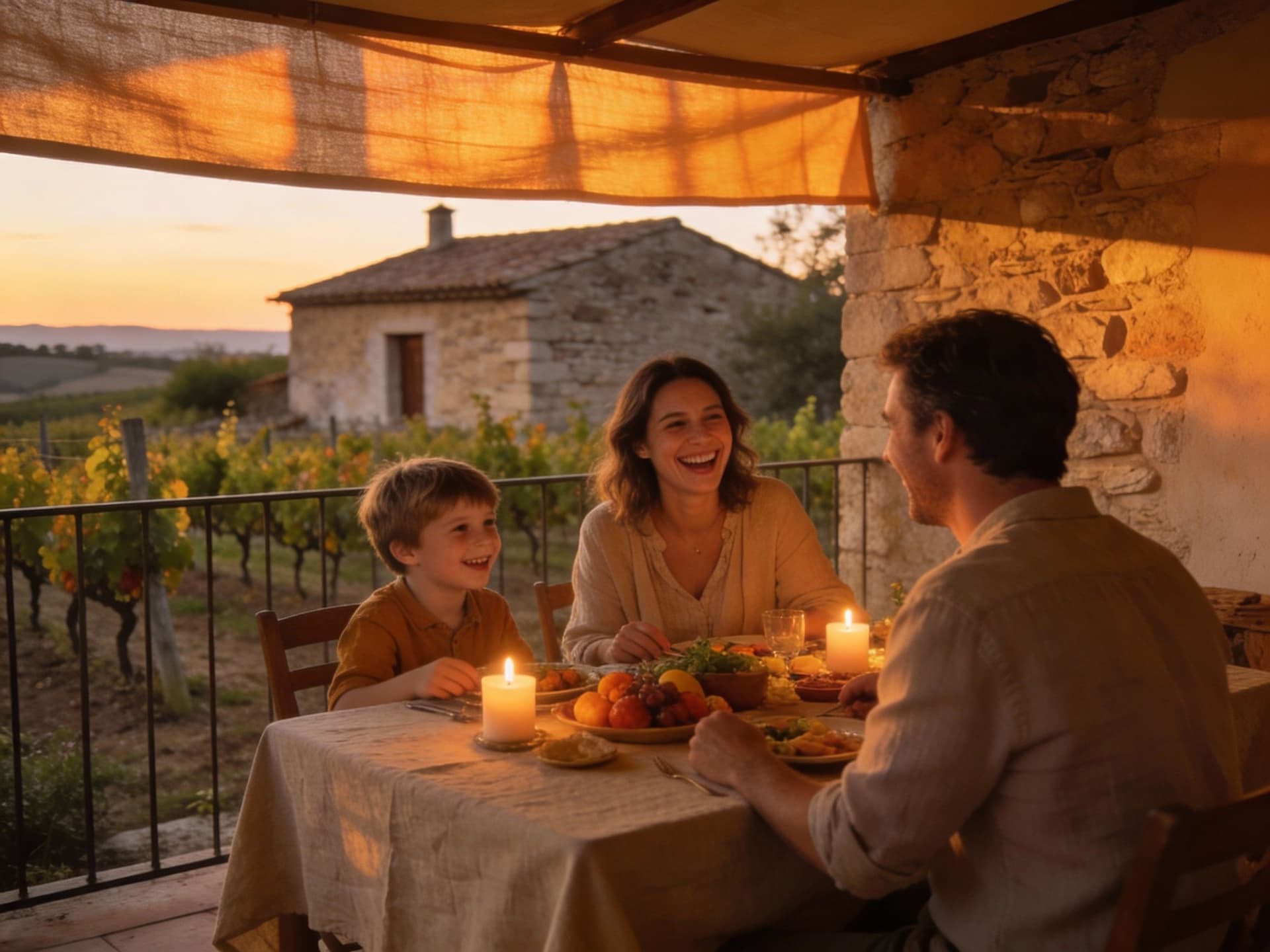
Dreams of market mornings and slow dinners must meet practicalities of local law, energy rules and market timing. National statistics point to stabilisation, but regional heterogeneity means process matters: inspection standards differ, renovation expectations vary by commune, and recent policy changes affect rental eligibility for older properties. Working with a local notaire and an agent who understands seasonal demand is not optional — it is how you ensure the character you fell for is sustainable as a home and an asset.
Property styles and how they shape lived experience
A village mas in Provence gives you stone thickness, cool interiors in summer and a garden for potager cultivation; a Haussmannian flat in Paris offers proportion, ceiling height and proximity to cultural institutions; a contemporary villa on the Atlantic provides coastal light and open plans suited to indoor‑outdoor living. Each type demands different stewardship: thermal upgrades for old stone houses, co‑ownership rules and syndic structures in apartments, and flood or coastal protection measures for shore properties. Match property typology to the life you will actually live — entertainers choose terraces, cooks choose kitchens with generous work surfaces and proximity to markets.
How local experts protect the lifestyle you buy
- Engage a bilingual notaire early to confirm planning constraints and inheritance implications.
- Appoint an architect experienced in regional restorations to assess energy upgrades and permitting needs.
- Work with a local agent who shows you neighbourhood life at different times — weekday mornings, market days and evenings.
Insider knowledge: myths, expat truths and seasonal strategy
Here are three realities expats discover only after living in France: first, price is local — not national; second, the market breathes with the seasons and festivals; third, community integration often dictates long‑term happiness more than square metres. National indices show small upward movement recently, but that does not replace on‑the‑ground work: seasons deliver opportunity, not just spectacle. For example, searching in late autumn or winter often reveals motivated sellers and clearer views of a property’s fabric without the distraction of tourists.
Cultural integration: how to become neighbour, not tourist
Learning a handful of French phrases transforms small interactions — the weekly greengrocer will become an ally, the postmistress a source of local knowledge. Participate in the marché, join a pétanque team, or volunteer at a village fête and you will learn the unadvertised rhythms that affect everything from renovation contractors to who looks after the cat when you travel. These social practices are not trivial; they shape access to off‑market opportunities and the quiet pleasures of life in France.
Long‑term lifestyle: stewardship and legacy
Owning in France can be an act of stewardship: many buyers restore period houses or manage co‑ownerships with care for neighbours and fabric. Recent notaire data show resilient transaction volumes in several departments, which suggests that considered ownership tends to preserve value. Think generationally: choose materials and contractors with provenance, and maintain a modest reserve for ongoing repair. That approach protects both lifestyle and the investment’s integrity.
Conclusion — if you love the life, the house will follow. Begin by visiting neighbourhoods at the times you plan to live there; test markets in shoulder seasons; work with a notaire and an architect who share respect for regional craft; and prioritise neighbourhood rituals over headline price per square metre. With careful local counsel, the oft‑repeated claim that "France is too expensive" becomes less a barrier and more a prompt to look more carefully — at streets where provenance, community and seasonal calm deliver an unforgettable life.
Norwegian with years in Florence guiding clients across borders. I bridge Oslo and Tuscany, focusing on legal navigation, cultural context, and enduring craftsmanship.