When Greece’s Quiet Neighbourhoods Outperform
Explore why Greece’s understated neighbourhoods — not just headline islands — offer the truest lifestyle and value, supported by recent market data and local insight.
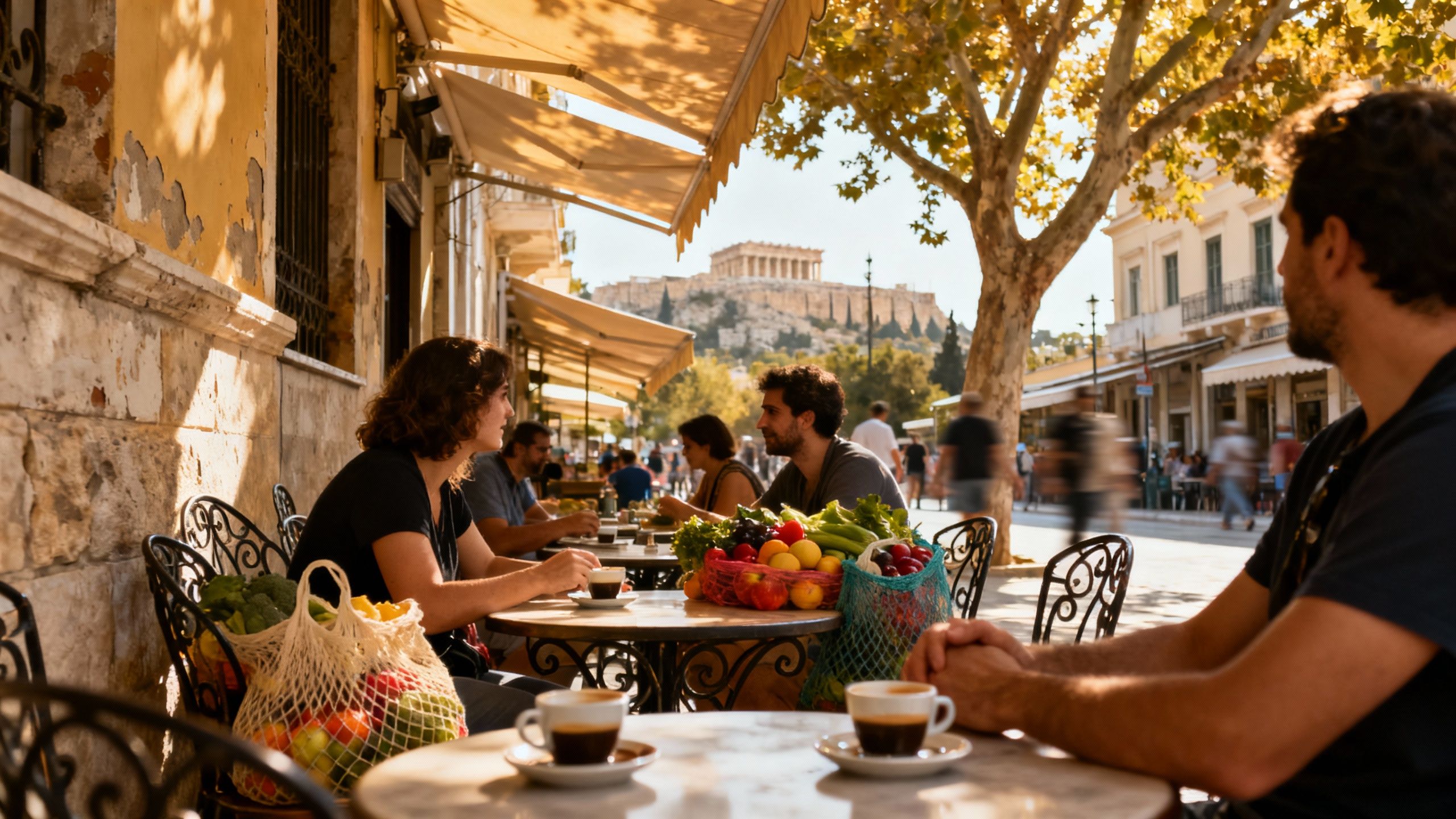
Imagine waking to the ring of a café spoon in Koukaki, walking past a fruit stall on Nikis street in Thessaloniki, or watching light pool across limestone on a quiet Chania lane. Greece’s rhythm is at once public and intimate: town squares where people meet at dusk, narrow alleys that open to solitary sea views, and neighbourhoods whose character is written in patina and market gossip. That everyday poetry is what international buyers actually purchase — not merely square metres, but a life ordered around local rituals. Recent market analysis shows price rises are now uneven, favouring places with authentic neighbourhood life rather than headline‑grabbing island hotspots.
Living the Greek lifestyle
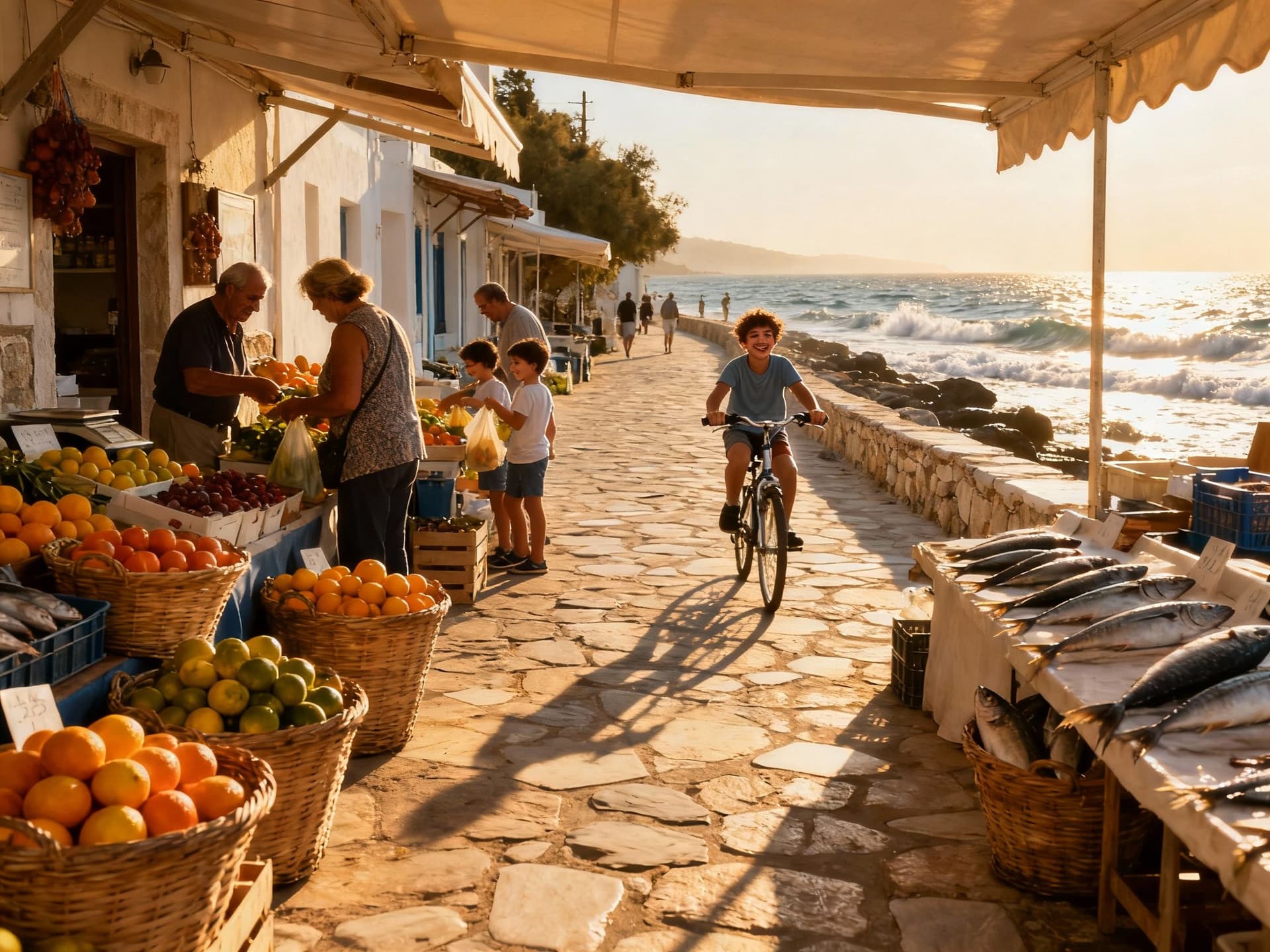
A day here begins small: an espresso at a corner kafeneio, a neighbour’s loaf at the market, a late lunch lingering with wine. In Athens districts such as Pangrati or Kypseli you’ll find restored neoclassical apartments beside modernist blocks, a mix that yields lively street life and practical urban fabric. Coastal towns such as Nafplio or the lesser‑known bays of Evia offer a different tempo — mornings on the quay, afternoons in a taverna, and evenings that fold into long, familiar conversations. It is the quotidian details — where you buy vegetables, where the children play — that determine whether a home fits your life.
Neighbourhood spotlight: Koukaki and Kallirroi, Athens
Koukaki — gentle slopes below the Acropolis — feels lived‑in rather than staged. Coffee counters on Drakou, small bookshops on Falirou, and family‑run tavernas signal a neighbourhood with provenance. Kallirroi’s leafy streets offer quieter residency and excellent access to parks, making both areas appealing for buyers who value proximity to culture without resorting to touristised cores. Local reporting and city guides note a steady rebirth of everyday commerce and civic life in these quarters, a quality prized by long‑term owners.
Food, markets and weekday pleasures
Markets are civic institutions: Varvakios market in central Athens remains an anchor for chefs and households alike, while regional weekly markets connect villages to towns. For island life, morning fish stalls in Naxos or Crete determine what ends up on the table that evening. These rituals shape property use — a kitchen suited to fresh produce, storage for olive oil, a balcony for drying herbs — and should guide how you assess a home’s fit with daily life. In short: culinary culture is neighbourhood intelligence.
Making the move: practical considerations
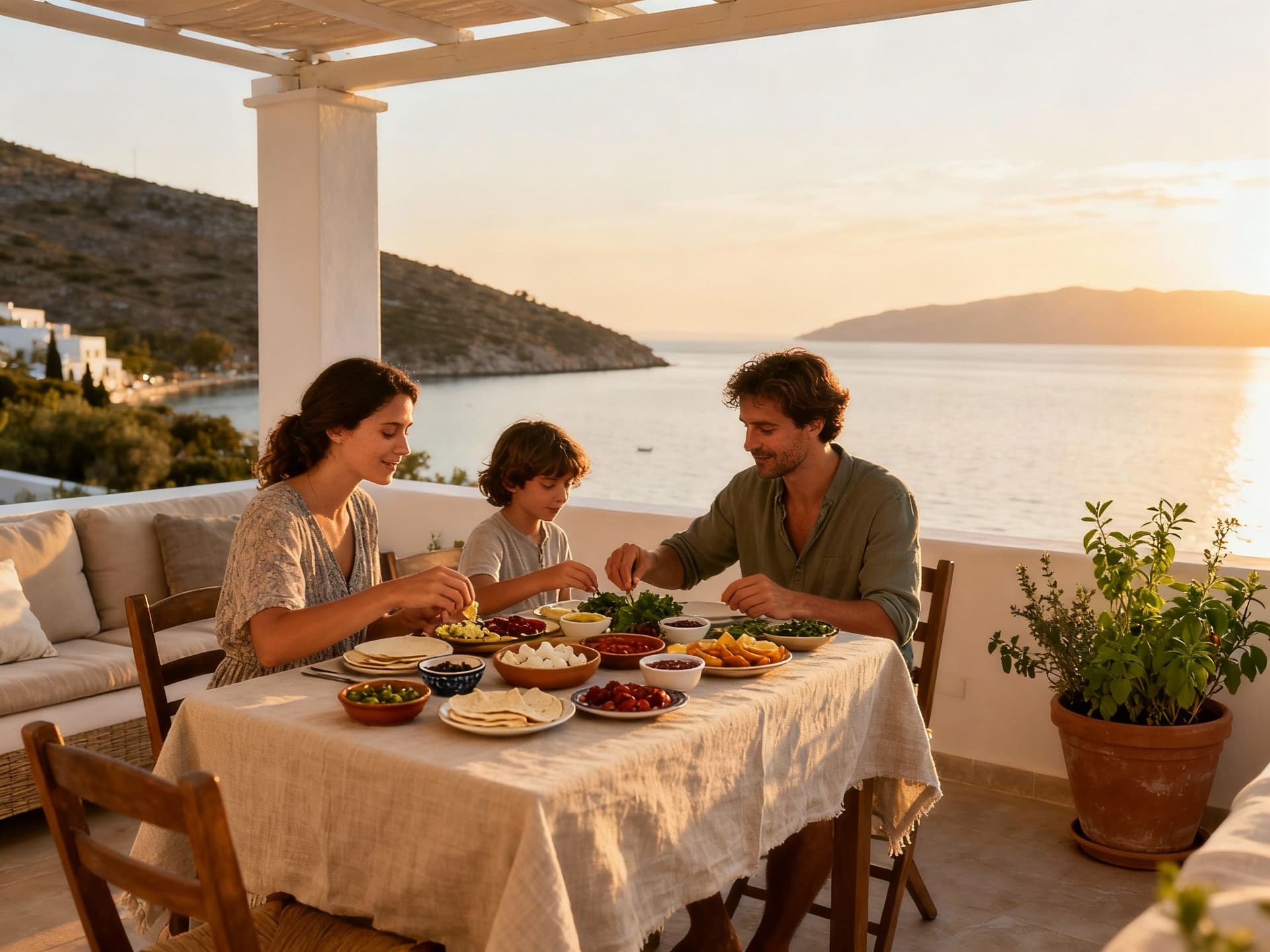
Lifestyle must meet market reality. Greece’s house price indices show steady, regionally varied growth: overall gains moderated through 2024 while tourist destinations and select urban neighbourhoods retained premium momentum. For international buyers that means opportunities in peripheral towns whose prices have lagged but whose rental and lifestyle metrics are improving. Understand both macro indicators and micro rhythms: a neighbourhood’s school, market, and weekday bustle matter as much as headline price change.
Property styles and how you'll live in them
Stone‑built village houses with courtyards offer a tactile connection to place, while Athens’ 1930s flats provide high ceilings and proportion suited to formal living or conversion into a studio. Coastal villas favour indoor–outdoor living; their practical needs differ — drainage, shutters, and insulation against sea air are non‑negotiable. Match architecture to routine: if you cook with local produce, a larger kitchen is more valuable than an extra bedroom; if you host, look for terraces with shelter and flow.
How local experts help (six steps)
1. Curate neighbourhood viewings that reflect weekday life, not staged weekends.
2. Assess supply chains — food, medical, builders — that support long‑term residence.
3. Verify micro‑zoning and permitted uses to avoid surprises with renovations.
4. Benchmark likely seasonal rental demand if you plan dual use.
5. Review resilience: access in winter, road quality, and local services.
6. Negotiate on verified comparable sales rather than tourist listing prices.
Insider knowledge: what expats wish they'd known
Many expats arrive enchanted by coastline vistas and discover that the real test of permanence is small‑town infrastructure: a reliable baker, a doctor who speaks English, and a sense of neighbourly reciprocity. Language matters less once you accept civic rhythms; more consequential is understanding unspoken norms — shop hours, public holiday patterns, and the cadence of bargaining at the market. Longstanding residents advise living as if you intend to stay: that mindset yields better choices in neighbourhoods where stewardship matters.
Cultural integration and everyday social life
Integration occurs through daily rituals: a weekly market, the local kafeneio’s morning gossip, volunteering at a village festival. Join language classes, but also invest time in neighbourhood routines — they are the informal institutions that make a place durable. Expats who form local ties more readily find favours for repairs, introductions to craftsmen, and an easier path through municipal processes.
Longer term: stewardship and value
Greece’s national house price index rose into 2025, yet returns are not automatic; stewardship matters. A well‑maintained neoclassical flat in a true residential block will typically preserve value better than a flashy renovation in a tourist‑facing lane. Seek properties with documented conservation, clear title, and where restoration respects original fabric — these attributes appeal to discerning buyers and tenants alike.
Quick lifestyle-to‑market checklist
• Visit neighbourhoods on a weekday morning and on a market day to gauge rhythm.
• Confirm practicalities: internet speed, medical access, and seasonal transport links.
• Prioritise design integrity: original features and good bones will outlast trends.
• Use local agents for neighbourhood intelligence, and legal counsel for title clarity.
Greece rewards those who look beyond headline islands and seasonal vistas. The homes that age gracefully are the ones embedded in neighbourhood life — streets where neighbours know one another, markets that run year round, and civic fabric that supports daily living. If you find yourself charmed by a quieter town or a modest city quarter, consider that charm a form of capital: personally, socially and financially. Contact an agent versed in local rhythms to arrange viewings that reveal how a place is lived, not just how it photographs.
Norwegian with years in Florence guiding clients across borders. I bridge Oslo and Tuscany, focusing on legal navigation, cultural context, and enduring craftsmanship.