Neighbourhood Rhythm: Choose France by Daily Life
Choose a French neighbourhood by its daily rhythm — markets, cafés and seasons — and use recent INSEE data to time a confident, provenance‑led purchase.
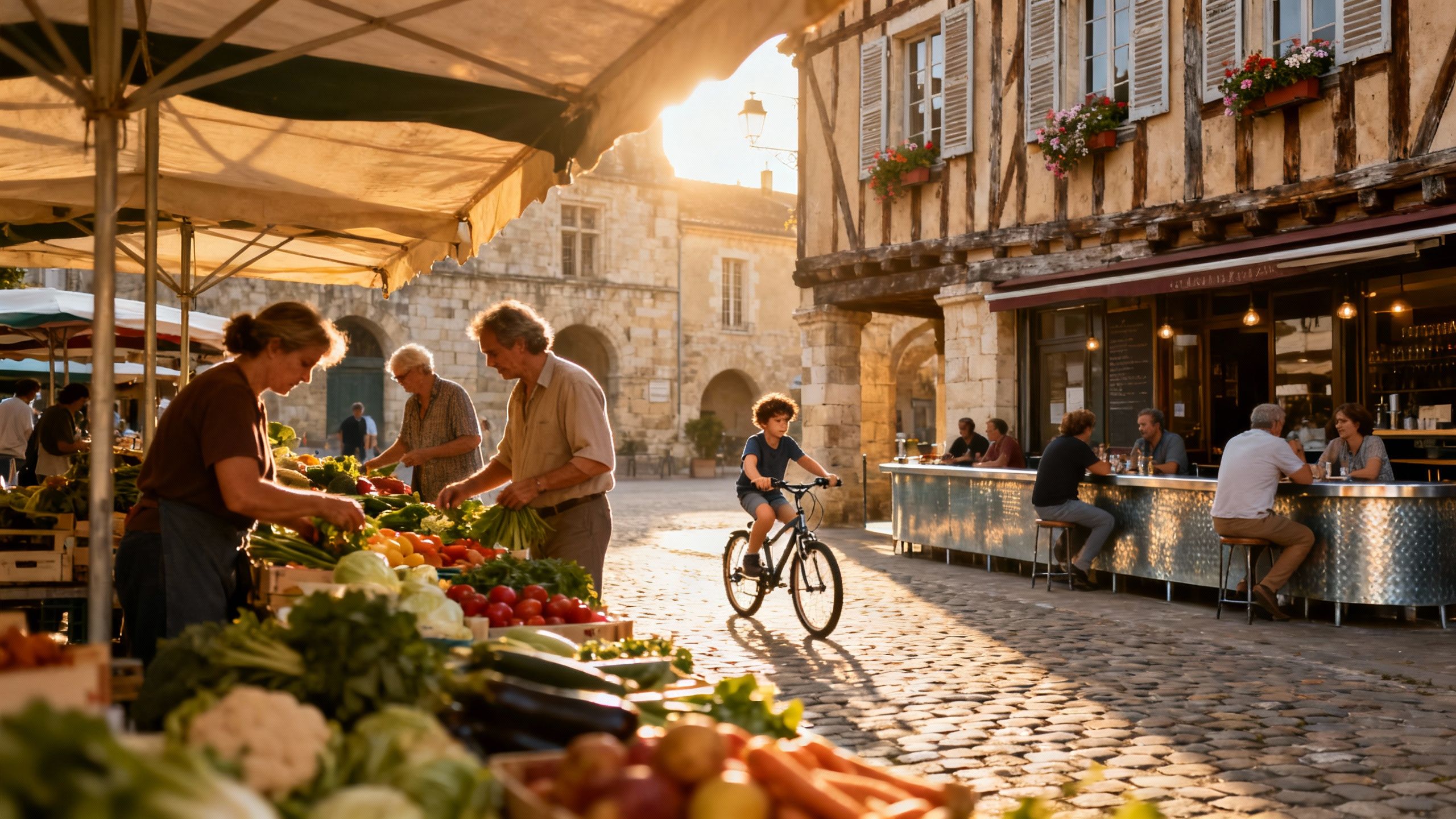
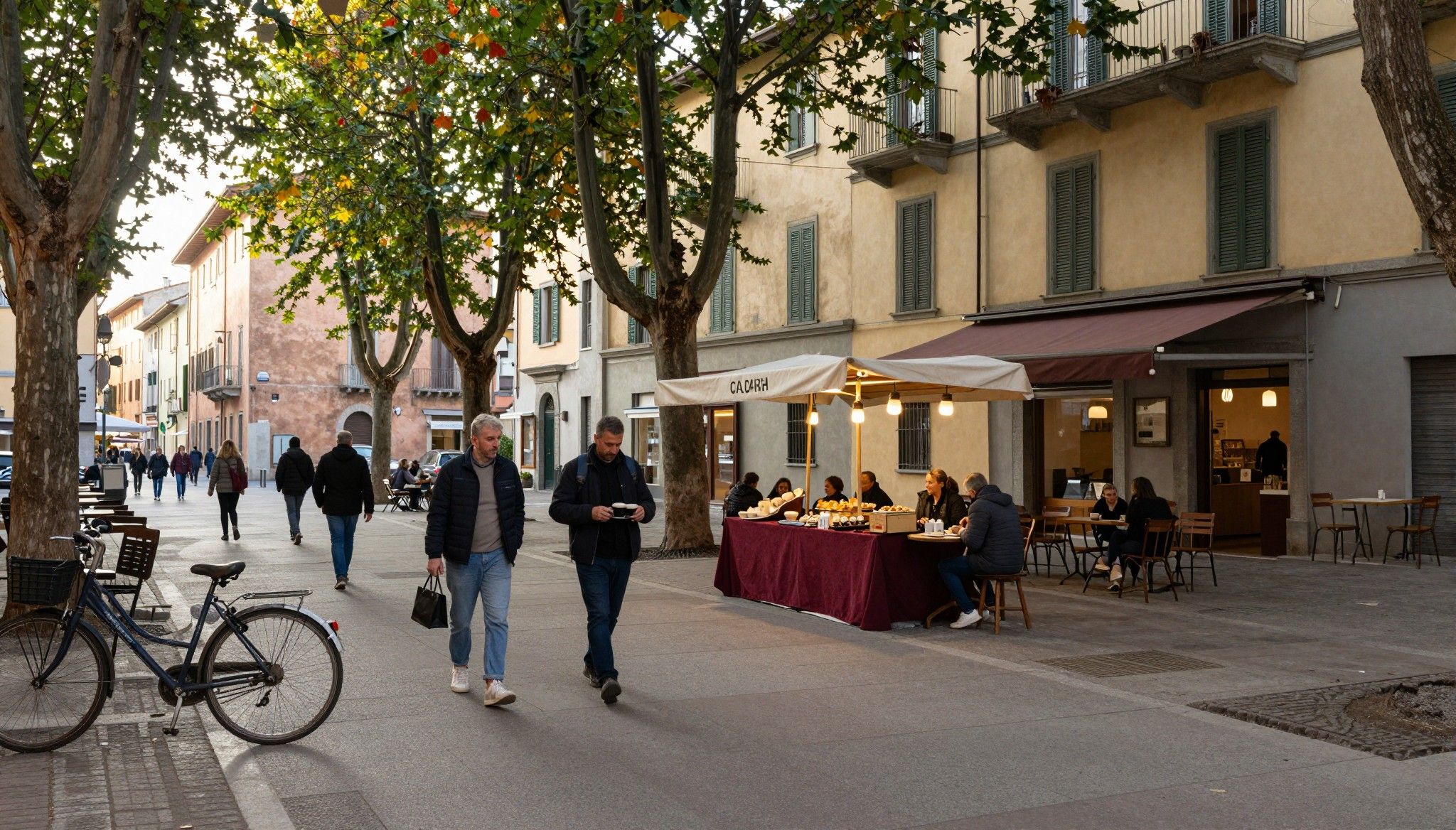
Imagine a Saturday in France: a short baguette under your arm from Marché des Enfants Rouges, a late espresso at a zinc counter in Le Marais, and the slow clack of tram wheels as the city exhales. That sense of daily ritual — markets, neighbourhood cafés, purposeful walking — is what many of us mean when we say we want 'to live in France.' It is also the single clearest guide to where you should buy.
Living the France lifestyle
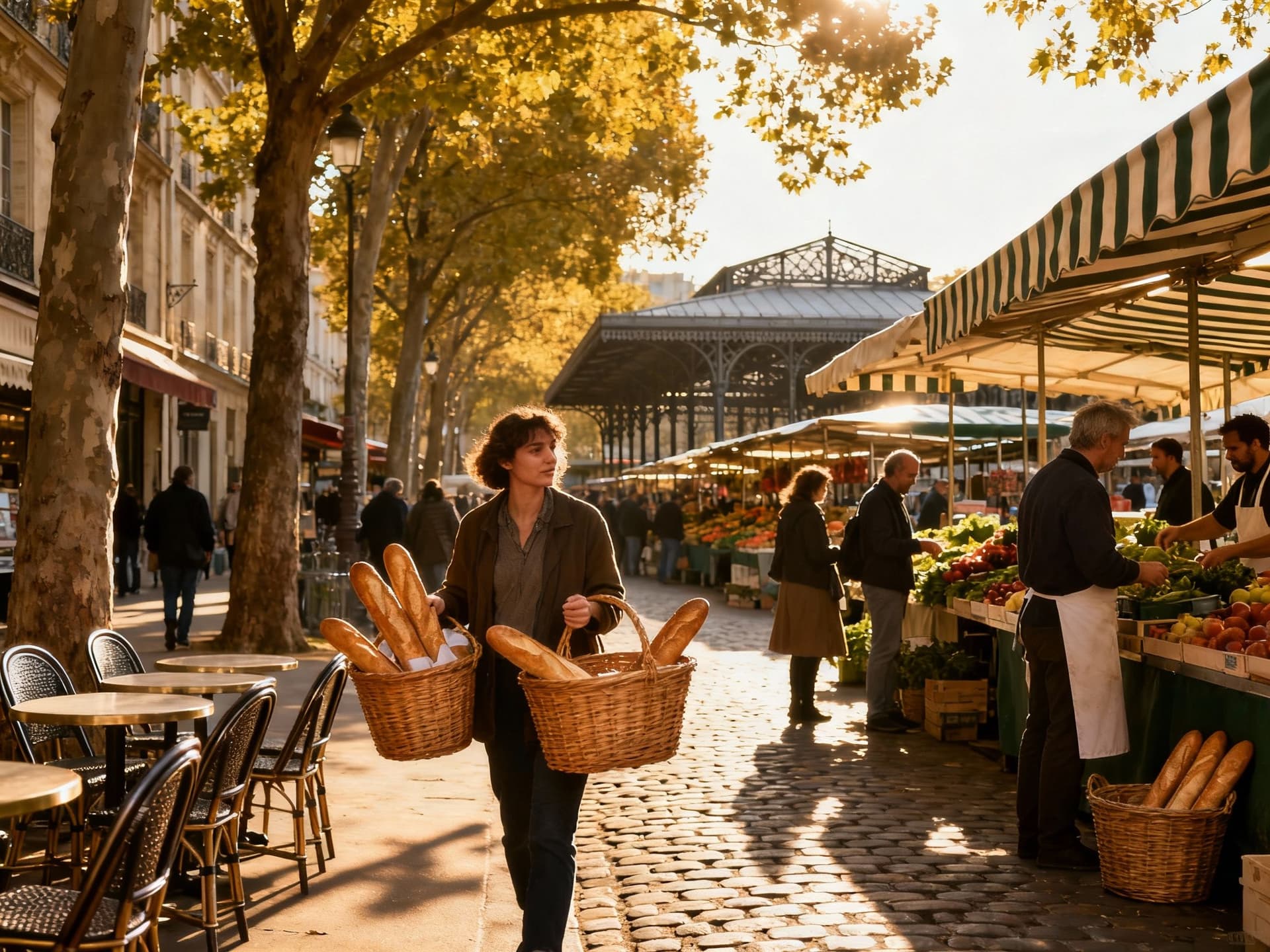
France is not one place; it is an overlay of distinct rhythms. Paris pulses with early-morning bakeries and late-night museums, Bordeaux breathes around its river and wine bars, and the Mediterranean coast moves with a languid, sunlit tempo. These rhythms shape daily needs — proximity to boulangeries and markets, elevator access in Haussmannian blocks, courtyards for children — and therefore the kinds of properties that succeed as homes and investments. Recent INSEE data shows prices stabilising and returning to modest growth in 2025, a factor to bear in mind as you time viewings and offers.
Paris: short blocks, long histories
Walk the 3rd and 4th arrondissements and you will find narrow streets where artisans have worked for generations, courtyards that open to hidden gardens, and small bistro terraces that define the morning and evening. For international buyers who crave architectural provenance, Le Marais and Saint‑Germain offer restored timber beams, classic cornices and the lived-in patina of Parisian life. Expect smaller floorplates, high demand for elevator buildings, and a premium paid for immediate neighbourhood life rather than distant views.
Provincial France: space, seasons, slow appreciation
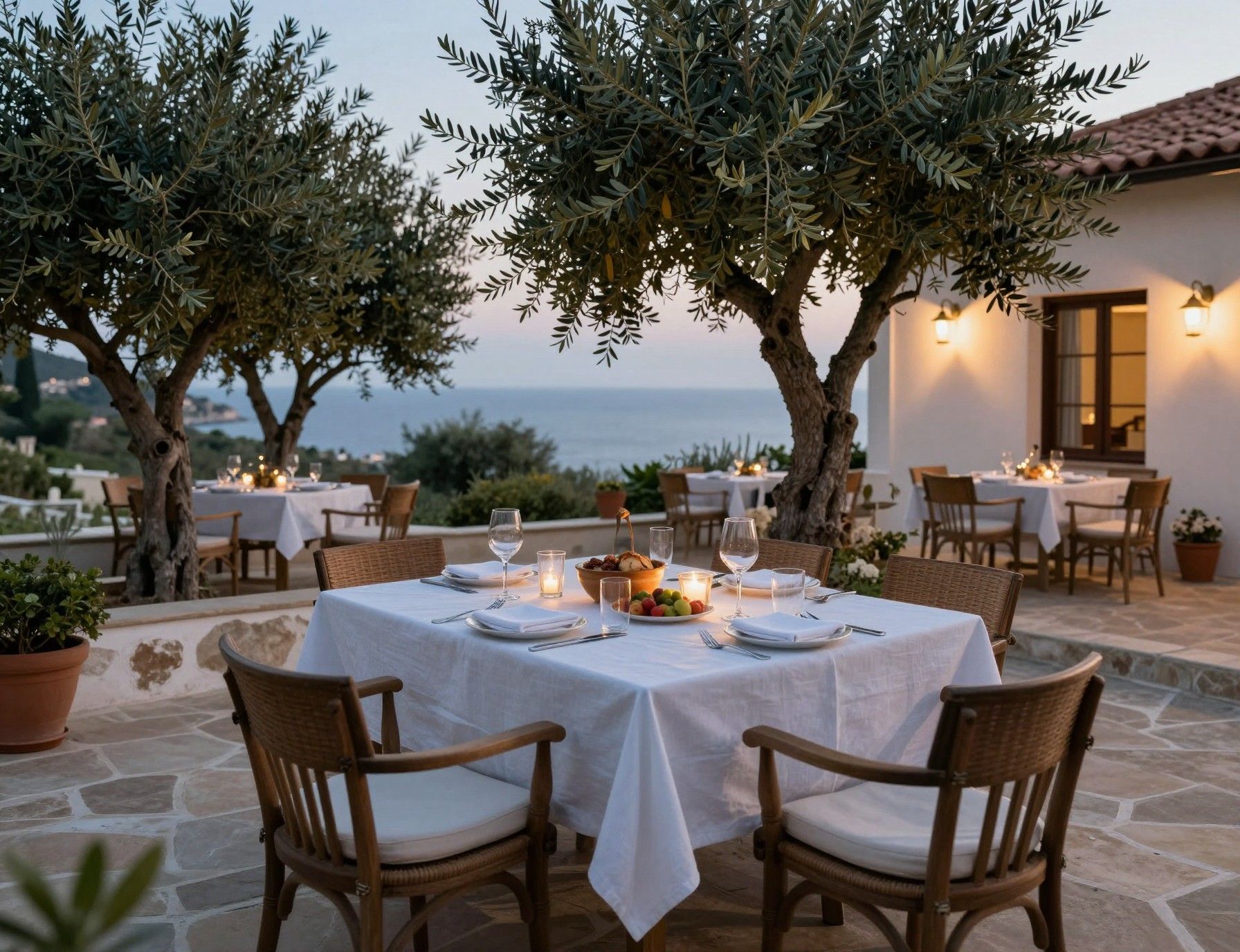
Beyond Paris, place varies by season and scale. In Provence and the Côte d'Azur the year is organised around terraces, outdoor markets and the sea; in Dordogne and the Lot you buy into stone barns, long views and a calendar of harvests and fêtes. INSEE shows that provincial prices rebounded in early 2025, particularly for flats — an important signal for buyers seeking value outside the capital.
- Lifestyle highlights: streets, tastes and rhythms
- Le Marais (Paris) — early-morning marché culture and narrow 17th‑century passages
- Chartrons (Bordeaux) — riverside cafés, wine merchants and renovated 19th‑century warehouses
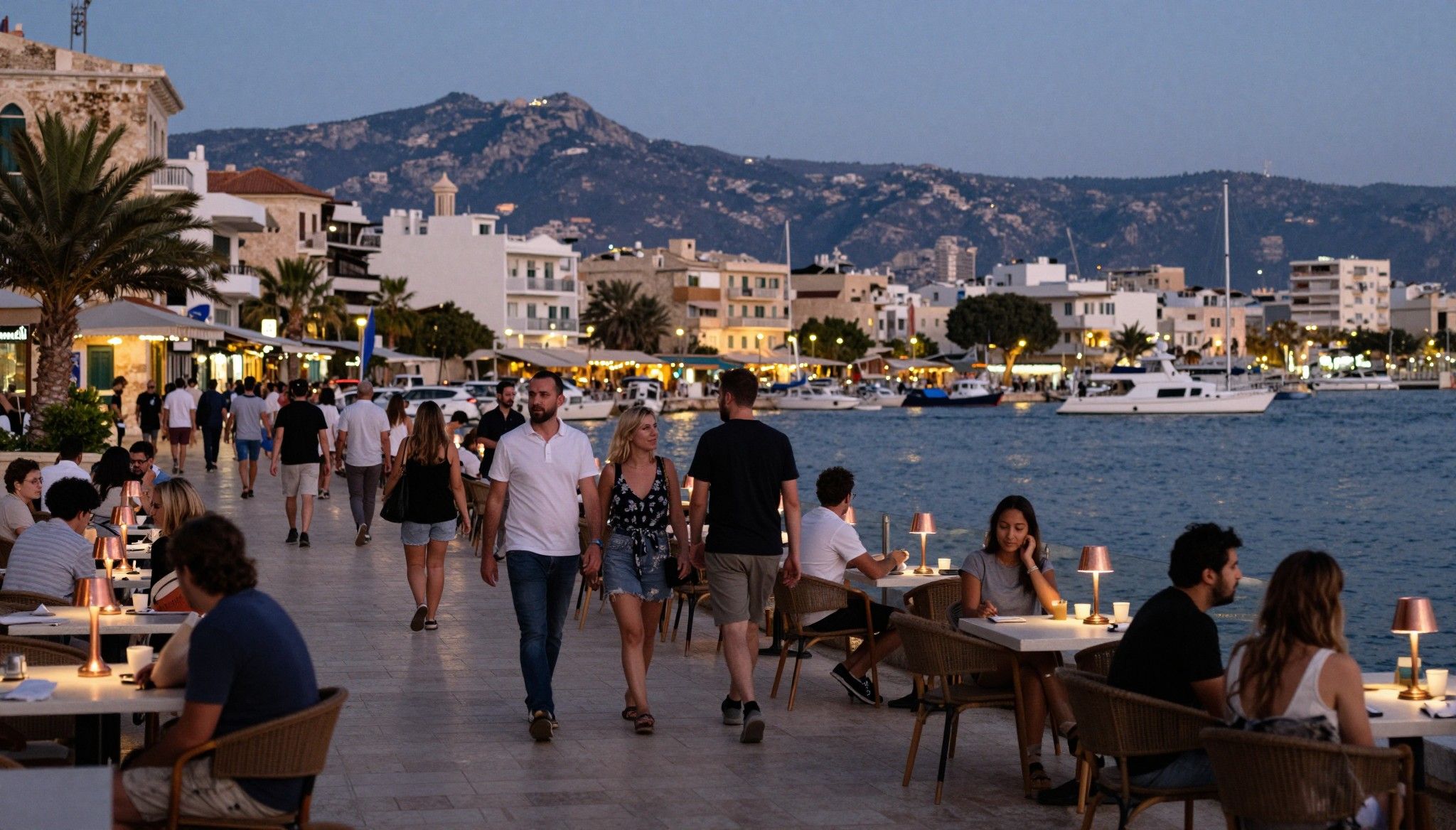
- Vieux-Nice (Nice) — tiled facades, pedestrian lanes and evening aperitifs
- Saint-Jean-de-Luz / Biarritz — surf culture, morning markets and a quiet winter life
Making the move: practical considerations
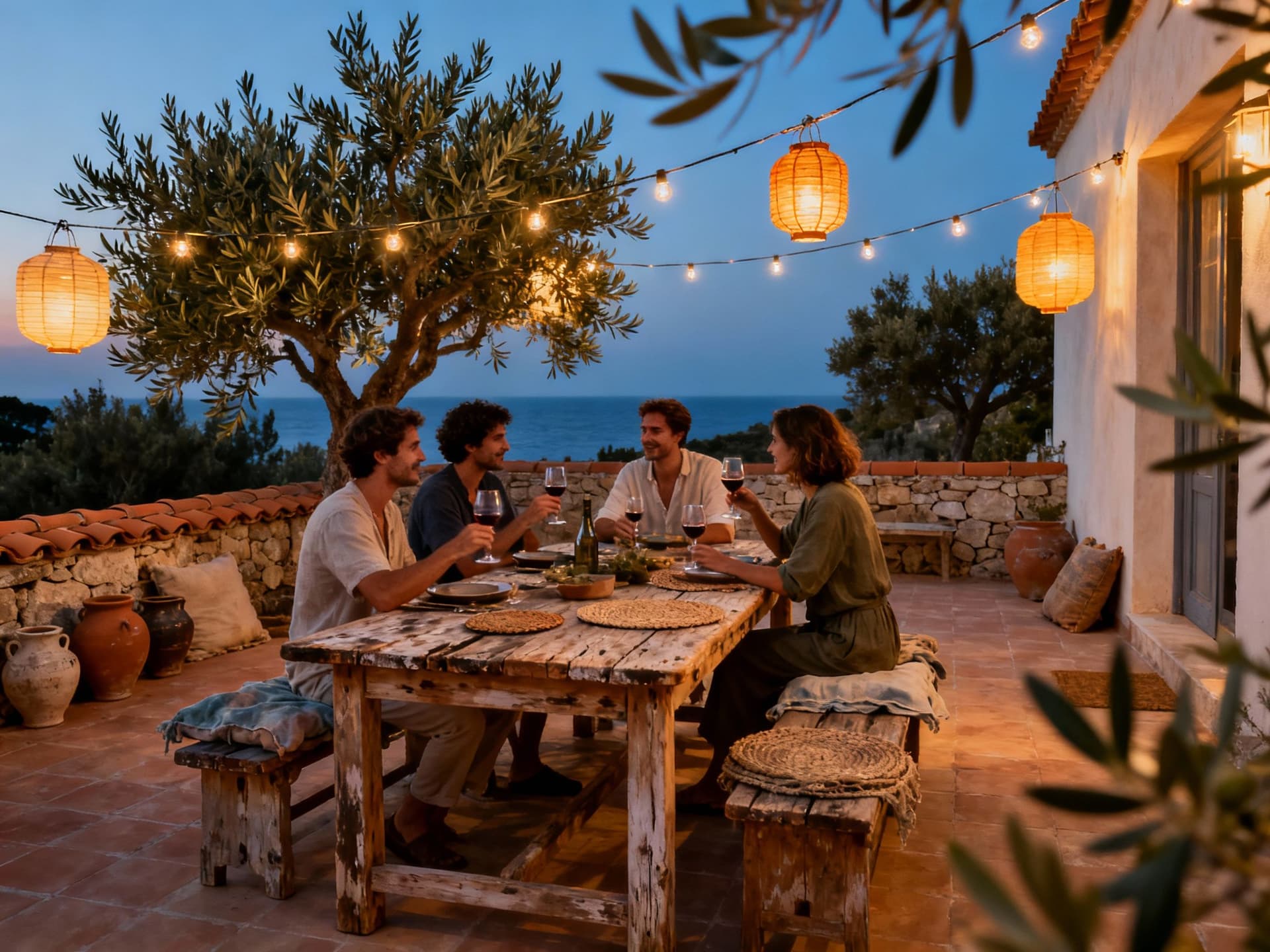
The romance of a place must meet the realities of market rhythm. In 2024 and early 2025 the French market moved from correction to cautious recovery; transaction volumes dipped in 2024 and then began to recover as rates softened. That shift matters: it affects negotiating leverage, the inventory you will see in market windows, and where off‑market opportunities are genuinely available.
Property types and how they shape life
Choose a property by the life you intend to lead. A Haussmannian apartment frames daily life around cafés and short walks; a renovated village farmhouse gives space, privacy and a year of harvests; a contemporary villa on the Riviera privileges indoor–outdoor living. Each type demands different stewardship: co‑ownership rules and syndic fees for city flats, heritage‑sensitive permits for rural restorations, and insulation and cooling considerations on the coast.
Working with local experts who know the lifestyle
An agent who understands the rhythm you want — morning market life versus seaside languor — will shortlist neighbourhoods not by price alone but by daily texture. Look for firms that can demonstrate provenance: restoration records, architect contacts, local syndic relationships and discreet off‑market networks. Their role is less transactional and more curatorial.
- Steps blending lifestyle and practical due diligence
- Visit neighbourhoods at different times of day and in different seasons to test rhythm and noise; note local shops, school runs and market days.
- Request restoration and maintenance records for older properties; verify listed building constraints if the property is in a protected zone.
- Ask agents for comparable sales on the street, not just the arrondissement — micro‑location matters in French pricing.
- Confirm seasonal running costs for coastal homes (water, cooling, insurance) and for rural estates (heating, access maintenance).
Insider knowledge: what expats wish they'd known
Expat buyers often discover that small cultural practices change daily life more than taxes do: the 11 am bakery run, shop closures on Mondays in smaller towns, and the centrality of the mairie (town hall) to local affairs. Equally, foreign buyers underestimate the premium locals place on immediate services within walking distance — a pharmacy, a petit jardin, a trusted boulanger — more than scenic but remote panoramas.
Language, social life and practical integration
You do not need fluent French to buy, but a willingness to learn the social grammar — greetings, market etiquette, the art of petits mots to neighbours — accelerates integration. Many buyers find community via local clubs, marché vendors and school networks. In Paris and large regional centres there are established international enclaves; in smaller towns social life is more woven with long‑term residents.
How lifestyle needs evolve over time
Early years abroad often prioritise proximity to cafés and international schools; later phases favour space, gardens and local friendships. Consider whether you want a property that can transition — a well‑designed city pied‑à‑terre that rents easily, or a country house that can be adapted with modern insulation and modest reconfiguration.
- What experienced buyers say — quick practical pointers
- Prefer streets where neighbours exist year‑round rather than purely seasonal developments; community matters to livability and long‑term value.
- Budget for invisible costs: syndic arrears on apartments, heritage permit requirements, and seasonal utility swings on the coast.
- When an agent shows provenance — invoices from a known architect, conservation approvals — treat it as positive signal of stewardship.
France offers a rare combination of lived tradition and adaptable modern life. If the idea of a daily marché, a terrace for evening wine, or a village fête matters to you, let that sensibility steer neighbourhood choice. Use market data to inform timing and negotiation, but let neighbourhood rhythm decide whether a property will feel like home.
If you feel the pull of France, begin with a short list of rhythms you cannot live without — morning mercato, proximity to a lycée, coastal walks — then work backwards to neighbourhoods that match them. Engage a locally rooted agency that can show provenance, produce street‑level comparables and arrange off‑peak viewings. The result is more than a purchase: it is an adoption of a way of life.
Norwegian with years in Florence guiding clients across borders. I bridge Oslo and Tuscany, focusing on legal navigation, cultural context, and enduring craftsmanship.