Italy’s Price Mirage: Neighbourhoods Where Value Hides
Italy’s headline prices mislead: regional data and neighbourhood rhythm reveal where lifestyle and value coincide—Puglia, select Tuscan hill towns and quiet coastal villages offer surprising opportunity.
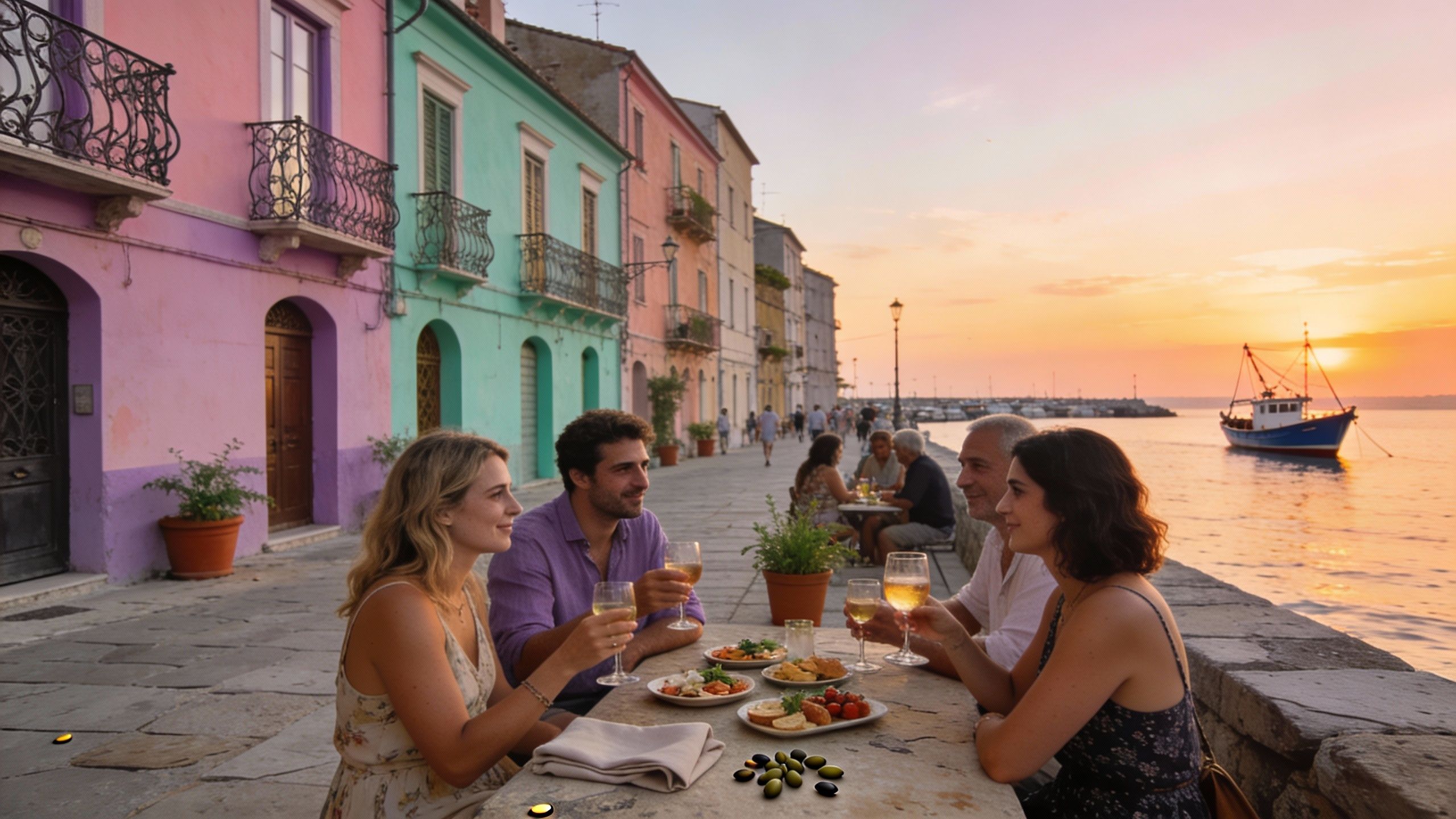
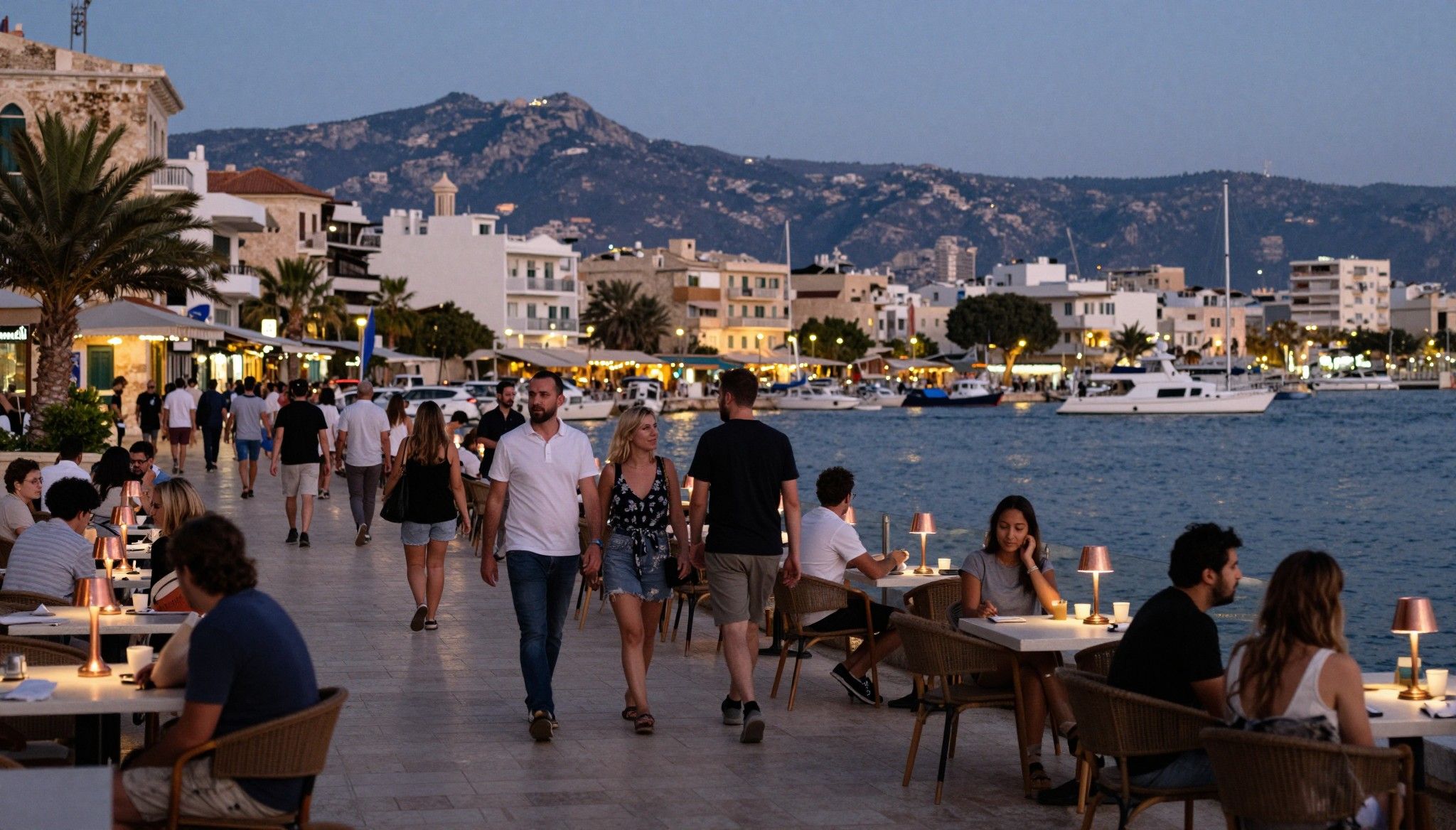
Imagine waking on a narrow Florentine street to the smell of fresh bakery crusts, or sensing salt on the breeze while strolling a Puglian marina at dusk. Italy folds familiar rituals—morning espresso, an hour-long passeggiata, market bargaining—into daily life, and the country’s real estate market reflects those rhythms: pockets of intense premium alongside unexpectedly affordable corners. This piece looks beyond headline prices to show where value hides, why reputations mislead, and how lifestyle priorities should steer a discerning buyer’s search in Italy.
Living the Italian life — texture before ticker
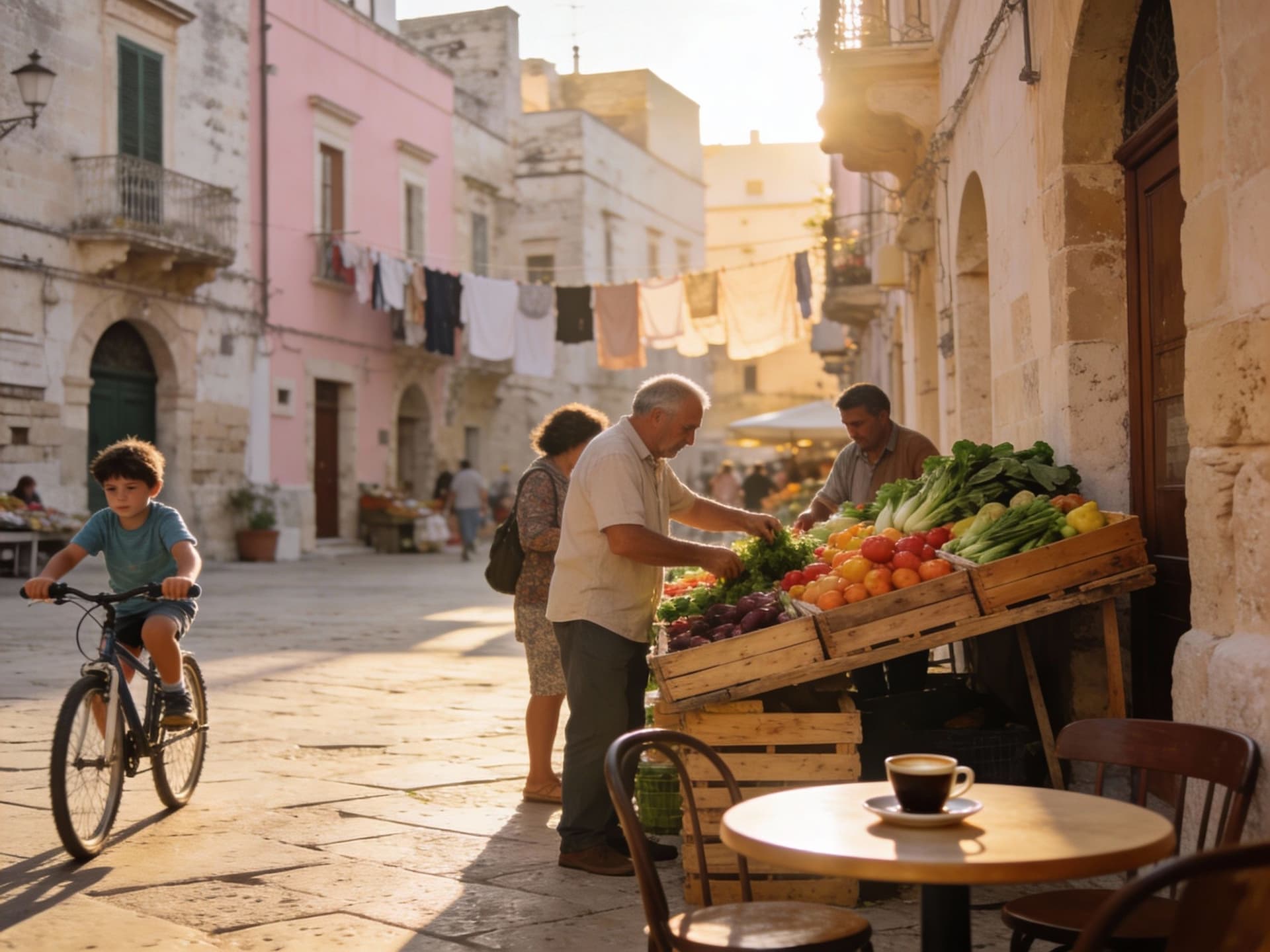
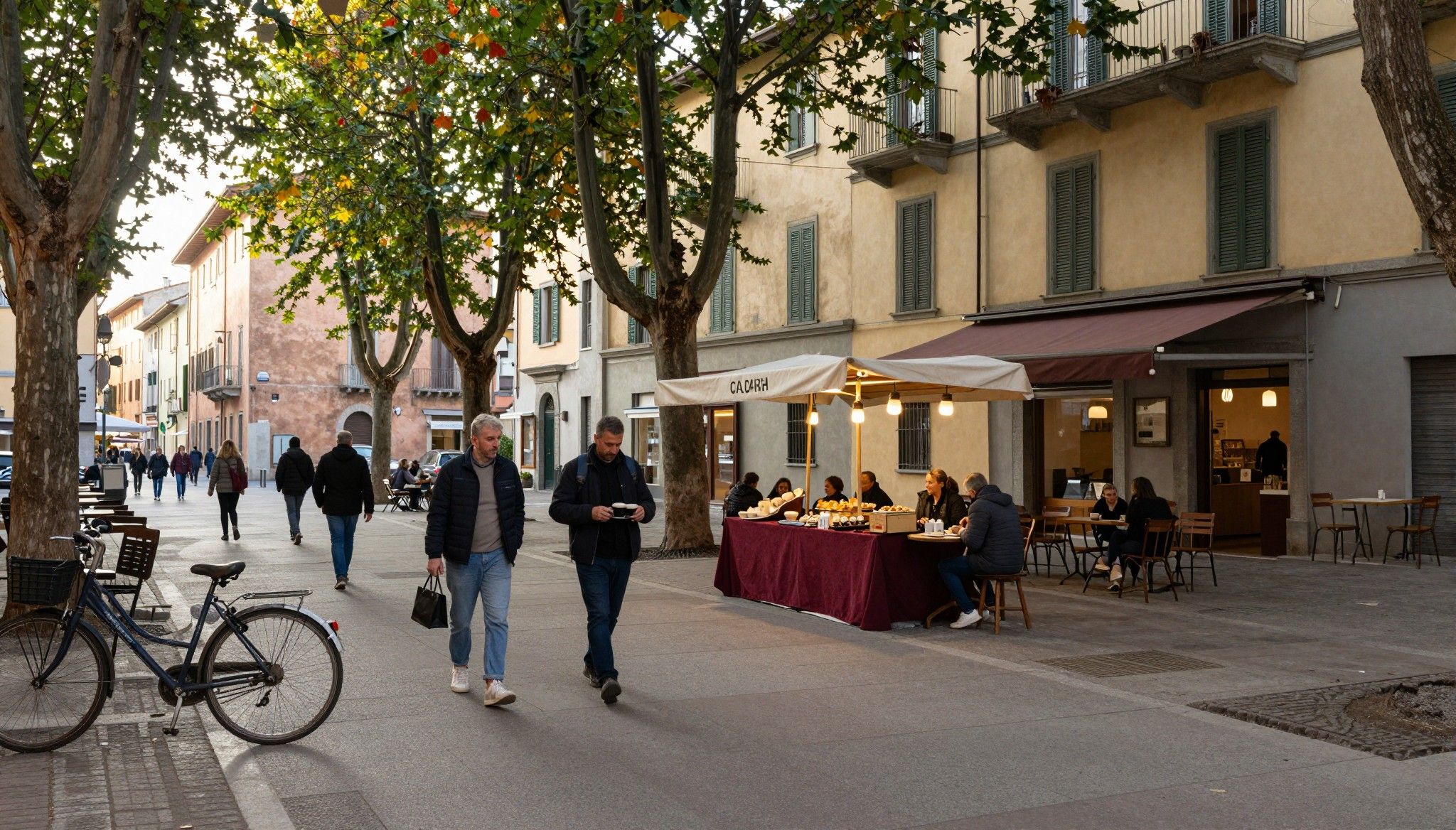
Italy’s appeal is sensory: tram rails humming under piazzas, chestnut trees shading hilltop villas, fishmongers arranging their catch on crushed-ice beds. Those sensory impressions explain why buyers choose Tuscany for its mellow cypress-lined roads, Liguria for its steep, sun-splashed promenades, and Puglia for its whitewashed courtyards and sea-facing terraces. Understanding lived experience — morning markets on Via Borromei in Milan versus late-night passeggiata in Lecce — clarifies what a property must supply: a kitchen for fresh produce, a terrace for evening light, or secure storage for winter migration.
Florence, hill towns and the quiet of provenance
In Florence and its nearby hill towns such as Fiesole, life is articulated around craftsmanship and restrained refinement: morning markets in San Lorenzo, late-afternoon aperitivi along the Arno, and restoration studios tucked near artisan workshops. Properties here often carry clear provenance: palazzi with late‑Renaissance details, restored farmhouses with original chestnut beams. Expect history to shape both lifestyle and renovation limits — and for those limits to be part of the attraction rather than a burden.
Puglia and the southern light that reshapes value
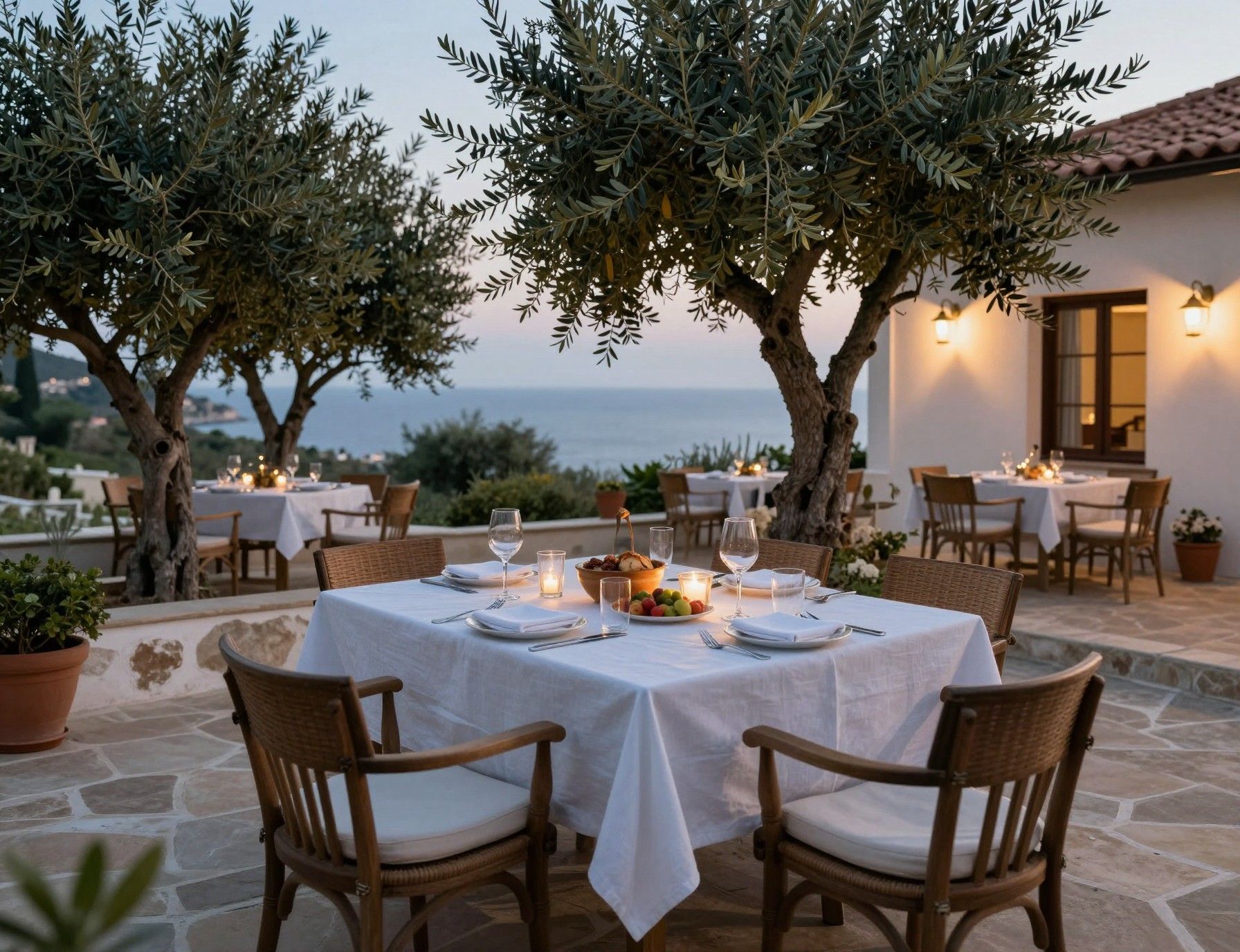
Puglia has quietly rewritten buyer expectations: white trulli clustered among olive groves, limestone courtyards warmed by long summers and unexpectedly vigorous international interest. As the Financial Times observed, inquiries are rising and prime renovated homes now command prices once reserved for Tuscany. The lifestyle is direct — markets bursting with sea bass, restaurants that close only when the last diner leaves — and the relative affordability until recently meant buyers could secure generously proportioned properties with authentic fabric.
- Lifestyle highlights:
- Morning market at Mercato Centrale (Florence); espresso on Via Roma (Bari); olive‑harvest weekends in Martina Franca; sunset swims at Cala Violina (Maremma); truffle fairs in San Miniato.
Making the move: how lifestyle choices change where you buy
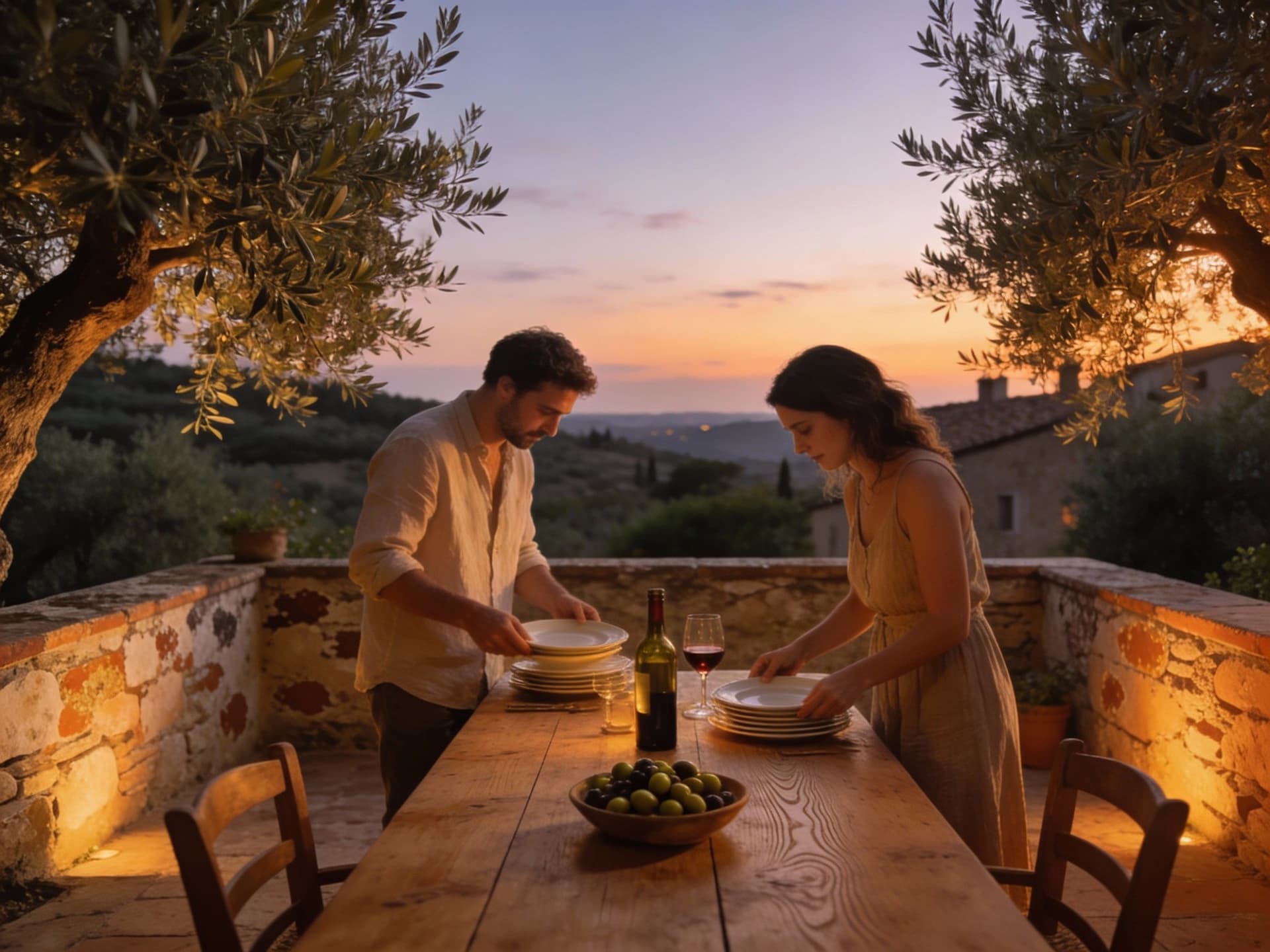
Dreams meet structure when you translate the life you want into building types and neighbourhood patterns. National indices, such as ISTAT’s house price releases, show modest national movement but conceal sharp regional contrasts; in practice, a buyer seeking sun and space will find very different supply dynamics in Calabria than in central Milan. Begin by mapping the rhythms you want — daily markets, low tourist churn, reliable transport — then match property form: apartment in a historic centre, restored masseria, or modern coastal villa.
Property styles and the life they enable
A narrow palazzo flat offers proximity to museums, cafes and the city’s social life but limits outdoor living; a stone farmhouse in Tuscany invites gardens, olive trees and quiet winters but requires investment in heating and access. In Puglia, trulli or converted lamie provide distinctive character and generous outdoor rooms but demand specialist restoration skills. Match architecture to routine: if al fresco dining is essential, prioritise terraces and courtyards over central-urban square metres.
Working with local experts who know neighbourhood rhythm
A specialist agent with deep neighbourhood knowledge does more than show listings; they help you understand seasonal population shifts, typical rental demand, and where restoration consent is straightforward versus restrictive. Expect them to advise on neighbourhood cadence — from quieter residential via dei Colli to lively corso shopping streets — and to introduce trusted restorers, not just properties.
- Practical steps before you bid:
- 1) Spend at least one full week living in the neighbourhood to feel daily rhythm and noise. 2) Commission a local survey and energy assessment focused on genuine running costs. 3) Check recent sales within 200 metres for realistic price anchoring. 4) Ask an agent about permitted uses and restoration constraints for heritage fabric.
Insider knowledge: myths that change decisions
Three practical myths shape many international buyers’ choices: that Tuscany must always cost more, that coastal life guarantees rental returns, and that historic homes are always white elephants. ISTAT data show regional variation and recent upticks in specific areas; the truth is nuanced. A village near a rising food scene may outperform an anonymous seaside resort precisely because it attracts year-round visitors and restorers rather than seasonal crowds.
Cultural integration: how locals live and what they expect
Integrating requires small rituals: learn to queue for a cappuccino; accept that timing is social rather than transactional; attend the local festa and introduce yourself to the market vendor. Language matters less in many coastal or touristed towns, but learning Italian opens doors to municipal contacts and craftsmen. The reward is not only social ease but access to better restoration teams and off‑market opportunities.
How the life you buy must evolve over time
Think in chapters: early years of intense renovation and social discovery; a decade of settled routines; later years emphasising low-maintenance design and proximity to services. Choose properties that can be adapted — a large attic convertible to a caretaker flat, a separate guest apartment for seasonal lettings, or a garden that can be simplified if mobility needs arise. Such choices preserve both lifestyle and capital over time.
Conclusion — fall for the life, prepare for the ledger. Italy rewards those who prioritise texture: seasons, markets, neighbourhood rituals and architectural provenance. Use national data (ISTAT) and regional listings (Idealista, FT reporting) to temper romantic impulses with realistic price anchors, and work with agents who can translate a neighbourhood’s daily rhythm into concrete property choices. If you want a next step, spend a fortnight living in your preferred district, commission a local technical survey and speak with an agent who knows both the craftspersons and the municipal officers — that combination reveals where real value hides.
Dutch former researcher who moved to Lisbon, specialising in investment strategy, heritage preservation, and cross-border portfolio stewardship.