Why Italy’s Price Reputation Misleads Buyers
Italy’s charm masks nuanced market shifts: micro-neighbourhoods, existing-home strength and municipal rules shape where lifestyle and value converge.
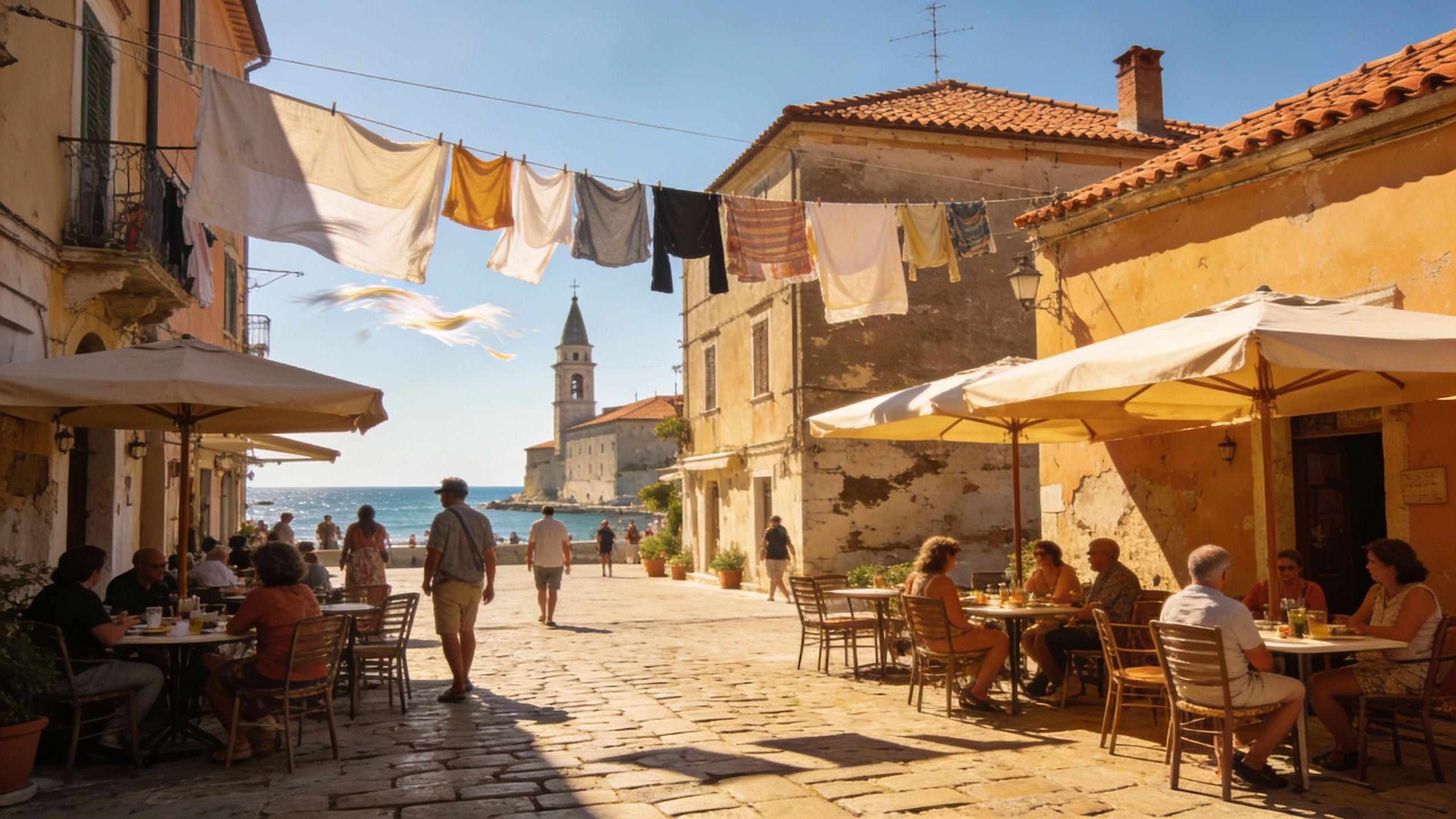
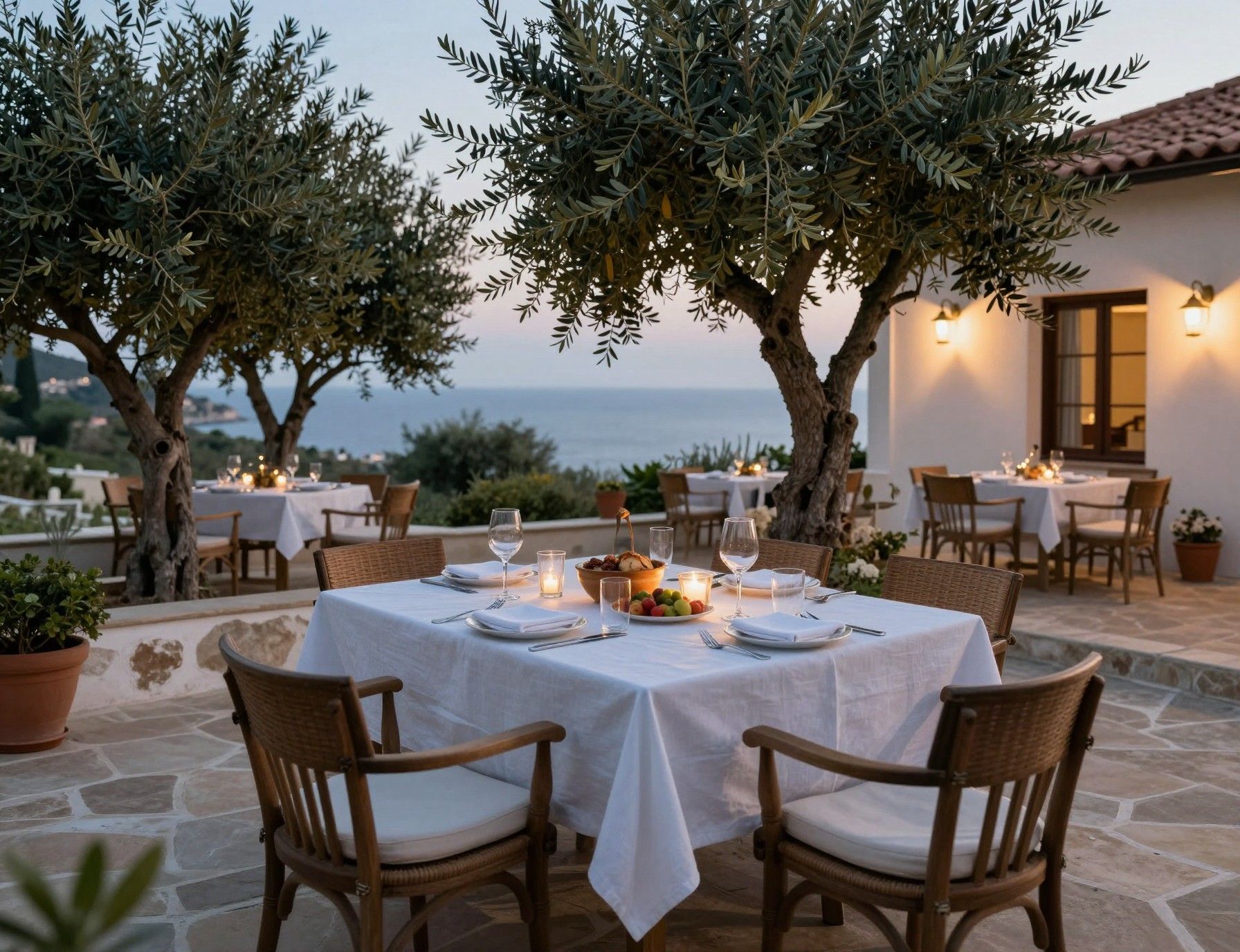
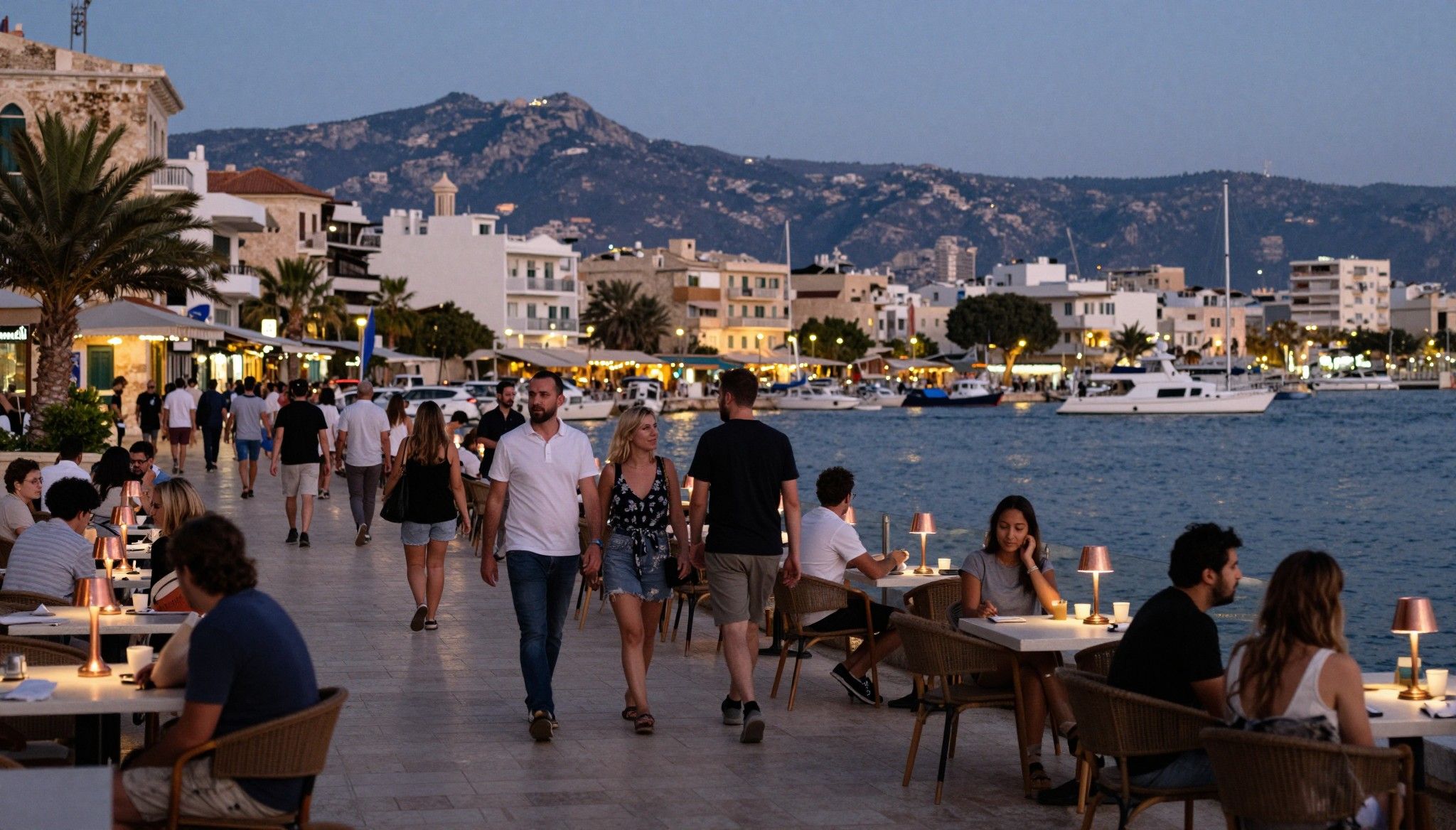
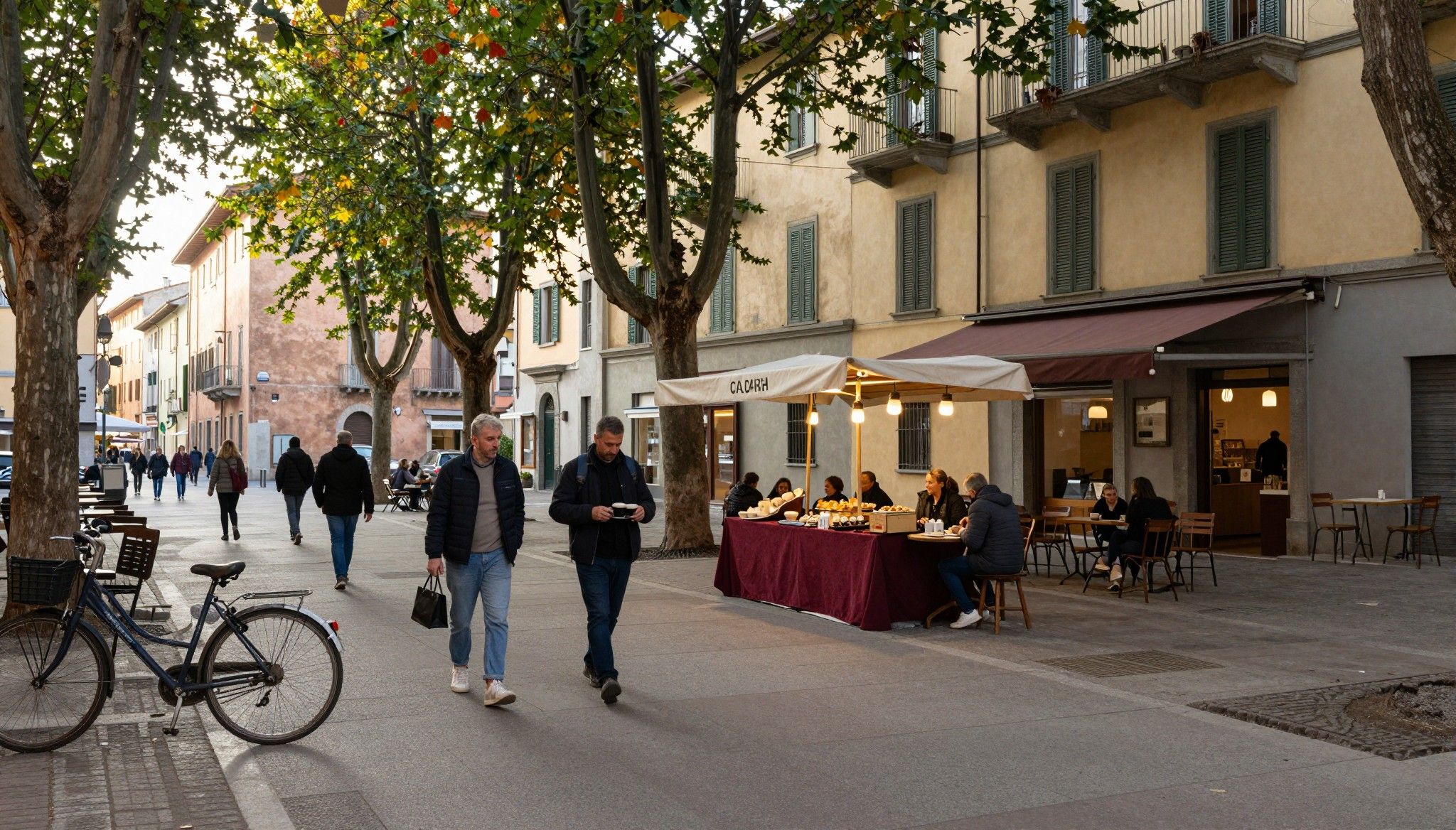
Imagine stepping out at first light onto a narrow street in Bologna’s Santo Stefano, espresso in hand, the scent of fresh focaccia drifting from a neighbourhood forno; or watching fishermen mend nets on the Lungomare in Trieste while the Adriatic light softens the stone façades. Italy’s appeal is not a single image but a set of lived moments: markets that pulse on Saturday mornings, afternoons in sunlit piazze, and evenings that cluster around slow meals. These rhythms shape where people choose to live more than zip codes or headline prices. Still, beneath this romance lie real, measurable shifts in price, demand and regulation that matter to anyone buying from abroad — and recent market analysis shows nuanced growth rather than uniform inflation.
Living the Italian lifestyle
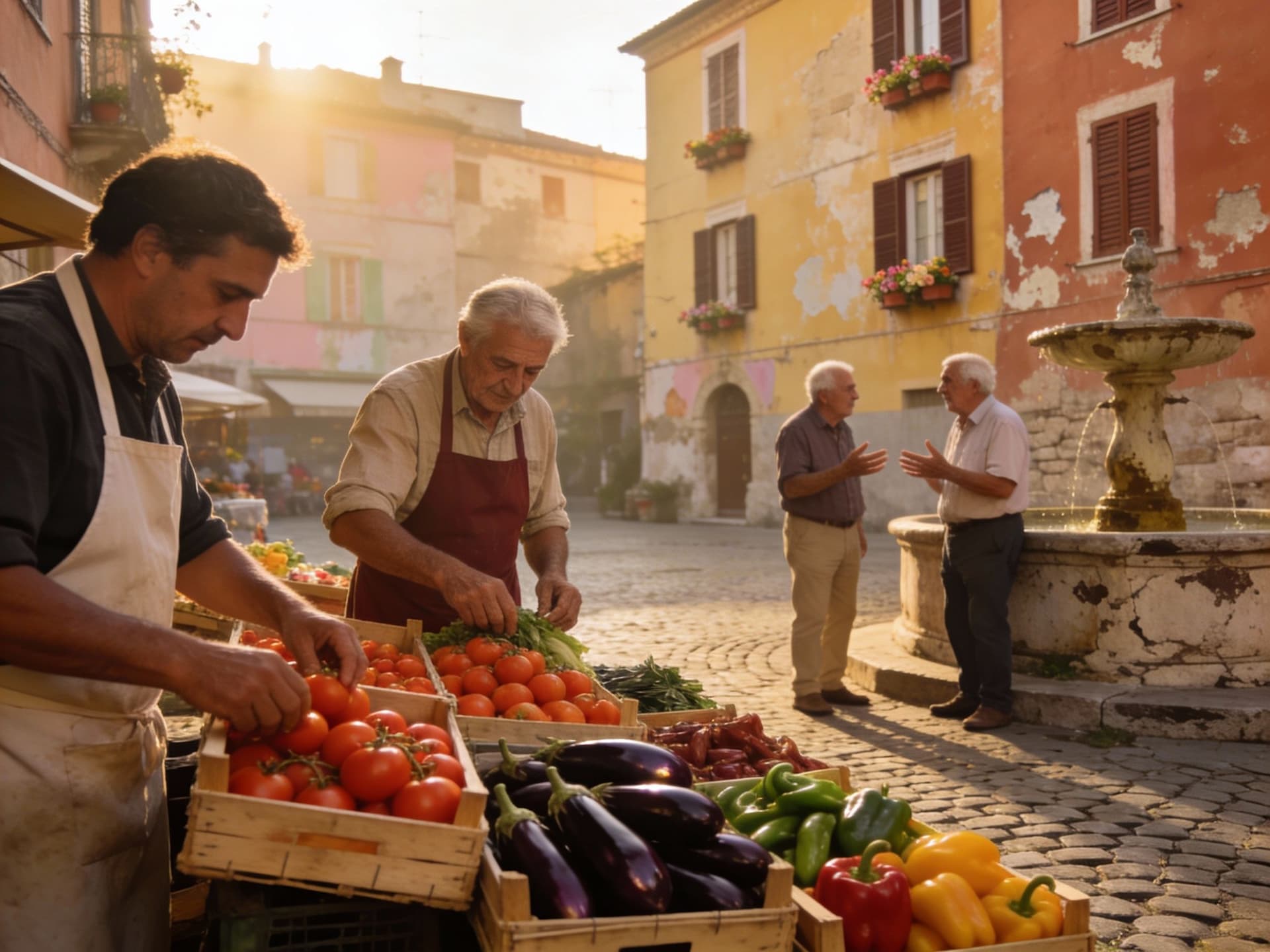
Daily life in Italy privileges texture over tempo: a morning cappuccino at Bar Lucia on Via Piave, a weekday mercato where fishmongers know your name, or an after-school futbol match in a piazza ringed by 19th‑century palazzi. The contrast between historic centres and coastal villages is striking but complementary; both offer social infrastructure — cafes, trattorie, artisan shops — that sustains daily pleasure. For an international buyer, those small civic economies are where value is felt, not merely seen. When you prioritise neighbourhood rhythm you choose a life that endures beyond tourist seasons.
Bologna: Collegiate calm and practical proximity
Bologna’s centro storico offers frescoed porticoes, modest apartment blocks with high ceilings, and an expat community quietly anchored by the university. Streets such as Via Dè Toschi and the small lanes around Santo Stefano host daytime artisans and evening osterie that create a year-round neighbourhood life. Properties here reward buyers who value walkability and robust services — laundries, specialist grocers, and reliable regional rail links to Florence and Milan. Expect to pay for convenience; what you gain is a neighbourhood that works in practice, not just in postcards.
Liguria’s lesser-known Riviera towns: grit with sea views
Beyond Portofino’s glossy reputation, towns like Sestri Levante and Camogli offer pastel-fronted houses, small fishing harbours and modest prices relative to perceived Riviera cost. Narrow alleys lead to family-run bakeries and simple trattorie where local fishermen sell their catch at the market before noon. For buyers seeking coastline without the resort premium, these towns combine strong seasonal rental demand with permanent neighbourhood life. The trade-off is often smaller interiors and steeper terrain — features that become character, not compromise, when you value provenance.
- Lifestyle highlights (real places, real habits)
- Saturday market at Campo de’ Fiori, Rome — morning crowds, olives, seasonal produce.
- Sunset aperitivo along Trieste’s Barcola promenade — local families and solitary readers.
- Ceramic workshops in Faenza and artisan leather studios in Florence’s Oltrarno.
- Sunday passeggiata along Milan’s Navigli when restaurants spill onto quays.
Making the move: lifestyle-tested practicalities
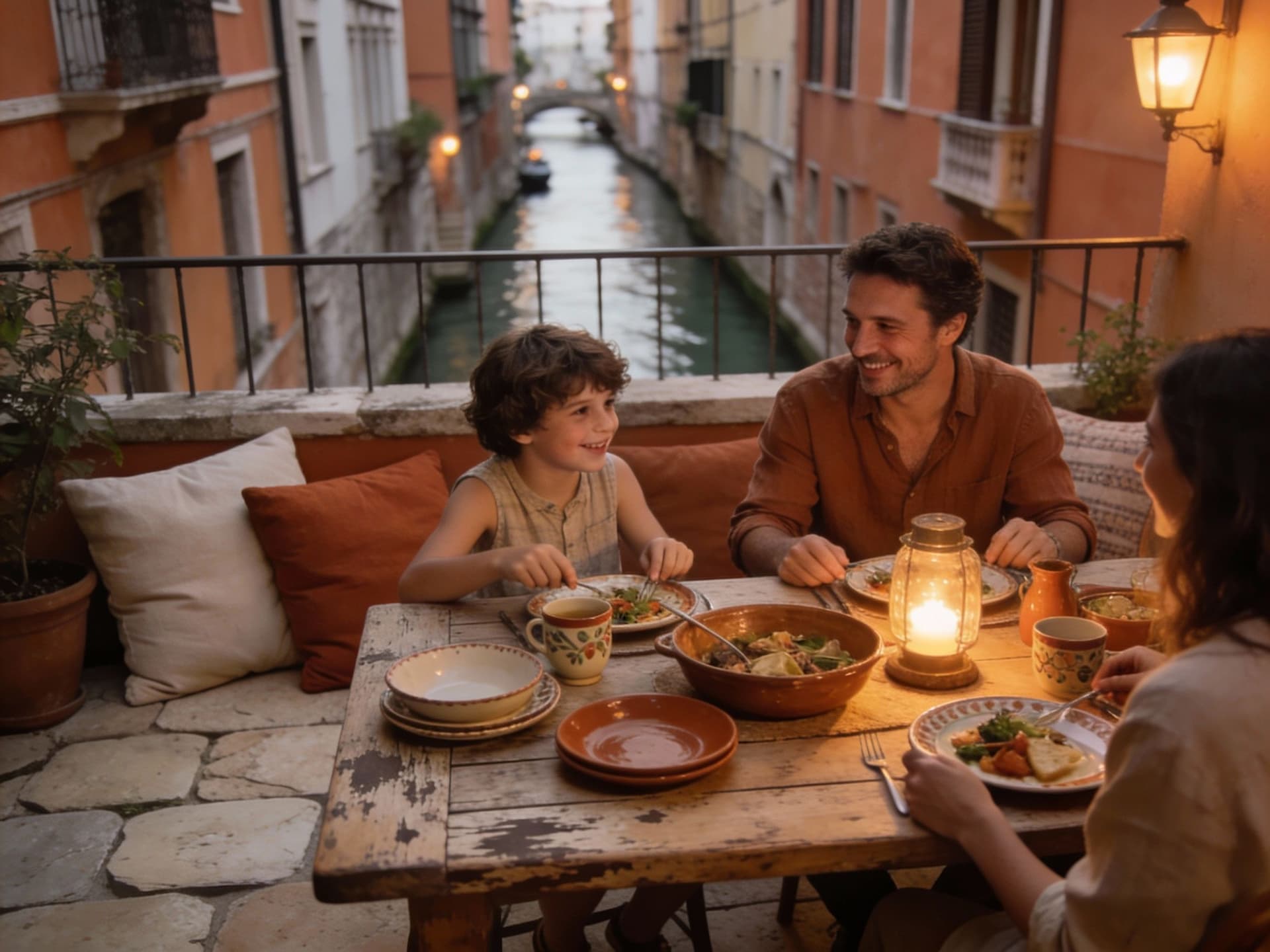
The dream of mornings in a piazza must coexist with transactional realities: prices vary sharply by micro-neighbourhood, stock of existing dwellings dominates the market, and short-term rental rules shift at municipal level. National data show existing-dwelling prices growing faster than new-builds in early 2025, a detail that matters when you compare restored palazzi to contemporary apartments. For international buyers that means provenance and restoration quality often determine long-term value more than headline location alone. Working with advisers who read both lifestyle and the statistics is essential.
Property styles and how they shape living
A restored 18th‑century apartment in a historic centre delivers tall windows, original mouldings and a civic address that resists fleeting fashions; a countryside casale offers land, privacy and a different set of maintenance responsibilities. Luxury segments have shown above-average appreciation in recent years, though this is uneven across provinces and often tied to limited supply. Choose a property type that matches daily life — terraces for evening dining, compact kitchens for market cooking, or a cellar for wine if provenance matters. The architecture you buy dictates maintenance cadence and the kinds of neighbourhoods that sustain your life.
Working with local experts who curate lifestyle fit
Agencies that understand artisan trades, heritage constraints and local rhythms will save you months of missteps. They introduce you to competent restorers, municipal building officers, and neighbourhood shopkeepers — people who turn an address into a lived experience. Ask agencies for examples of recent transactions in the exact street or block you love and request references from clients who purchased with a year-round lifestyle in mind. The right advisor frames inspections around daily life: sunlight at breakfast in the kitchen, noise levels during the passeggiata, and proximity to markets.
- Practical steps that preserve lifestyle value
- Inspect at different times: morning market, midday quiet, evening activity.
- Confirm local short‑term rental rules and past enforcement to understand flexibility.
- Request photographic record of restorations, original features, and recent structural work.
- Meet the neighbours: cafés, shopkeepers and building administrators often reveal hidden issues.
Insider knowledge: what expats wish they'd known
Expats often discover that cultural customs — how shops close on Tuesday afternoons, the importance of local festa calendars, or the cadence of communal heating — change daily life more than property features do. Practical surprises also arise from shifting regulation: recent court rulings and municipal measures around short-term rentals have altered owners’ income calculations and management strategies. Knowing which municipal ordinances apply, and where enforcement has been active, separates a prudent buyer from an unlucky one. Shared local knowledge, rather than glossy listings, will keep your decision both joyful and secure.
Language, community and integration
You will find that a few conversational phrases smooth daily errands and that regular attendance at a local mercato or a civic association meeting accelerates acceptance. Language need not be perfect to belong; neighbours value consistency and local courtesy above fluency. Many buyers report that hiring a small, local fixer or archivist to navigate restoration permits repays itself through faster approvals and fewer misunderstandings. Integration is practical work as much as social ease.
Long-term stewardship and resale thinking
Looking five to fifteen years ahead, stewardship matters: appropriate materials, reversible interventions and documented provenance protect value. National indices show stronger growth in existing homes — a signal that careful restoration and attention to original fabric can materially affect resale. Buyers who invest in sympathetic upgrades — improved waterproofing, upgraded mechanical systems, discreet insulation — find their properties compete not on novelty but on enduring quality. Such investments maintain the very lifestyle that attracted buyers in the first place.
If you are moved by Italy’s textures and neighbourhoods, begin by visiting at daily scale: stay a week in a street you like, observe markets and cafés, and measure sunlight in the rooms you covet. Then assemble a small team: a local agency conversant in the neighbourhood, a conservator or architect for historic properties, and a lawyer who understands municipal practice. These steps convert affection into disciplined acquisition; they preserve the life you imagined and protect the investment behind it. When you buy in Italy well, you buy a way of life as much as a place.
Dutch former researcher who moved to Lisbon, specialising in investment strategy, heritage preservation, and cross-border portfolio stewardship.