Italy: Neighbourhood Life, Stewardship and Smart Moves
Fall for Italy’s neighbourhoods—then plan like a steward: blend market realities (taxes, notary checks) with vivid local rituals to buy well and live well.
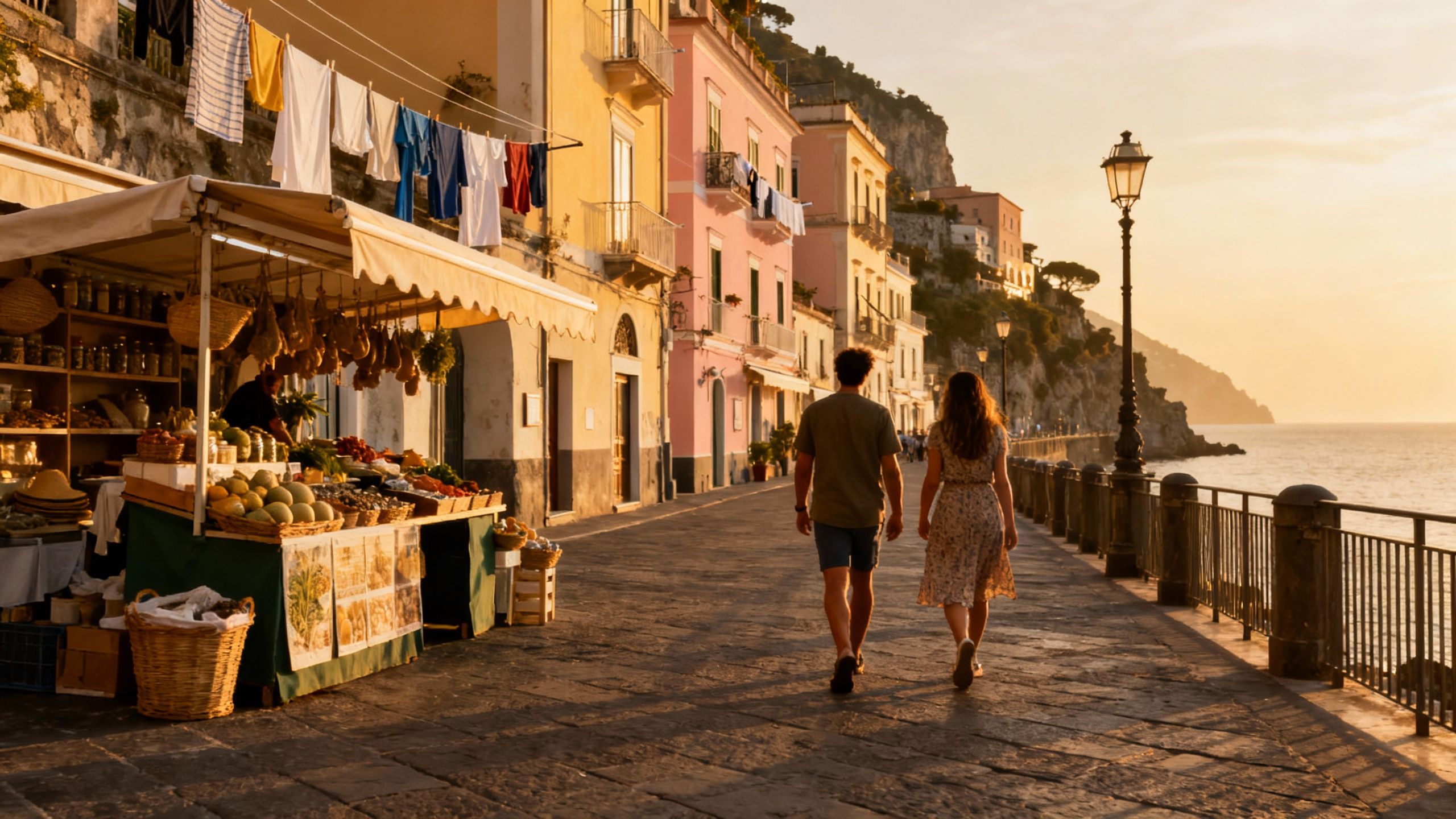
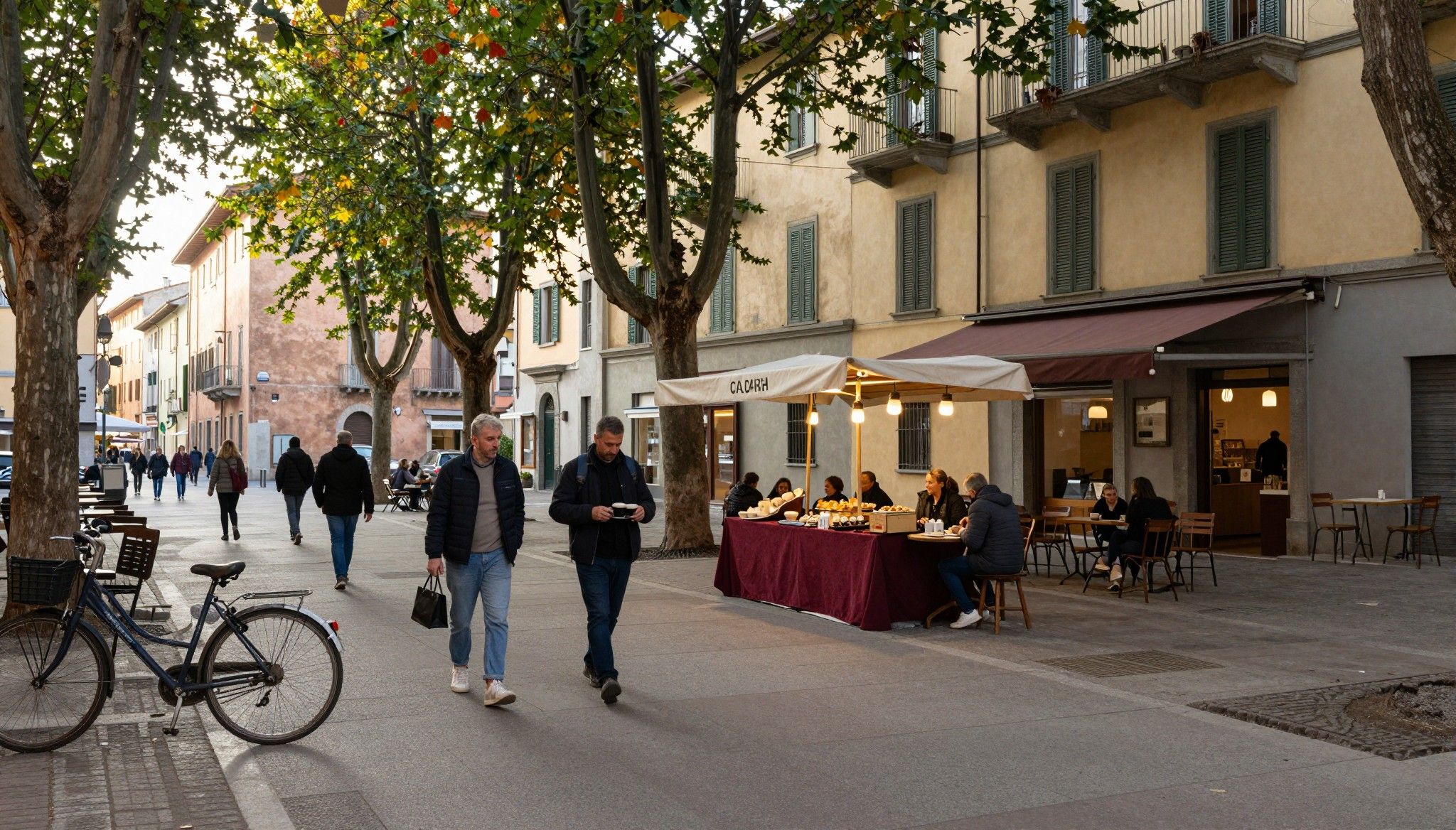
Imagine waking on a cool autumn morning in a narrow Florentine street, the smell of espresso and baking focaccia drifting from a corner bar. Picture a weekend market in a Ligurian piazza where fishermen and families negotiate over the daily catch, or a late-afternoon passeggiata along the Amalfi cliffs. Italy is not a single lifestyle but a gallery of habits—slow breakfasts, abrupt conversations, markets that set the rhythm of the week—and where you choose to live will rewrite how you order time, food and company.
Living the Italy lifestyle: daily rhythms and neighbourhood character
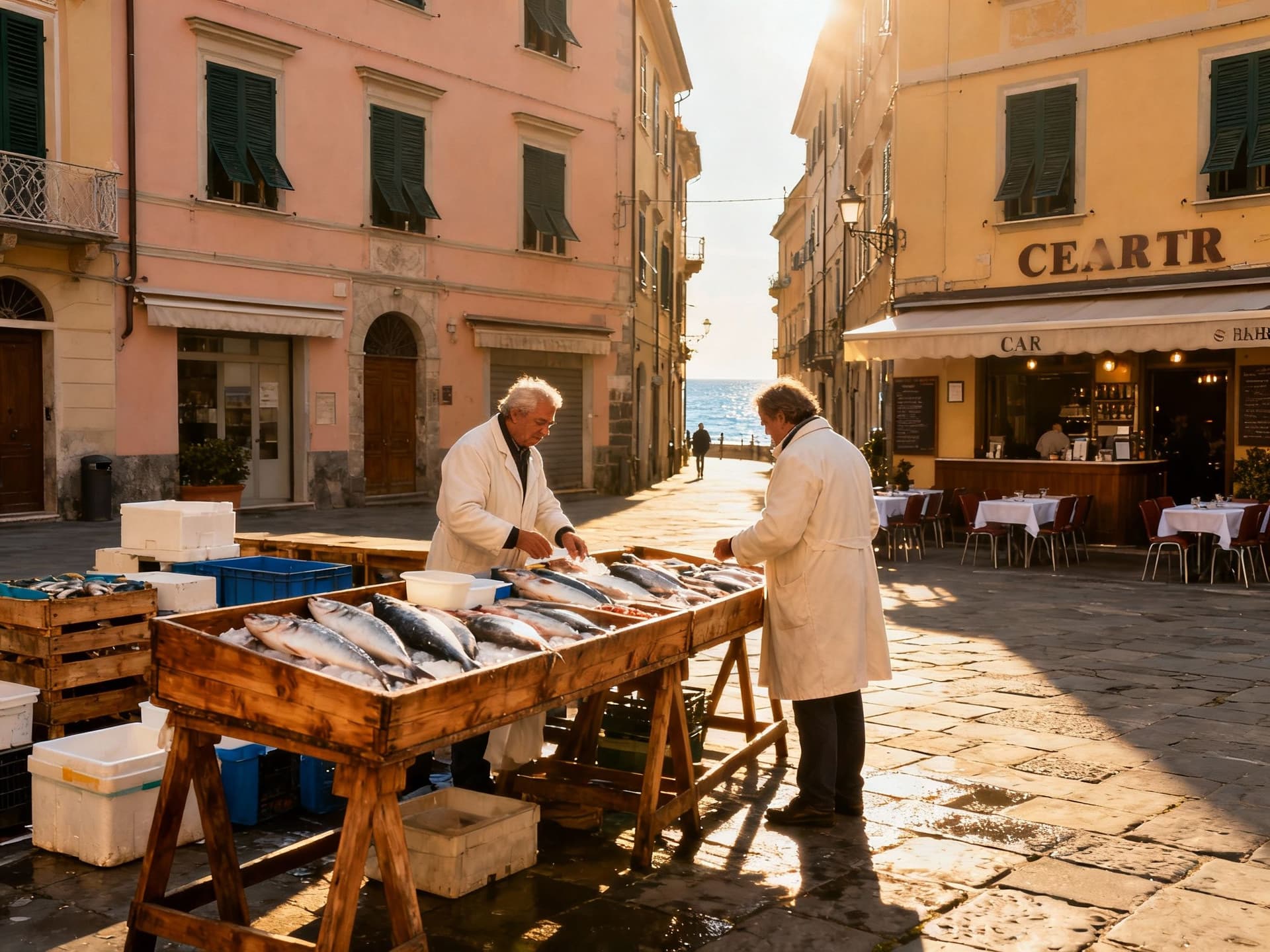
Life in Italy is composed of discrete neighbourhood rituals. In cities you live with a cafe at the corner, a baker you greet by name, and streets defined as much by the weekly market as by transport links. Coastal towns prize terrace life and the sea; hill towns revolve around communal squares and church bells; provincial provincial capitals keep quieter cultural programmes yet retain unexpectedly refined restaurants and artisan workshops.
Florence: the quiet luxury of craft and cortado
Staying in Oltrarno or San Niccolò means living among ateliers, restored palazzos and narrow lanes where restoration is an industry. Mornings are for a quick espresso at La Cite or Caffè Gilli, afternoons for a stroll past artisan leatherworkers on Via Romana, and evenings at an osteria serving a simple bistecca. Properties here reward buyers who value provenance: original trabeation, stone staircases, and rooms that read as chapters of architectural history.
Liguria and the Riviera: terraces, alleys and salt air
Choose Vernazza or Camogli and everyday life moves outdoors—balconies for morning fruit, late lunches of trofie al pesto, and narrow alleys where neighbours trade news. The house types are compact: townhouses clinging to slopes, terraces with sea views, and small gardens accessible by steps. For buyers who prize daylight and a neighbourhood where everyone knows your child’s name, these districts trade scale for intimacy.
- Lifestyle highlights: weekly markets at Mercato Centrale (Florence), aperitivo at Piazza Matteotti (Camogli), the Sunday fish market in Porto Santo Stefano, truffle fairs in Alba, and morning coffee at Caffè Sicilia in Noto.
Making the move: practical considerations that preserve the lifestyle
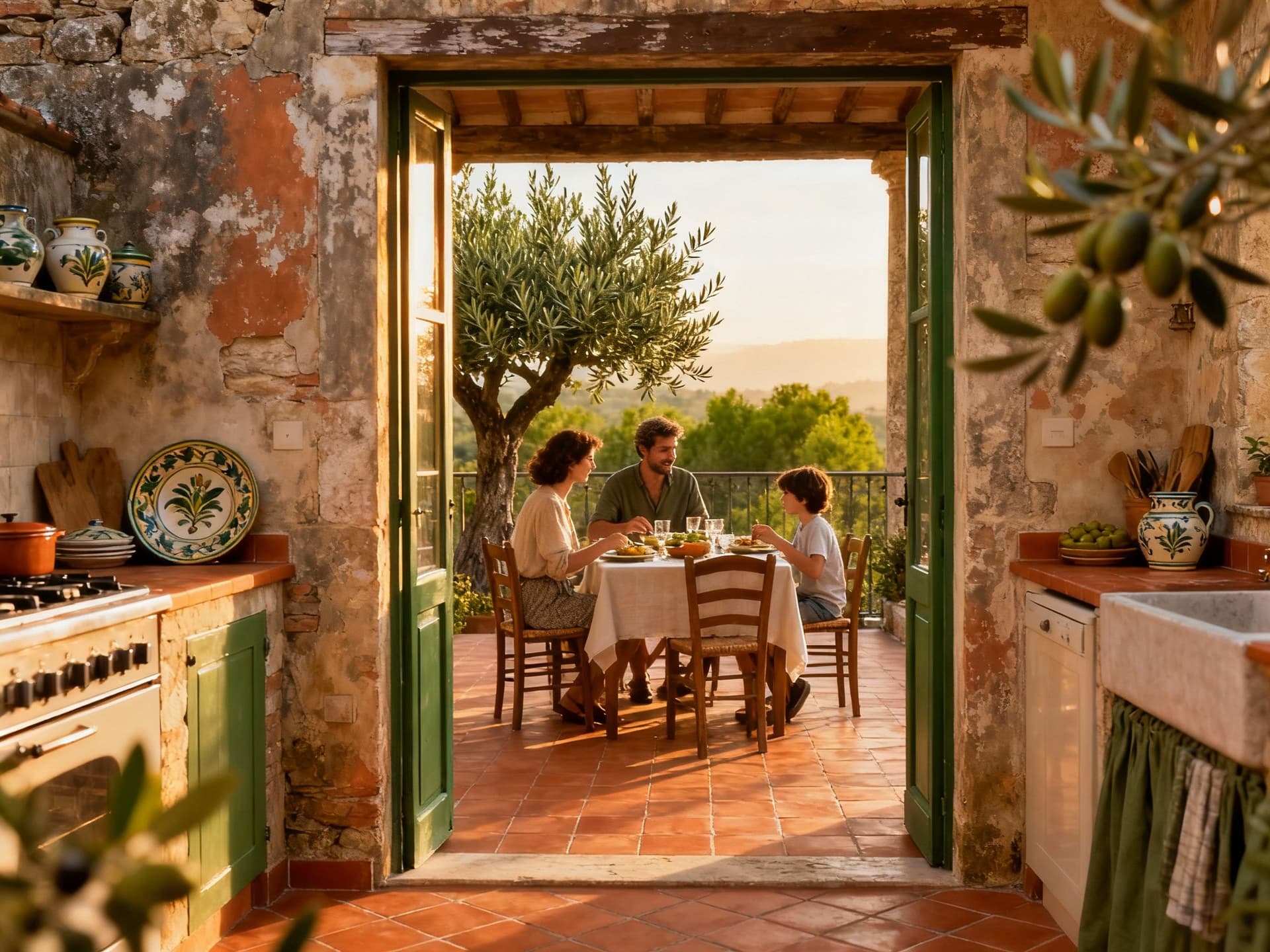
The romantic image of Italy must be reconciled with administrative reality. Registering a property, choosing the 'prima casa' tax regime where eligible, and understanding municipal taxes such as IMU will materially affect both budget and where you can afford the lifestyle you want. Practical steps taken early—securing a codice fiscale, commissioning a survey, discussing VAT versus registration tax—keep the dream intact and the renovations honest.
Property types and how they shape daily life
A city apartment provides proximity to services and cultural life but often lacks private outdoor space; a terraced Ligurian house gives you morning light and sea views at the cost of steps and maintenance. Restored farmhouse conversions in Tuscany offer land and privacy yet require stewardship—olive groves, stone roofs, and irrigation obligations demand management. Match property typology to how you intend to live: entertain, retreat, or split the year seasonally.
Working with local experts who understand place, not just price
An agency steeped in the neighbourhood will introduce you to artisans, municipal attitudes, and the day-to-day costs of living in a specific street. You want a geometra who reads a roof's history, a notary experienced with local title peculiarities, and an agent who can discreetly show off-market options. Engage advisors who prioritise stewardship—those who see the property as lived fabric rather than a line on a spreadsheet.
- Steps that blend lifestyle and pragmatism: 1. Map daily routines: where you'll buy groceries, coffee, and meet neighbours. 2. Commission a local surveyor to assess fabric and repair needs. 3. Confirm tax regime (prima casa vs second home) and its residency requirements. 4. Secure a codice fiscale and open an Italian bank account for utilities and taxes. 5. Contract a notary early to check titles and easements. 6. Budget for seasonal maintenance, especially on coastal and hill properties.
Insider knowledge: what expats wish they’d known before moving
Expats repeatedly tell a similar story: the move succeeds when you become a neighbour rather than a visitor. Small habits—learning basic phrases, joining a local association, understanding the market days—unlock invitations and practical help. Conversely, neglecting municipal rhythms, underestimating seasonality or assuming a holiday-season market gives a full picture leads to buyer’s remorse more often than any single financial miscalculation.
Cultural integration, language and the social fabric
Italian social life remains local and conversational. Learn the cadence of greetings, understand the importance of municipal fêtes, and expect bureaucracy to require patience and a polite persistence. Language unlocks more than utility forms; it grants access to neighbours' trust and the informal networks that make property ownership manageable—plumbers, gardeners, and the reliable pastry shop that knows your order.
Long-term stewardship: how life and investment evolve
Think in decades: maintenance of roofs, terracotta, and stone is inevitable; local planning rules often protect facades and restrict drastic alteration. Ownership in Italy frequently becomes stewardship across generations—olive groves need pruning, cellars are cared for, and small municipal taxes and inheritance rules shape estates over time. Buyers who accept this responsibility gain access to deeper value and a richer life.
- Red flags to watch for when a property feels right but hides cost: unclear cadastral mapping, missing energy certificates, unresolved condominium specials, roof works with no permits, and sellers who resist a professional survey.
If Italy feels like an invitation, the practical pathway is straightforward: decide how you want to live, engage a small team of local specialists, and let neighbourhood rituals inform not only the location but the condition and type of property you choose. Agencies that act as cultural interpreters—introducing you to markets, maestros of restoration and civic rhythms—turn abstract aspiration into a life that feels, unmistakably, Italian.
Next steps: plan a focused reconnaissance trip off-season, commission a geometra and a notary before offers, and ask agencies for references from recent international clients. Small choices—street not square, morning market not glossy restaurant—decide whether this will be a house you visit or a home you inherit.
Having moved from Stockholm to Marbella in 2018, I help Scandinavian buyers navigate Spanish property law, restoration quality, and value through authentic provenance.