House‑hunting Italy During Festa Season
Time house‑hunting around Italy’s local festivals and markets — experience neighbourhoods live, then pair those impressions with ISTAT and market data to buy with confidence.
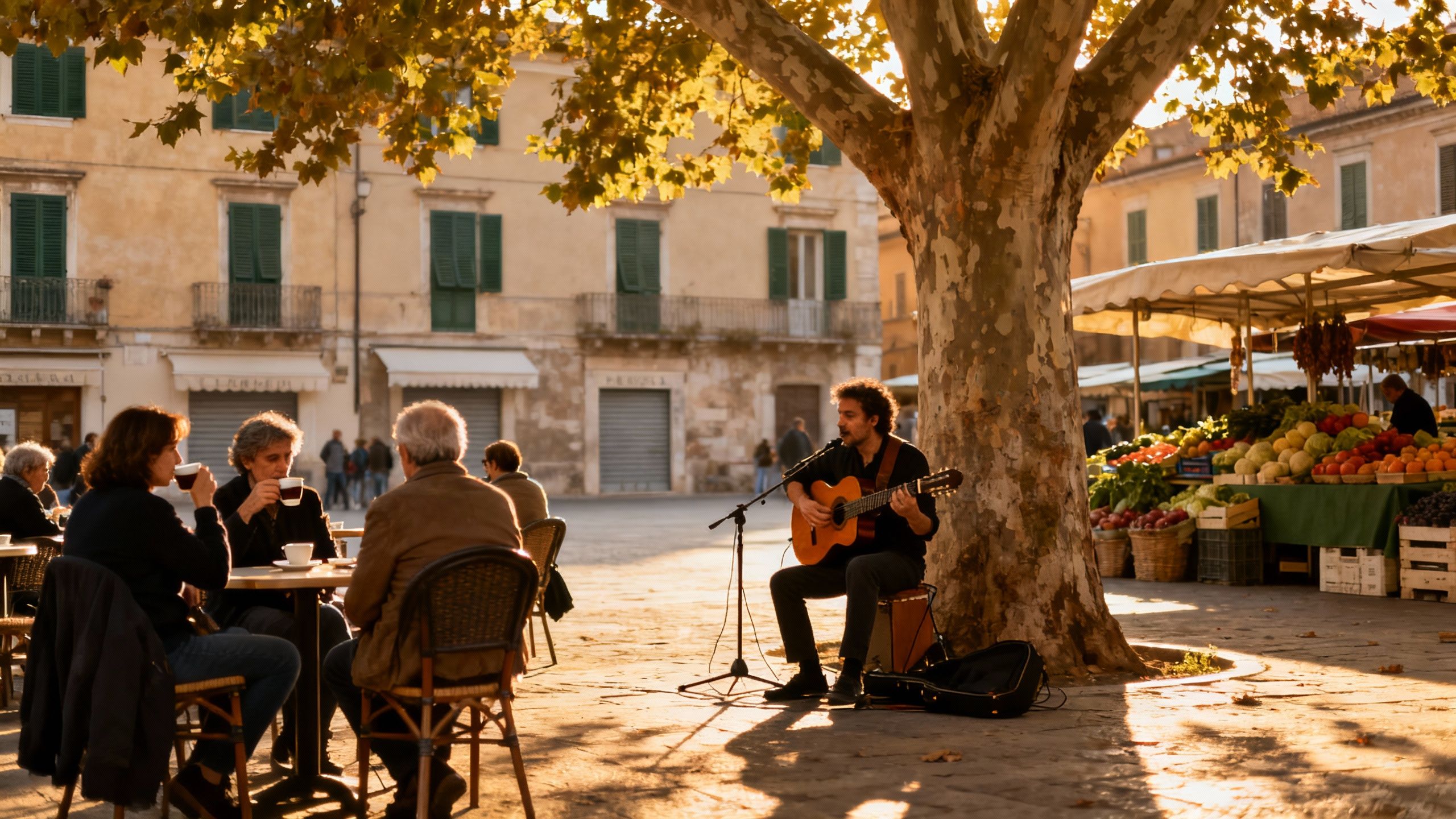
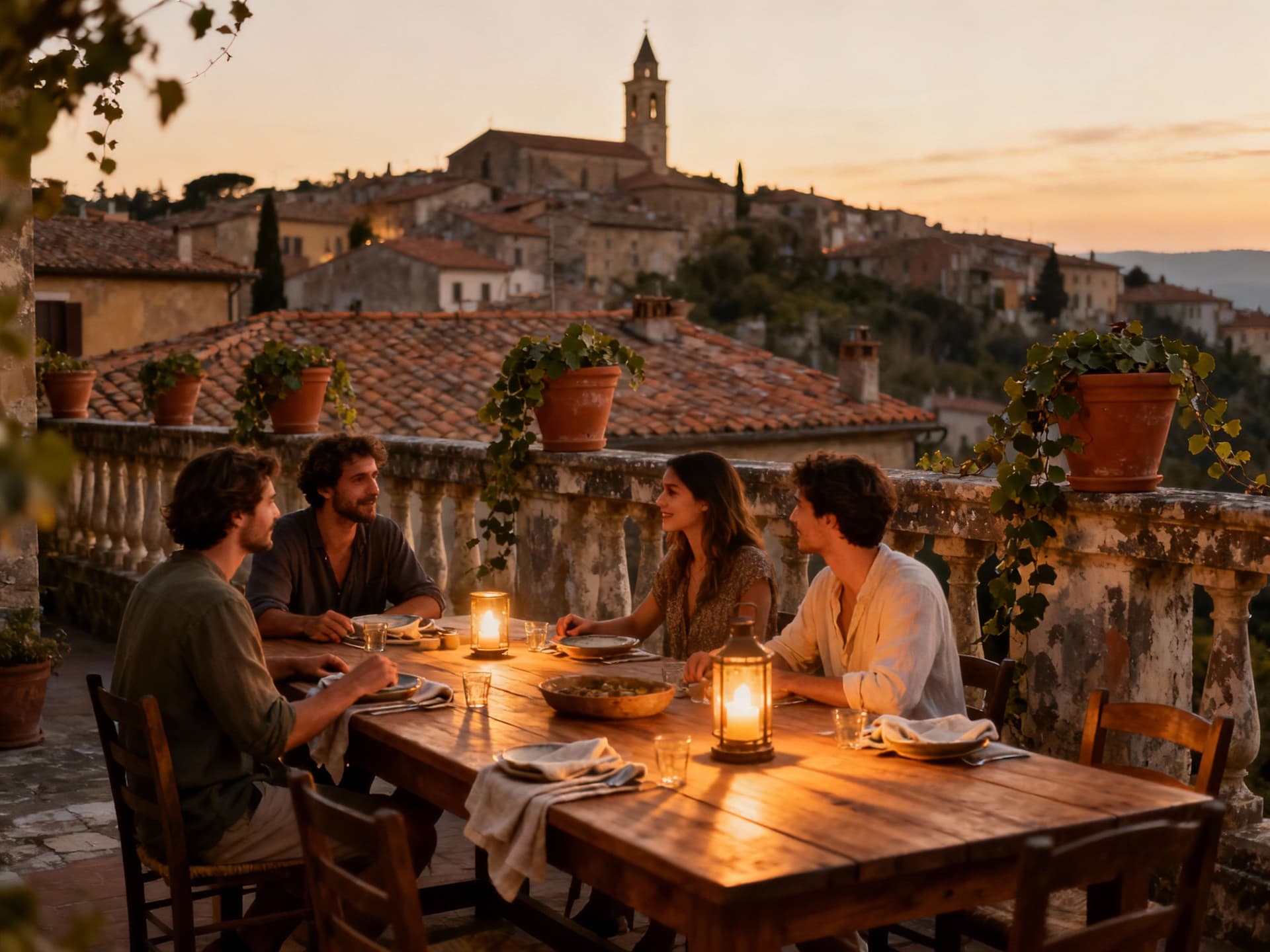
Imagine a late‑afternoon piazza in an Italian hill town: shutters drawn for siesta, a barista tamping espresso, children racing bicycles past a church façade softened by centuries of sun. It is here — amid ritual, market days and local festivals — that neighbourhood character becomes clear and the right property reveals itself.
Living the Italy lifestyle — how neighbourhoods speak

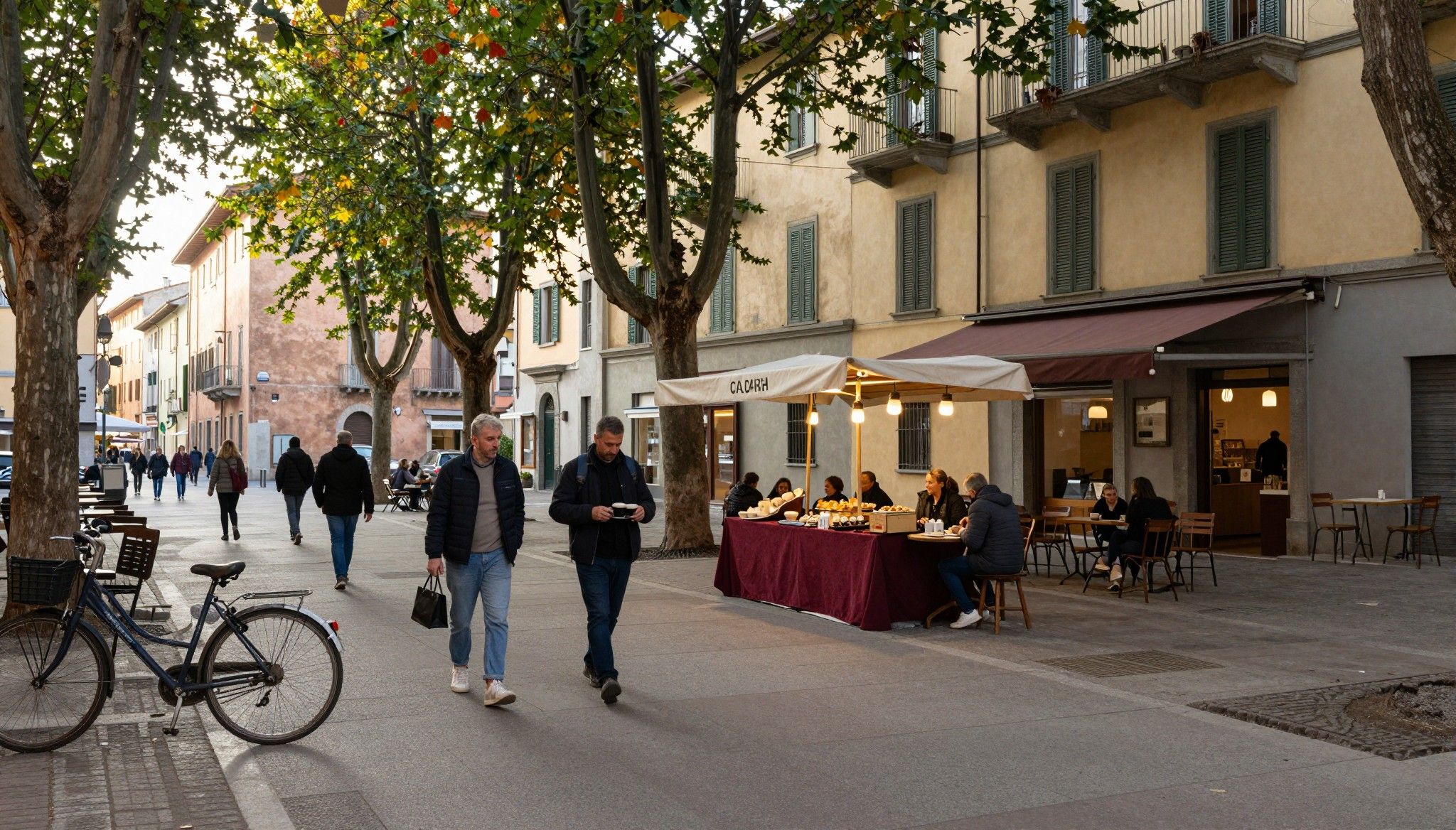
Italy is a country of distinct rhythms: morning markets in Naples, slow coastal afternoons in Liguria, late dinners in Milan. Each neighbourhood broadcasts its personality — a ruined palazzo that hosts a fermenting artisan bakery, a coastal lane lined with fishing boats, a university quarter where bookshops spill onto cobbled streets. Appreciating that character is the first step to a successful purchase.
Spotlight: Valle d’Itria and its quiet momentum
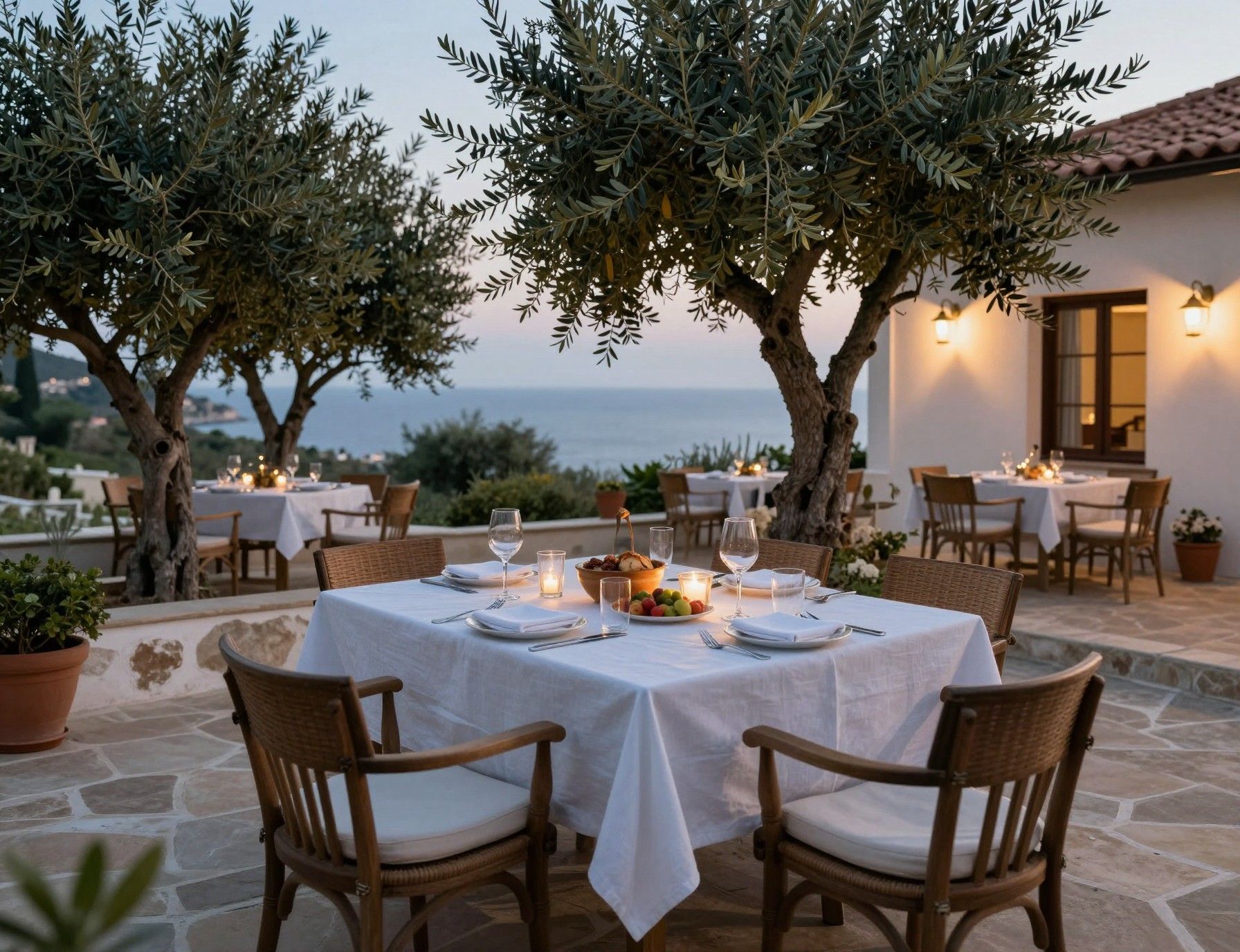
Walk through Ostuni at dawn and you feel Puglia’s slow accumulation of charm: tufa walls, olive groves, narrow streets that open to sea views. Recent buyer interest has shifted here from the expected Tuscan addresses; the region offers a combination of vernacular architecture and lower entry prices that rewards patience and selective restoration.
Food, market life and neighbourly currency
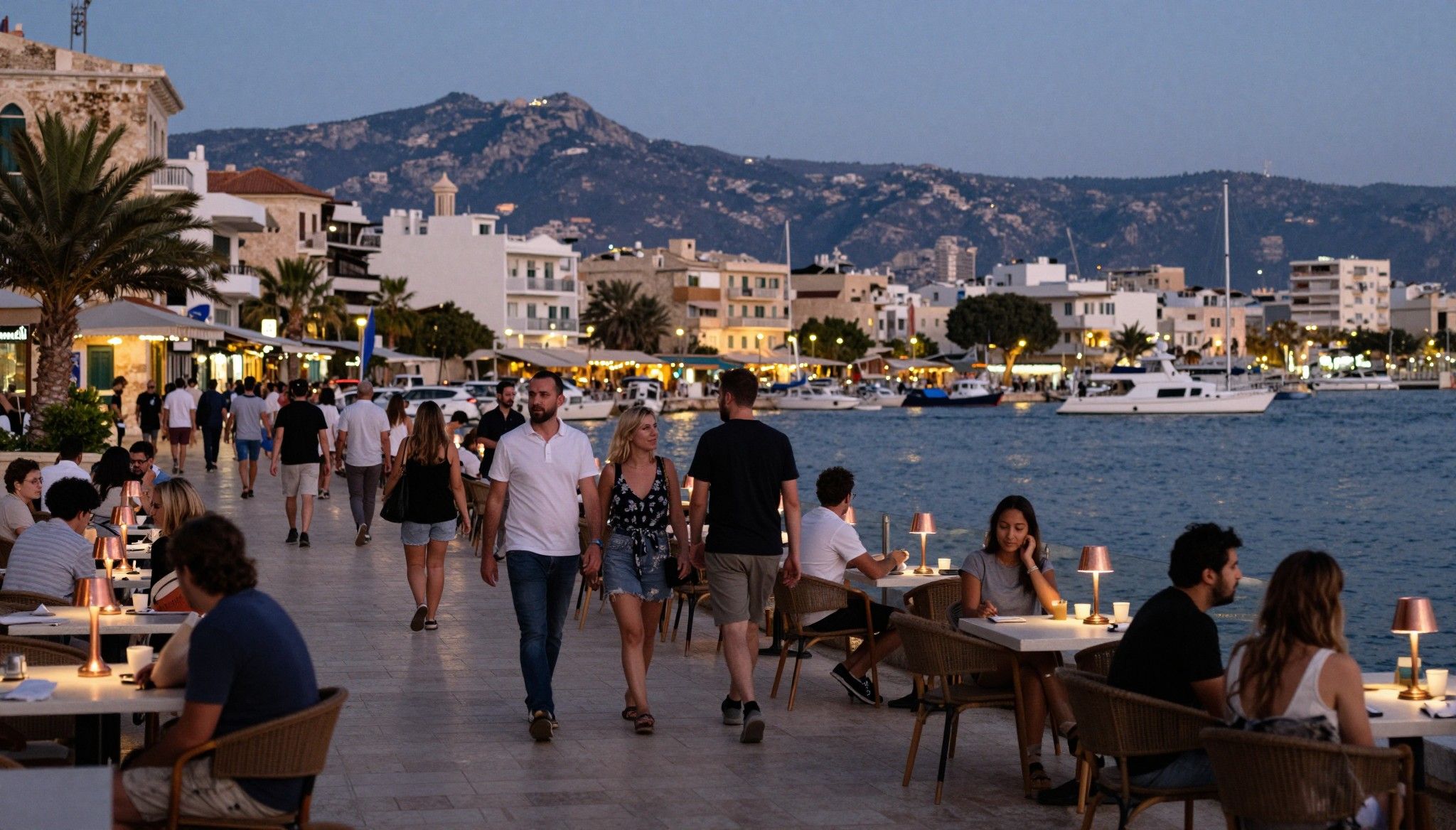
In Italy you purchase more than stone and timber: you buy access to a rhythm of life. Saturday mercato in Palermo means live sardines and bargaining that binds neighbours. An evening aperitivo in Milan’s Navigli tells you about social density, while a Sunday passeggiata along a Ligurian promenade reveals how public space is used — critical signals for long‑term living or rental appeal.
- Lifestyle highlights to scout in any neighbourhood
- Daily market or weekly farmer’s market (check freshness and vendors’ loyalty)
- Evening foot traffic for safety and sociability (piazzas, gelaterie, osterie)
- Proximity to transport without sacrificing quiet — regional trains, not just highways
Making the move: practical considerations tied to lifestyle
Market signals matter. National statistics show modest annual price growth in 2025, with variations by region and property age. That means the lifestyle you seek should inform the property typology you pursue: a restored palazzo for provenance and rental appeal; a renovated trullo in Puglia for seasonal charm; a Milanese apartment for year‑round urban life. The right agent will translate these statistics into neighbourhood‑level opportunity.
Property styles and what they mean for living
Stone cottages and palazzi require artisan restoration; energy‑class regulations are moving fast, so expect renovation costs but also value uplift from energy improvements. Contemporary conversions near transport hubs offer convenience but less charm. Match finish‑level to lifestyle: invest in a kitchen if you love local markets; prioritise outdoor space if you dream of garden lunches.
Working with local experts who know the life
- Find an agent who lives the neighbourhood: attend a market with them; ask for a map of habitual places (cafes, pharmacies, municipal office).
- Ask for three recent comparables on the street, not the town — prices change block by block in Italy.
- Request a walk‑through during a festa or market day to observe parking, noise and community life.
- Confirm energy class and recent renovation receipts; these documents materially affect mortgage and insurance.
Insider knowledge — what expats wish they’d known
Expats often arrive imagining perpetual summer. The truth is seasonal flux: inland hill towns are languid in August and unexpectedly lively on harvest weekends; coastal towns swell in July and empty in October. Those rhythms shape rental demand and daily comfort. Time your visits to the season you intend to live there.
Cultural integration and everyday social life
Language matters less than participation. Learn basic Italian; show up at a festa; bring a plate to communal gatherings. Neighbourhoods reward visible stewardship — a well‑kept balcony, participation in market barter, respect for local hours and rituals — and these actions alter how locals regard you as a buyer and neighbour.
Long‑term lifestyle and investment balance
Regions once overlooked — Puglia, parts of Calabria and inner Umbria — are attracting buyers seeking authenticity at better prices than prime Tuscany. That repositioning can yield long‑term reward if you accept seasonal rental patterns and respect planning constraints. Stewardship, not speculation, tends to preserve both value and the life you hoped to buy.
- Red flags to watch for in neighbourhoods
- Anonymised, high‑turn short lets that hollow a community (check long‑term resident ratios)
- Visible neglect of municipal services (irregular trash collection, poor street lighting)
- A cluster of unsanctioned building work — immediate planning and legal risk
When you combine the sensory — the scent of rosemary from a terrace, the clack of bocce balls in the evening, a butcher who knows your name — with careful local due diligence, the purchase becomes a stewardship rather than a transaction.
Conclusion: buy the life first and the property second. Use festivals, markets and resident routines as a low‑cost ethnography. Pair those observations with hard data — local comparables, energy class certificates and municipal planning checks — and engage a neighbourhood‑focused agent who can translate day‑to‑day living into long‑term value.
Norwegian with years in Florence guiding clients across borders. I bridge Oslo and Tuscany, focusing on legal navigation, cultural context, and enduring craftsmanship.