France: Buy the Life, Not Just the Price
France’s 2025 market shows modest recovery, but the decisive factor for international buyers is neighbourhood rhythm — buy the life, not only the price.
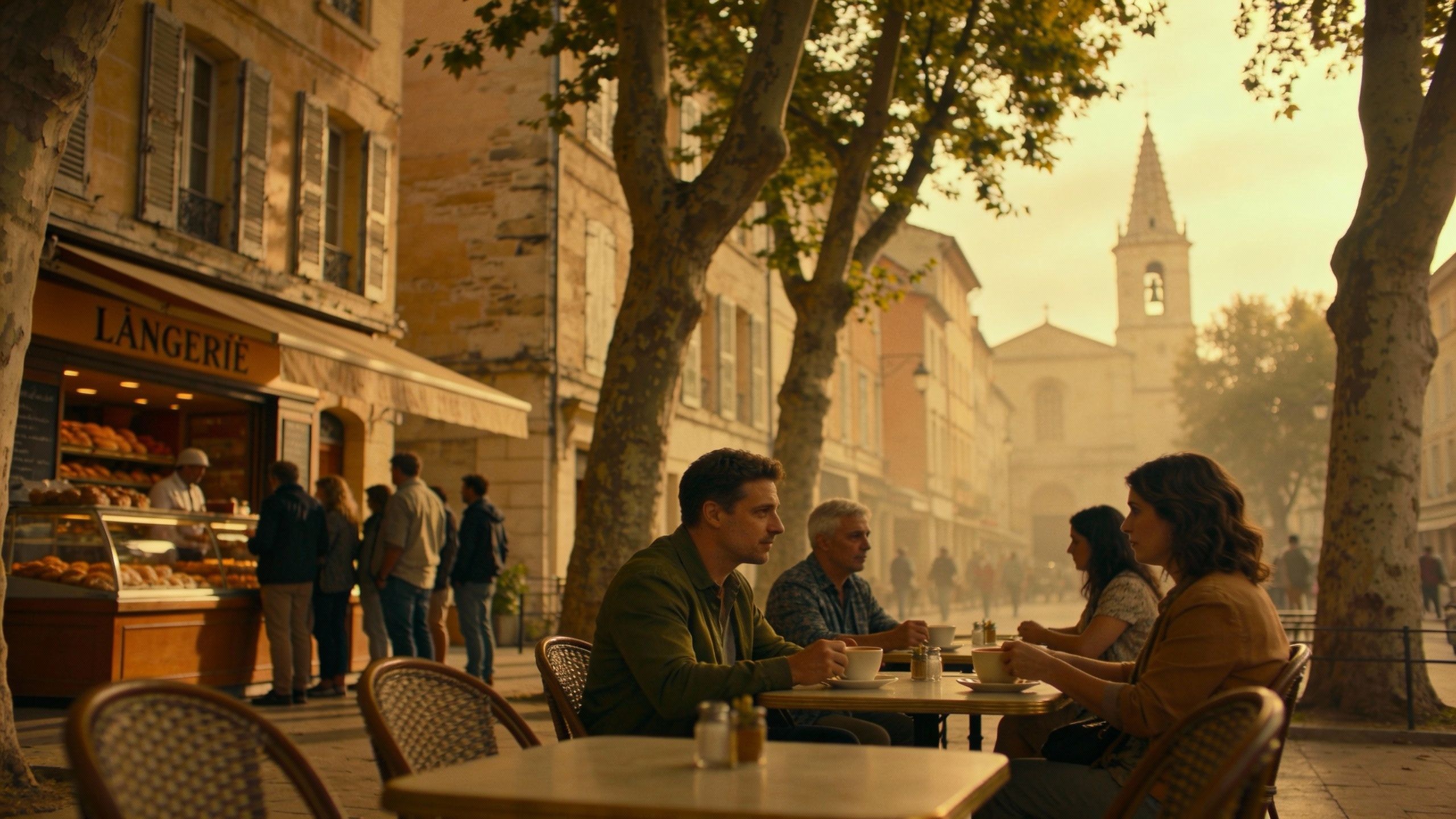
Imagine the morning light on a narrow rue in Aix‑en‑Provence, steam rising from a café au lait as a baker lifts a tray of fougasses. Picture an evening terrace in the 7th arrondissement of Paris, a low conversation under lime trees, the stone façades warm from the afternoon. France is a collage of such moments — markets, chambres de charme, and a neighbourhood rhythm that quietly sorts the day. For an international buyer the question is not merely price per square metre but the cadence of daily life and the streets that will shape it.
Living the French life — neighbourhoods that shape days
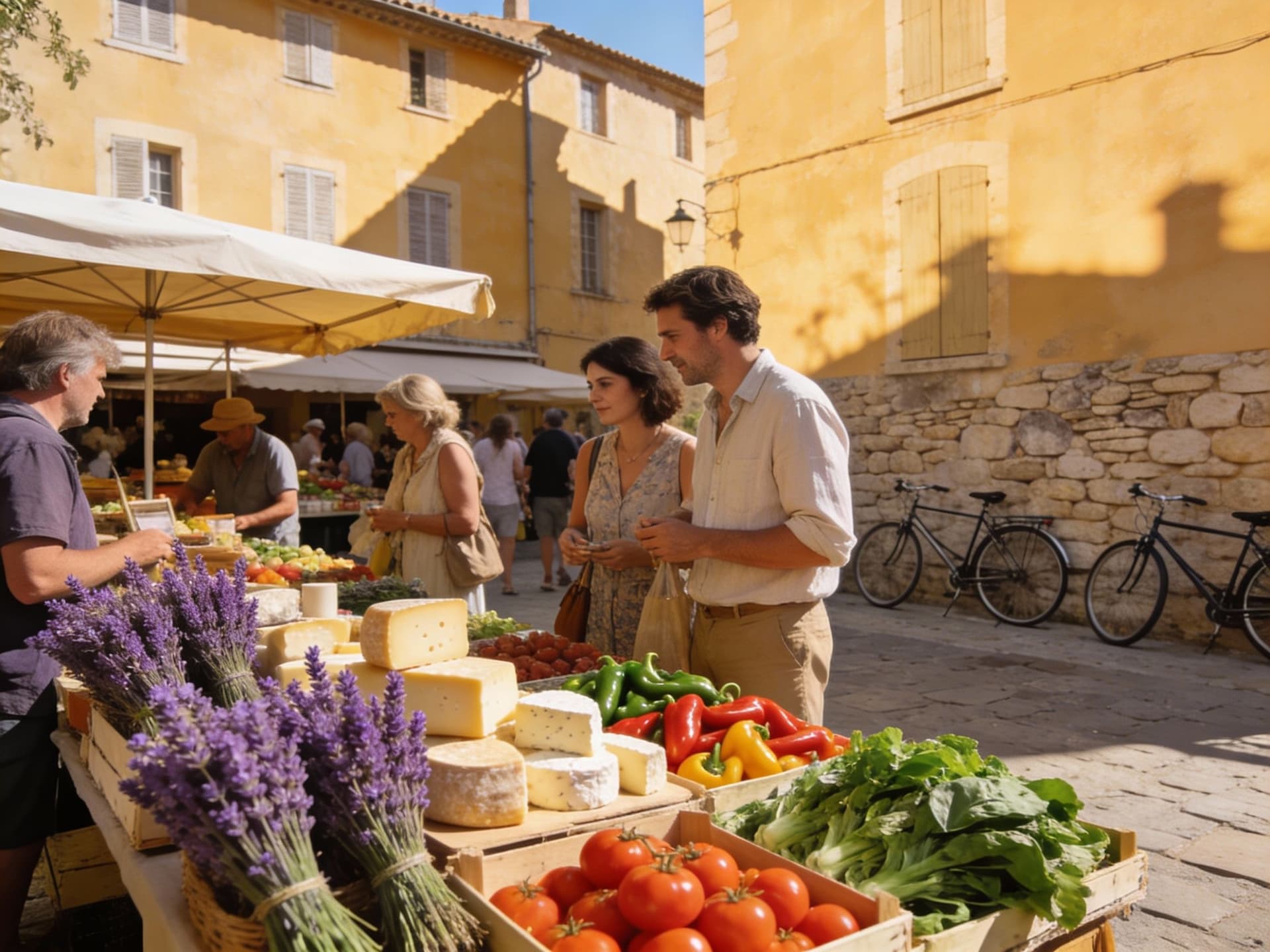
Daily life in France is local. In Paris, neighbourhoods are small kingdoms — the Marais’ quiet courtyards, Saint‑Germain’s narrow bookshop streets and the stately avenues of the 16th. On the Riviera, Nice’s Promenade and the old town markets set a seaside pace; further west, Biarritz is surf and timber cafés. Inland, places such as Dijon, Reims and Grenoble have seen surprising market momentum and lively local culture. Recent market reports show modest nationwide price recovery in 2025, but experience — the sound of a market, the placement of a boulangerie — is what decides where you’ll feel at home.
Paris: small‑scale streets, layered histories
If you think Paris equals headline prices, think instead in neighbourhoods. The Marais offers 18th‑century hôtels particuliers and discreet galleries; the 7th grants stately avenues and proximity to museums; the Canal Saint‑Martin favours relaxed cafés and younger creative energy. Luxury transactions remain headline news — emblematic sales shape perception — yet local variety means you can prefer village‑like streets over grand boulevards and find architectural integrity without paying only for a postal code.
Provence & Côte d’Azur: market moods and seasons
Provence and the Côte d’Azur are as much about seasonality as architecture. Summers bring sea life and markets; winters, quieter streets and local festivals. While the Riviera’s reputation skews luxury, many inland villages offer restored farmhouses and an authentic rhythm — truffle markets in L’Isle‑sur‑la‑Sorgue, quiet vineyards around Bandol. National data show prices began to rise again in early 2025, but coastal micro‑markets vary strongly with season and local demand.
- Lifestyle highlights to sample in person
- Rue des Rosiers, Le Marais — morning falafels and courtyard discoveries
- Cours Mirabeau, Aix‑en‑Provence — afternoon cafés and classical facades
- Port Vieux, Biarritz — sunrise surf and timber cafés
- Marché Forville, Cannes — morning market, seasonal produce, conviviality
Making the move: the practical questions behind the romance
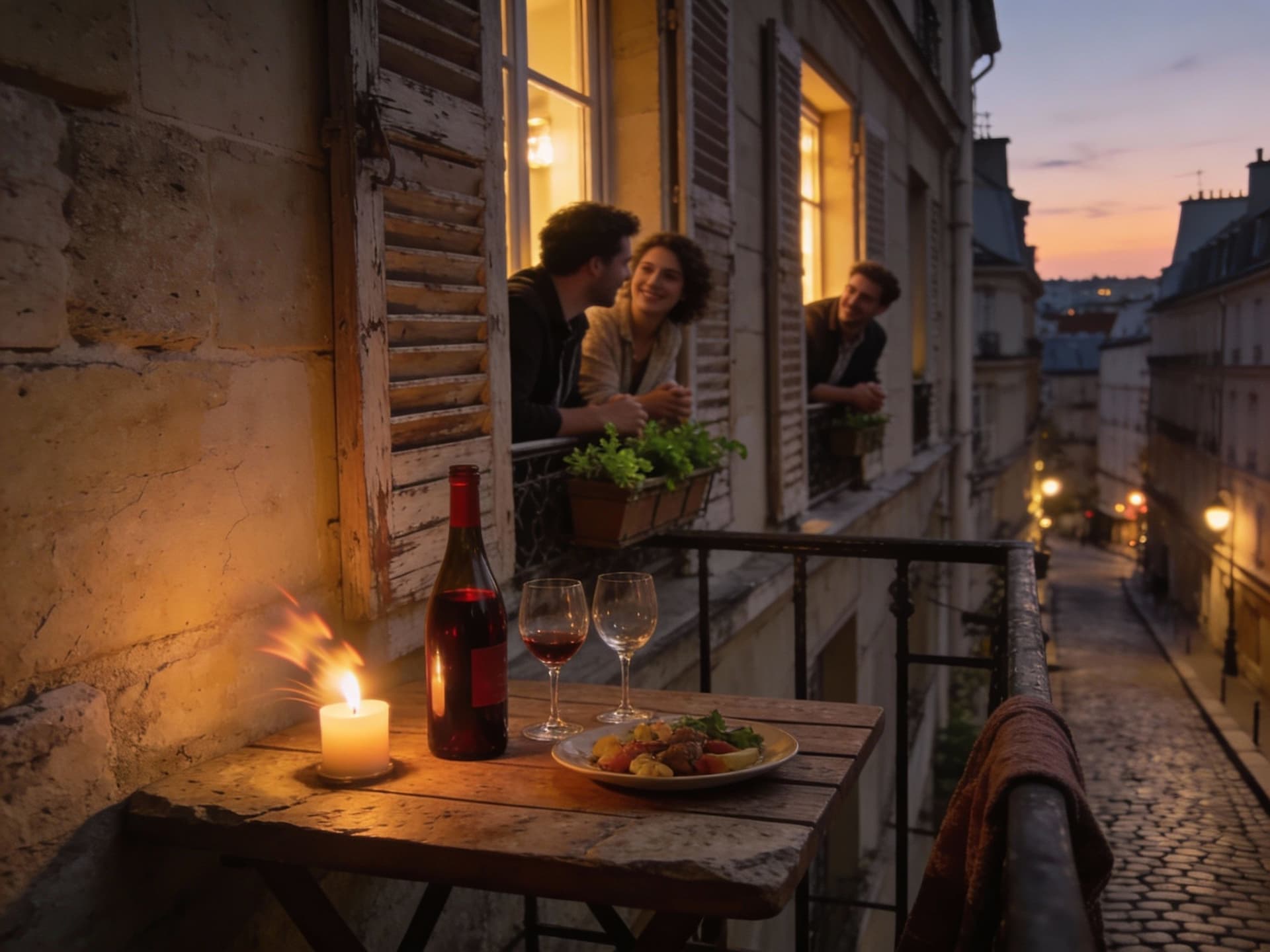
It is tempting to begin with desire — a Provençal garden or a Parisian pied‑à‑terre — but good purchases come from aligning lifestyle with property realities. In 2025 France’s market returned to modest growth after a pause; mortgage conditions and local supply remain decisive. The practical steps are straightforward but specific: map your daily patterns, test seasons, and choose neighbourhoods where the ordinary — the schools, markets, small shops — matches your life.
Property types and how they shape living
A stone maison in Dordogne gives garden privacy and winter insulation but implies rural running costs and reliance on a car. A Parisian flat with Haussmannian mouldings offers light and public‑life proximity, yet storage and parking are limited. New build in Lyon will bring energy‑efficiency and warranties; historic restorations reward patience and craftsmanship. Choose by the life you want to inhabit — not by what looks good in a single visit.
Working with experts who know what ‘life’ looks like
An agent who understands morning routines and local craftsmen is more valuable than one who only lists prices. Seek agencies experienced in off‑market offers, knowledgeable about conservation zones (secteurs sauvegardés) and familiar with local artisans for authentic restorations. Use market reports to set expectations — INSEE and notaries’ indexes show modest national recovery — but rely on a local specialist to interpret micro‑variations by street or square.
- Steps that blend lifestyle and practical sense
- Spend a week in your shortlisted neighbourhoods across a season to test daily life and noise, market offerings, and small‑shop hours.
- Ask local agents for recent comparable sales on the exact street, and demand to see utility invoices or energy diagnostics to understand running costs.
- Prioritise properties with documented restoration provenance if you value craftsmanship; for new builds, verify warranty certificates (décennale).
Insider knowledge: what expats wish they’d known
Expat buyers often report a single surprise: the difference between a house that looks beautiful and a home that fits the rhythms of life. Shops that close for lunch, narrow streets that limit deliveries, and winter winds on exposed terraces are small realities that become large decisions. Market commentary in 2025 emphasises recovering transaction volumes, but personal due diligence — timed visits, conversations with neighbours — reveals the true costs and rewards of chosen streets.
Cultural cues that change where you buy
French life preserves rhythms: Sunday markets, long August closures in smaller towns, and a preference for in‑person relationships with artisans and shopkeepers. These customs affect convenience and community — a village with a single boulangerie demands different habits than an arrondissement with shops open seven days. Learn these rhythms before committing; they shape how you use a home.
Long‑term perspective: what endures
History and craftsmanship age well. Stone façades, proportioned rooms, and good orientation retain desirability. Markets and cultural institutions sustain neighbourhood value. Recent reports show ten‑year growth in many provincial cities; for buyers seeking stewardship and generational value, seek provenance and build quality over short‑term trends.
- Red flags local agents will help you spot
- Unexplained urgent sales — ask why the owner must sell quickly.
- Properties in conservation zones with undocumented prior works — demand permits and architect reports.
- Mismatch between energy diagnostic (DPE) and visible heating systems — verify HVAC and insulation.
- Neighbourhood services that decline in low‑season — check year‑round viability for shops and transport.
If you imagine mornings at market and evenings on a small terrace, begin by walking the street before you buy. Test a winter month and an August week; listen to deliveries, observe where neighbours gather, and mark the placement of essentials. Then ask an agency for comparable sales on that street, documented restoration work if relevant, and introductions to local craftsmen.
Conclusion: France offers a spectrum of life. National statistics show tentative price recovery in 2025, but the real decision is the street where you will sip coffee, the market you will call yours, and the neighbours who will shape your day. Work with a local specialist who values provenance and daily rhythm as much as comparable sales; buy the life you can imagine inhabiting, and the property will become an investment in living rather than only in numbers.
Norwegian with years in Florence guiding clients across borders. I bridge Oslo and Tuscany, focusing on legal navigation, cultural context, and enduring craftsmanship.