Athens’ quiet streets where value hides
Contrarian neighbourhoods in Athens and quieter islands often offer steadier lifestyle value than headline tourist addresses; marry local rhythm with technical due diligence.
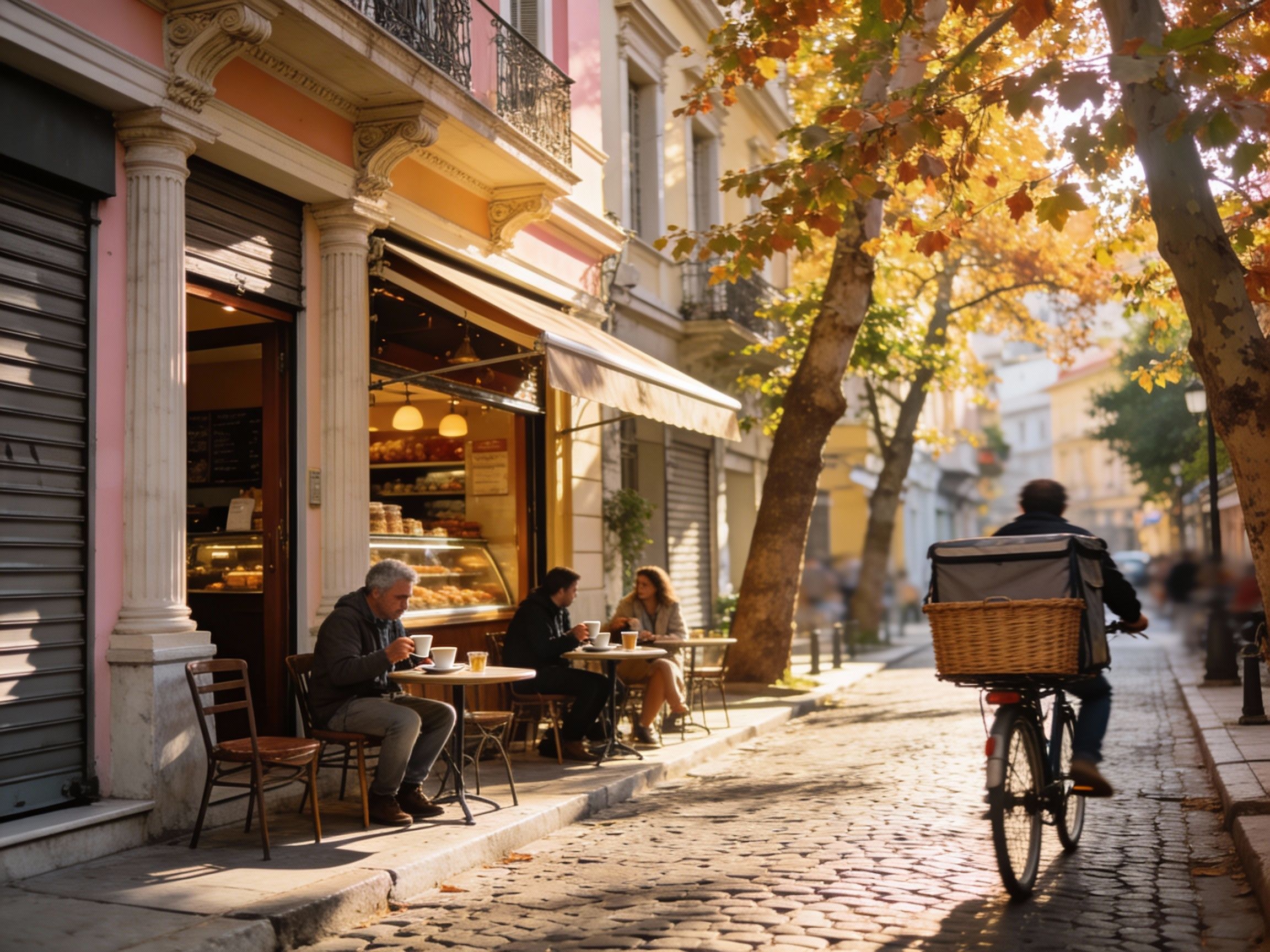
Imagine waking before dawn to a slow city that still pours espresso like a ritual. In Athens you can stand on a narrow balcony and hear a tram bell, a delivery bicycle, the murmured script of a neighbourhood pastry shop opening — small sounds that define where life is lived. For many international buyers the image of Greece is islands and whitewashed roofs; yet the most lasting, lived-in value often sits in quieter city streets and overlooked coastal towns. This piece argues a contrarian case: that some of Greece’s least hyped neighbourhoods deliver the truest combination of everyday charm and measured investment upside, and that knowing which streets to favour requires a local, seasonal and regulatory lens.
Living the Greek rhythm: a city-first portrait
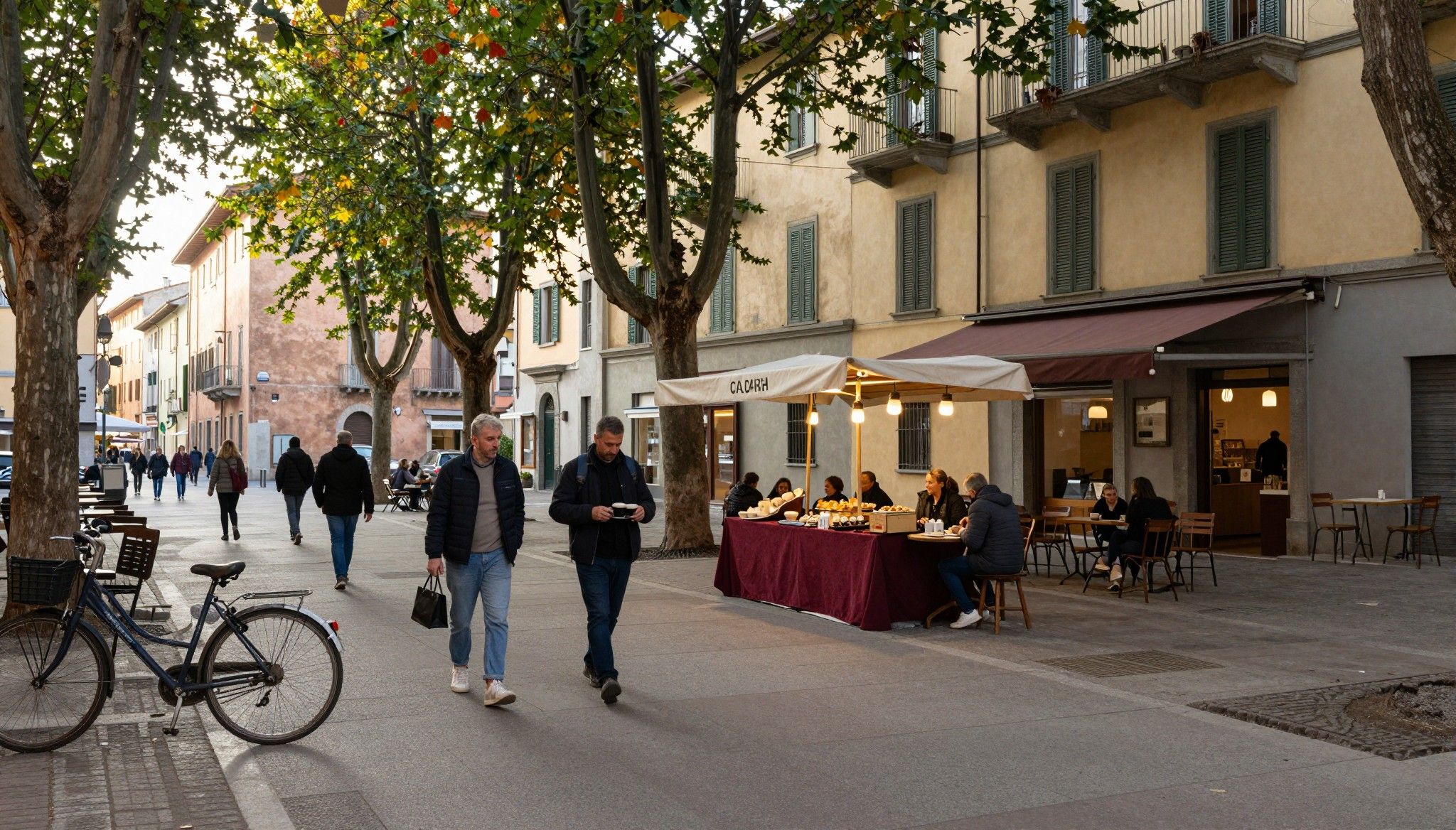
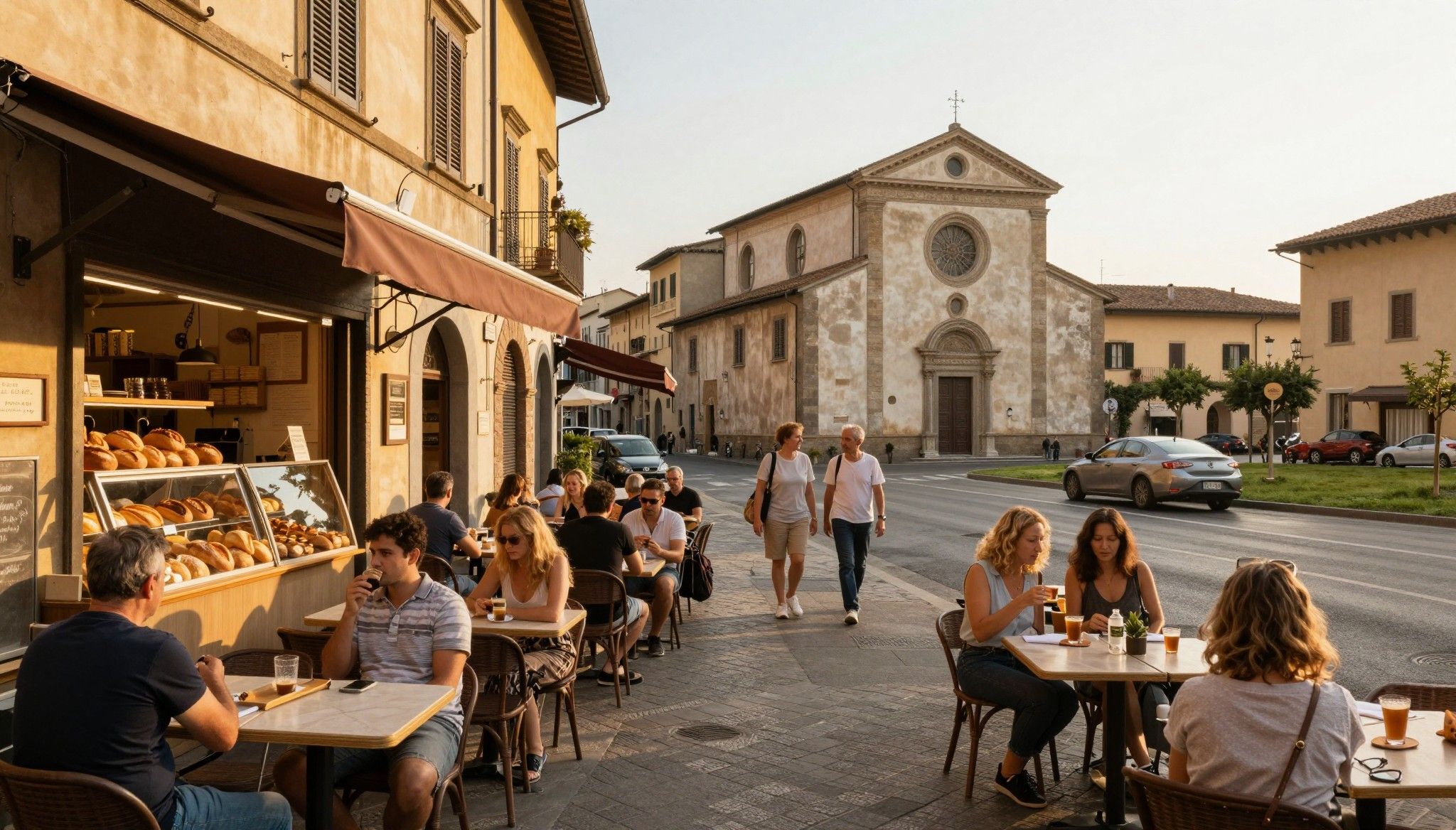
Greece is not a single tempo but a set of daily rhythms. In Athens, mornings begin with compact cafés in Pangrati and Koukaki, the midday lull moves workers to shaded squares, and evenings unfurl slowly with tavernas in Anafiotika and Plaka. On the islands seasons compress time: July and August are intense, many businesses close in November, and life resumes in a quieter, clearer late spring. For a buyer who values lived continuity rather than tourist spectacle, the texture of neighbourhood life — weekday markets, local bakeries, the cadence of buses — matters as much as sea views.
Athenian streets that age well: Pangrati, Kifisia, and Nea Smyrni
Pangrati keeps a measured intimacy: narrow lanes, corner bakeries, a surprising number of small apartments with high ceilings and original timber. Kifisia, to the north, trades in leafy avenues, neoclassical façades and understated cafés that draw families; it is quieter but with enduring demand from local buyers. Nea Smyrni offers broad squares and a sense of municipal care — parks, schools, and a weekend market — features that sustain occupancy and steady rental appeal. These are places where everyday infrastructure and community institutions soften seasonality and protect real value over time.
Coastal towns and islands where life feels permanent
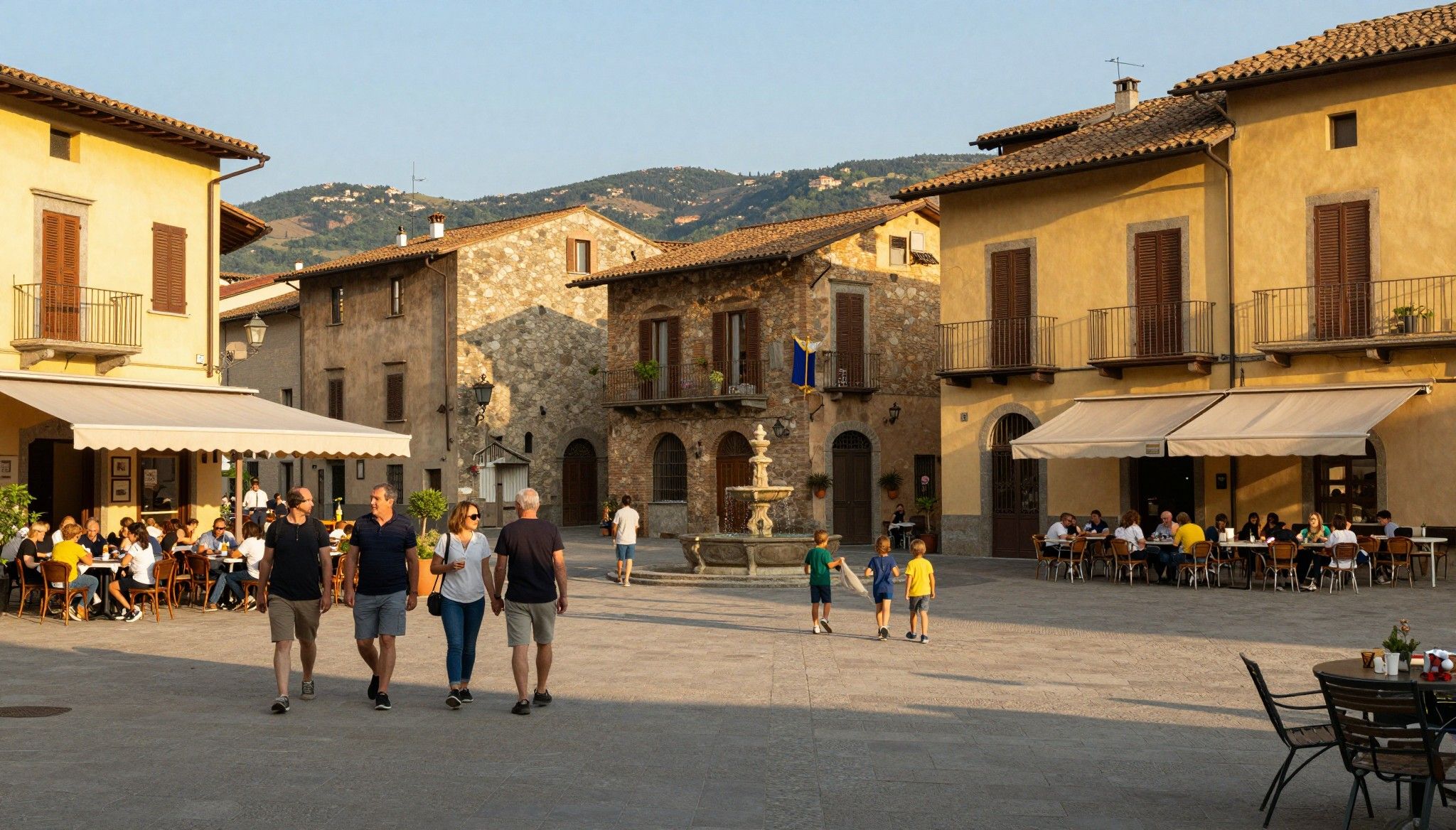
Not all islands are the same. Serifos and Naxos host year‑round communities with working harbours and local agriculture; they preserve a rhythm of daily life outside the peak months. By contrast, Mykonos and Santorini are intensely seasonal and subject to tourism taxes and stricter short‑term rental rules that can alter yield expectations. For buyers who prefer a stable tenant pool and civic life, look to less visible ports and island towns where municipal services and local schools remain open all year.
Lifestyle highlights: what makes neighbourhoods worth living in
Daily espresso culture on café-lined streets (eg. Pangrati’s Pl. Pangrati)
Saturday markets for fresh produce (Kifisia and Nea Smyrni markets)
Small-scale artisan workshops and neighbourhood bakeries
Making the move: how lifestyle maps to property choices
The properties that sustain the lived-in neighbourhood are rarely the headline luxury villas. They are often modest apartments with good floor plans, restored neoclassical flats with original joinery, or villa annexes that prioritise garden access and insulation from summer heat. Choosing such homes means favouring fabric, thermal comfort and provenance over showy amenities. On a practical level buyers should weigh communal building condition, roof and piping history, and microclimate exposure — factors that determine long-term maintenance more than an on-site gym.
Property types that fit the Greek rhythm
Neoclassical apartment: high ceilings, timber floors, intrinsic charm; needs sympathetic restoration. Mid-century block flat: simpler plan but often larger balconies; economical to maintain. Small stone houses (Aegean): excellent thermal mass, cooler summers; check seismic upgrades and waterproofing. Each type answers a lifestyle question — entertaining on a terrace, compact urban walking life, or quiet coastal mornings — and the work required to adapt it should be budgeted into the purchase.
Work with local experts who understand both life and law
An agent who knows the rhythms of neighbourhood life can point you to streets with active residents rather than transient rentals. At the same time, legal and tax advisers familiar with the post-2024 Golden Visa landscape and the new short-term rental rules protect you from structural surprises. Use local architects and engineers for building surveys; they will flag issues (damp, seismic retrofits, insulation) that most listings omit. Combining lifestyle curation with technical due diligence is the hallmark of a prudent purchase in Greece today.
Steps to marry lifestyle with sound buying decisions
1. Spend at least one week living locally to test daily routines and transport.
2. Commission an engineer’s report focused on damp, roof condition and seismic safety.
3. Check municipal rules on short-term lets and pending local tax changes (season-dependent).
Insider knowledge: what expats often learn late
Many expats arrive enchanted by the island calendar and only later discover the limits of seasonal economies: limited medical services in winter, municipal closures, and variable internet connectivity. Others underestimate how short‑term rental regulation or tourism taxation can change yield math overnight. Recent market data show price growth across 2024 and into 2025, while Golden Visa reforms and new levies on short-term rentals have already begun to reconfigure investor flows — an important reminder that policy shifts matter for lifestyle buyers as much as for investors.
Cultural integration: how neighbours shape your life
Learning the small customs — where to queue for bread, how shops close in the afternoon, how festivals re-order the calendar — is less trivial than language study. Neighbourhood associations, local kafeneia and the municipal council often decide whether a square is kept lively or allowed to fade. Engaging with these civic structures is how buyers turn a purchase into rooted household stewardship instead of a castaway second home.
Looking ahead: sustainability, regulation and preservation
The short-term future will see tighter regulations on residency-by-investment, a reweighting of tourist heavyweights, and higher taxes on peak-season rentals. That creates opportunity for buyers who favour neighbourhoods anchored by year-round life and modest domestic demand. Preservation-minded restorations, conversions of disused buildings into homes, and investments that improve municipal stock align both with local sentiment and with emerging legal preferences for sustainable housing solutions.
Conclusion: buy the life, not the label
If you seek a life in Greece, begin with streets you can imagine inhabiting in low season: the corner bakery that opens at 7am, the municipal square that stages a Sunday band, the schoolyard that signals families nearby. Those are the features that sustain value when markets fluctuate. Work with an agent who knows which neighbourhoods combine architectural merit, provenance and year‑round civic life; commission technical surveys that respect both heritage and safety; and allow seasonality and regulation to guide, rather than derail, your choice. When you buy the life, the investment often follows.
Relocating from London to Mallorca in 2014, I guide UK buyers through cross-border investment and tax considerations. I specialise in provenance, design integrity, and long-term value.