Where Locals Buy in Malta — Overlooked Quarters, Quiet Upside
Local RPPI data shows steady, selective price growth; learn which overlooked Maltese quarters locals choose and why they offer lifestyle and investment value.
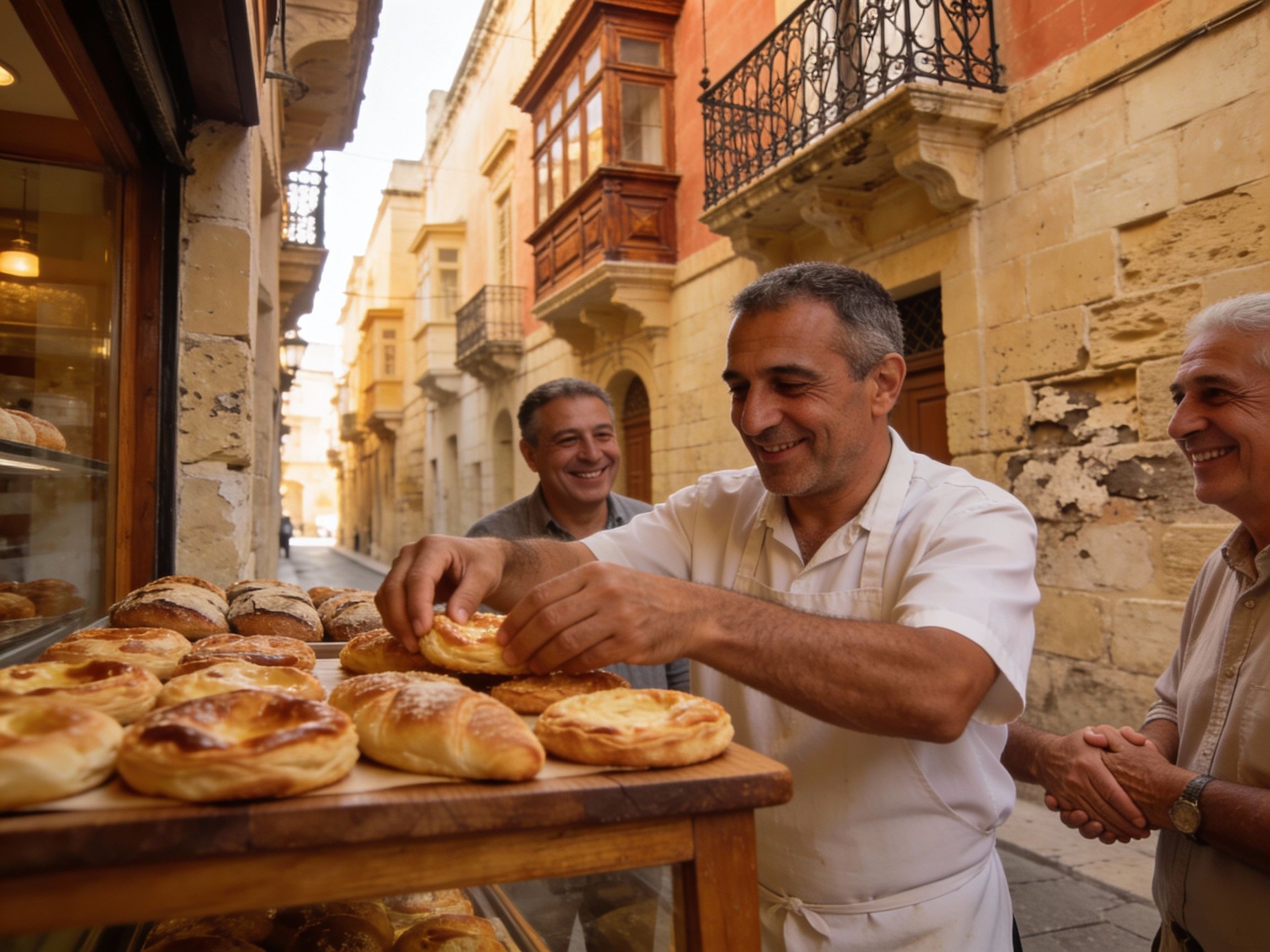
Imagine stepping out at dawn onto Triq il-Merkanti in Valletta as a baker sets trays of pastizzi on a timber stall, the limestone facades waking in pale gold. In Malta the day begins slowly — espresso at a corner café in Sliema, a small boat slipping past Manoel Island at noon, an aperitif on a St Julian's terrace as light softens over the bay. For many international buyers the island can feel like a postcard: compact, sunlit, and convivial. Yet beneath the postcard is a market and social fabric that rewards nuance. This piece follows where locals actually place their savings and why those choices matter for discerning foreign buyers.
Living the Malta life — streets, seasons, and daily rhythms
Malta's geometry compresses variety into a small map: medieval lanes in Mdina, Georgian townhouses in Valletta, post-war terraces in Gżira and modern seafront blocks in Sliema. Everyday life favours proximity. Weekends mean fish markets at Marsaxlokk, late lunches in Rabat, and a ritual swim at Għajn Tuffieħa or Golden Bay when the season allows. The climate — mild winters, hot dry summers — shapes how people inhabit homes: courtyards and roof terraces are living rooms, and shutters and limestone provide passive cooling.
A neighbourhood lens: Valletta’s edges, Sliema spine, and quiet inland towns
Valletta’s core is dramatic and ceremonial; its fringes — the narrower streets off St Paul’s Street or the quieter blocks toward Marsamxett Harbour — feel lived in rather than curated. Sliema’s promenade hums with investment-grade apartments but the backstreets around Triq il-Kbira reveal small mixed‑use houses with long-standing owner-occupiers. Inland towns such as Zebbug and Attard are where families prize gardens and community continuity. For buyers seeking authenticity with future upside, these edges merit attention.
Food, ritual and the social map
Meals in Malta are social infrastructure. Small trattorie in Marsaxlokk, the bakeries of Birkirkara, and late-night fish restaurants in St Julian’s anchor neighbourhood life. Local favourites — Cafe Jubilee in Sliema, Ta’ Kris in Sliema/Valletta environs, or the Sunday market at Is-Suq tal-Belt — act as informal neighbourhood centres where you meet the butcher, the builder and the neighbour who knows the property history. These places reveal how a home will feel beyond its floorplan.
- Lifestyle highlights: everyday places that shape where locals buy
- Early‑morning pastizzi at Valletta’s Merchant Street stalls
- Sea promenades in Sliema and Gżira for daily walking and cafés
- Sunday market and artisans at Is-Suq tal-Belt (Valletta)
- Quiet family gardens and villa plots in Attard and Zebbug
Making the move: practical considerations that respect the lifestyle
The market context matters. Malta’s Residential Property Price Index rose around 5 per cent year‑on‑year through recent quarters, indicating steady appreciation rather than speculative spikes. That pattern suggests pockets of reliable value rather than one homogeneous market — in short, timing and neighbourhood selection remain decisive. Understanding which neighbourhoods are underpriced relative to social infrastructure is where local expertise matters. (See official RPPI releases for quarter‑by‑quarter detail.)
Property types and how they match daily life
Maisonettes and period townhouses offer courtyard living and looser ties to immediate neighbours — ideal if you prize privacy, a garden, or a roof terrace. Apartments on the seafront are convenient but can be noisier and rely on mechanical cooling in summer. For those who intend to rent seasonally, Sliema and St Julian’s remain strong; for long-term residence, inland villages provide quieter rhythms and larger outdoor spaces.
Working with local experts who know where locals buy
An agency steeped in neighbourhood practice will point to streets off the main tourist lines — the quiet crescents, the townhouse pockets, the converted winery yards — that local buyers favour. Look for firms that show provenance in listings (history of title, previous owners, documented restorations) and who can introduce you to tradespeople familiar with Maltese limestone, timber balconies (gallarija) restoration and roof‑terrace waterproofing.
- Steps to match lifestyle with an investment-minded purchase
- 1. Spend a week living in chosen neighbourhoods — breakfast, market visits and evening walks reveal more than showings.
- 2. Request transaction histories from agents to compare true price movement on the street, not just the neighbourhood headline.
- 3. Commission a local architect to assess restoration needs and running costs: limestone façades, shutters and roof terraces all carry specific maintenance cycles.
- 4. Prioritise walkability to daily amenities over panoramic views if you value immersion in Maltese life — neighbours, cafés and markets define the experience.
Insider knowledge: what expats wish they’d known
Many expats arrive dazzled by residency programs and quick routes to EU status. Recent legal shifts around citizenship‑for‑investment have changed that calculus and emphasise that property should be chosen for life, not solely for its visa function. Understanding the wider political and regulatory environment is part of stewardship; when schemes change, the lifestyle you sought remains the enduring value.
Cultural integration and the small‑island social rules
English is widely spoken and services are international, yet social life follows local calendars: festa parades, village feasts and Sunday lunches shape availability and noise patterns. Respect for neighbourly rhythms — when to open windows, the discreet timing of renovations, and how to greet vendors — eases integration and reduces friction as you settle.
Longer horizon: stewardship, heritage and generational value
Buying in Malta often means becoming a custodian of fabric older than modern national history: limestone facades, original timber balconies and ritual roof‑spaces. Treat purchases as restorations with purpose. Investments that preserve craftsmanship — repaired wrought iron, repointed ashlar — tend to hold cultural and market value as tourists fluctuate and short‑term trends evolve.
- Red flags local buyers watch for
- Unresolved title irregularities or missing documents on historical alterations
- Visible but unrepaired limestone erosion and poor roof‑terrace waterproofing
- Properties marketed for “tourist income” without clear rental licences or local amenity demand
Conclusion: how to begin — fall for the life, invest with care
If Malta’s sunlit lanes and harbour terraces feel like a life you want, begin by living the neighbourhood for a season and speaking with practitioners who value provenance. Use RPPI data to frame expectations and insist on agencies that can demonstrate local transaction histories, restoration competence and community ties. In doing so you buy more than a home: you buy the right to belong.
Relocating from London to Mallorca in 2014, I guide UK buyers through cross-border investment and tax considerations. I specialise in provenance, design integrity, and long-term value.