When Malta Feels Pricier Than It Is
Malta’s compact market masks both pressure and opportunity: land scarcity lifts prices, but provenance-led stewardship and neighbourhood intelligence often preserve value better than speculative buying.
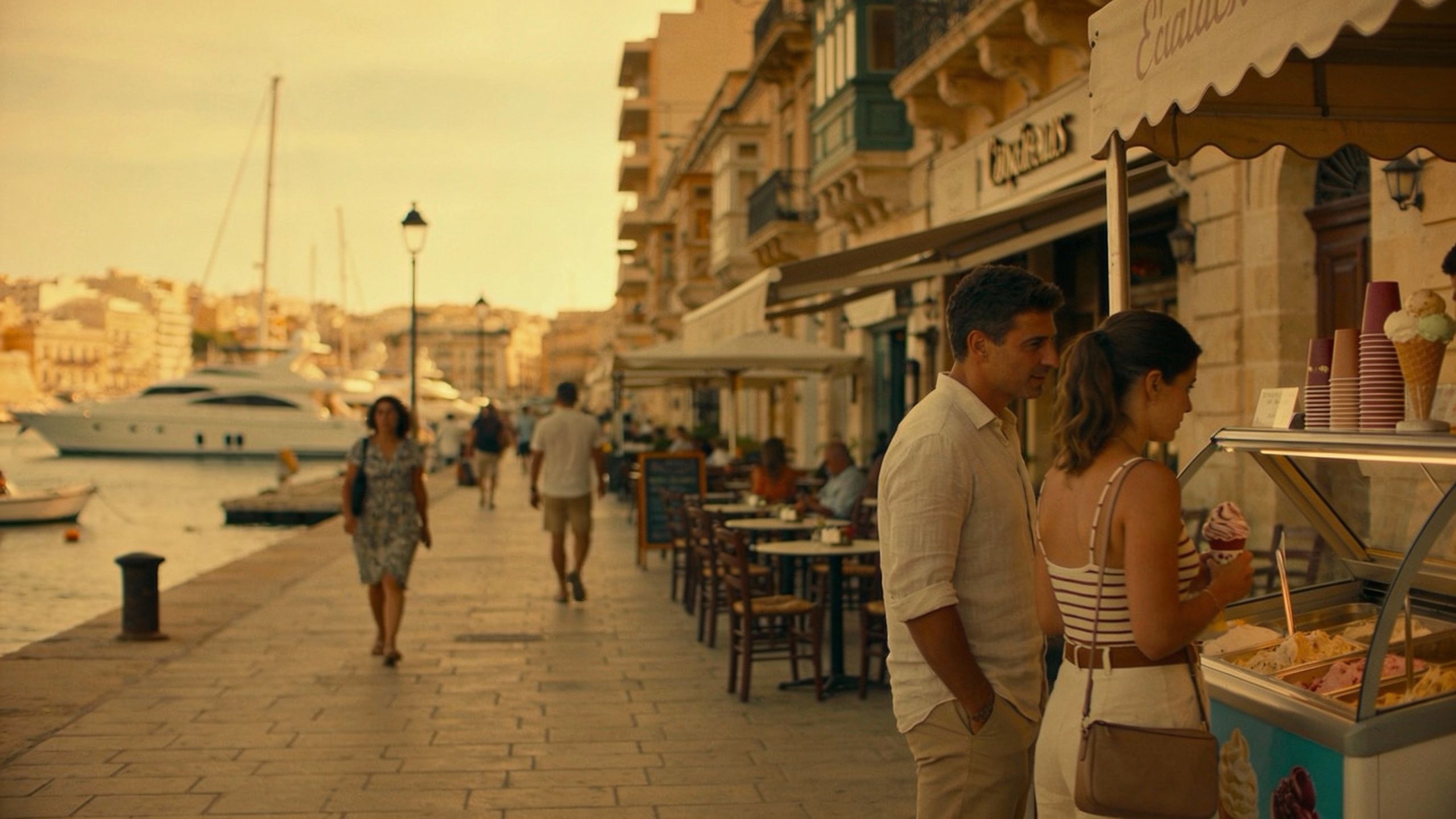
Imagine a late-afternoon passeggiata along Sliema’s promenade: espresso cups on narrow tables, limestone façades warmed by a low sun, yachts slipping by the harbour. Malta moves at once like a compact Mediterranean town and a cosmopolitan archipelago — an island life that sounds small on a map and large in experience. For the international buyer, that intimacy is the market’s defining trait: concentration of demand in a stitched network of neighbourhoods, and the consequences of that density for price, choice and long-term stewardship.
Living the Maltese Rhythm
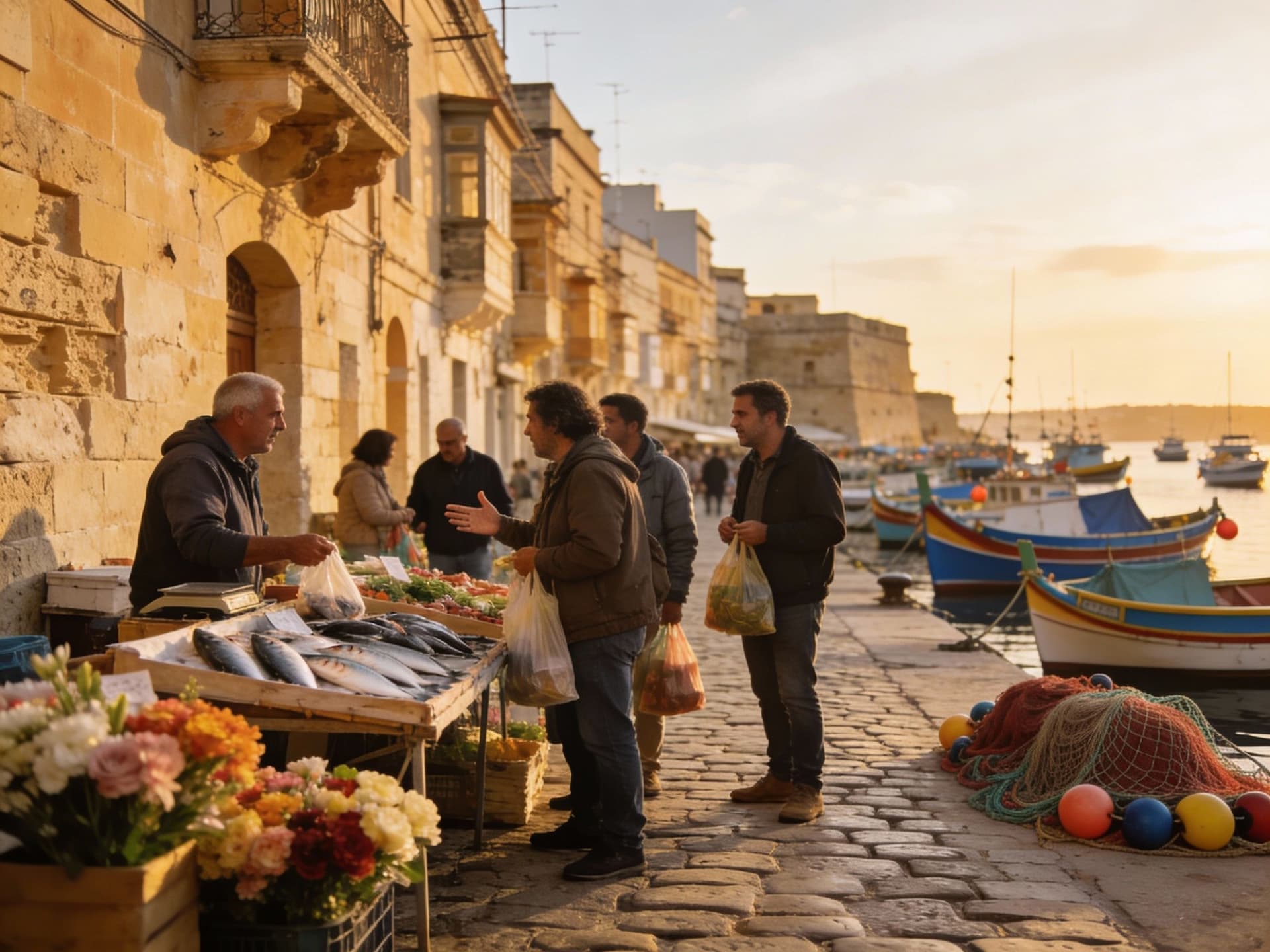
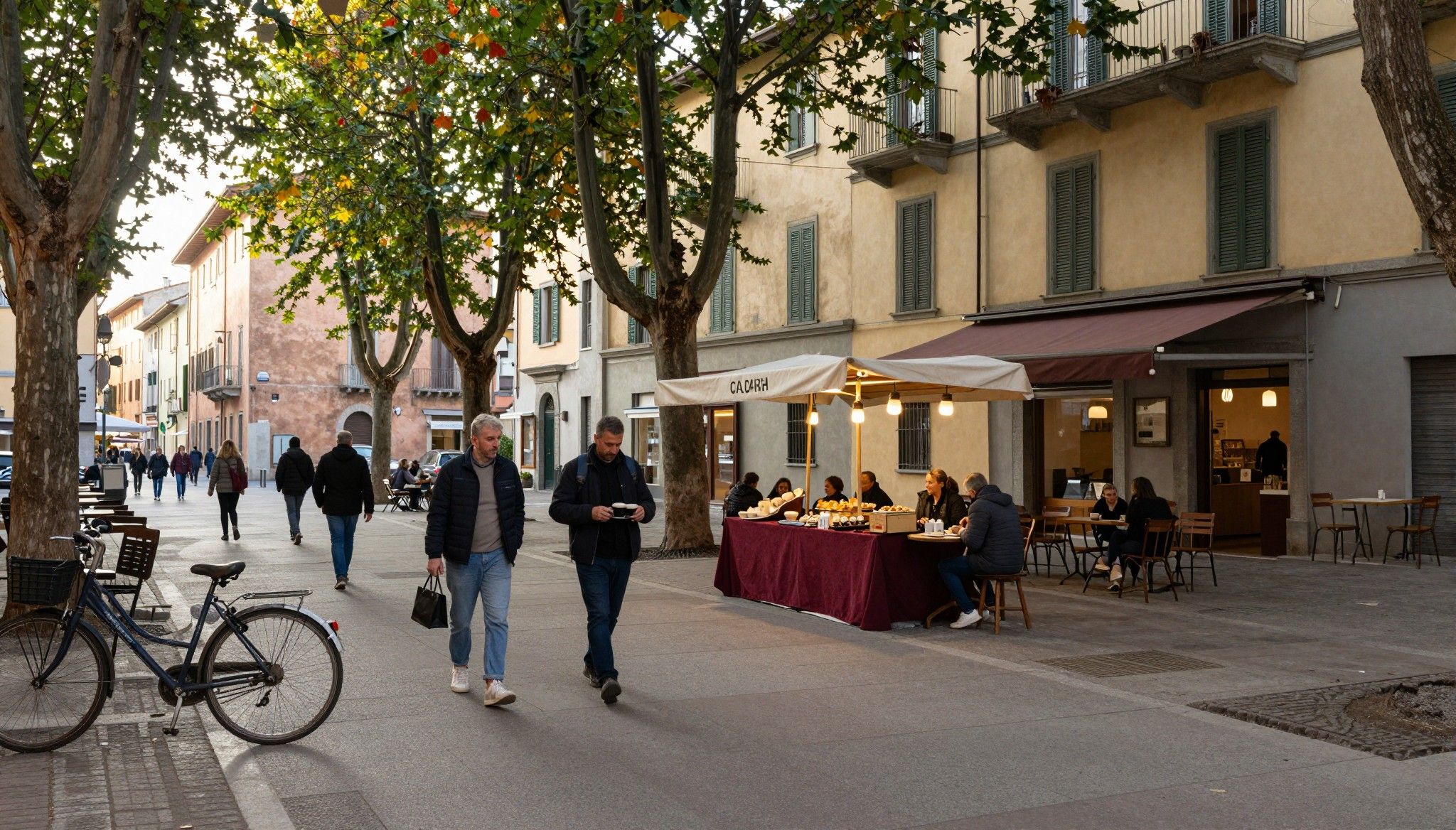
Daily life in Malta is built from small rituals: a baker’s queue at Ta’ Xbiex, a Saturday market basket from Marsaxlokk, an evening aperitivo on St Julian’s spin. Streets are lived-in rather than staged; you hear Maltese and English mingled, see bougainvillea spilling over wrought-iron balconies, and feel how quickly a neighbourhood becomes familiar. That texture—compact, layered and public—shapes what homes must be: practical for year-round living, generous in terraces and balconies, and adaptable for guests or rental when you travel.
Neighbourhood spotlight: Valletta, Sliema, and the quieter north
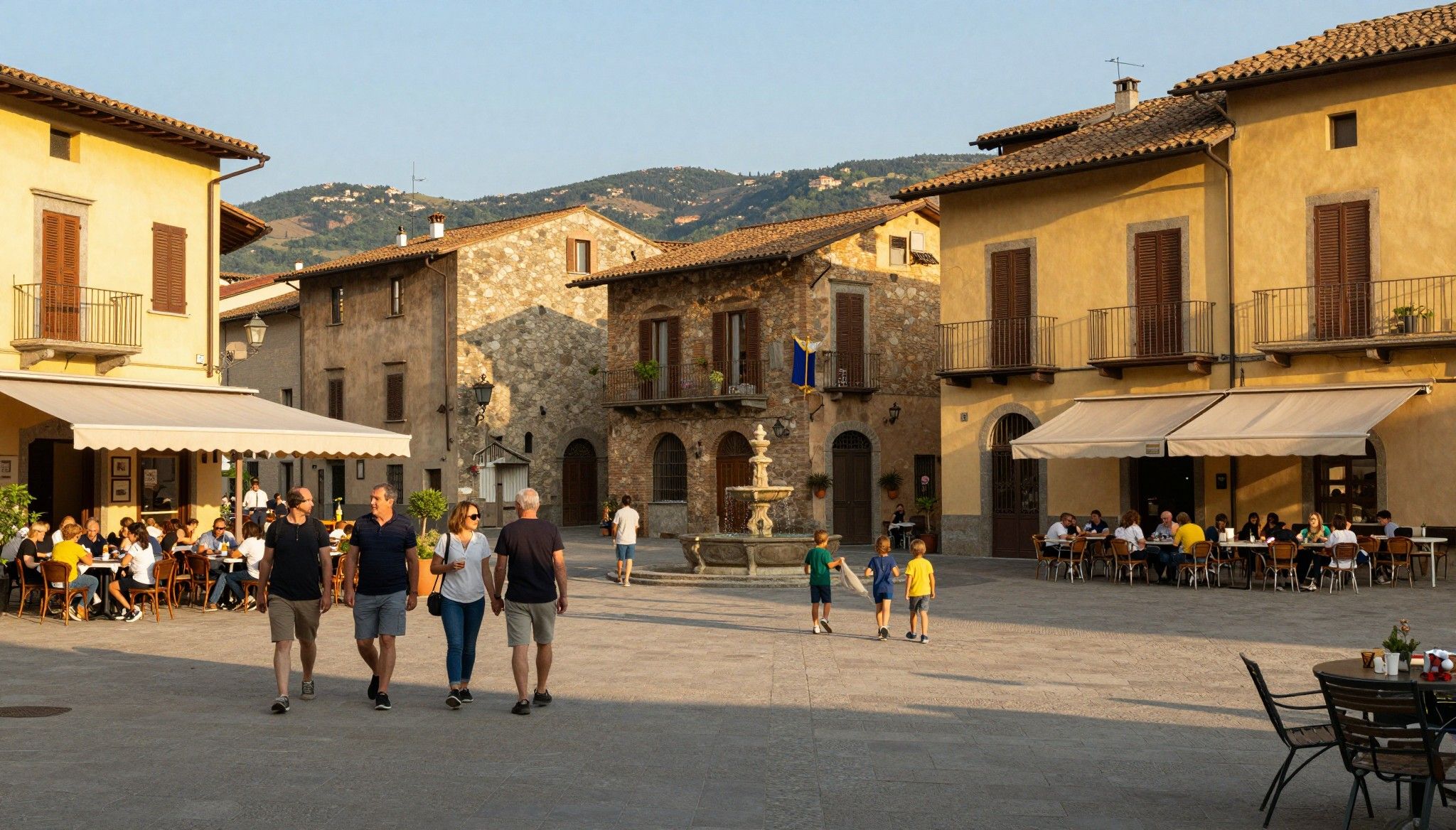
Valletta remains singular: Baroque streets, palazzini with stone balconies, and cultural density that rewards those who prize provenance. Sliema and St Julian’s offer seaside terraces, cafés and short walks to international services—excellent for buyers who want immediate social life. Head north to Mellieħa or Gozo and the pace slows; fields, cliffs and larger plots become possible, trading immediate convenience for quiet and outdoor room.
Food, markets and communal life
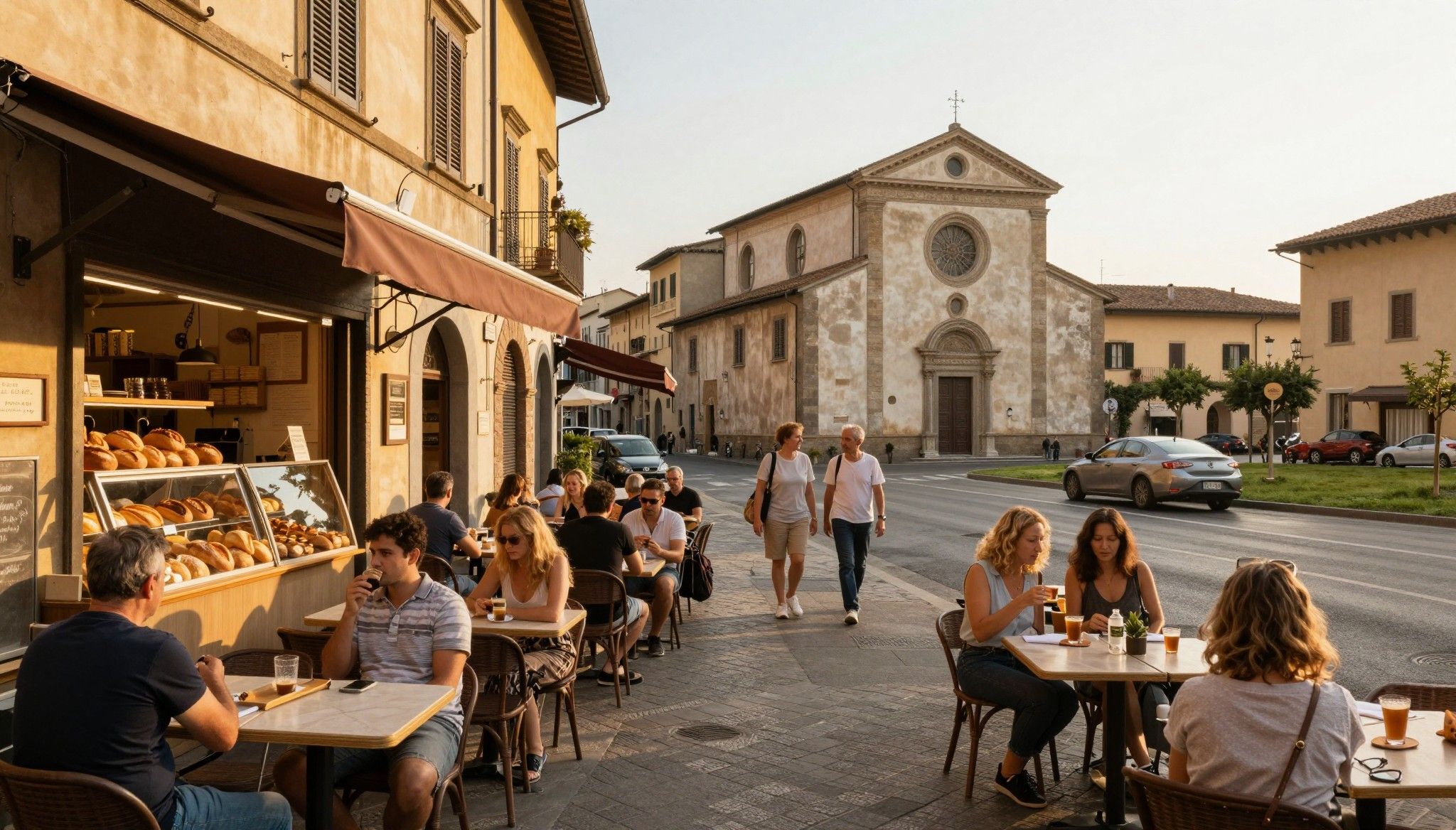
The island’s food life is intimate and coastal: fish stalls in Marsaxlokk, bakeries on Triq il-Merkanti, neighbourhood pastizzi counters that double as social hubs. Seasonal festas reframe streets into stages of communal ritual, while small restaurants around the Grand Harbour host quietly assured cuisine rather than culinary theatre. These rhythms affect where you live: proximity to a market or a beloved café often outweighs headline square‑metre figures when buyers choose a home.
Lifestyle highlights - Morning coffee at Cafe Jubilee on Merchants Street, Valletta - Sunday fish market in Marsaxlokk and waterfront lunches - Sunset strolls from Spinola Bay to Balluta - Clay‑tiled balconies and rooftop terraces for summer dining - Local festas in Rabat and Mdina that transform neighbourhood life - Easy English‑language services: banks, healthcare, international schools
Making the Move: Practical Considerations
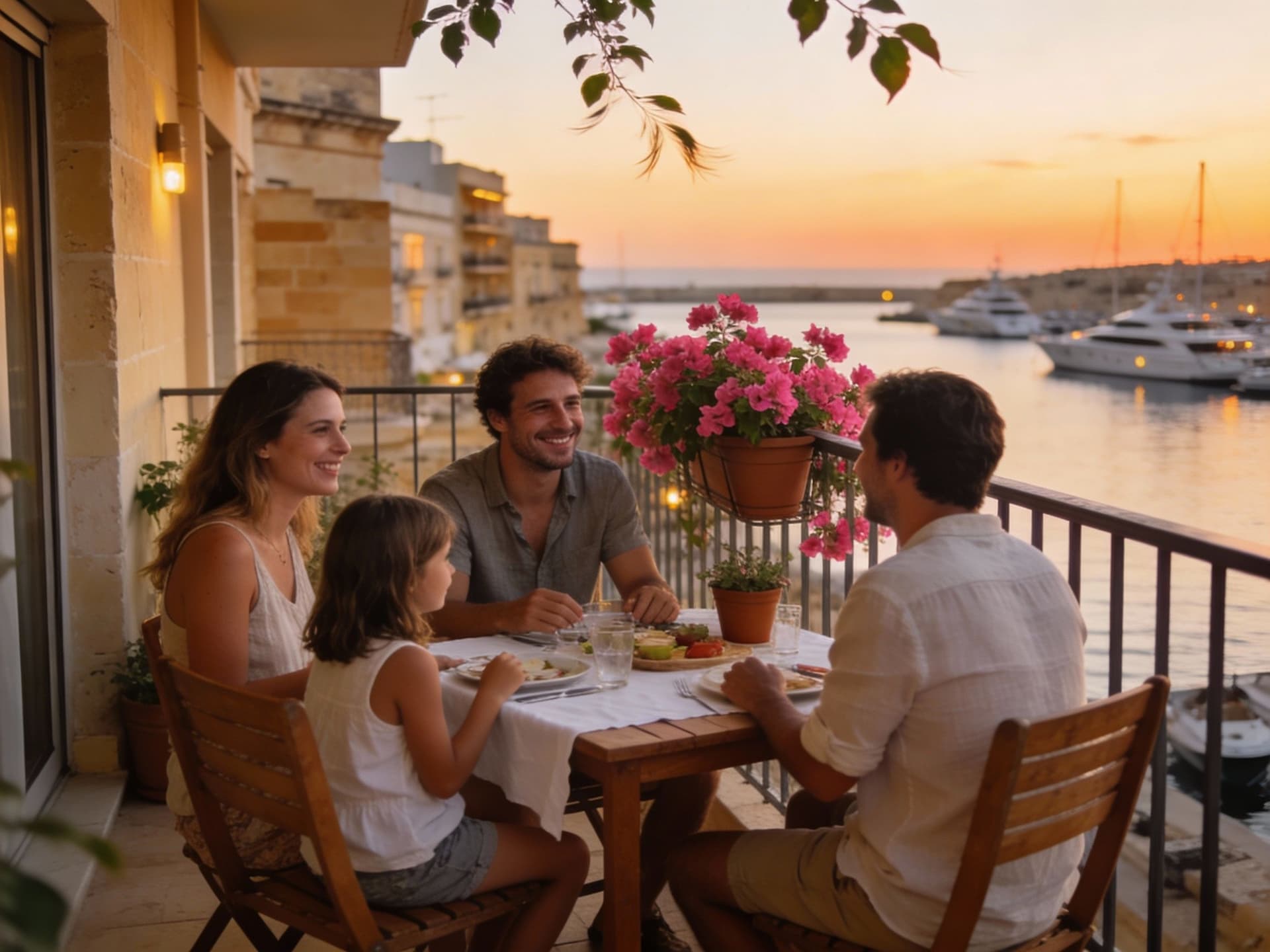
The dream of island life must be balanced with data. Malta’s Residential Property Price Index rose approximately 5% year‑on‑year into late 2024, a reflection of concentrated demand and limited land supply. That persistence of price growth — and the fact that land now explains a large portion of value — means buyers should think in terms of scarcity and stewardship rather than short‑term flips. Choose properties where architectural integrity and location preserve value through cycles.
Property styles and how they shape life
Choices range from restored town-palazzos in Valletta to contemporary apartments in Sliema and terraced houses in the south. Apartments offer proximity to services and easier maintenance, maisonettes offer private ground-level access and terraces, while country houses and Gozo farmhouses grant space and seclusion. Match the property type to how you intend to live: regular residency, seasonal use, or a rental hybrid for remote work income.
Working with local experts who understand life and value
1. Prioritise agencies with a track record in conservation and local provenance; they locate stone‑built properties with legitimate restoration histories. 2. Ask for neighbourhood comparables, not island averages—prices vary dramatically between a Valletta palazzo and a Sliema seafront flat. 3. Insist on a clear statement of recent RPPI movements and land‑value commentary; scarcity drives the Maltese premium. 4. Consider long‑term holding plans: rental demand is seasonal but steady in central locations, supporting hybrid ownership models.
Insider Knowledge: What Expats Wish They'd Known
Expats commonly report that Malta’s small scale compresses both delight and friction: delightful access to culture, but frequent competition for desirable buildings. Expect stronger capital preservation in stone properties with documented restoration and in addresses with a consistent local community (Gzira, Ta’ Xbiex, parts of Sliema). Conversely, newly developed blocks on main roads can show instant yield but less heritage resilience.
Cultural integration and the social script
English is an official language and services cater to internationals, but integration rewards patience: learn basic Maltese phrases for neighbourhood rapport, attend a festa to meet neighbours, and shop where locals do. Social capital here preserves property value as much as legal title; a home that fits the street’s rhythm tends to be better maintained and more desirable to future buyers.
Long-term lifestyle and market considerations
Because land accounts for a growing share of value, improvements that enhance a property’s connection to place—terraces, repair of limestone façades, historically sympathetic interiors—often deliver more than cosmetic modernisation. Think like a steward: modest, well-specified interventions tend to preserve and sometimes increase value where raw development gains are constrained.
Red flags and practical checks - Unclear restoration provenance or missing permits for façade changes - Overreliance on rooftop pools in party areas (maintenance and planning risk) - Properties priced above neighbourhood comparables without documented enhancements - Ground‑floor flats in flood‑prone streets without waterproofing - Developers without local references or on‑island after‑sales presence
Steps to a confident purchase 1. Request RPPI neighbourhood extracts and recent comparable sales from your agent. 2. Commission a structural and conservation‑aware survey; limestone behaves differently than modern blockwork. 3. Check permit history with Local Council and Planning Authority before offer. 4. Agree an escrowed completion schedule with documented handover standards. 5. Plan modest interventions that respect materiality—stone repair, shutters, discreet insulation.
Malta is compact, sunlit and socially textured. For the buyer who values provenance and convivial neighbourhood life, it offers an unusually efficient balance: a short walk to cultural riches, reliable English‑language infrastructure, and a market where careful stewardship often outperforms speculation. If you imagine mornings at a harbour café and evenings on a private terrace, begin by asking an agent not only for listings but for local stories: who has lived on this street, how the house has been used, and what the next decade of life here will feel like.
If you would like a short list of neighbourhoods that match your lifestyle—quiet terraces for morning sun, lively promenades for evenings, or Gozo retreats for space—an agent who understands neighbourhood life and the RPPI story will be your best companion. Ask them for comparable streets, documented restorations and a stewardship plan; those are the measures of value that matter in Malta.
Former Copenhagen architect who relocated to Provence, offering relocation services, market analysis, and a curator’s eye for authentic regional design.