Malta’s Price Story: Where Value Hides in Plain Sight
Malta’s market shows steady 5–6% annual price growth; real value often lies in micro‑neighbourhoods, property stewardship and local expertise.
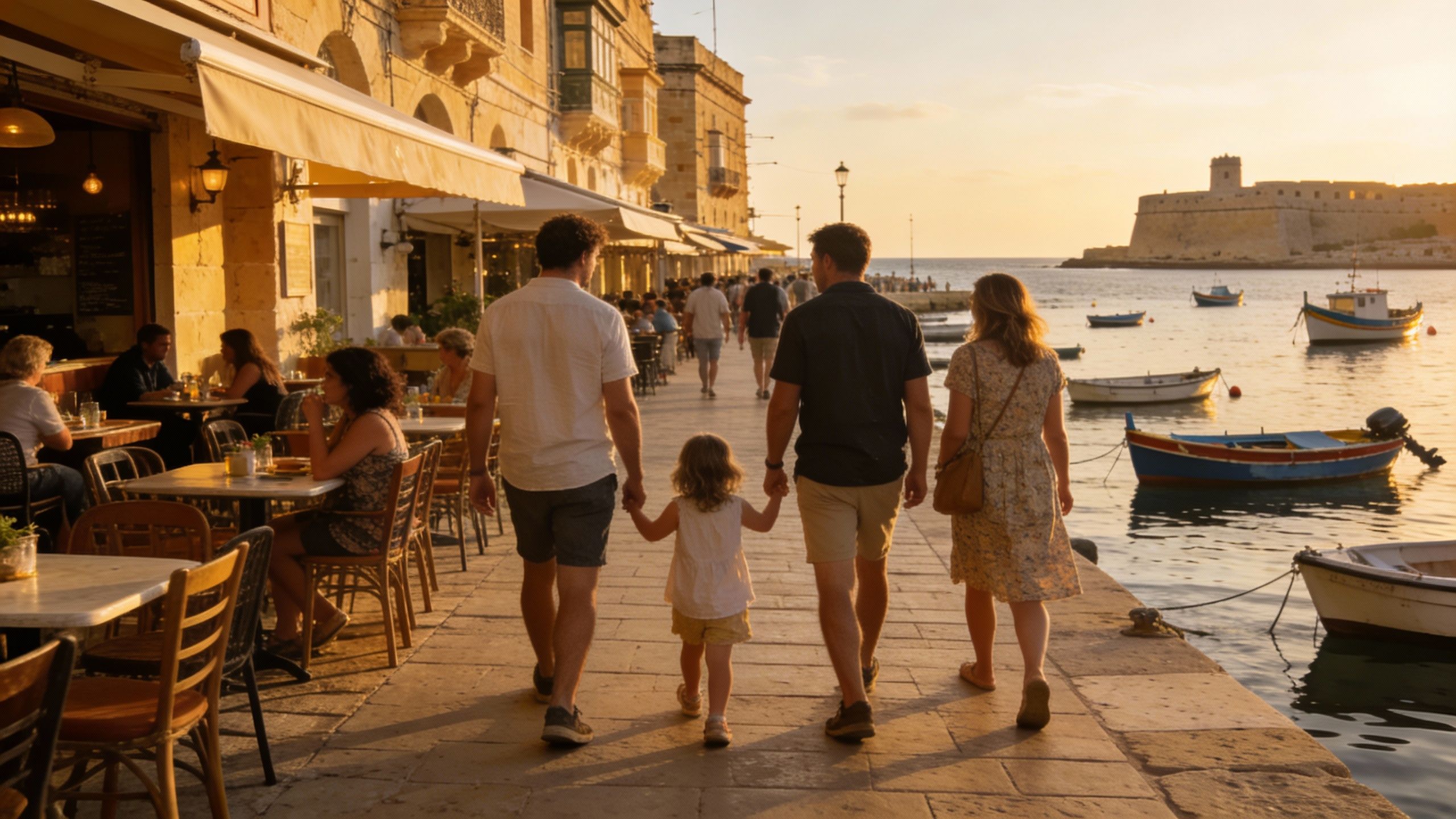
Imagine an island where baroque churches cast long shadows over narrow streets, where espresso is ordered by the dozen and a harbour promenade defines Saturday afternoons. In Malta that image sits beside a quietly vigorous property market — prices rising steadily, but with pockets of genuine value hidden in micro‑neighbourhoods and among particular property types. This piece pairs the sensuous life of Malta with the data that matters to buyers who want beauty and long‑term merit.
Living the Maltese Life
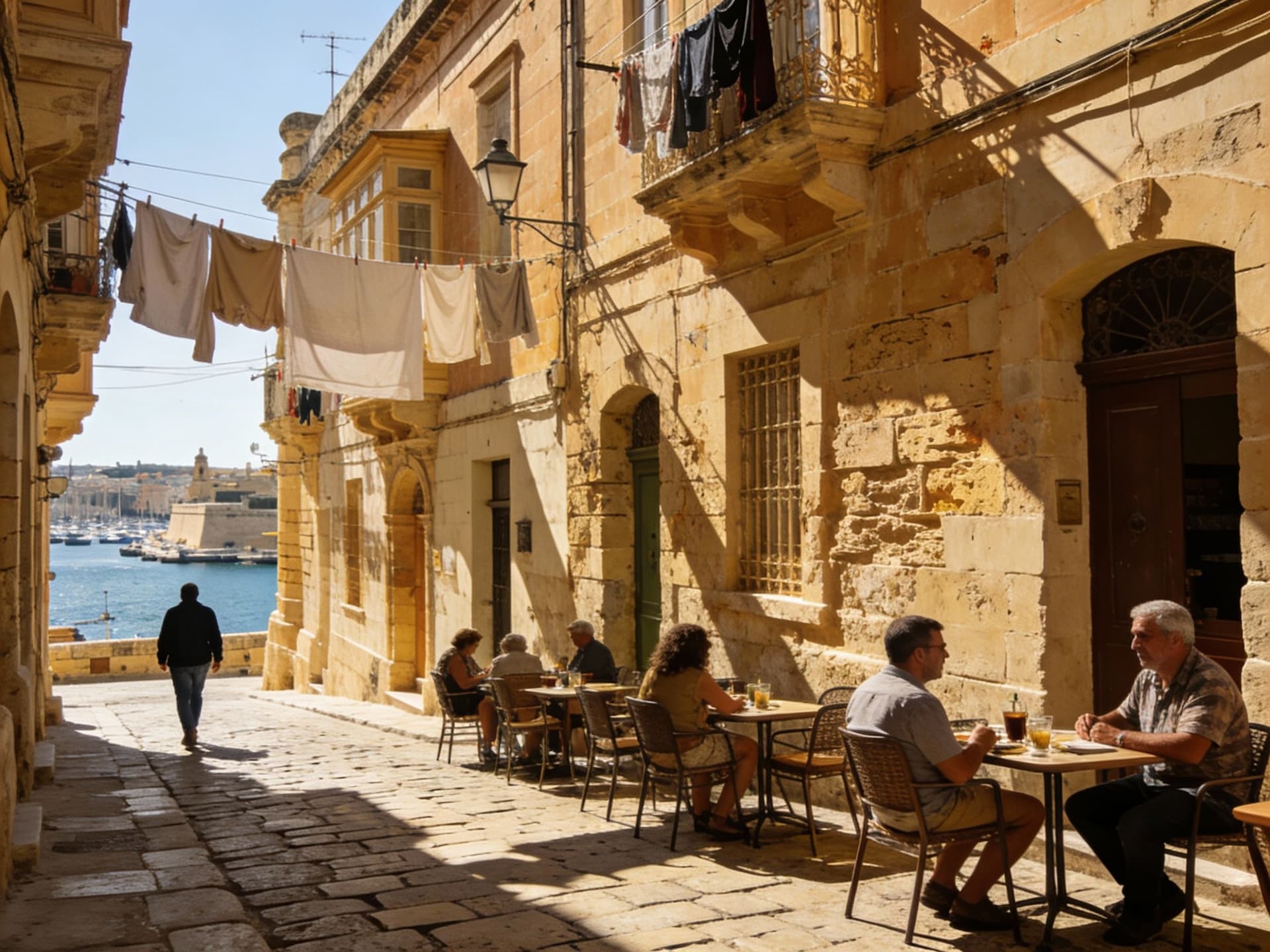
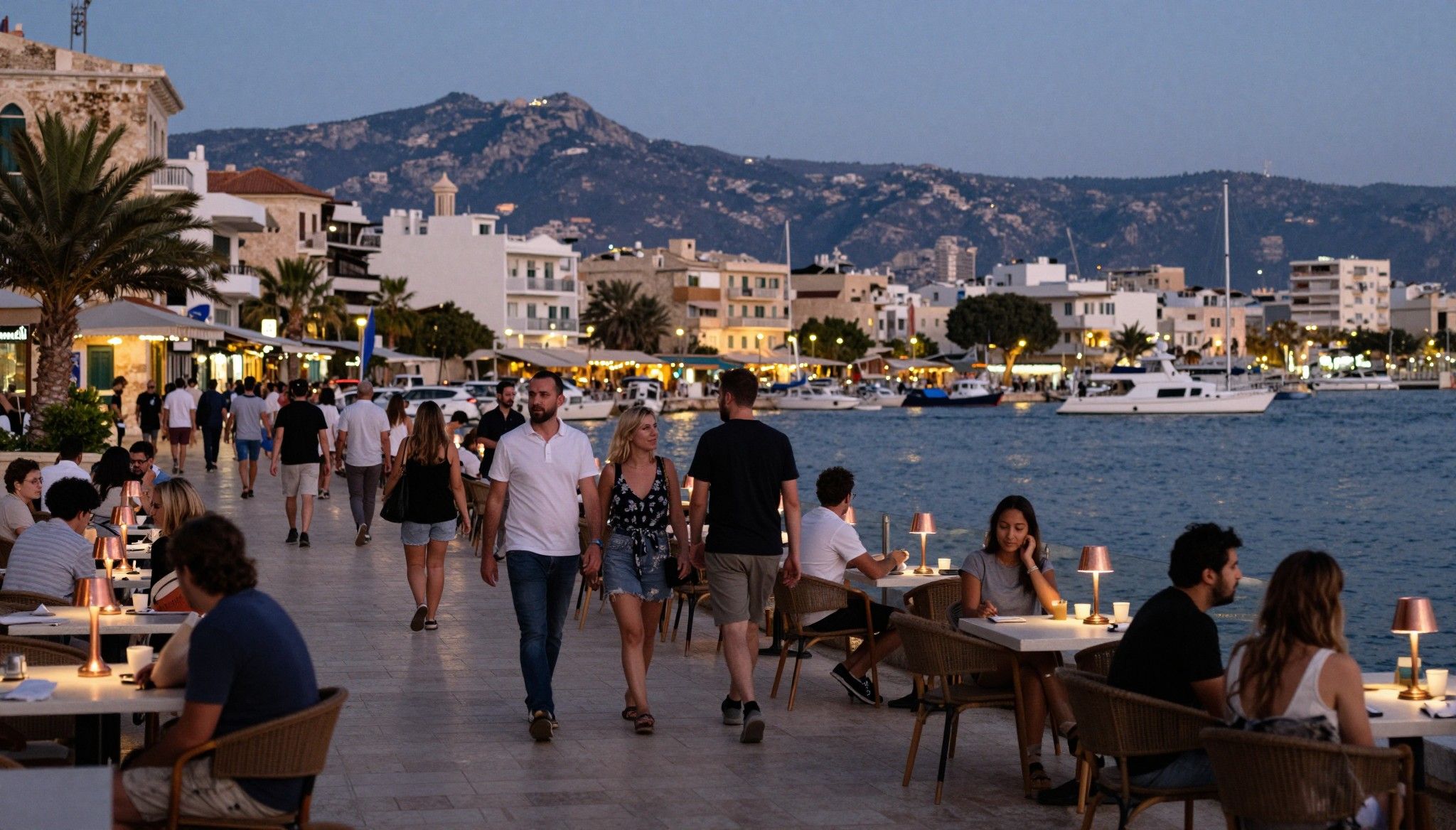
Malta’s rhythm is compact and intensely local. Mornings begin at cafés on Triq ir-Repubblika in Valletta or along Sliema seafront; siestas are less formal than in southern Europe but evenings unfurl around terrace tables and harbour lights. The islands reward walking: each bay, piazza and lane reveals craftsmanship — limestone cornices, wrought‑iron balconies, and shuttered townhouses that take on a warm, honeyed patina as the day wanes.
Valletta, Sliema and St Julian’s: differing tempos
Valletta is formal and ceremonial: narrow streets, tightly packed palazzini and a household sense of history. Sliema offers a promenade life — cafes, boutique shops and modern apartments with sea views. St Julian’s (and nearby Paceville) is livelier at night and favours serviced apartments and contemporary conversions. Each area attracts different buyers: collectors of period detail, professionals seeking convenience, and those wanting a more social, energetic scene.
Food, markets and weekend rituals
Weekends are anchored by market life: fish stalls at Marsaxlokk, coffee on Triq il-Merkanti and a late afternoon gelato while watching traditional luzzu boats bob in the harbour. The gastro scene has matured: intimate Mediterranean restaurants in Mdina, chef‑led tasting menus in Valletta and comfortable family trattorias dotted across the islands, all of which shape where locals choose to live.
- Lifestyle highlights: Valletta’s bookstores and cafés; Sliema promenade and ferries to the Three Cities; Marsaxlokk Sunday fish market; the cliffs and coastal walks of Dingli; hidden bays at St Peter's Pool; late summer festas that animate village squares.
Making the Move: Practical Considerations
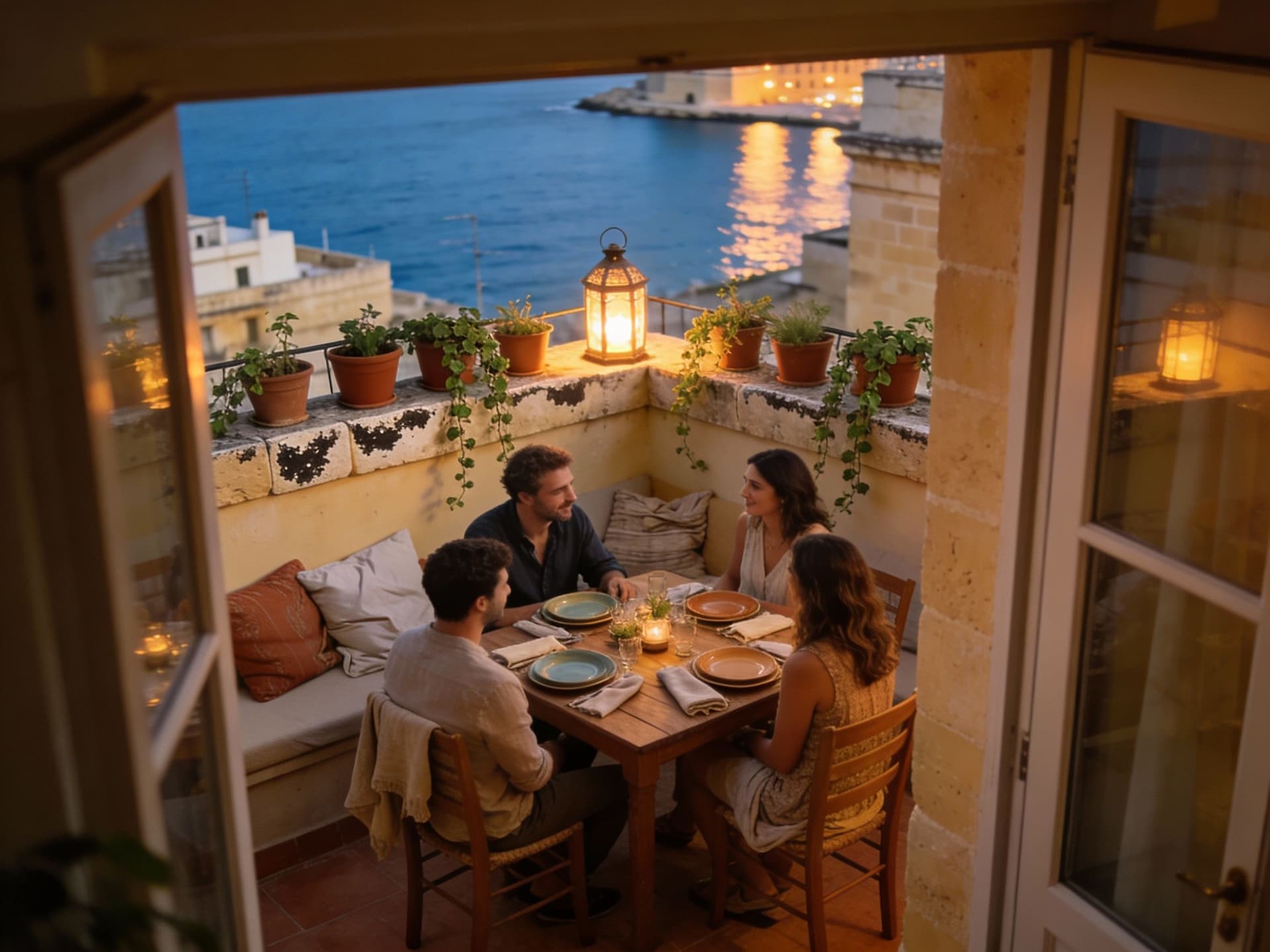
The data is straightforward: Malta’s Residential Property Price Index continued to climb through 2024–2025, with the RPPI at 171.93 in Q2 2025 — roughly a 5–6% year‑on‑year rise. That steady appreciation reflects limited land supply, strong domestic demand and persistent interest from purchasers abroad. For a buyer, this means planning around modest but consistent price growth and paying attention to micro‑factors that alter value significantly.
Property styles and how they shape daily life
Maisonettes and apartments dominate the urban palette; traditional townhouses and terraced villas appear in older villages and the Three Cities. A maisonette with an internal courtyard offers shaded outdoor life and calm; a penthouse with a roof terrace becomes an extension of living in summer. Choice of type affects utility, neighbourhood fit and long‑term maintenance — important when you want a home that ages with dignity.
Working with the right local experts
- 1. Retain an agent fluent in both local architectural traditions and the transactional subtleties; they will identify buildings with authentic fabric and sensible layouts. 2. Commission a detailed structural and services survey: older limestone properties often conceal damp or wiring issues that affect cost and comfort. 3. Ask for neighbourhood comparables, not broad island averages: two streets can diverge sharply in price and desirability. 4. Work with a notary and conveyancing lawyer experienced in cross‑border closings and title checks to avoid last‑minute surprises. 5. Factor in ongoing stewardship costs — restoration of lime‑based finishes and heritage features can be an investment in value, not merely expense.
Insider Knowledge: What Expats Wish They’d Known
Three realities often surprise newcomers. First, Malta’s attractiveness to foreigners once included citizenship-by-investment programs; recent EU rulings have curtailed those routes, which shifts investor demand toward genuine residency and long‑term ownership. Second, English as an official language eases integration, but local social life still revolves around neighbourhood networks and village festas. Third, the island’s compactness means that transport, noise and exposure to tourism vary dramatically within short distances.
Cultural integration and everyday belonging
Make an effort with local rituals: attend the parish feast, buy from the same baker, learn a few Maltese phrases. These small practices open doors. Expats who settle into village life — in places such as Zebbug or Marsaskala — report that social invitations and neighbourly help appear unexpectedly, and these networks determine how quickly a place begins to feel like home.
Long‑term perspective: stewardship over speculation
For buyers attracted by lifestyle, think like a custodian. Restore period elements with appropriate materials; choose finishes that age gracefully; prioritise properties with provenance and structural soundness. Reports of steady transactional volumes and rising values suggest reward for those who place quality and care ahead of short‑term gains.
- Red flags and practical checks: unclear title history; absent building permits for conversions; poor ventilation in limestone walls; overly optimistic rental yield projections in heavily touristified streets; reliance on programmes that have changed or been discontinued.
- 1. Visit at three different times of year to judge noise and tourism flows. 2. Ask for neighbour comparables and recent deeds of sale. 3. Commission a certified building survey before signing a promise of sale. 4. Discuss long‑term maintenance plans with your agent and builder before purchase. 5. Confirm residency or visa implications with a specialist adviser rather than relying on promotional material.
Malta is a rare combination: a densely textured cultural life folded into an island scale that feels immediately manageable. The market’s steady appreciation does not erase opportunities; it merely reframes them. Seek properties with architectural integrity, in neighbourhoods whose daily rhythms you can imagine, and assemble a small local team to preserve both the building and the life you intend to lead.
If Malta feels right, start with a short exploratory trip: dwell in a townhouse, meet a notary, and ask an agent to show you the same street’s recent deeds. Living here is sensory: the light on limestone at dusk, the carefully tended balconies, the taste of a sea‑salted breeze. Pair that sensibility with the facts above and you’ll buy with both heart and prudence.
Norwegian with years in Florence guiding clients across borders. I bridge Oslo and Tuscany, focusing on legal navigation, cultural context, and enduring craftsmanship.