Malta: Why Provenance Outshines Seafront Flash
Malta’s market blends seaside conviviality with measured price growth; view off‑season, favour provenance over flash, and use local experts to align lifestyle with market realities.
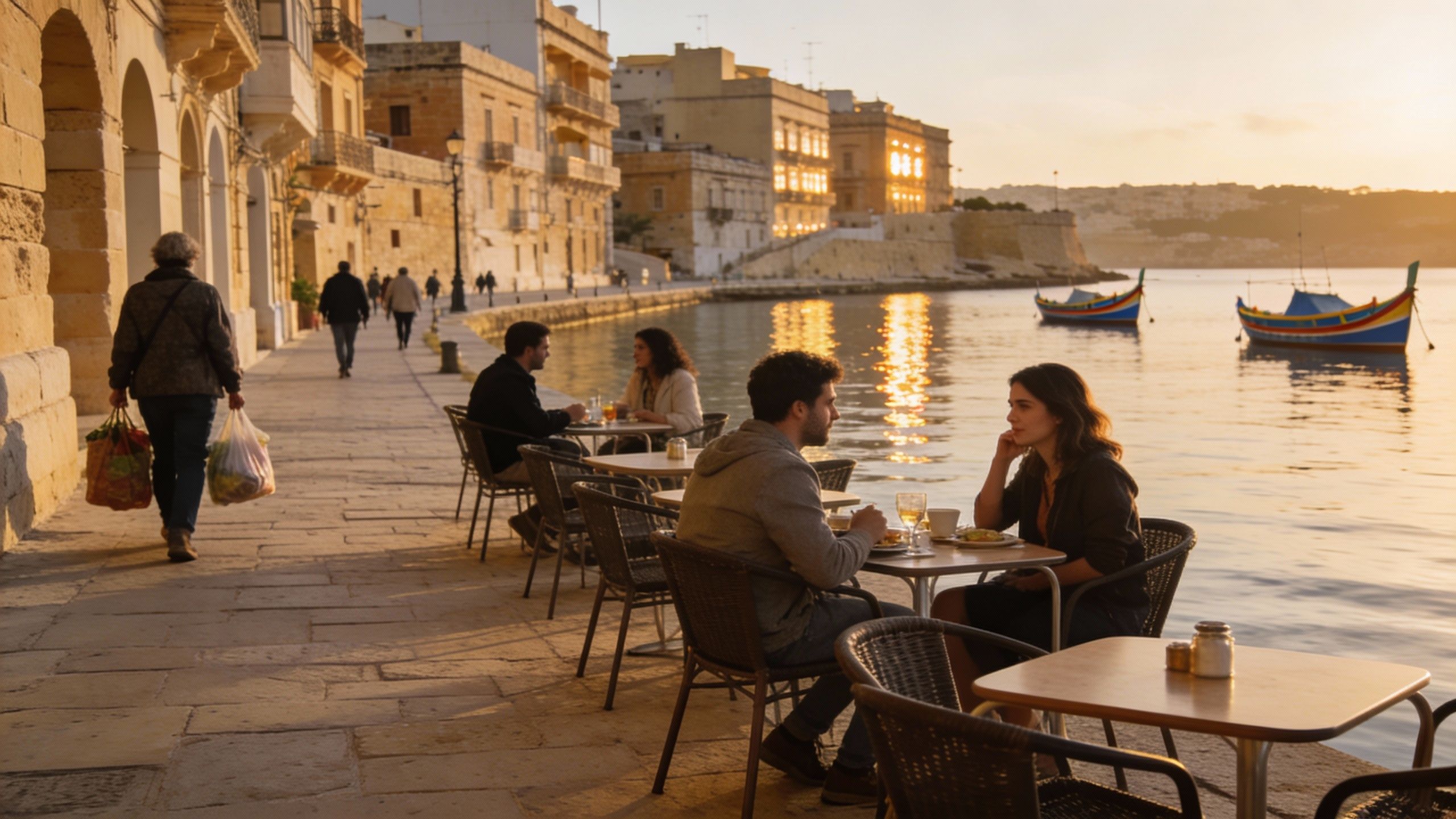
Imagine an early morning in Valletta: shutters opening to a cobalt sky, the scent of coffee and fresh pastizzi drifting from Triq il-Merkanti, and limestone façades catching the first light. Malta compresses a Mediterranean life—markets, harbour-front promenades and quiet lanes—into an island you can cross in an afternoon. For many international buyers the romance is immediate; the practicalities, less so. Recent market shifts mean the decision to buy here now is as much about lifestyle as it is timing and locality.
Living the Maltese Rhythm
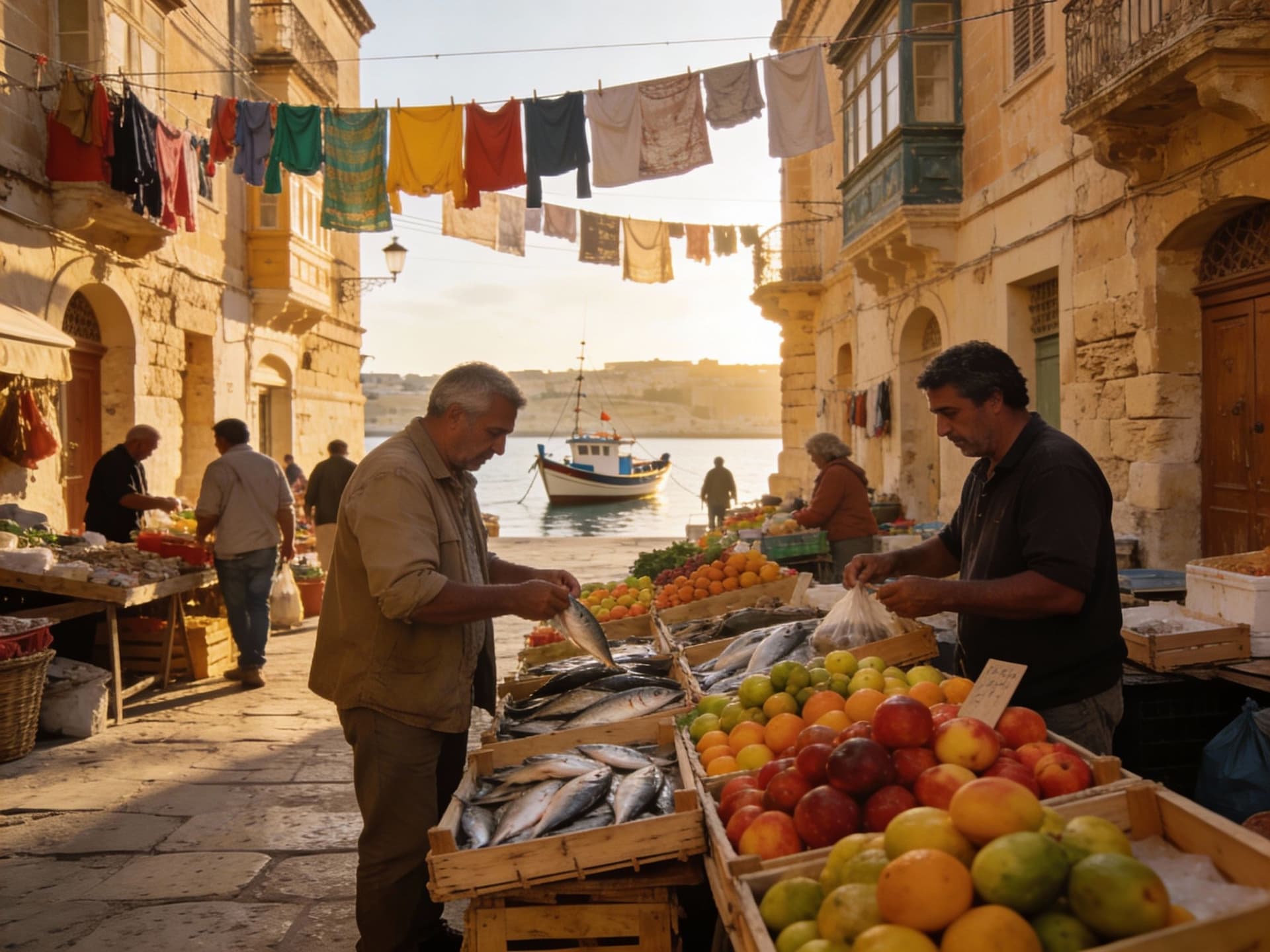
Daily life in Malta hangs between harbour mornings and slow, social evenings. Sliema’s seafront cafes hum with laptops and late breakfasts; narrow streets in Mdina stay hushed until festival nights bring lantern-lit crowds. English is widely used, which eases practical integration even as Maltese customs—siesta-like pauses, long family meals, a fondness for local festa traditions—shape how neighbourhoods feel and function.
Harbour-front energy: Sliema, St Julian’s and Tigné
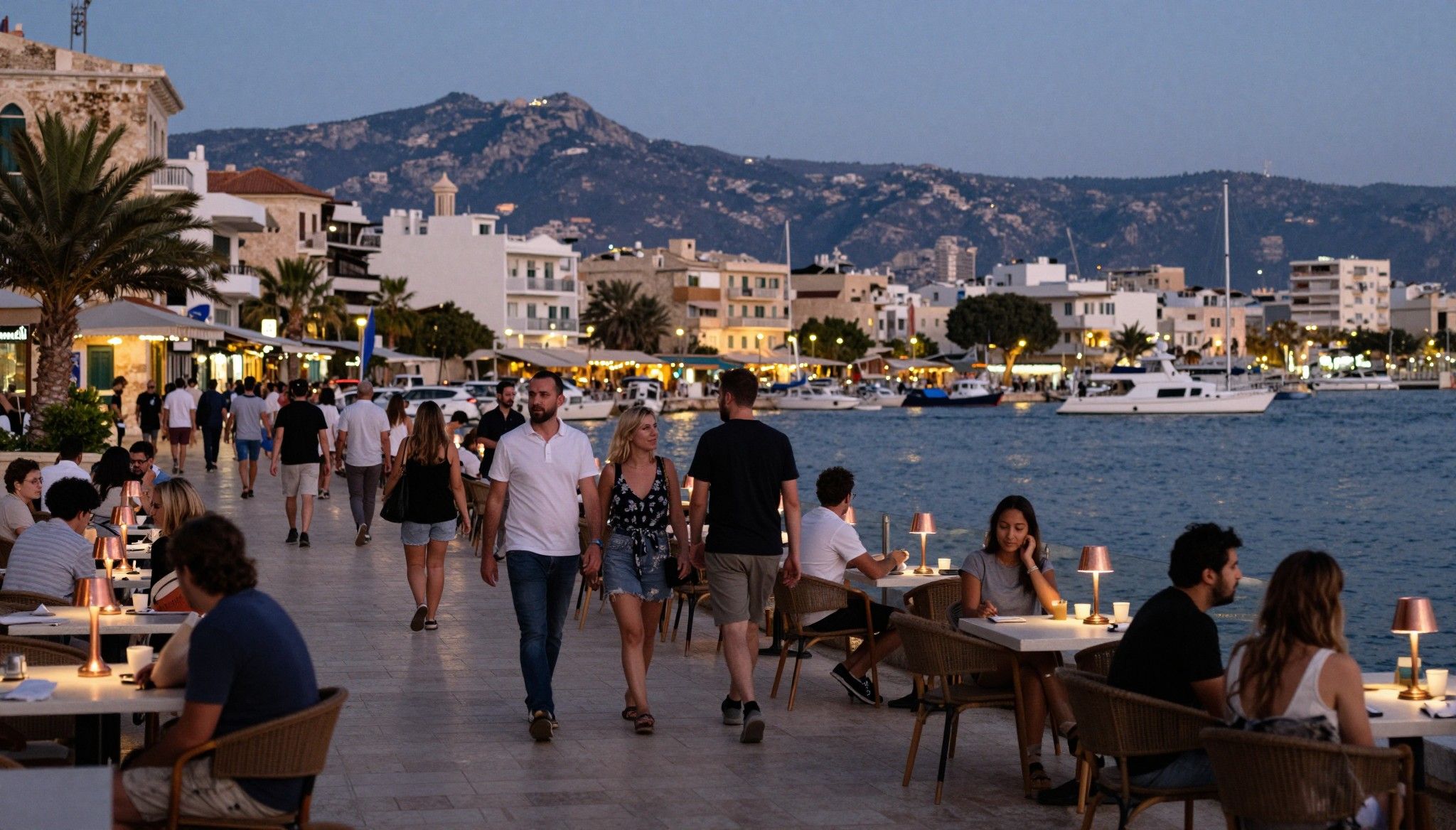
If you prize cafés with a view and late-evening social life, the Northern Harbour corridor answers. Sliema and St Julian’s offer close contact with international services, private clinics and established expatriate communities. Tigné Point and the restored Cottonera quays show how recent developments combine contemporary finishes with reclaimed maritime character—useful if you want an apartment that reads modern but sits within Maltese urban grain.
Quiet provenance: Mdina, Rabat and inland villages
For a different tempo, look inland. Mdina and Rabat offer shuttered palazzi, vaulted rooms and a sense of historical stewardship. Villages such as Marsaxlokk and the lanes around Żebbuġ favour stone houses and a neighbourly pace; these places reward buyers seeking provenance, restoration potential and quieter streets rather than seafront spectacle.
- Lifestyle highlights to seek in Malta
- Morning espresso at Caffe Cordina in Valletta; an afternoon dip at Għajn Tuffieħa; Sunday produce at Marsaxlokk market; aperitifs on Sliema promenade; festas in local squares; a late‑season walk across Victoria in Gozo.
Making the Move: Market Realities and Property Types
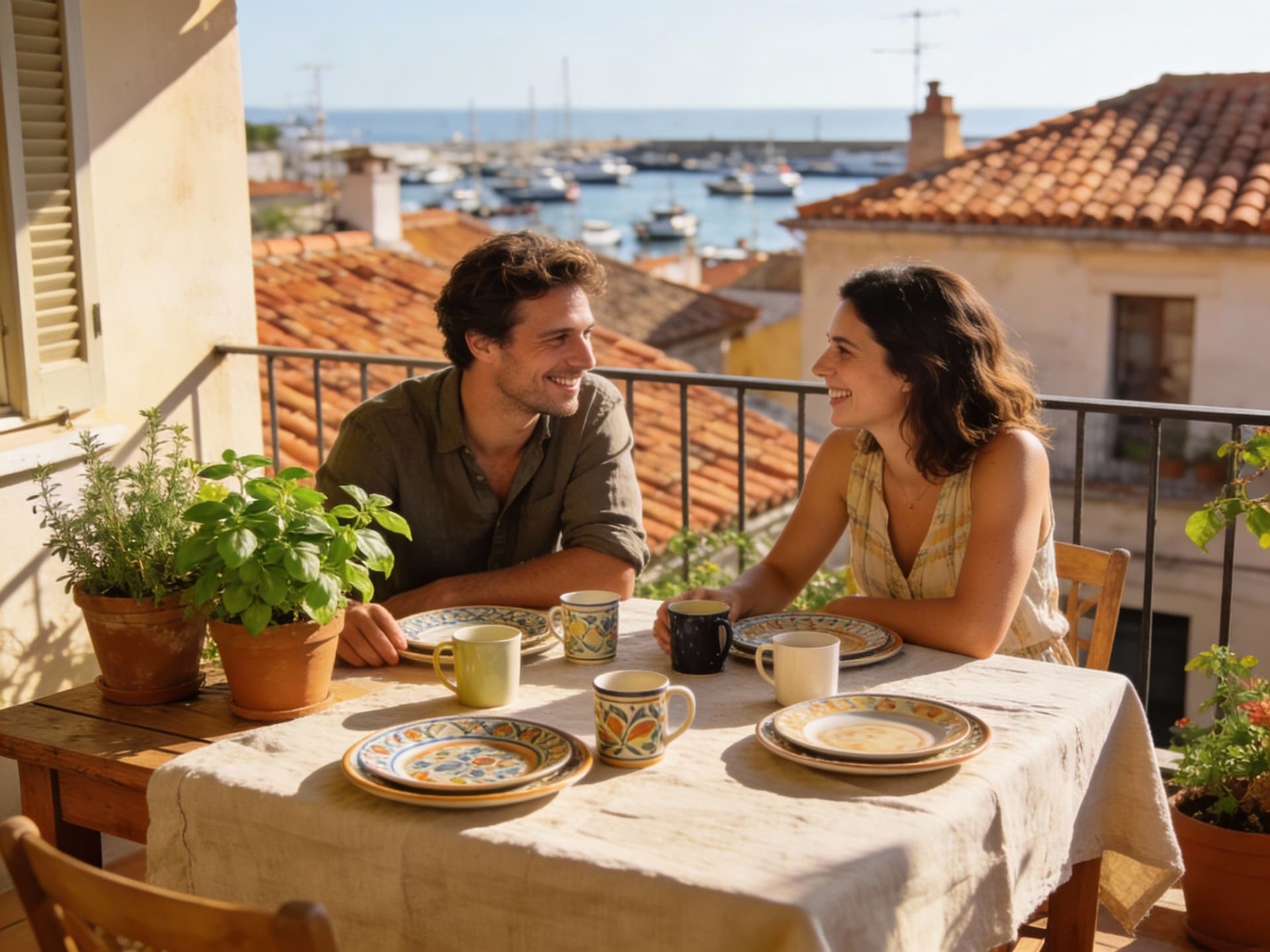
Charm aside, prices have been rising. The National Statistics Office’s RPPI records consistent year-on-year growth through 2024–2025, with apartments and maisonettes driving much of that momentum. Understanding where price pressure sits—coastal northern districts versus the south and Gozo—lets you match a lifestyle brief to an attainable property type.
Property styles and how they shape life
Apartments in Sliema or Tigné often mean compact interiors and roof terraces—suitable for those who live outdoors or travel frequently. Maisonettes provide a hybrid: internal living rooms with street-level access and a small courtyard. Houses of character—townhouses with vaulted ceilings and traditional timber galleries—require restoration but reward with scale and provenance. Choose by how you intend to inhabit the home, not only by headline price.
Work with the right local experts
A local agency that understands neighbourhood rhythms, permitted purchase zones and residency pathways is indispensable. For buyers considering residency options, the Malta Permanent Residence Programme sets property thresholds and contribution rules that vary by district; specialist advisers and reputable agents streamline compliance and uncover suitable stock.
- Steps to align lifestyle with market strategy
- Define your daily rhythm (harbour life, village calm or mixed).
- Map that rhythm to property types (apartment, maisonette, townhouse).
- Ask agents for provenance reports and recent transaction comparables in the exact streets you favour.
- Factor seasonality (view off-season to see true neighbourhood life) and permit timelines into your schedule.
Insider Knowledge: What Expats Learn Slowly
Many expatriates arrive enchanted and then discover small practical frictions: erratic public transport timetables, compact interiors that require bespoke storage solutions, and local planning norms that prize limestone façades and restrict radical façades. These are not deal-breakers; they are the texture of Maltese life and the reasons restoration-minded buyers succeed here.
Integration, language and community
English as an official language eases everyday tasks—banking, healthcare and schooling—while learning basic Maltese opens doors socially. Local clubs, voluntary organisations and festa committees are where neighbours meet; investing time there accelerates acceptance and provides practical local knowledge about craftsmen, reliable builders and seasonal maintenance routines.
Long-term considerations buyers often overlook
Think beyond acquisition cost. Consider maintenance of traditional limestone, the cost and timing of restoring period features, and how seasonal rental demand might affect usage if you intend to let. Areas popular with tourists command premium short-term yields but change the daily rhythm of neighbourhoods during summer months.
- Belated buyer's tips
- View in winter to assess true noise and neighbourhood life; budget for limestone repairs and artisan finishes; confirm permitted uses if you plan to rent; meet neighbours when possible; secure a local project manager for renovations.
Malta’s market remains compact and historically steady. Official RPPI figures and industry reports show mid-single-digit annual growth in recent quarters, concentrated in northern harbour districts while more space-for-money exists in Gozo and the south. For buyers drawn by heritage, piazza life and a Mediterranean daily rhythm, the island offers a range of living experiences—but success depends on marrying that desire to a clear local strategy. Start with neighbourhood visits outside high season, work with agents fluent in local provenance, and test daily routines before committing.
If Malta’s rhythm resonates, take two practical next steps: arrange off-season viewings to experience real neighbourhood life, and commission a local agent to prepare street-level comparables and a restoration estimate. That modest diligence preserves the very lifestyle you came for, and positions you to buy not only a property, but a responsibly chosen home.
Relocating from London to Mallorca in 2014, I guide UK buyers through cross-border investment and tax considerations. I specialise in provenance, design integrity, and long-term value.