Italy’s Value Map: When ‘Cheap’ Isn’t a Bargain
Italy’s romance conceals market nuance: use season-long stays, local experts and data-led checks to find genuine value beyond €1 myths and headline prices.
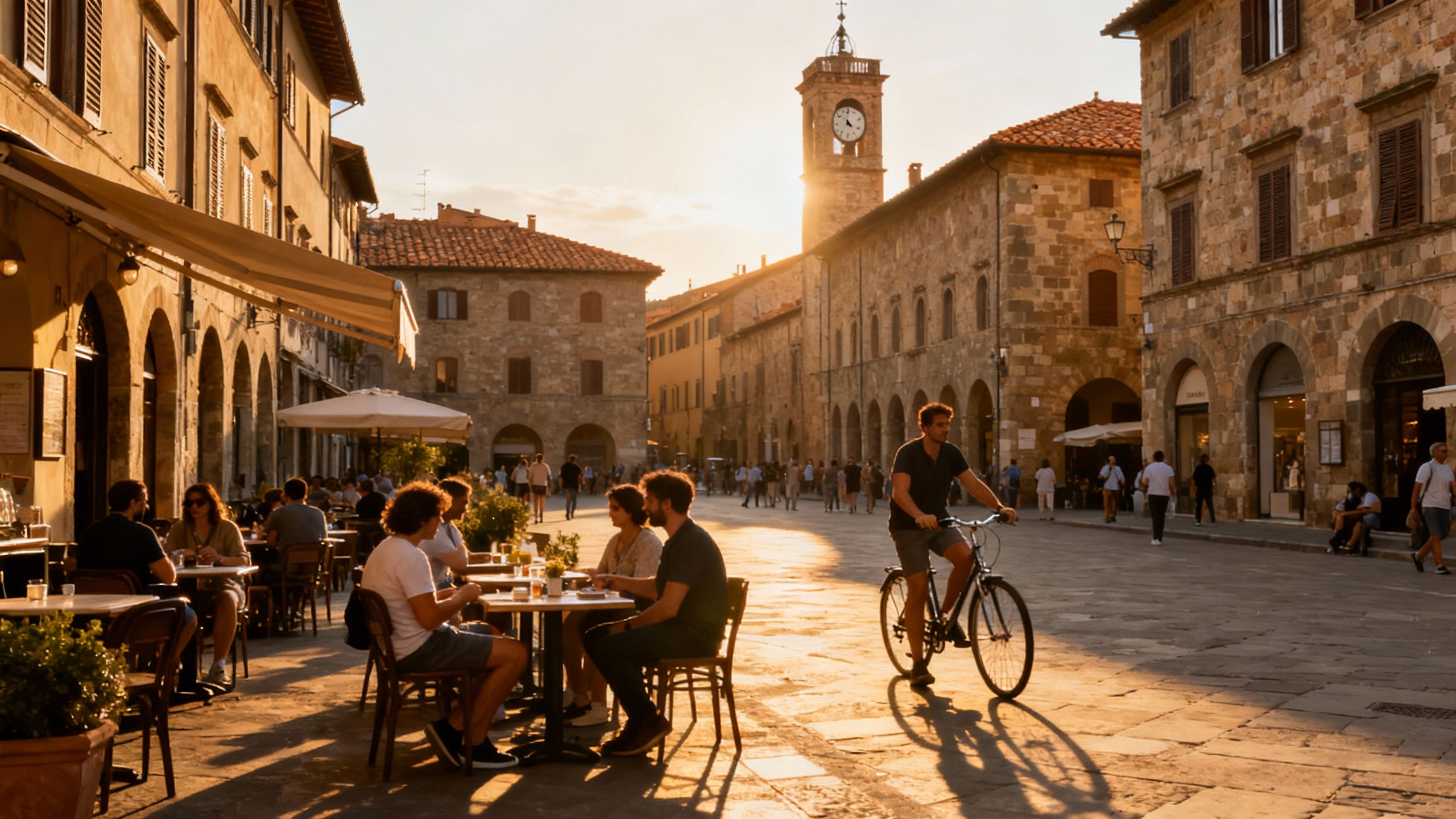
Imagine an autumn morning in Umbria: a market stall spilling chianti-coloured chestnuts, a barista tamping espresso while pensioners argue a point of local history, and a stone palazzo with a new roof that looks as if it has always belonged. Italy invites a reinvention of daily life, where texture, season and provenance determine value as much as square metres.
Living the Italy lifestyle
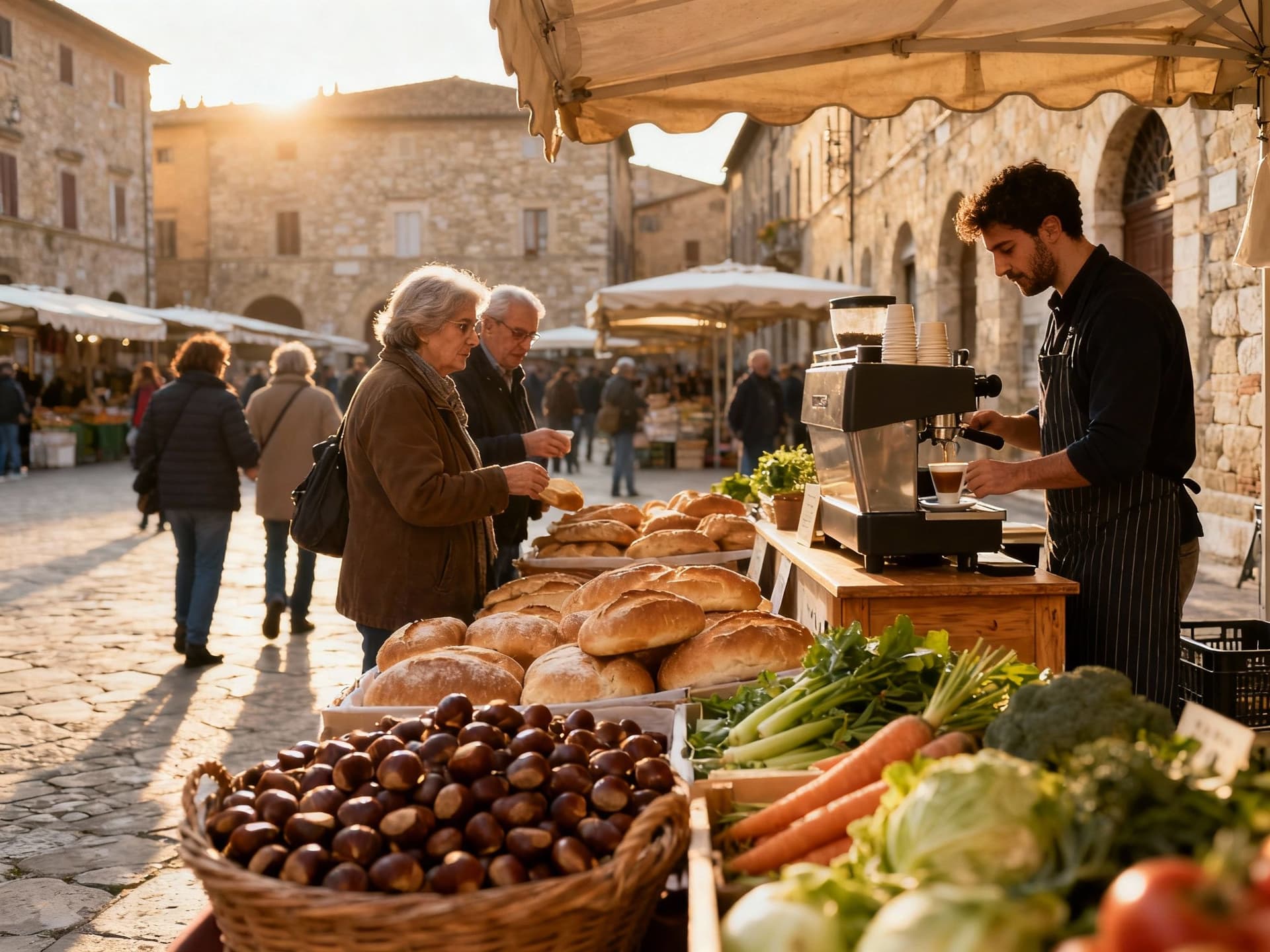
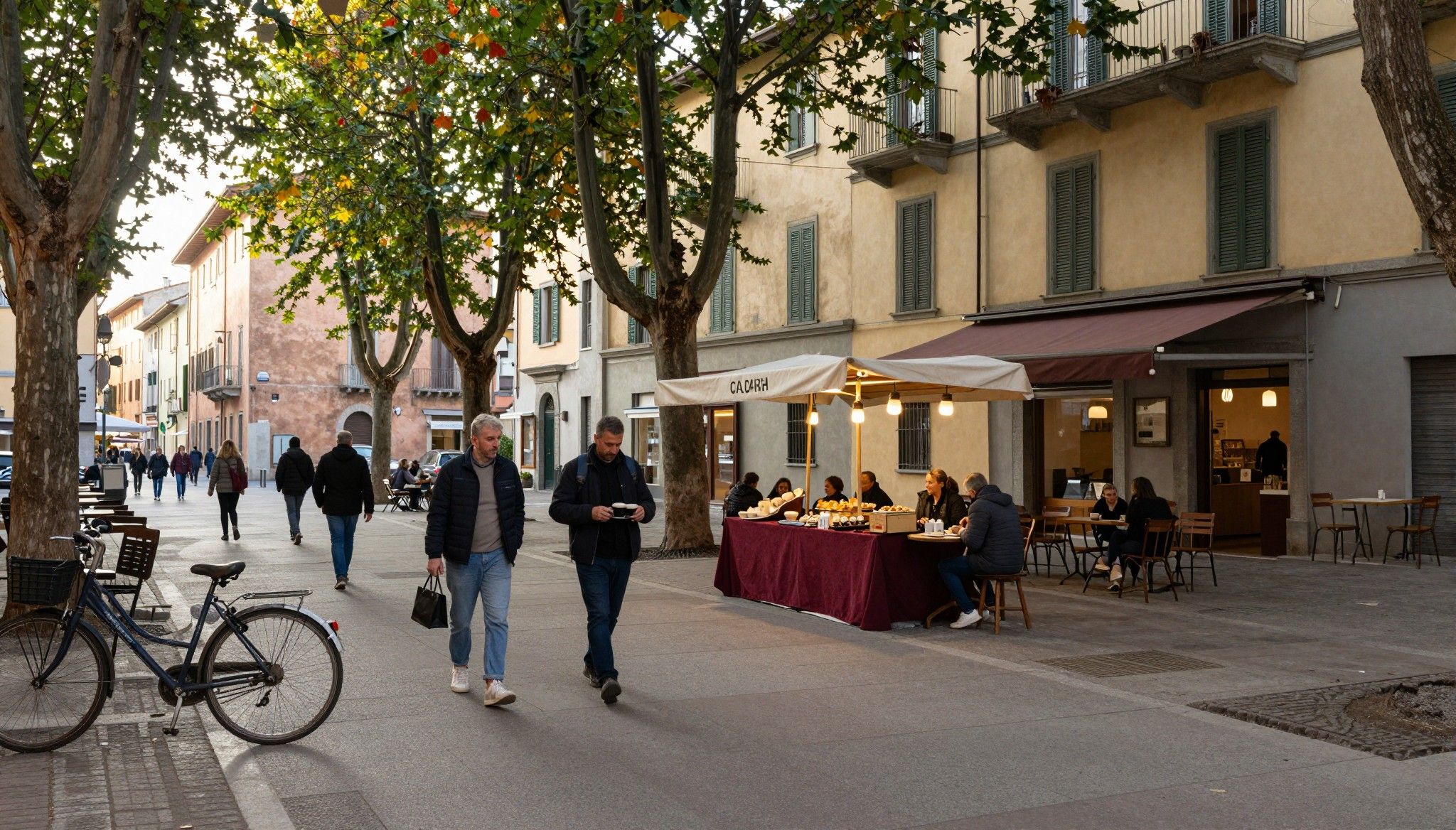
Living in Italy is less an arrangement of conveniences than a choreography of place: morning coffee at an espresso bar, a late-afternoon passeggiata under plane trees, vegetables from a market stall named for three generations. Cities present a stratified rhythm—Milan’s focused professionalism versus Rome’s layered history—while regions offer contrasting cadences from Ligurian sea wind to Tuscan hilltop hush. These daily patterns shape where discerning buyers choose to live and which property types sustain the ideal.
Neighbourhood pulse: city quarters and villages
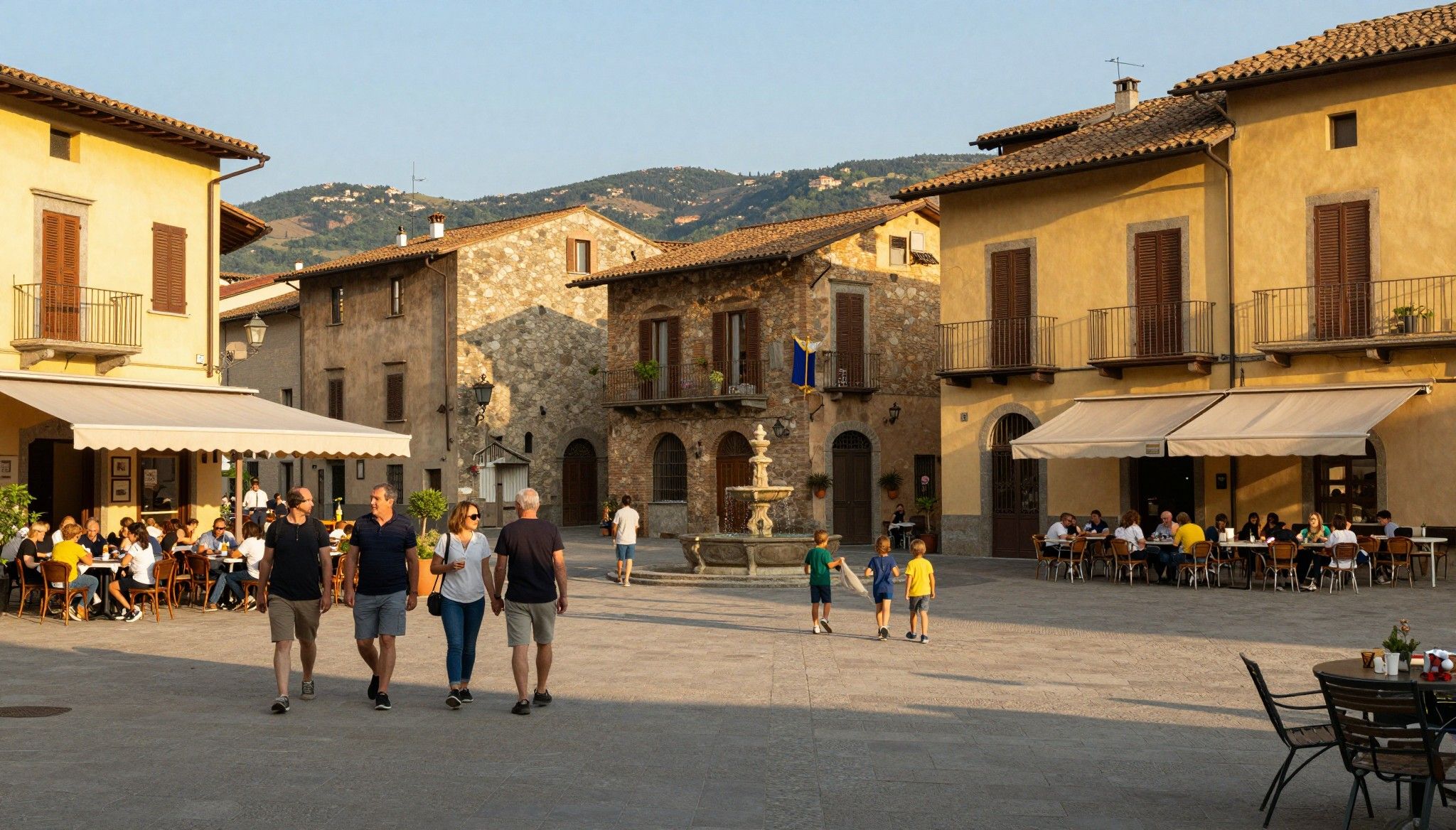
In Rome, Trastevere still offers narrow streets, ivy-draped palazzos and a social life that spills into piazzas; in Milan, Brera and Porta Romana pulse with design ateliers and discreet courtyards. Elsewhere, towns such as Orvieto or Lucca provide an intimate scale: morning markets by the cathedral, a single barber who knows every resident. These are not interchangeable experiences—each street, café and staircase informs how a home will be lived.
Culinary life, seasons and the slow calendar
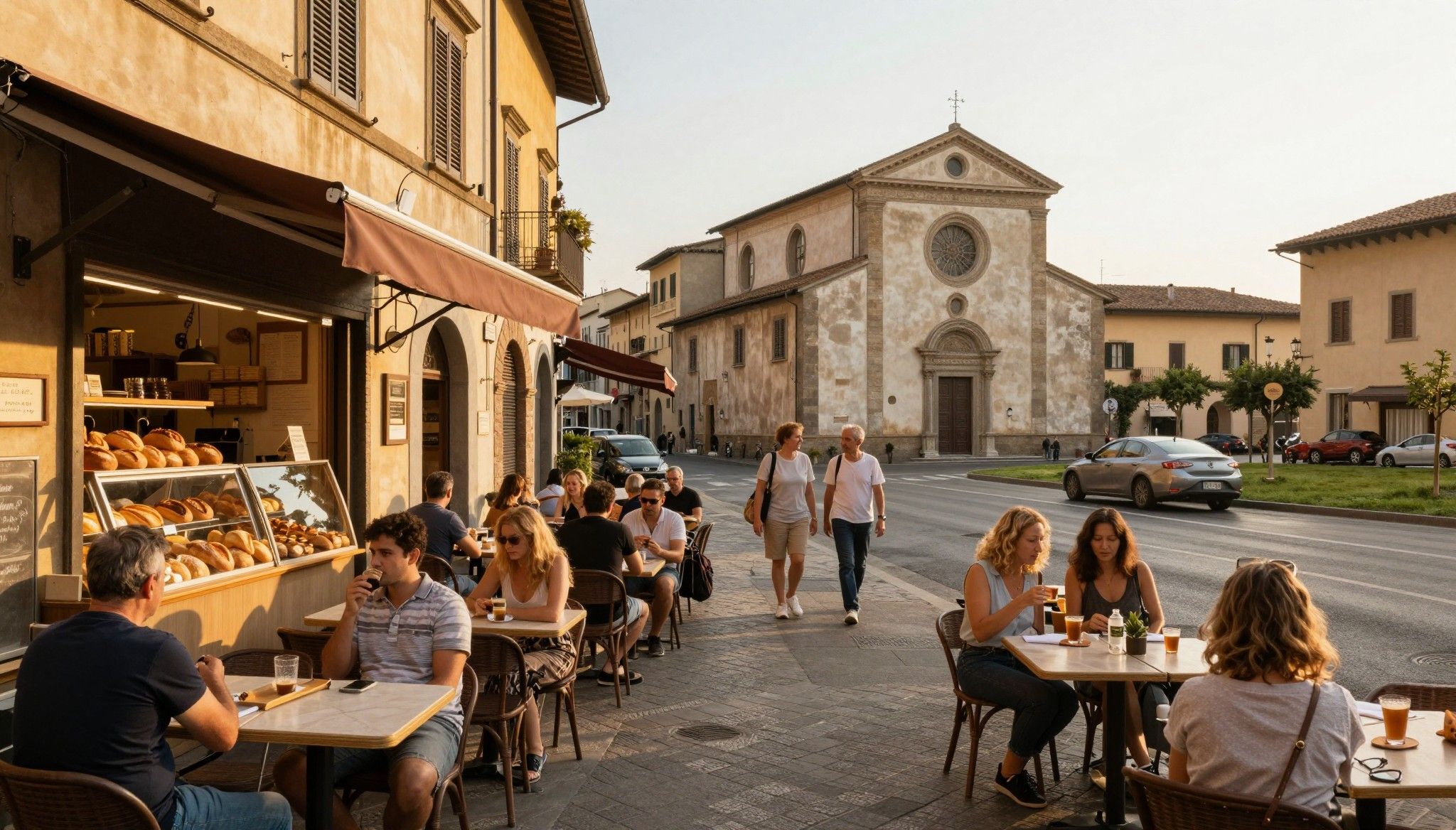
Food in Italy is a spatial practice: morning focacceria in Liguria; weeknight ristoranti that respect seasonality in Emilia; truffle markets in Piedmont that reshape weekends. Festivals—sagre for chestnuts, la vendemmia for grape harvest—are not only social highlights but also signposts for when neighbourhoods are most alive and when properties reveal their true character (and occasional maintenance needs).
- Lifestyle highlights: real places and pleasures
- Passeggiata along Florence’s Oltrarno lanes; aperitivo terraces on Milan’s Navigli; early market mornings at Palermo’s Ballarò; winter truffle fairs near Alba; beachside cafés along Amalfi’s lesser-known coves; village festivals in Abruzzo where artisans still work stone.
Making the move: practical considerations
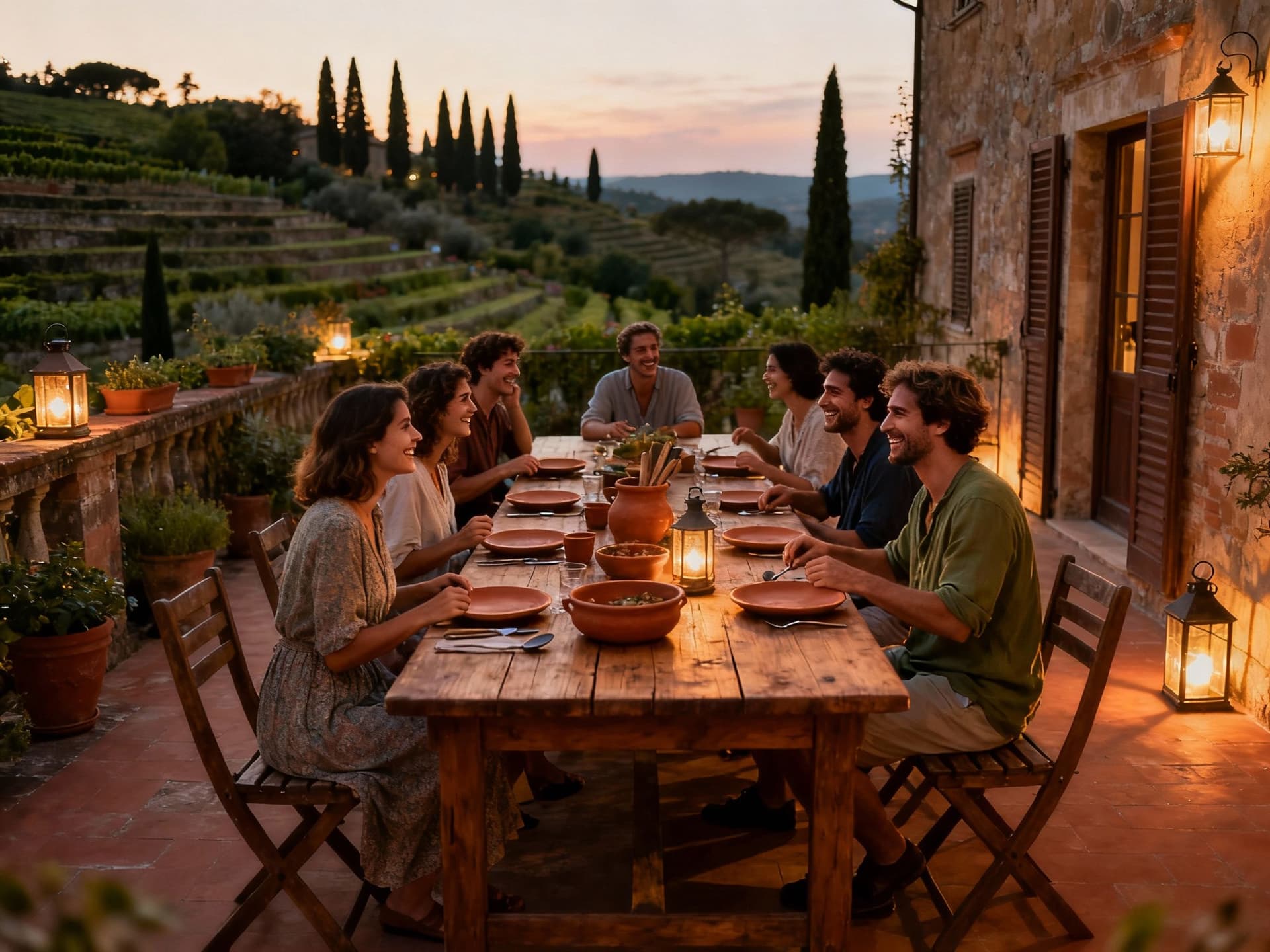
The romance of place must be married to market reality. Italy’s house price index shows modest but persistent growth in many areas through 2025, yet patterns vary dramatically by region and property age. Short-term rental taxation and local zoning changes—recently debated in national press—affect yield calculations in tourist hotspots. For buyers intent on lifestyle rather than speculation, the key questions are: does the neighbourhood sustain year-round life, and will the building’s fabric endure the climate and seasons you intend to live through?
Property types and how you’ll actually live
A restored palazzo apartment offers scale, high ceilings and civic presence but often carries higher service and restoration obligations; a farmhouse (casa colonica) yields land and privacy but requires structural knowledge and seasonal maintenance. Coastal apartments prize views but face salt-related degradation. Choose the type that complements day-to-day life—terrace for long dinners, compact central flat for cultural nights, countryside house for gardens and produce.
Working with experts who know the local life
An agency that can read both market data and street life is indispensable. Local agents with restoration contacts, planning knowledge and discreet ownership networks will save time and surface off-market opportunities. They also advise on seasonal neighbourhood rhythms—where summer crowds recede to reveal a sustainable community, and where peak-season traffic masks structural weaknesses.
- Steps to align lifestyle and purchase: 1) Live in the area for a season before committing; 2) Commission a structural and damp survey; 3) Ask neighbours about winter and service realities; 4) Request a statement of recent maintenance and condominium minutes; 5) Factor in realistic budgets for restoration and antiques-appropriate heating.
Insider knowledge: what expats wish they’d known
Expat experience often begins in seasonal enchantment and later reveals structural truths—where water pressure dips in winter, where car access is a daily negotiation, where neighbours expect reciprocity in village life. Those who thrive approach Italy as stewardship: they invest in materials, local craftsmen and relationships, and accept rhythms that include long summer closures and lively winter markets.
Cultural integration and daily social practice
Language matters for nuance. A few phrases open doors; a local solicitor with patience explains land registry quirks. Participation—frequenting the same bar, attending a festival—turns neighbours into stewards rather than distant vendors. Expect to exchange favours, accept slower bureaucracies, and value provenance over immediacy.
Long-term lifestyle and preservation
Consider how a property will age and what kind of stewardship you intend to provide. Does the roof follow traditional materials that a local craftsperson can repair? Will interior restorations respect original fenestration and plasterwork? Those choices preserve value and ensure the house remains part of a place rather than a private museum.
- Red flags to watch for in charming villages: 1) vacant streets after October; 2) consistently low council maintenance budgets; 3) historic supply of utilities (old wiring/plumbing); 4) ambiguous property titles or unresolved servitudes; 5) dependence on seasonal tourism for local services.
Conclusion: live the life, measure the risks. Italy rewards those who value texture, provenance and community. Let the market data—national indices and local listings—inform price expectations, while local expertise and season-long immersion reveal the true fit. Begin with a considered stay, an agent who knows both town council and tavern, and a pragmatic plan for stewardship. In that balance rests a home that feels inevitable.
Dutch former researcher who moved to Lisbon, specialising in investment strategy, heritage preservation, and cross-border portfolio stewardship.