Italy’s Price Paradox: Where Value Lives in 2025
Italy’s market hides local value: seasonal life, restoration grants and urban renewal create discreet buying opportunities for lifestyle-focused purchasers.
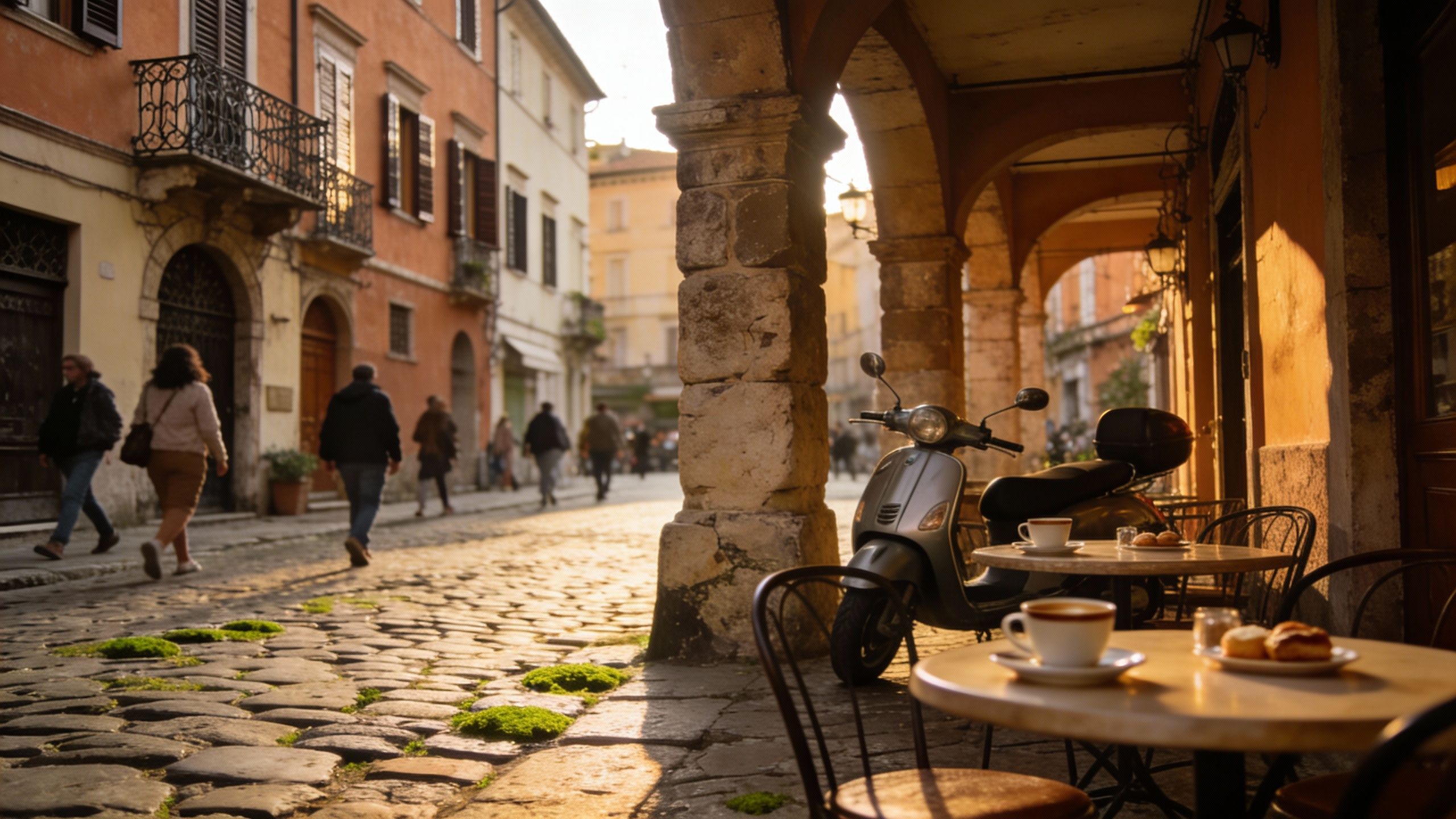
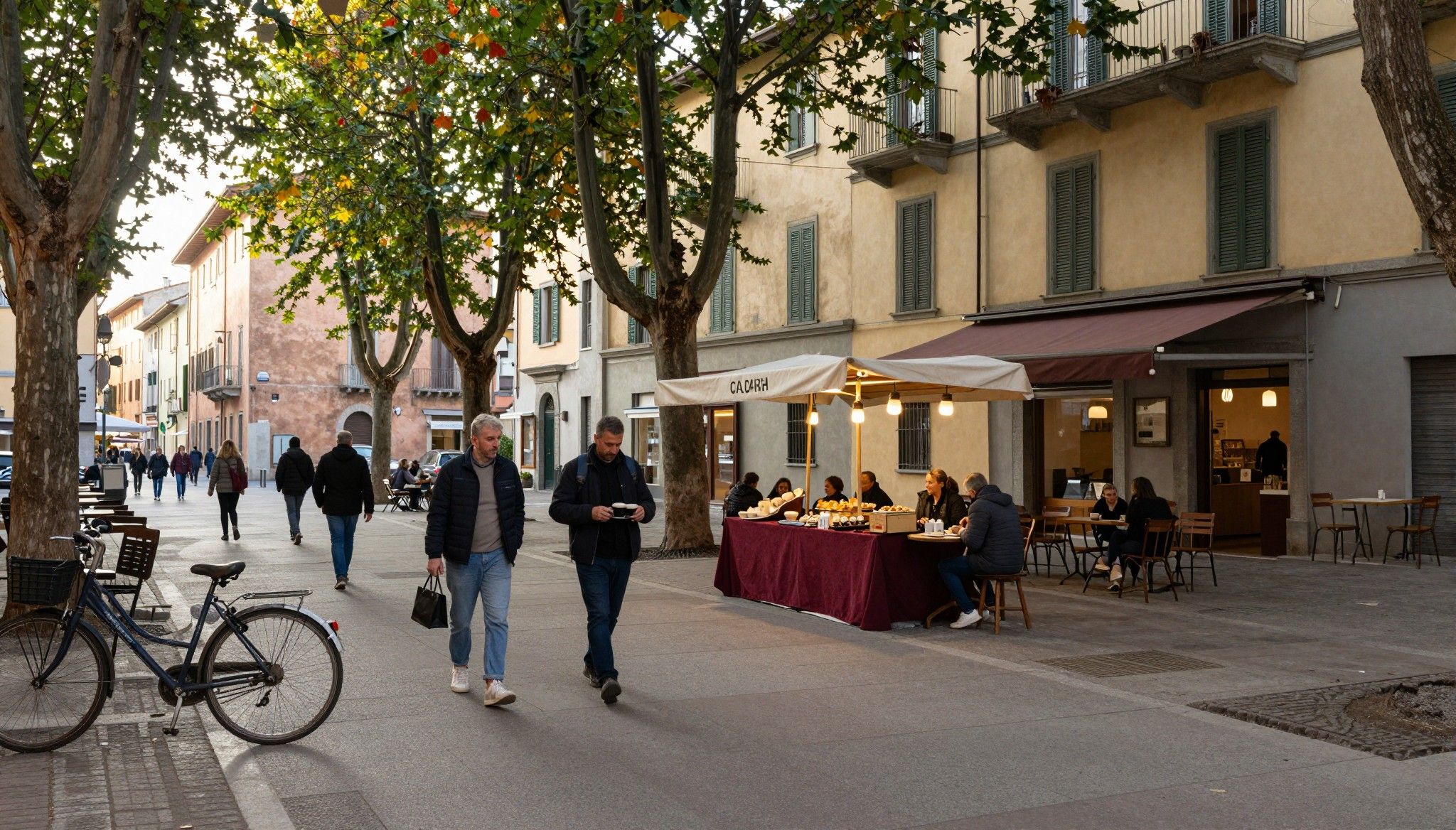
Imagine an early autumn morning in Bologna: steam rising from a paper cup, the arcaded streets quieting as bakers wheel out loaves, a cyclist threading between porticoes. It is easy to romanticise Italy as uniformly pricey or universally affordable. The truth is more textured — pockets of premium and understated value coexist within the same region, shaped by local planning, tourism cycles and restoration initiatives. For the international buyer the question is not simply ‘how much’ but where the lifestyle you want aligns with market momentum and cultural rhythms.
Living the Italy lifestyle
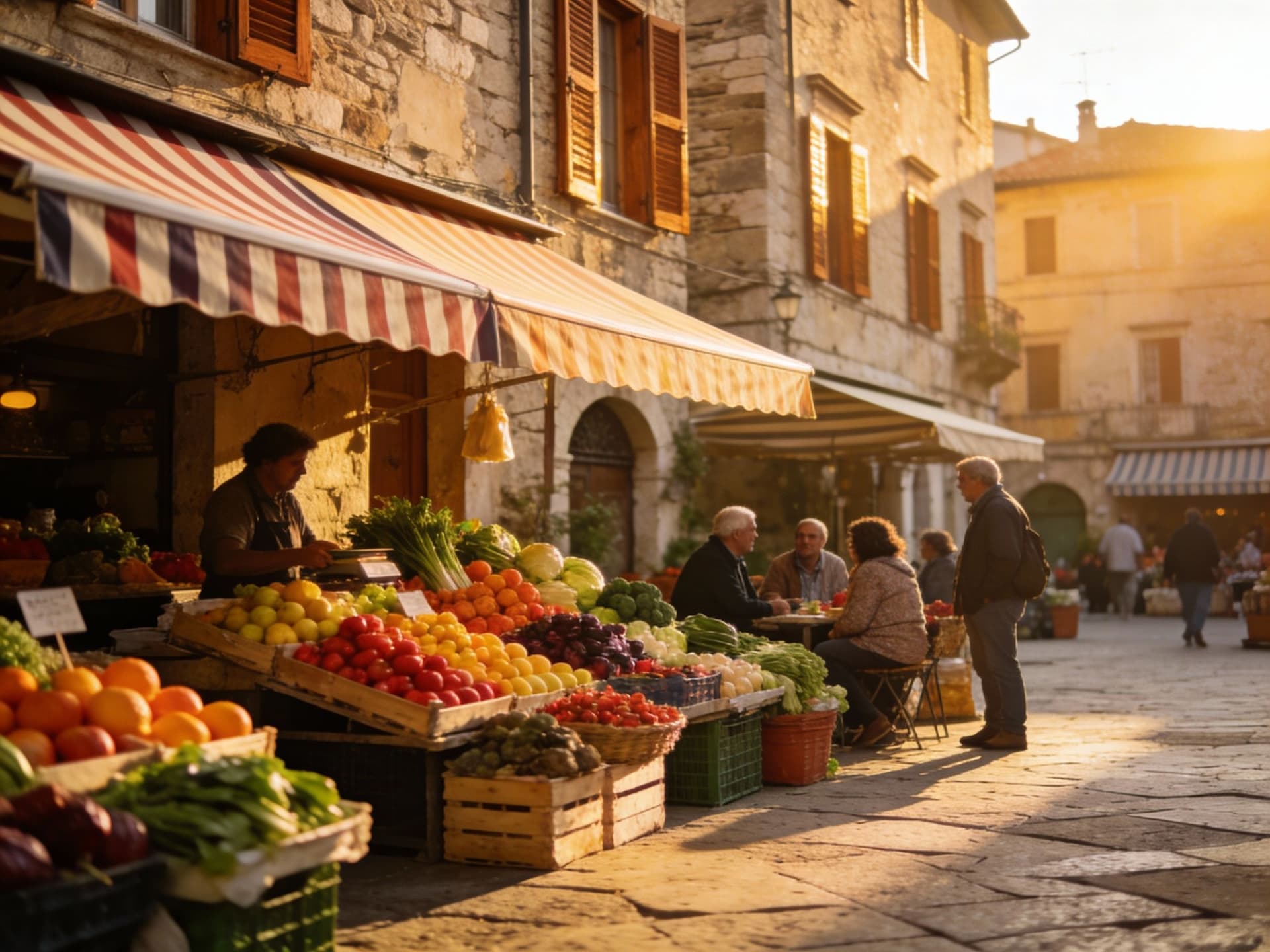
Living in Italy means living with layers: Romanesque stone, a piazza’s social choreography, a neighbourhood trattoria whose chef knows your order. Days are organised around markets, cafés and seasonal festivals; evenings belong to passeggiata and slow dinners. For buyers this cultural cadence informs choices — a city-centre apartment near a piazza feels different from a hilltop farmhouse whose calendar revolves around harvest and market day.
City and region spotlights
Milan remains Italy’s benchmark for high-end, design-led living, yet recent investor attention has migrated towards Rome, where renovation programmes and urban renewal are creating discreet opportunities. In Tuscany and Umbria buyers prize provenance — stone farmhouses and restored convents — while Liguria’s pastel harbours and Puglia’s trulli answer a different call: sun, sea and slow rural rhythms. Each place comes with a distinct daily life and therefore a different proposition for the buyer seeking enduring value.
Seasonal flavours: markets, festivals and fieldwork
Seasonality is not an afterthought in Italy; it shapes demand and how you will live. Truffle season reshapes Alba and parts of Tuscany every autumn; summer confers a different tempo along the Amalfi Coast and Sardinia. A property that feels vivid in high season may sit almost dormant in winter — a consideration for buyers planning rental income or year-round residence.
- Lifestyle highlights to scout in person
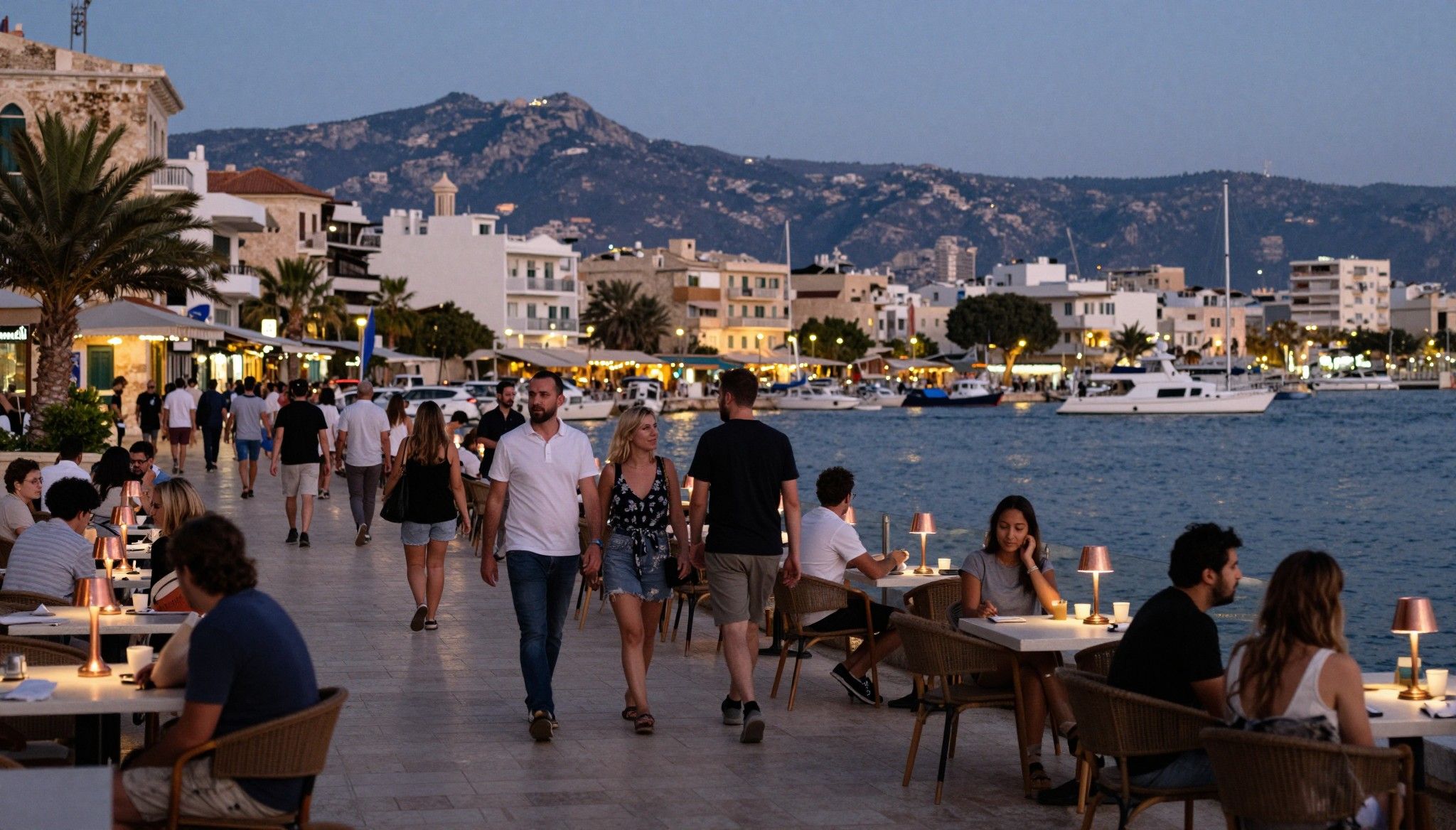
- A morning espresso at Caffè Gilli in Florence followed by the San Lorenzo market; an afternoon passeggiata down Viareggio’s promenade; evening aperitivi beneath the porticoes of Bologna’s Quadrilatero; Sunday markets in Piazza delle Erbe, Verona.
Making the move: practical considerations where lifestyle meets market
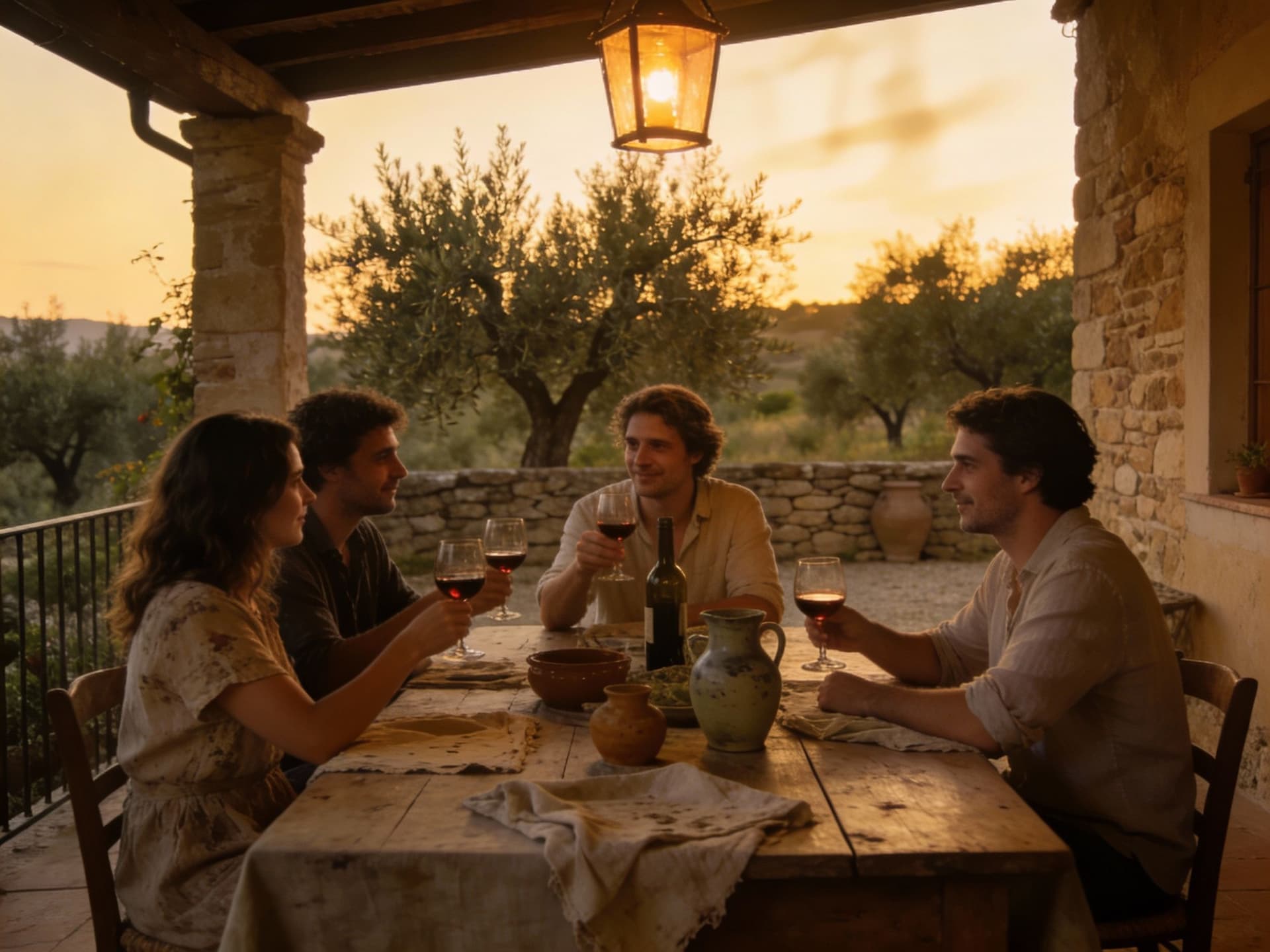
Recent national data show modest but uneven price movement: existing-dwelling values rose in recent quarters while new-build availability tightened. That combination produces local anomalies — attractive bargains in historic centres undergoing renewal and surprising premiums in small towns where international interest is concentrated. Understanding where demand is structural and where it is seasonal helps determine whether a purchase is a lifestyle acquisition or a short-term speculation.
Property types and how they shape daily life
A restored palazzo flat brings formal rooms, high ceilings and proximity to cultural life but also higher maintenance and stricter heritage constraints. A farmhouse (casale) offers land, autonomy and a slow pace, but typically requires investment for modern services. New-build apartments deliver contemporary systems and lower immediate upkeep but can lack the patina and spatial generosity that define much of Italy’s enduring appeal. Match the property’s DNA to the life you want to lead.
Working with local experts who protect the lifestyle vision
Steps an experienced Italy-based agency will take for you:
- 1) Map lifestyle priorities (markets, proximity to services, seasonality).
- 2) Shortlist properties with provenance and inspect restoration histories and municipal constraints.
- 3) Quantify running costs (condominium, restoration reserve, utilities) tied to the property type and location.
- Practical market signals to watch
- Rising buyer interest in secondary city centres (Rome suburbs, Bologna’s historic districts) and steady demand for coastal villas in Liguria and Puglia; short-term rental licensing changes that affect yield; regional grants for heritage restoration that reduce renovation costs.
Insider knowledge: what expats wish they’d known
Beyond the paperwork, a few truths surfaced repeatedly in conversations with long‑term residents: the neighbourhood shapes your friendships more than the size of your home; seasonal quiet can be restorative but also isolating; and a modest investment in local relationships — a favoured café, the neighbourhood market vendor — yields more practical support than many formal services.
Cultural integration and daily reality
Learning enough Italian to read contracts and to greet neighbours is a small but decisive act. Local customs—shop hours that close mid‑afternoon, the importance of municipal bureaucracies (comuni) for renovation permits—affect daily life and renovation timelines. Town halls still determine much of what you may or may not alter in a historic façade, so early municipal engagement prevents disappointments.
Longer‑term lifestyle and investment prospects
National indices indicate modest annual growth in existing-dwelling prices and an increase in sales volumes in recent quarters. For the disciplined buyer, that means opportunities to identify underpriced heritage properties where restoration and careful stewardship can create both a remarkable home and long-term value. The prudent strategy is patient: buy to live well, allow sensible restoration to accrue value rather than chase short-term yield.
- Red flags to avoid when seduced by atmosphere
- Unclear ownership history; properties with unresolved heritage restrictions; towns with shrinking services in low season; offers that pressure rapid decisions without documented comparables.
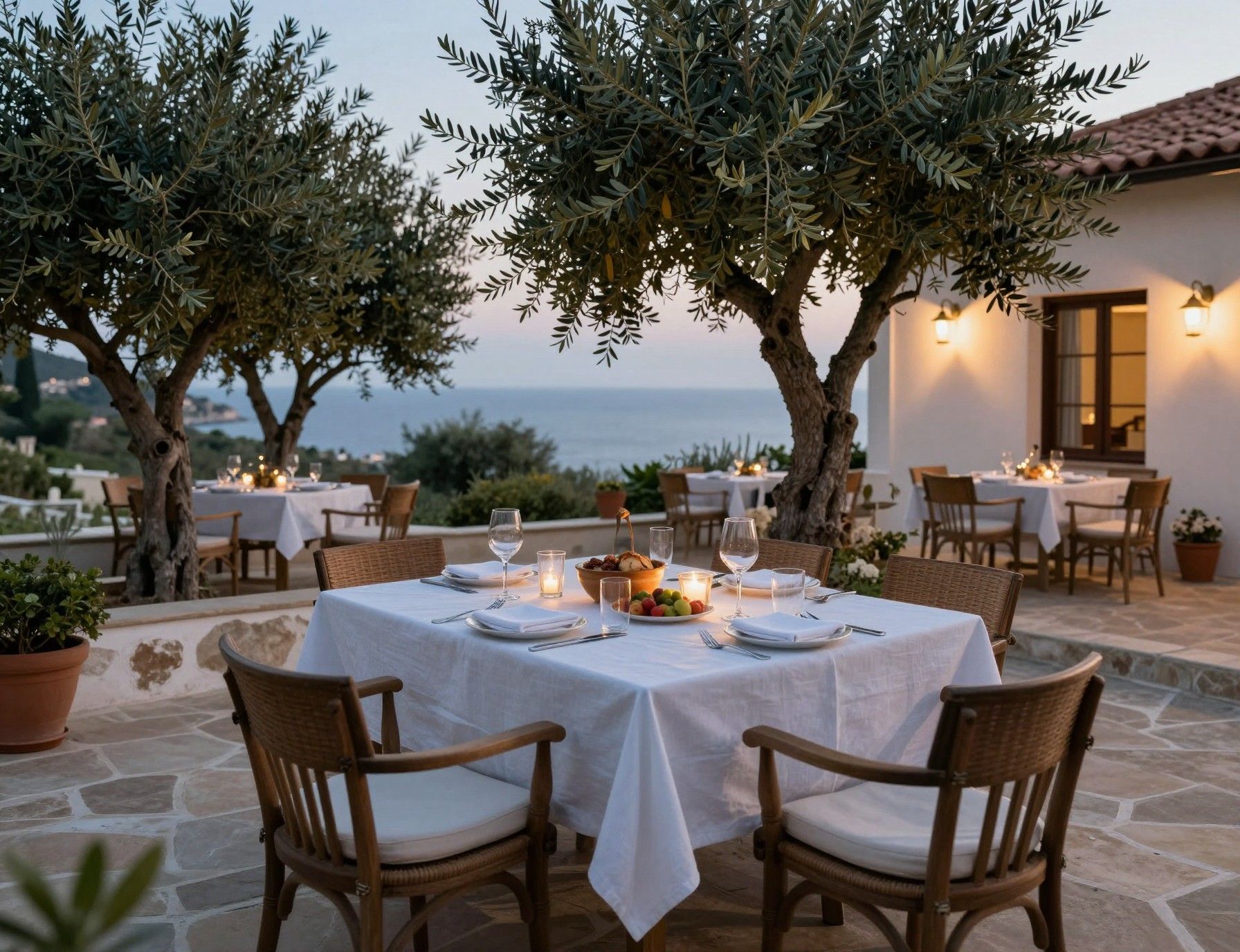
If the romance of an olive‑stone farmhouse is what drew you, temper it with questions about road access in winter, broadband availability and restoration records. If a palazzo flat near the Duomo feels like home, ask how condominium rules and local ordinances will shape alterations. Love the life first; purchase the property second.
A short checklist before making an offer
- 1) Visit across seasons — at least once in high season and once in winter.
- 2) Commission an urbanistic and structural survey that clarifies permitted works.
- 3) Obtain comparable sales and speak to a local agent with restoration and municipal experience.
Conclusion: Italy’s paradox is a buyer’s gift. The same country that reads as ‘expensive’ on national headlines hides towns and districts where thoughtful buyers find provenance, craftsmanship and quieter value. With a lifestyle-first brief, seasonal reconnaissance and the right local expertise, an Italian property becomes more than an asset: it becomes a lived story, passed on with care.
Former Copenhagen architect who relocated to Provence, offering relocation services, market analysis, and a curator’s eye for authentic regional design.