Italy: Lifestyle Signals That Shape Market Value
Italy’s charm masks important regional market differences—pair seasonal lifestyle visits with local expertise to match neighbourhood life and long‑term value.
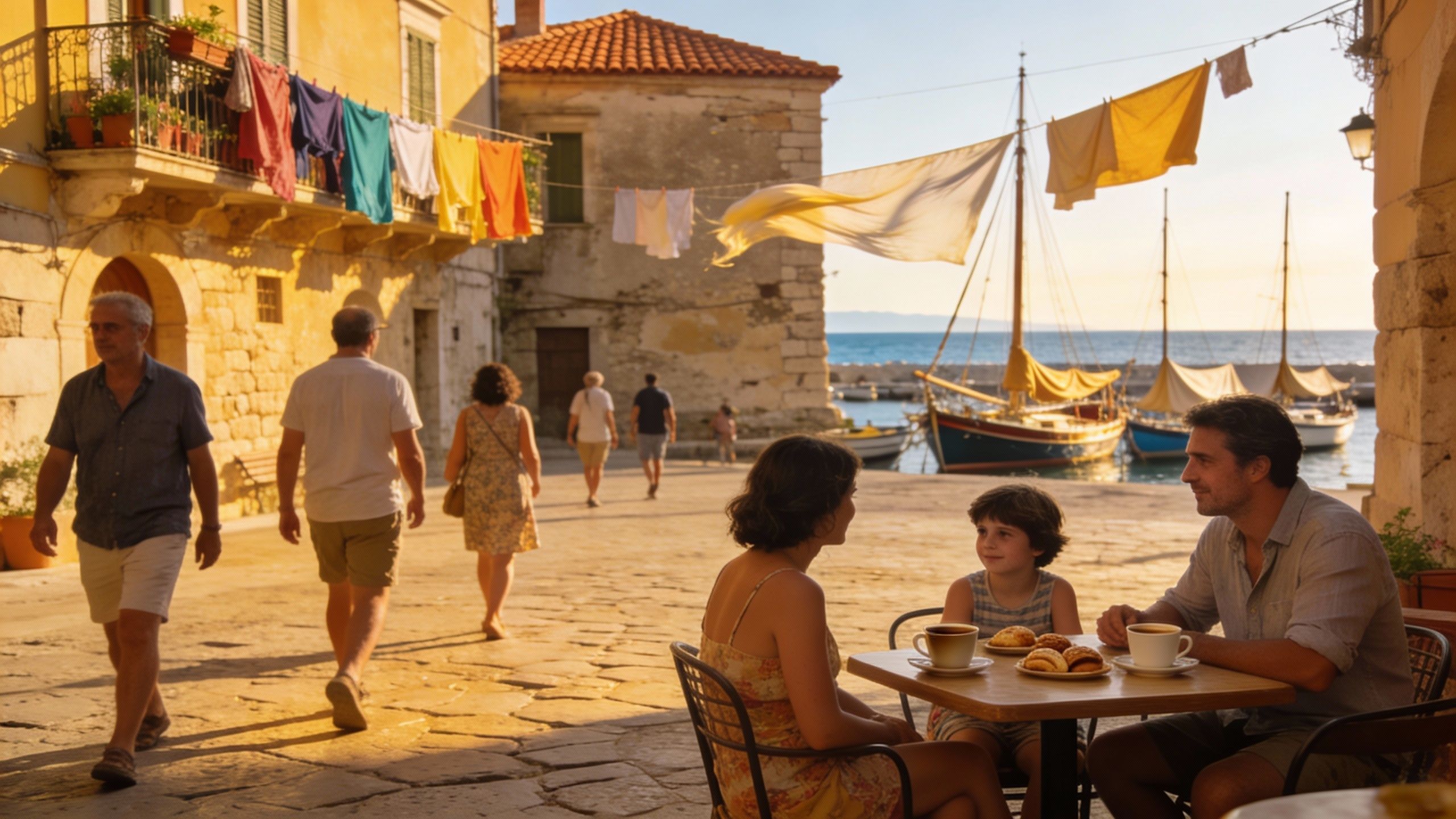
Imagine morning light through tall windows in a Venetian palazzo, the smell of roasted chestnuts on a November street in Turin or a late‑afternoon aperitivo on a Sorrento terrace. Italy is a mosaic of daily rituals—market bargaining, espresso at the counter, slow Sunday lunches—each region offering a distinct tempo and a very particular relationship to buildings that are lived in, repaired and loved. For international buyers this is both the romance and the reality: architectural provenance and neighborhood life determine value as much as square metres do. Recent reports from Italy's statistics office and leading market reviews show regional divergence in demand and price growth that international buyers should know before deciding where to place their intent.
Living the Italy lifestyle
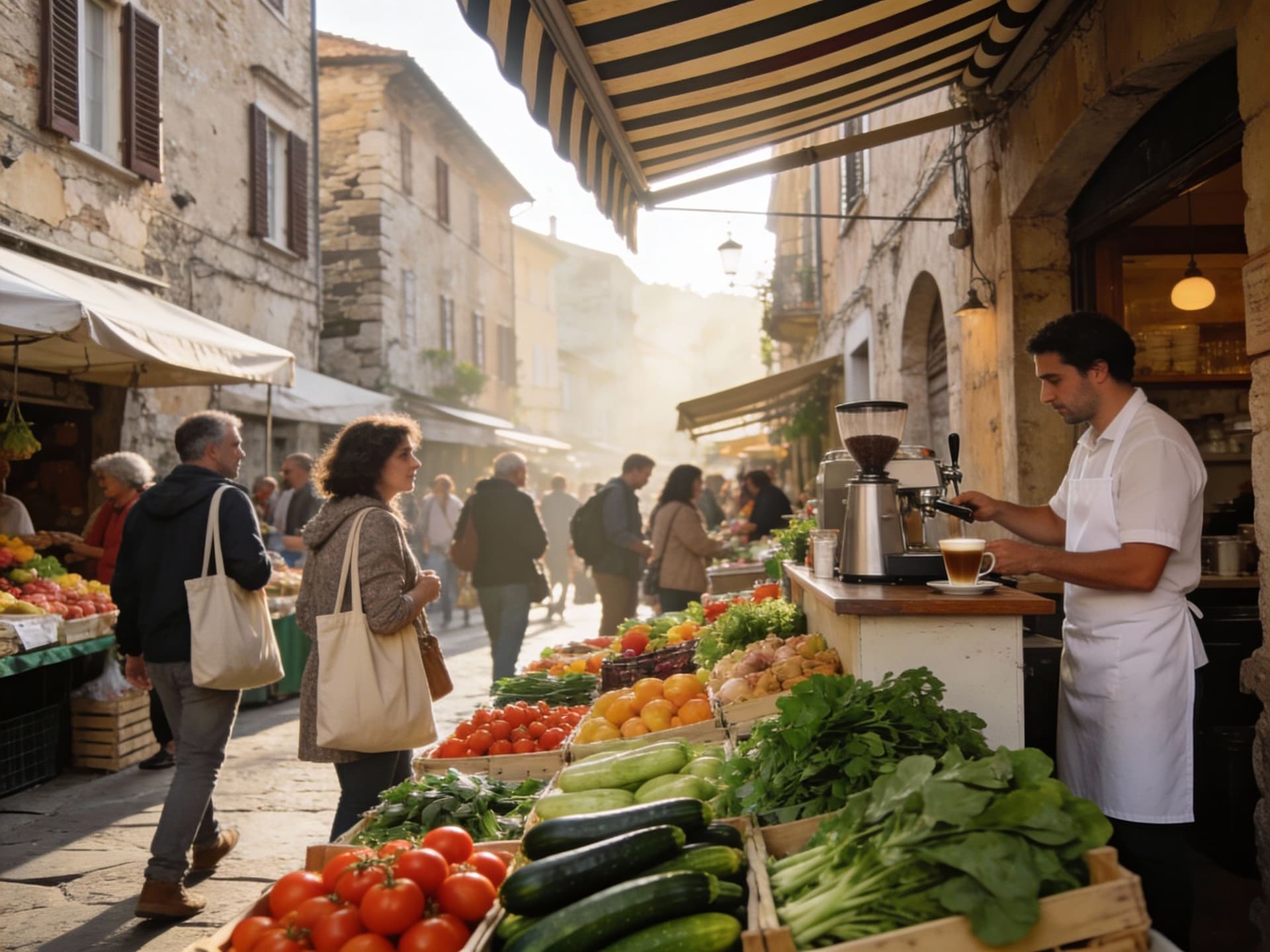
To live in Italy is to inhabit layers of time. In Florence’s Centro Storico you wake to church bells and buy bread from a forno that has operated for generations; in Milan, mornings begin with brisk commutes and curated design boutiques; on the Amalfi Coast, days orbit the sea, terraced lemons and an economy shaped by seasonality. These everyday rites influence what buyers actually want: compact, high‑ceilinged flats in historic cores; light-filled lofts in industrial conversions; stone farmhouses with olive groves in the countryside. Your experience of place—markets, cafés, clubs, local artisans—will be the lens through which value endures.
Neighbourhood spotlight: Trastevere to Navigli
Consider the difference between Rome’s Trastevere and Milan’s Navigli. Trastevere is cobbled intimacy: trattorie, ivy‑clad façades and an evening chorus of neighbours that reward pedestrian life but penalise cars. Navigli feels intentional—canals, design ateliers, late dining—and suits buyers prioritising a dynamic social calendar and contemporary interiors. Both command premium prices, yet for different reasons: provenance and atmosphere in Trastevere; lifestyle currency and nightlife in Navigli. For buyers, the lesson is practical: match the block’s daily rhythm to how you want to live, not only its headline reputation.
Food, markets and the neighbourhood pulse
Food in Italy is neighbourhood architecture. Weekly mercato rituals shape schedules and social ties: morning fish counters in Naples, late‑afternoon produce stalls in Bologna, and the slow ritual of buying cheese in Parma. These market patterns nudge property preferences—proximity to fresh food matters for daily life and for resale to like‑minded buyers. A flat one block from a morning market will feel smaller and more valuable than an identical unit in a commuter suburb because it buys a way of life, not just a location.
- Lifestyle highlights: historic cafés, weekly markets, coastal walks, artisan workshops, late‑night enotecas, neighbourhood piazzas
Making the move: practical considerations
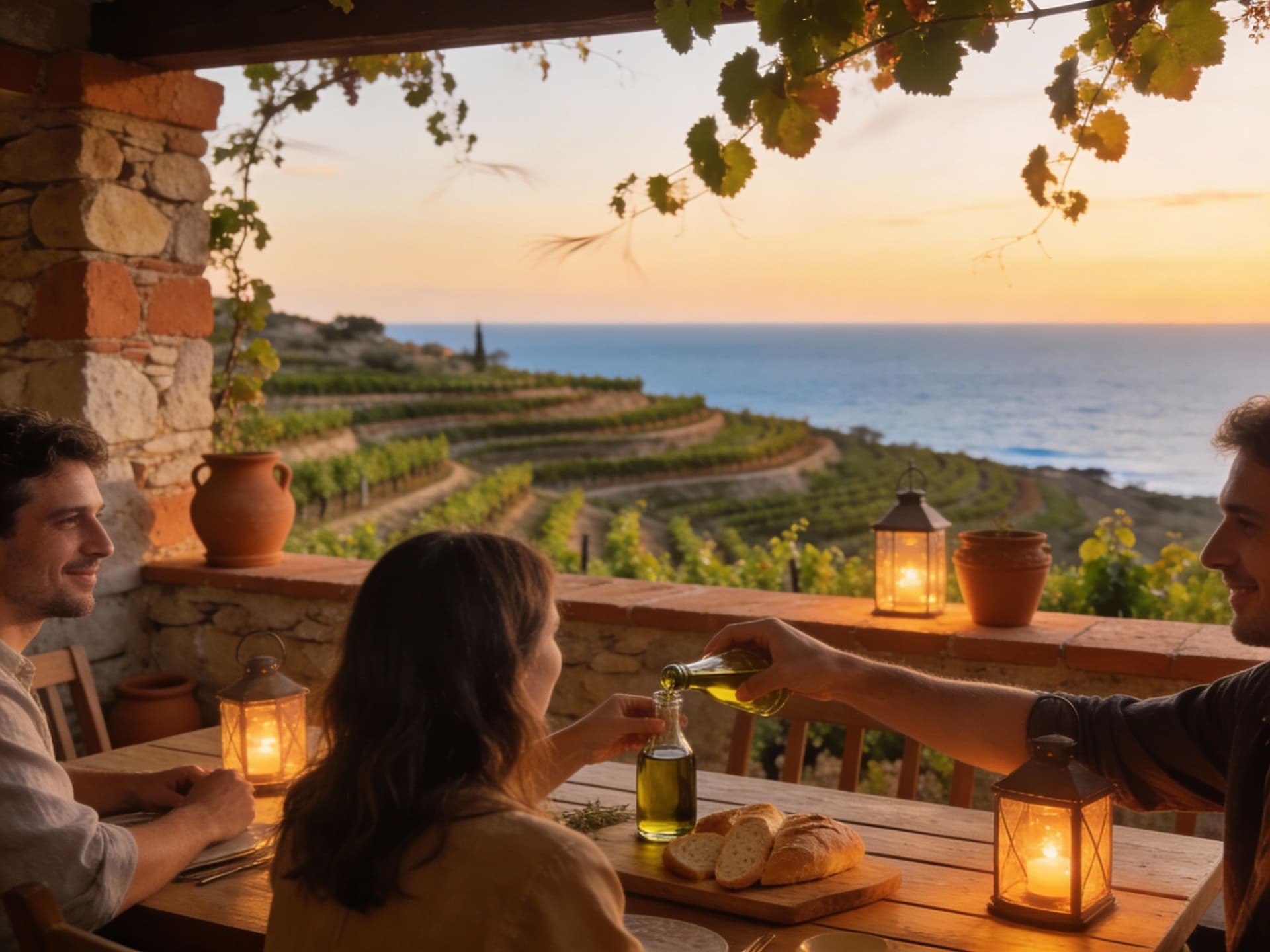
Romance alone will not smooth a purchase. Market mechanics—regional demand, mortgage availability, rental seasonality—shape both cost and opportunity. Recent Bank of Italy commentary and national price indices show that while major cities have recovered strongly, many provincial towns remain undervalued but seasonal. Understanding these patterns helps international buyers turn lifestyle preferences into resilient investments; the right local expert translates those preferences into a shortlist of streets where the social life, transport and conservation rules align.
Property styles and how they suit living
Italy’s built forms are legible: medieval stone houses, Renaissance palazzi, rationalist Milanese apartments, rural casali. Each requires different stewardship. A palazzo flat offers proportions and ornament; a casale offers land and autonomy but demands maintenance and seasonal heating strategies. When choosing, consider not only room sizes but also insulation, heating systems, and access in winter. Architecturally informed agencies and local restorers can advise on conservation rules that will affect renovation timelines and budgets.
Working with local experts who know the lifestyle
A discreet, locally rooted agent is the most effective bridge between aspiration and acquisition. They read municipal plans, know which historic façades are protected, and connect buyers with the right notary, geometra and builder. Good agencies curate neighborhoods as well as properties—selecting streets where morning life and long‑term stewardship preserve value. For international buyers, insist on an agency that demonstrates both cultural fluency and transactions experience across the regions you’re considering.
- Steps to turn lifestyle intent into a shortlist: contact a local agency with portfolio examples; commission a targeted neighbourhood survey; visit in two different seasons; engage an architect for feasibility; secure an initial binding offer through a notary
Insider knowledge: what expats wish they’d known
Seasonality is not merely an amenity cue; it alters rental yield, maintenance cycles and daily comfort. Coastal towns can be electric in July and nearly silent in January, which suits those seeking a seasonal retreat but surprises buyers expecting year‑round vibrancy. Expat owners often underestimate the soft infrastructure—local municipal services, reliable broadband outside city cores, and the cadence of shops closing in August—that shapes everyday life. A measured visit across seasons will reveal the rhythms that determine whether a location is a temporary idyll or a sustainable home.
Cultural integration and everyday language
Fluency in Italian is not mandatory, but a few phrases and a willingness to participate in communal rituals—the market, the bar, the parish festa—open more options. Neighbourhood acceptance matters: small repairs, local introductions and even rental agreements are smoothed by basic language and cultural literacy. Many buyers find that language classes and local memberships (a cooking school, sports club or civic association) accelerate integration and deepen the lifestyle value of their purchase.
Long-term lifestyle and stewardship
Think in decades. Italian properties reward owners who treat them as legacy projects: careful restoration, engagement with local craftsmen, and respect for conservation constraints increase provenance and price resilience. Consider how demographic trends—youth migration to cities, ageing rural populations—might alter demand. Choose locations where community investment, access and quality of life show signs of respectful renewal rather than decline.
- Red flags and practical checks: unclear title history; conservation restrictions that forbid necessary upgrades; lack of accessible broadband; seasonal income dependency; unresolved communal condominium debts
Italy’s invitation is persuasive: a life structured around food, architecture and neighbourhood rituals. For the international buyer, the most successful purchases pair that invitation with a disciplined local approach—seasonal visits, architect advice, and an agency that curates streets as much as properties. Begin with a list of lifestyle non‑negotiables, visit them in different seasons, then ask an agency to present three comparable properties on the same street so you can judge provenance, light and neighbourly life directly. When done with care, a home in Italy becomes both a place to inhabit and a work of custodial investment.
Dutch former researcher who moved to Lisbon, specialising in investment strategy, heritage preservation, and cross-border portfolio stewardship.