Italy: Where Lifestyle Choices Reframe Market Opportunity
Italy’s markets are quietly shifting: national transactions rose modestly in 2024, but regional dynamics and energy‑efficient homes shape where value and lifestyle align.
Imagine waking before dawn to the city’s first espresso, the bell of a nearby church, and a market stall unfolding crates of peaches and burrata. In Italy that morning routine can happen on a narrow cobbled lane in Florence, a sunlit terrace in Puglia’s Valle d’Itria, or a seventh-floor apartment overlooking the Tiber. Those everyday scenes are why buyers arrive with dreams — but the market beneath that dream has its own rhythms. Recent national data show modest growth in transactions and prices, yet the story varies sharply by region and property type. This piece threads together the life you want with the facts you need to act with confidence.
Living the Italian life — sensory, specific, sustained
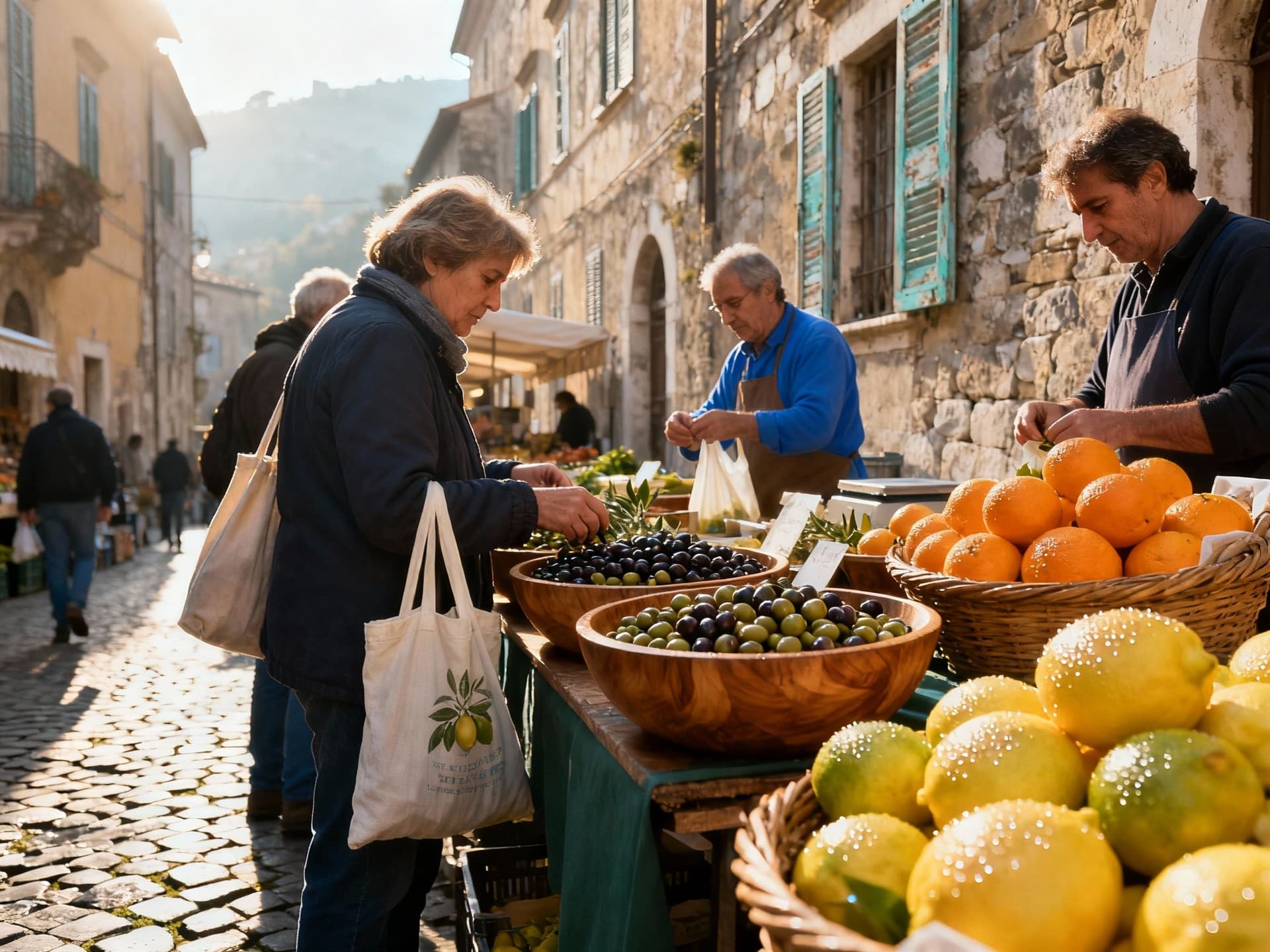
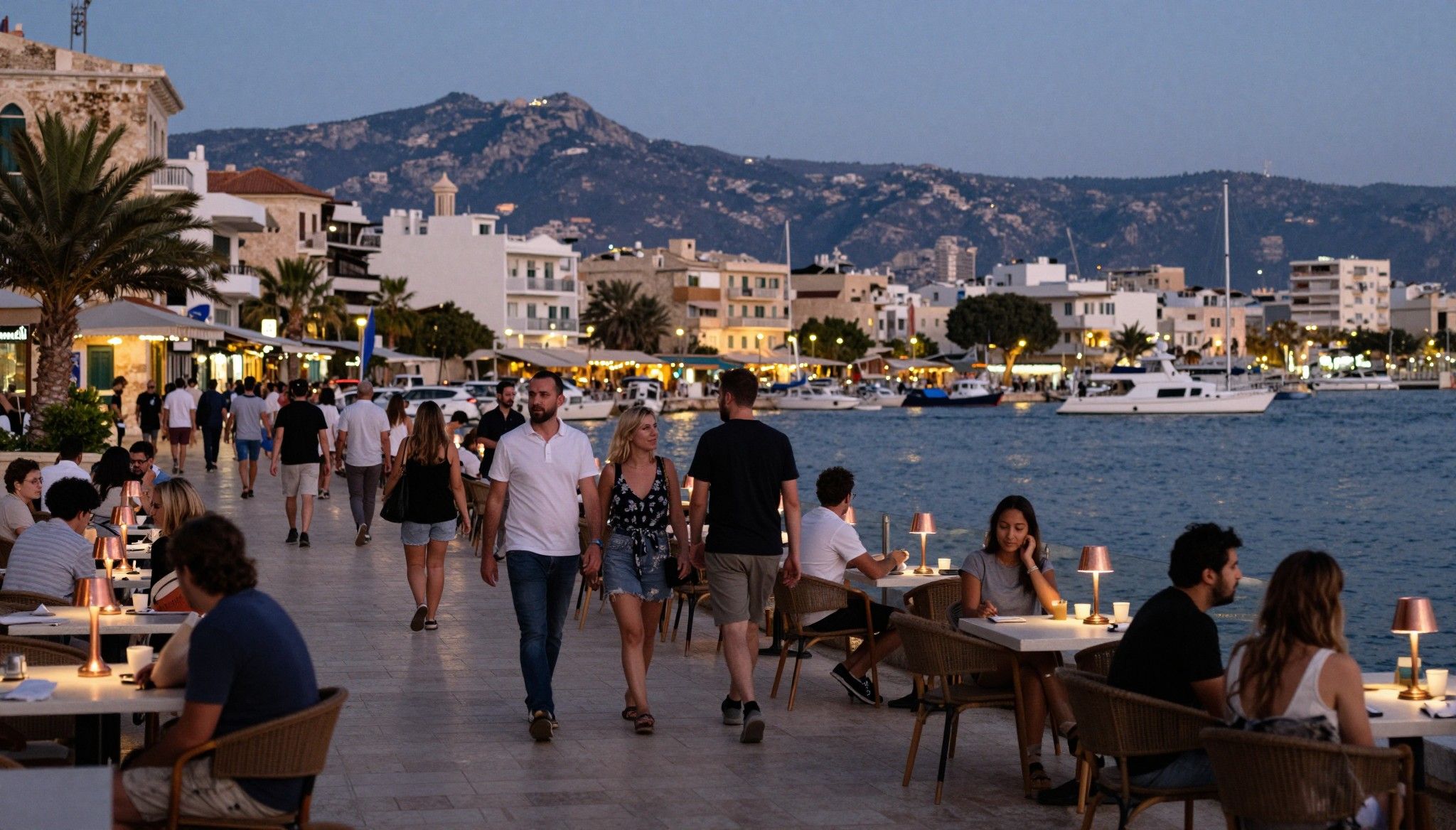
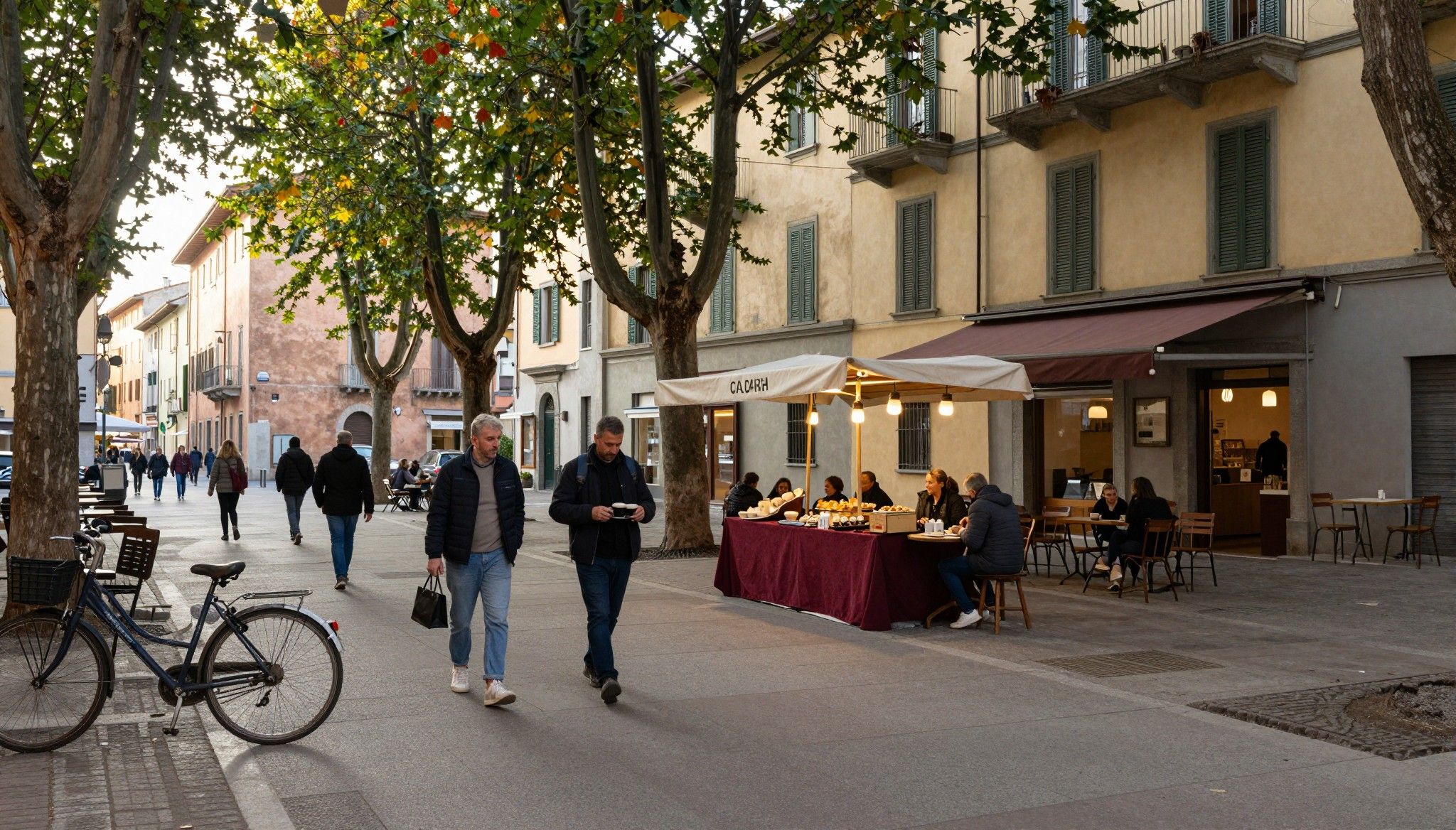
Italy’s appeal is not a single postcard but a cluster of daily rituals. In Milan mornings are brisk — espresso at a bar in Brera, a bicycle ride under plane trees, appointments at small ateliers and private galleries. In Rome the pace is more layered: a florist on Via dei Coronari, a trattoria that primes neighbors with simmering ragù hours before service. Along the Adriatic and Tyrrhenian coasts, mornings begin with fishermen hauling nets and afternoons with families on the sand. Those rhythms shape where you live: proximity to a market matters in Naples, a courtyard matters in Siena, and a covered terrace becomes essential in Sicily’s summer heat.
Neighbourhood portrait: Milan — Brera to Navigli
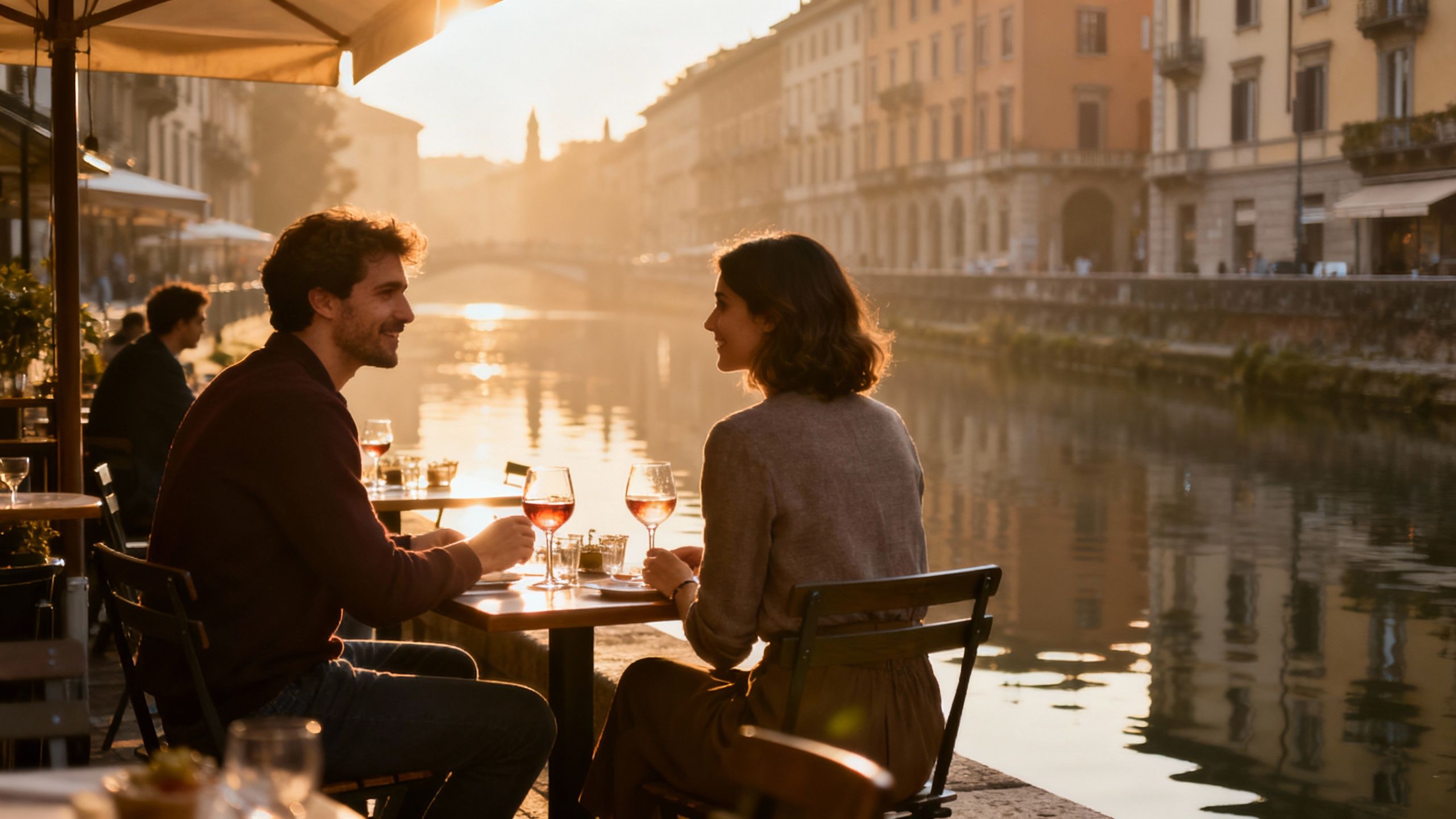
Brera holds afternoon light on stucco façades and discreet ateliers; antiques dealers wheel out brocante on Saturdays and small restaurants keep to family recipes. Walk five minutes and you reach the Navigli canals where evenings swell with aperitivo culture and design shops. For the buyer the trade-off is clear: central character and cultural density for higher square‑metre prices and a premium for restored interiors with original cornicing.
Coast & country: Puglia’s Valle d’Itria and Amalfi’s terraces
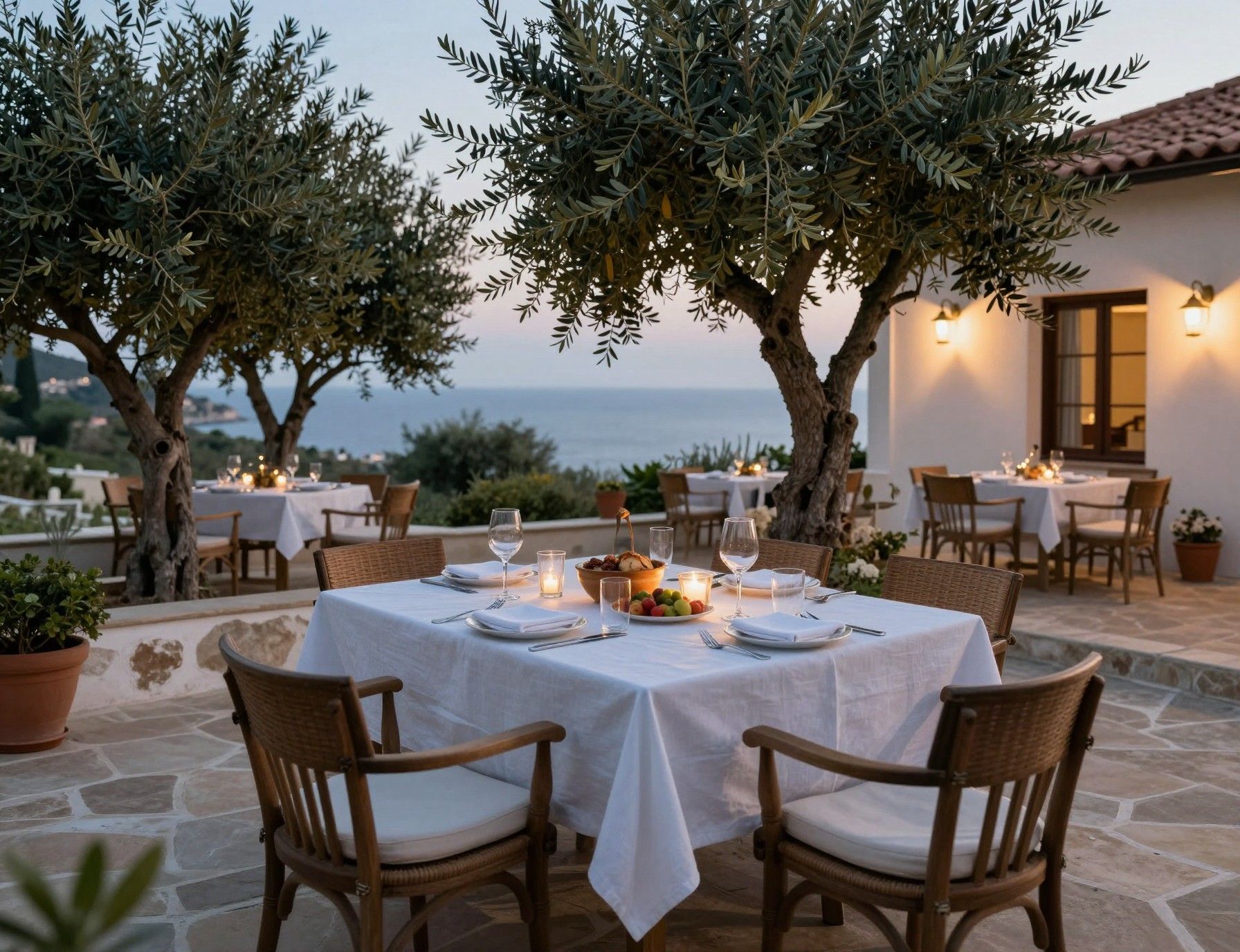
Valle d’Itria’s whitewashed trulli and olive groves offer expansive sky and restored farmhouses within stone’s throw of markets in Ostuni or Cisternino. On the Amalfi coast, terraces and loggias become living rooms; you measure property value as much by the view-led life as by interior square metres. Recently these southern lures have translated into rising interest and price appreciation, particularly for thoughtfully restored homes with strong provenance.
- Lifestyle highlights to look for when choosing a neighbourhood:
- Daily market within a 10‑minute walk (e.g., Campo de’ Fiori, Naples’ Mercato di Pignasecca).
- Nearby enoteca or osteria with regulars rather than tourists (local recommendation matters).
- Morning light and sheltering architecture (loggias, courtyards, covered terraces).
- Access to regional airports or train links for seasonal travel (important for dual‑residence buyers).
Making the move: lifestyle-led, market‑aware decisions
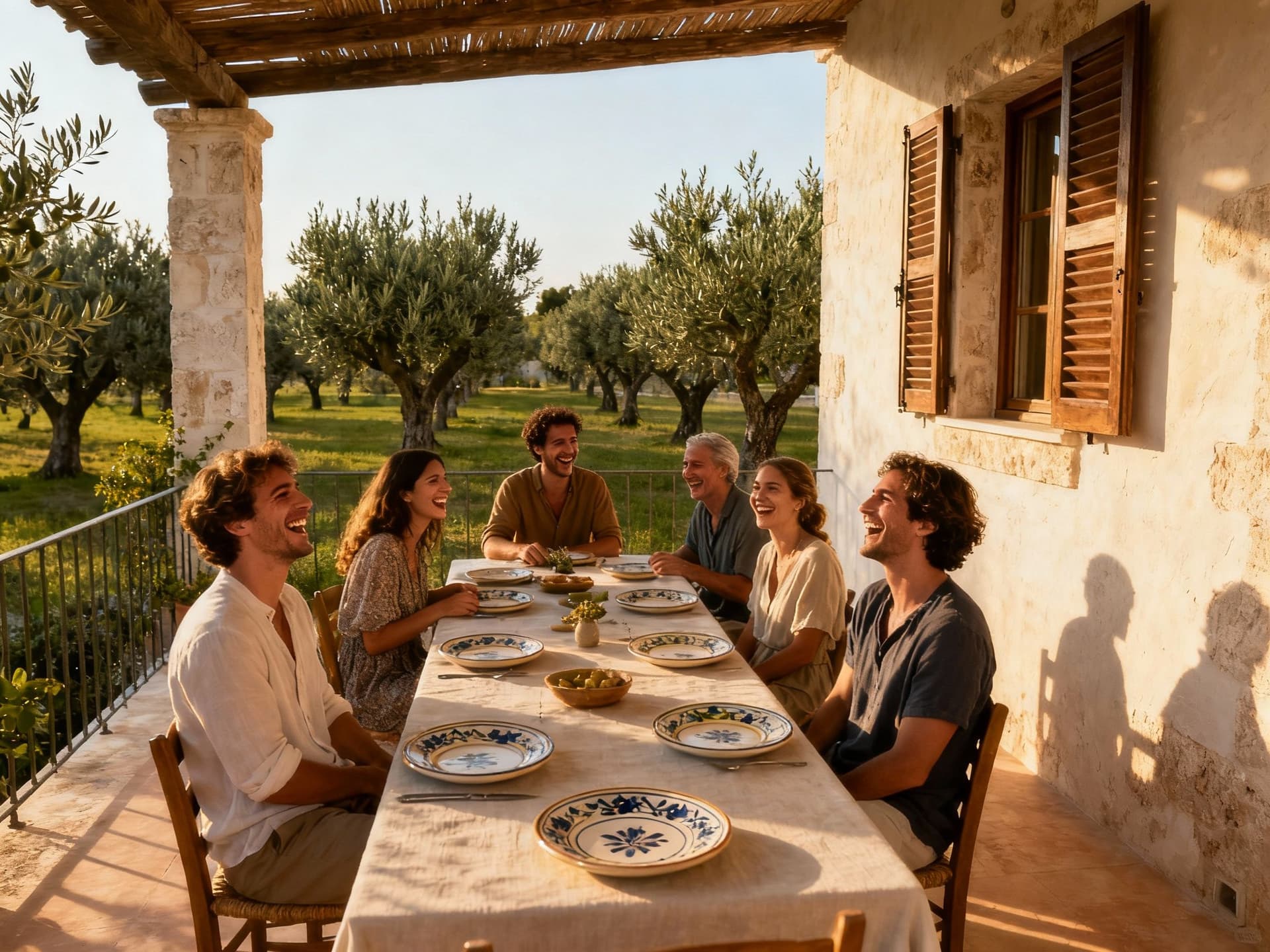
The romance of place must meet pragmatic timing. National figures point to a modest uptick in transactions — roughly a 1–2% rise in 2024 — but local pockets behave differently. Lombardy and Milan continue to record stronger activity by value, while other cities show mixed movement. Because the national average masks sharp regional variation, you should combine lifestyle priorities with hard market data to avoid paying a lifestyle premium where market fundamentals are weaker.
Property types that match how you will live
New-build apartments and sensitively restored historic homes answer different lives. If you prize low maintenance and energy performance, modern inventory in Milan or Bologna will deliver higher standards and warranties. If provenance and artisanal detail matter, a restored palazzo in Florence or a farmhouse in Umbria rewards patient stewardship. Market reports show new-builds commanding stronger appreciation recently, but restoration projects still offer margin for buyers who understand local regulations and contractor networks.
Working with the right local experts
Agencies that blend market intelligence with cultural fluency matter. Seek firms that can read municipal plans, decrypt local planning permission practice, and source reputable restorers. An agent who mentions a neighbourhood café by name, the baker’s delivery schedule, or the parish priest’s role in small‑town permitting is more than a sales intermediary; they are your pathway to an authentic life. This is also where off‑market opportunities emerge: trusted local intermediaries frequently circulate properties before they reach public portals.
- Steps that blend lifestyle and market prudence:
- Spend three different days in the neighbourhood (market morning, weekday afternoon, and an evening) before making an offer.
- Request energy‑certificates and recent renovation invoices; energy class increasingly affects resale and financing.
- Insist on a local technical surveyor (geometra or architect) who will verify structural and planning compliance.
- Negotiate with seasonal timing in mind: markets slow in August and Christmas, which can open opportunity for measured offers.
Insider knowledge: what expats learn the hard way
Expat owners commonly recount the same surprises: seasonal life is deeper than expected, paperwork timelines are patient rather than instant, and a small restoration decision can transform both monthly costs and long‑term value. Recent commentary also highlights a rising preference for energy‑efficient homes and green mortgages — a practical consideration that also shapes lifestyle (less time worrying about heating bills, more time enjoying terraces).
Cultural cues that change where you buy
In many towns the social heart is not the central square but the parish church, the bar, and the associative networks that organize festas. That social geometry matters because it affects whether a buyer is quickly accepted into life or remains an amused observer. Choose a neighbourhood where a local favourite — a baker, librarian, or market vendor — can point you toward community introductions.
Longer‑term lifestyle realities
Consider how a place will feel five years on. Cities such as Milan have seen explosive demand and public policy that favors incoming residents; Rome is now receiving significant investor attention as public spending and planning reform change its urban fabric. Southern regions such as Puglia are moving up the value chain as access improves and restorations multiply. For the long‑term owner, this means balancing present pleasure with likely future market trajectories.
- Practical red flags and quick checks:
- Unclear property provenance or missing building permits — insist on municipal visure and the notaio’s confirmation.
- Persistent damp or poor insulation — ask for a thermal imaging report or recent renovation receipts.
- Overly staged listings that hide neighbouring uses — visit at different hours to verify the soundscape and activity.
Conclusion: Italy rewards patience and local knowledge. If you arrive wanting terraces, market mornings, and a house with history, pair that desire with specific checks: municipal visure, energy certificates, and a geometra’s survey. Work with agents who know the cafés and the cadastral quirks in equal measure. Begin with three days in the neighbourhood, then move from tasting life to making an offer that reflects both affection and discipline — the best properties are those you can live in beautifully and steward well.
Dutch former researcher who moved to Lisbon, specialising in investment strategy, heritage preservation, and cross-border portfolio stewardship.