Greece: Where Neighbourhood Life Outweighs Price
Greece’s market blends seasonal theatre with steady price recovery; choose neighbourhoods that fit how you want to live, then use local expertise to convert lifestyle into value.
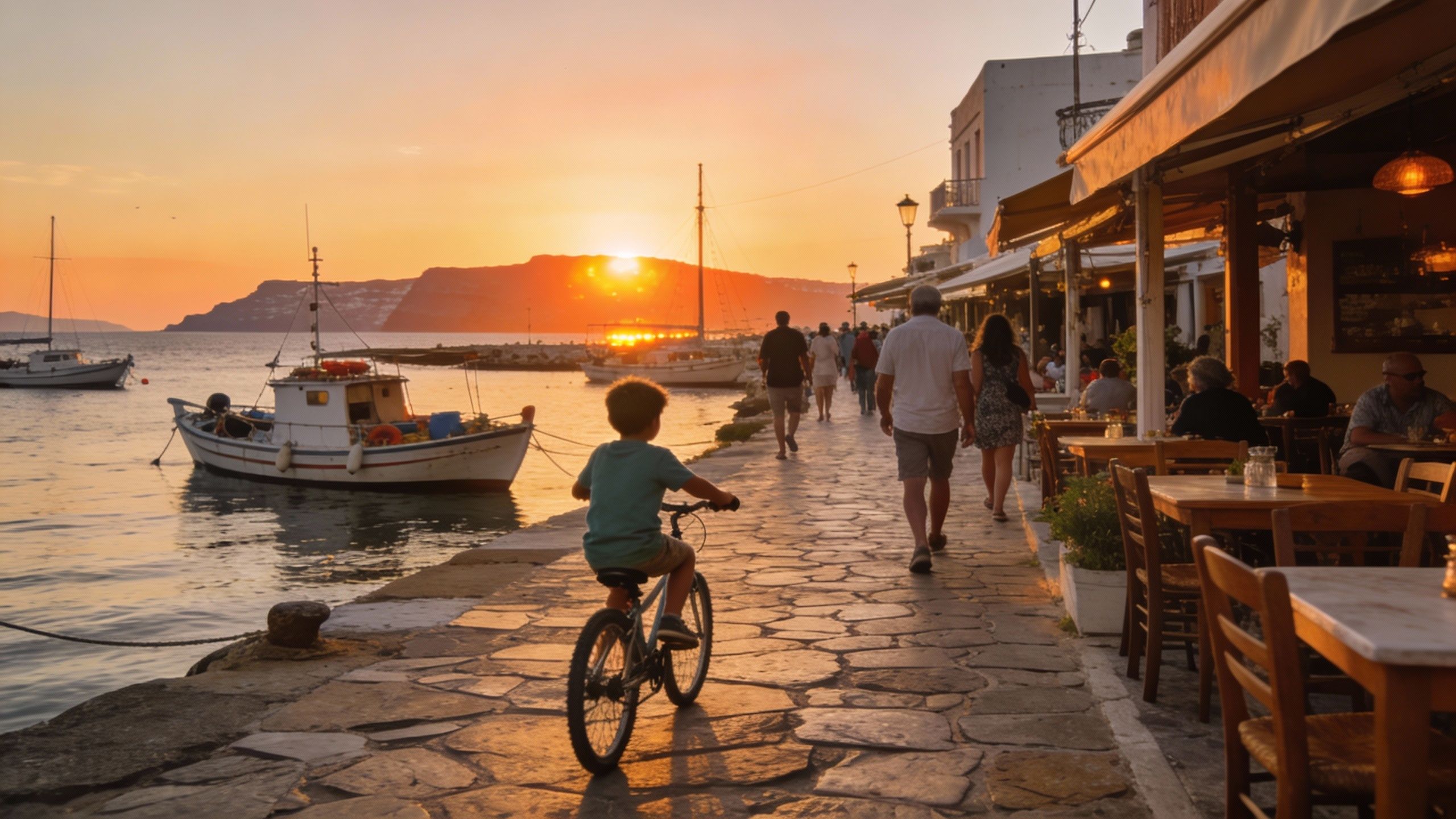
Imagine waking before sunrise to the sound of bakers at Varvakios Market, carrying a paper bag of warm koulouri as the light slides across the neoclassical facades of central Athens. Picture afternoons on a terrace in Glyfada, the sea a soft horizon, or evenings in Chania where a tavern’s lamp casts amber on weathered stone. Greece asks you to live by seasons, flavours and neighbourhood rhythms — and those rhythms quietly shape where prices climb, where values deepen, and where an investment becomes a stewardship.
Living Greece: a daily anatomy
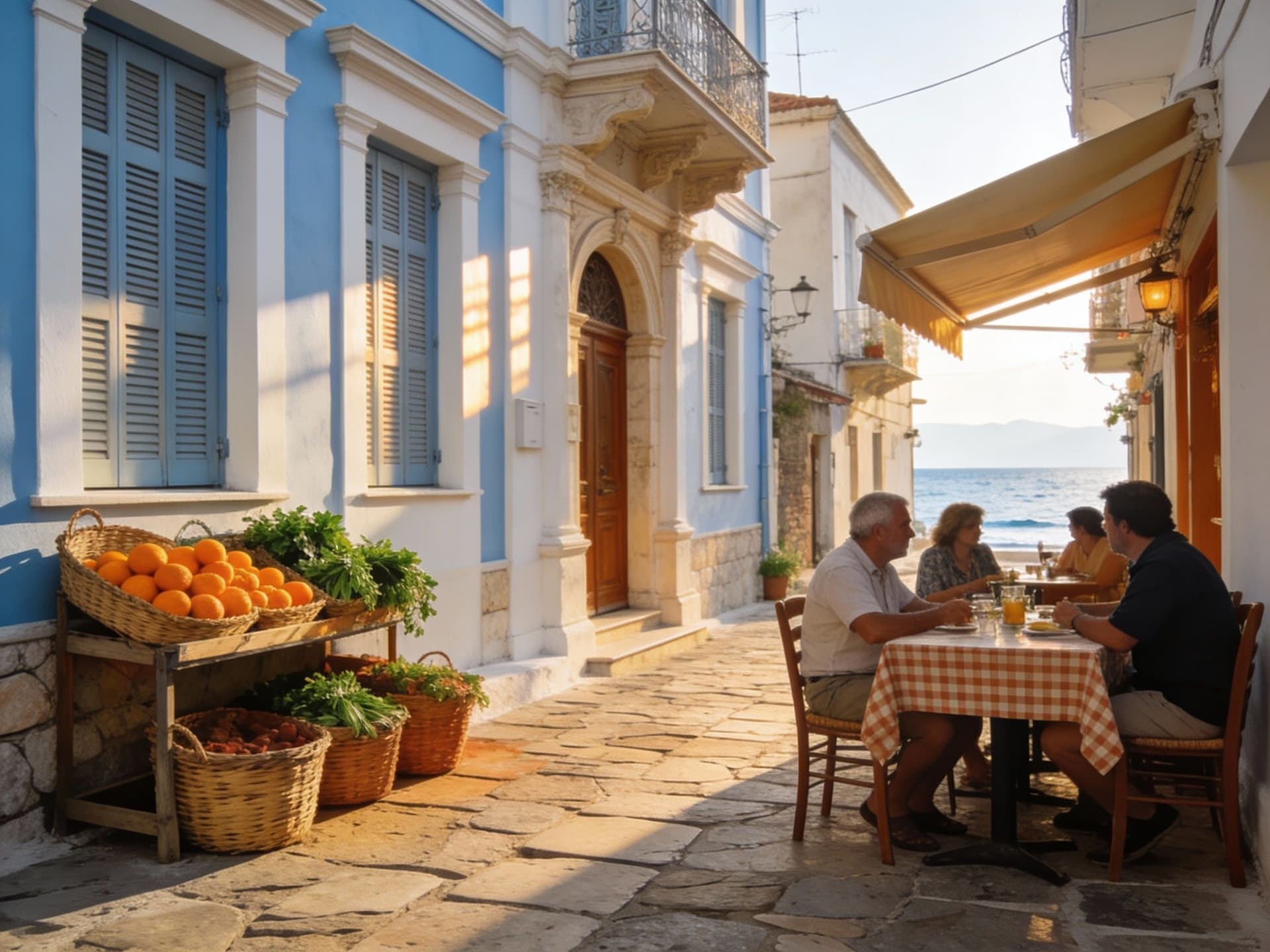
Life here is tactile and local. Morning coffee is a pause, not a to‑go ritual; evenings gather around long meals. In Athens, narrow streets reveal a different tempo from the Riviera’s promenades; on the islands, light and wind dictate the day. For buyers this matters: the neighbourhood you choose will deliver particular daily experiences — an ancient square for solitary walks, a marina for afternoons in a boat, or a high‑rise with sweeping city views for an urban life arranged around museums and theatre.
Athenian contrasts: Plaka, Koukaki, Glyfada
Plaka offers cobbled intimacy and heritage façades; Koukaki sits at the cross‑section of neighbourhood warmth and creative cafés; Glyfada presents a more ordered seaside life with boutiques and a golf course. When I showed a client a restored 1930s apartment on Kallisperi Street in Koukaki, she chose it because the block’s rhythm — morning kiosks, evening passeggiata — matched how she wanted to live, not because it promised the highest short‑term yield.
Islands vs. mainland: lifestyle tradeoffs
Mykonos and Santorini are theatrical — excellent for seasonal letting and scale — but quieter islands such as Kea, Syros or Tinos reward year‑round living with more authentic communal life. Crete and Corfu function almost as small countries: they offer strong local services and a calendar of events that sustains communities beyond the tourist months. Choosing an island is a choice about tempo, services and how much impermanence you will tolerate.
Making the move: market realities and current trends

Recent indices show a steady recovery in Greek residential prices: national house‑price indicators rose through 2024–2025, with notable strength in Athens and Thessaloniki. Supply constraints in attractive coastal and historic areas, plus renewed domestic demand, have pushed secondary‑market prices especially. For an international buyer this means the premium for well‑located, characterful homes is widening while opportunities still exist in transitional neighbourhoods and smaller island ports.
Property types that suit the life you want
Stone townhouses reward those seeking provenance; renovated neoclassical apartments offer scale and period detail; new builds deliver amenities and energy efficiency. I counsel clients to match form to routine: choose a courtyard home if you value private outdoor rooms; an island whitewashed villa if you want direct sea access; or a centrally located apartment in Kifisia for proximity to schools and private clubs.
How local experts turn lifestyle into a shortlist
Work with agencies who know which streets hum in winter and which are seasonal. They will: provide off‑market options in tight historic blocks; advise on micro‑risks such as coastal erosion or local planning that affects terraces; and curate visits timed to festivals or markets so you see a place lived in.
Practical factors that reveal true lifestyle fit
Proximity to a local market (Varvakios in Athens or Chania Agora) — daily life depends on it
Transport rhythm — ferry schedules, flight links and seasonal frequency shape island livability
Building fabric — solid masonry and thick walls matter for summer heat and acoustic privacy
Insider knowledge: myths, seasonal timing and what expats overlook
Myth: islands are unaffordable except for the ultra‑wealthy. Reality: while headline prices on Mykonos and Santorini are high, secondary islands and certain mainland coastal towns offer comparatively attractive value — particularly for buyers prioritising provenance and year‑round community life. Another surprise: older apartments have outpaced new builds in recent price dynamics, reflecting demand for character over novelty.
When to view: why off‑season visits are revealing
Seeing a seaside village in October or March shows you the architecture, services and community out of its theatrical summer skin. Ferry timetables, local shops and the behaviour of neighbours become legible. Smart buyers book off‑peak visits to confirm year‑round suitability rather than relying on peak‑season impressions.
What expats often miss
Many underestimate the importance of masonry maintenance and how a modestly priced heritage building can carry significant restoration obligations. Others overlook the cultural cadence: tavernas close midday in small towns, and relationships with local suppliers matter when you manage a property remotely. These are the details that decide whether a house is an investment or a burden.
Six practical next steps that marry life and investment
1. Visit outside high season to assess services and ferry/flight reliability.
2. Insist on a structural and moisture survey for older stone buildings; factor restoration into purchase terms.
3. Seek agencies with local networks (municipal, artisan restorers, notaries) to access off‑market homes.
4. Prioritise energy upgrades and passive cooling (thick walls, shutters, pergolas) for long‑term comfort and running costs.
5. Compare long‑term ownership scenarios: seasonal lettings, permanent residence, or hybrid use — each invites different neighbourhoods.
6. Ask agencies for granular transaction data on the specific street or block — national indices are useful, but streets tell the fuller story.
Conclusion: place first, numbers second
Greece offers a rare combination: a life shaped by light, food and neighbourhood ritual, and a market where architectural provenance increasingly underpins value. Begin with how you wish to live, then assemble local expertise to translate that vision into a defensible purchase. A considered agency will help you measure seasonal patterns, secure off‑market opportunities, and steward a property so that it becomes, over years, both a home and a durable investment.
Former Copenhagen architect who relocated to Provence, offering relocation services, market analysis, and a curator’s eye for authentic regional design.